





 Portuguese
  English
  Spanish
 2 min of reading


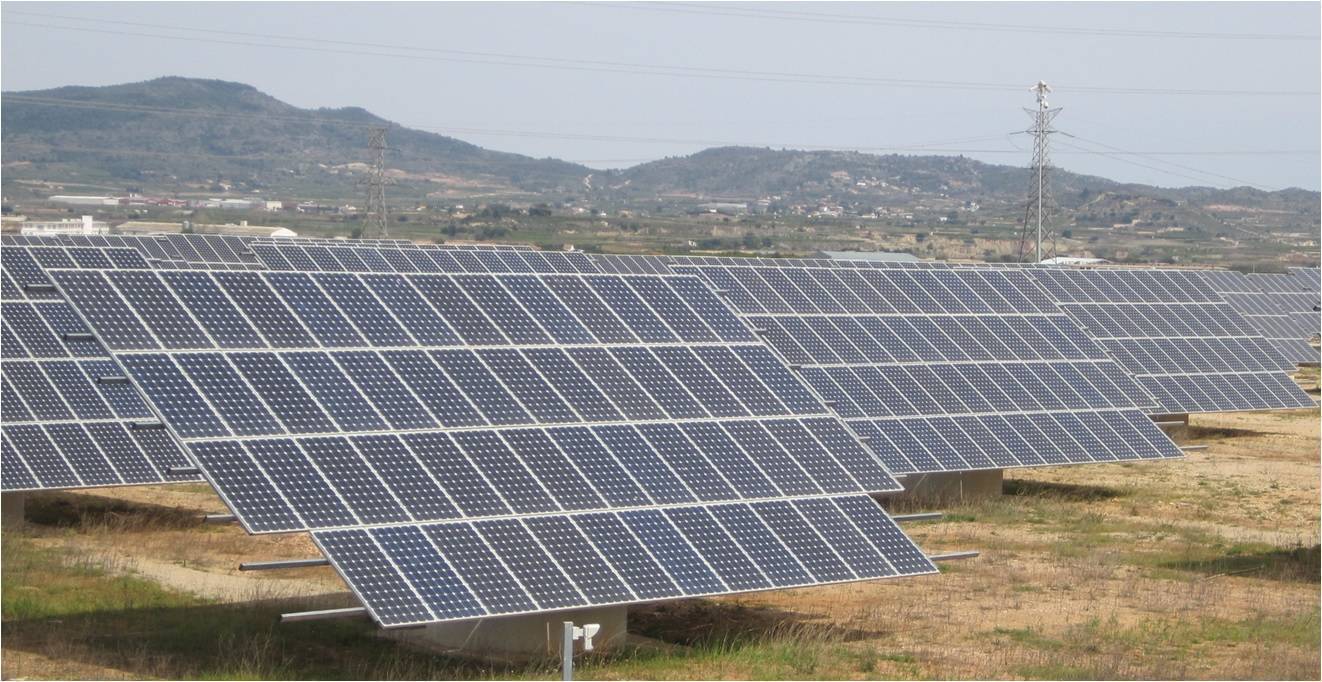
In Addition To Studying The Possibility Of Installing Solar Energy At Landfills, The City Of Curitiba Still Plans To Install It At Bus Terminals
Curitiba and Rio de Janeiro are studying the use of solar energy in deactivated landfills. In addition to the landfills, Curitiba is studying the use of solar energy at bus terminals. These types of projects are more common in European and North American countries. In Brazil, such projects are characterized as an advancement for the sector.
See Also Other News:
- Drone Market Grows In Brazil And Boosts The Economy By Creating Jobs
- Modec Started Today (10/23) The Selection Process To Work On The FPSO Cidade de Caraguatatuba; Job Openings Are For Laboratory Technician
- Petrobras Is To Take Over BP Block In The Amazon Mouth After Total’s Withdrawal
With this project, both CFF and Absolar hope to share the idea of using solar energy in landfills and spread it throughout Brazil and other cities in the region. Absolar and CFF signed a Memorandum of Understanding to collaborate on the projects, the association reported in a statement to the press released this Thursday.
The CFF is a partnership with the German International Organization (GIZ), which offers cities ambitious climate action through technical and financial support. In this phase, the CFF supports innovative solar projects in Rio de Janeiro and Curitiba.
-
The Brazilian state accelerates industrial competitiveness with a focus on the extraction of strategic minerals to boost the energy transition in Goiás.

-
A Canadian retiree creates a hydroelectric system on a real river, generating energy continuously throughout the day and demonstrating how the power of water can supply a house with stability even in a simple structure.

-
Petrobras reaffirms its commitment to the market and ensures that it will carry out the energy transition safely to maintain national sovereignty.

-
Researchers discover a possible hydrogen deposit of up to 46 million tons beneath an ancient coal basin, and the volume could exceed half of the entire global production.


Absolar and CFF can combine experience and capabilities to support Brazilian municipalities, not only in preparing photovoltaic solar projects but also in formulating policy mechanisms to promote public and private use of solar energy. The two entities will also organize events and seminars on the subject.
Absolar’s CEO, Rodrigo Sauaia, said, “We are very motivated to cooperate with C40 and GIZ in developing new photovoltaic programs and initiatives to enable municipalities, companies, and citizens to use this competitive renewable technology to reduce costs, create new opportunities, and support sustainability goals. Solar energy is definitely part of the solution to face local and global challenges of climate change and a strategic tool for municipalities in Brazil and other countries.”
The regional director of C40, Manuel Oliveira, said, “This is an important step to foster clean and renewable energy in cities across Brazil and support them in meeting the goals of the Paris Agreement and reducing greenhouse gas emissions while improving energy security, generating significant savings, and creating new green jobs.”









Seja o primeiro a reagir!