





 Português
  Inglês
  Espanhol
  3 min de leitura


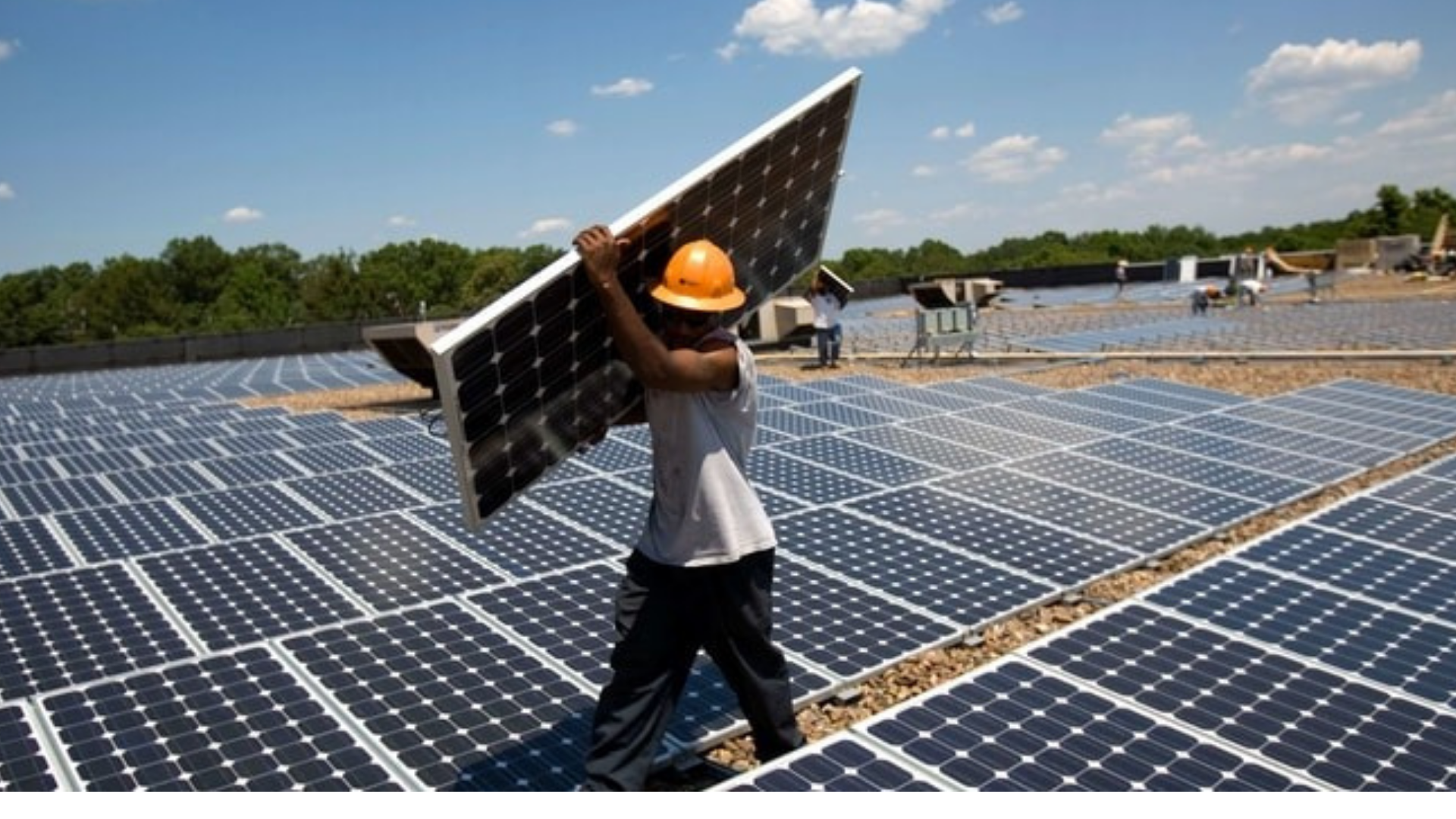
Second Data from Absolar, in 2020, the Solar Energy Sector in Brazil Received Investments of R$ 13 Million and Created 86 Thousand Jobs
According to the Brazilian Association of Photovoltaic Solar Energy (Absolar), currently, Brazil ranks 11th in the world in solar energy investment. The association also shows that, just last year, about 86 thousand new jobs were created, with investments of R$ 13 billion. The entity also predicts that this year, the solar energy sector will generate more than 147 thousand new jobs across the country and attract R$ 22.6 billion in new investments. See also: Ceará Will Open a New Solar Panel Factory and Many Jobs Will Be Created
- Young People Called for Positions in Energy Project in the Areas of Oil, Gas, Biofuels, Energy, Renewable Sources, Electric Sector, and Many Others
- Diesel Price Rises Again and Truck Drivers Demand Tax on Oil Exports to Relieve Fuel Costs
- Multinational Bayer and Omega Energia Sign 10-Year Contract for Solar Plant Construction in Brazil
- Ceará Will Open a New Solar Panel Factory and Many Jobs Will Be Created
- Fatec and Etec Offer 260 Vagas in Free In-Person and Online Courses in Nutrition, Administration, Systems Development, and Much More
Photovoltaic Energy in Brazil
According to the association, the solar energy model was regulated in the country in 2012 and, since then, it has transformed into an industry responsible for generating thousands of jobs every year, boosting the economy. According to Absolar, 1 GW of installed capacity is capable of generating more than 30,000 new jobs across the sector.
Jobs within the solar energy sector vary greatly, and the areas of operation in the market are quite diverse. In the photovoltaic segment, professionals from environmental, mechanical, and electrical engineering, logistics and sales professionals, electricians, and installation technicians are involved.
-
Renewable energy advances over protected areas in Brazil, and a survey by the Energy Transition Observatory reveals silent impacts that challenge environmental conservation and pressure sensitive traditional territories.

-
Rio Grande do Sul accelerates energy transition: State invests in renewable technologies and consolidates decarbonization strategies and pathways to attract billions in new industrial investments.

-
With 160,000 m² of collectors, an area larger than 20 football fields, Silkeborg, in Denmark, hosts a solar thermal plant that heats 19,500 homes and could become the largest solar heating plant in the world.

-
A study reveals the expansion of renewable energy procurement in Brazil and shows how companies are taking advantage of opportunities to reduce expenses, ensure energy efficiency, and strengthen strategic environmental commitments.


Mariane Hartmann Crespi, a civil engineer who has been working with solar energy for eight years, says that before she started working in the segment, she was already conducting research in this area at the Federal University of Santa Catarina (UFSC). The engineer has been working at Topsun Solar Energy for three years, a company that is a reference in the sector.
According to her, there was interest in the subject while she was studying engineering, with the dream of working in the area. She started as an intern and has since worked in various sectors: in the field, overseeing installations, making budgets, projects, sales, and post-sales. Mariane says that it has been very rewarding because, besides being a product with a lot of technology involved, it is a product that generates savings for the client, benefits the energy grid, contributes to the environment, and creates many jobs.
Creation of a Legal Framework for Distributed Solar Energy Generation
According to the Absolar, establishing a legal framework for distributed energy generation in Brazil is the best way to avoid the risk of reverting solar and other renewable resources to distributed energy generation on rooftops, external walls, and small lands in the country. Currently, the National Assembly is discussing a bill to debate the legal framework, introduced by Federal Deputy Lafayette de Andrada.
However, support from an organized society and local businesses is essential for establishing a transparent, fair legal framework that recognizes the benefits of solar energy in distributed energy generation in the country.
The president of Absolar states that solar energy will increasingly play an important role in the strategic approach to achieving socioeconomic and sustainable development goals in all Brazilian states. According to him, photovoltaic technology is vital for economic recovery after the pandemic, besides being a renewable resource that can generate more jobs on the planet.









Seja o primeiro a reagir!