





 Portuguese
  English
  Spanish
  5 min of reading
  0 comments


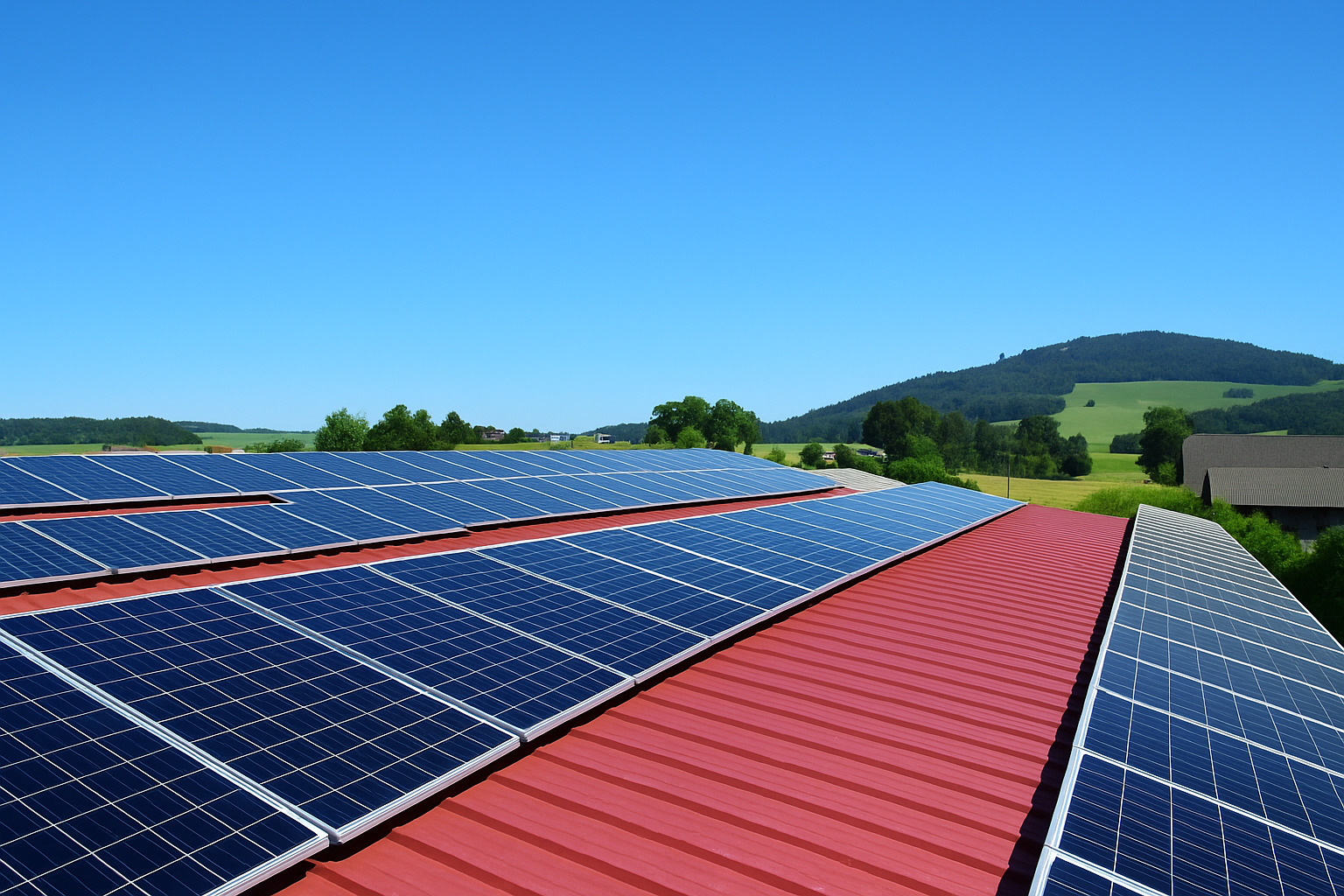
Solar Energy Leads As Main Source of Electricity in the European Union, While Coal Usage Reaches Historically Low Levels.
In recent years, the source of electricity in the European Union has undergone deep and significant changes. In fact, solar energy has reached a historic milestone by becoming the main source of electricity in the bloc.
As a result, it has surpassed traditional sources such as coal and nuclear energy. Thus, Europe demonstrates that the energy transition has ceased to be a distant promise and has become a reality.
To better understand this transformation, it is necessary to revisit the trajectory of the European energy matrix. For much of the 20th century, Europe primarily used fossil fuels, such as coal, oil, and natural gas.
-
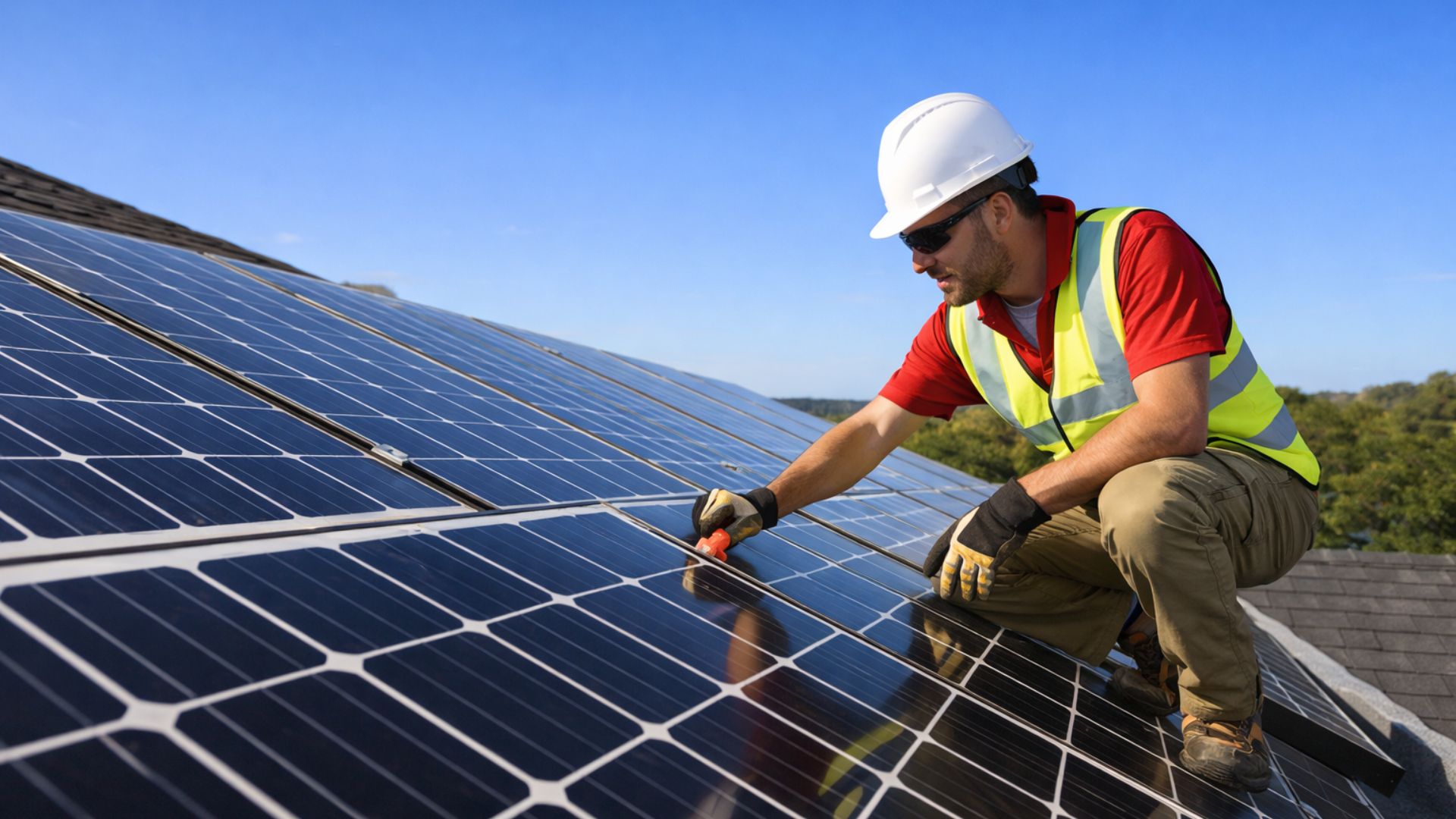
Seagri’s headquarters invests in solar energy with Neoenergia Coelba and promises to cut electricity costs, highlighting a strategic advance in sustainability and energy efficiency within state public administration.
-
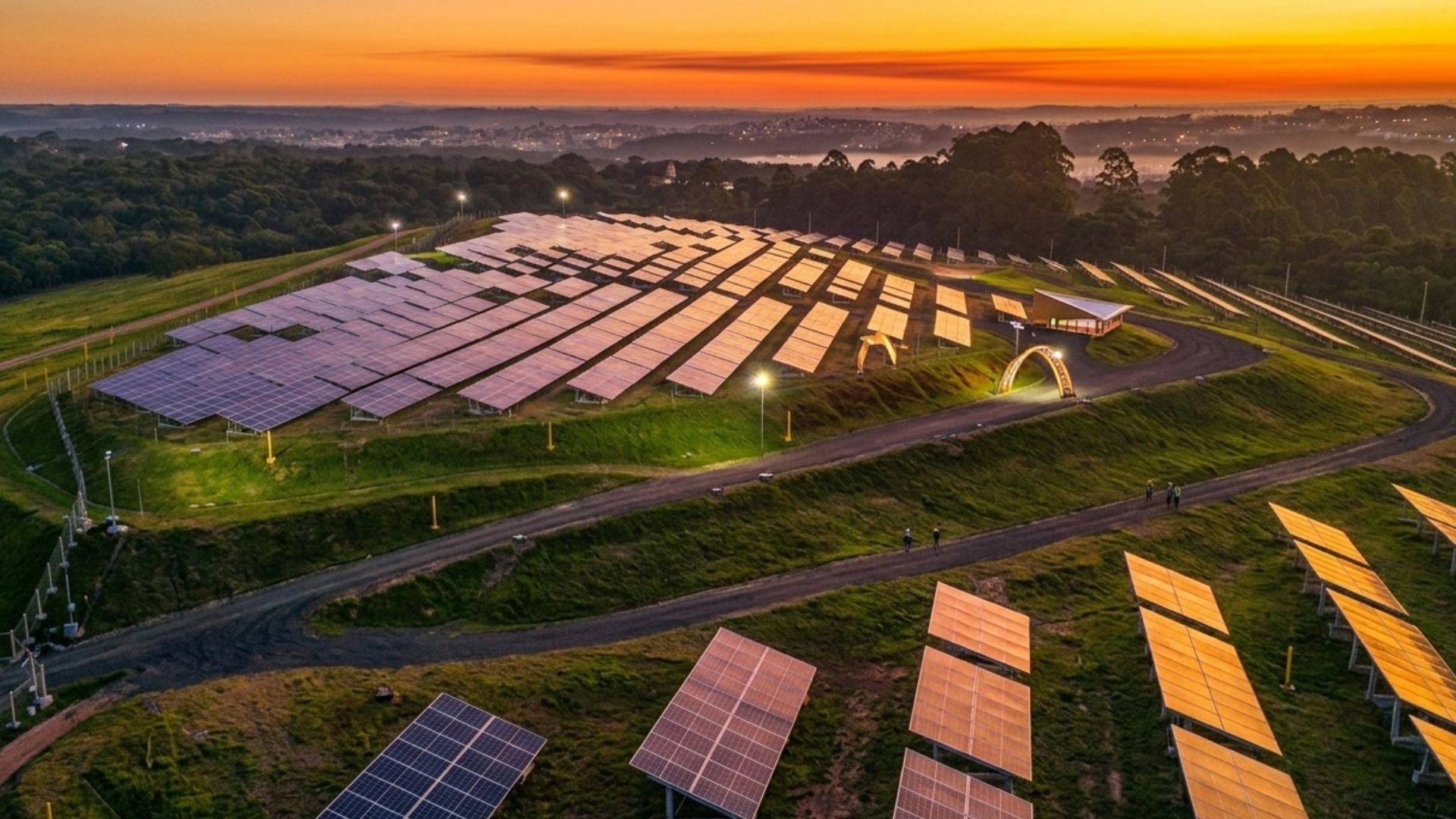
Solar Pyramid draws attention by converting solar energy into million-dollar savings and repositioning the City Hall of Curitiba as an example of innovation, sustainability, and intelligent use of public resources.
-
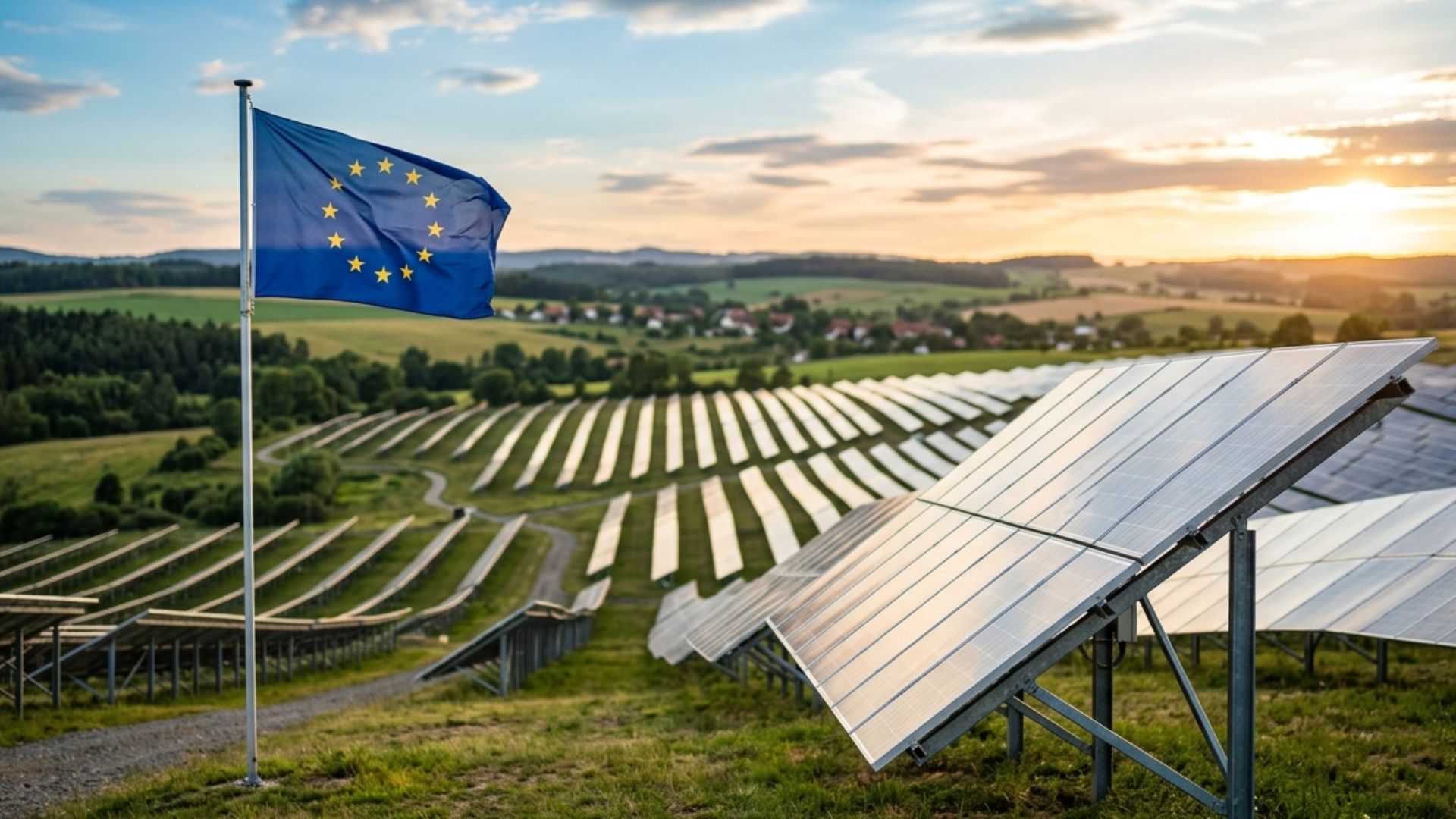
Europe records strong euro economy with solar energy in March and sparks curiosity about which country leads growth that redefines the energy market and reduces costs.
-
Piauí reaches a historic milestone in energy transition: State records nearly 160,000 households powered by solar energy and leads growth in the Northeast.

Coal, in particular, dominated for decades due to its abundance and low cost. However, over time, the environmental impacts associated with its use became unsustainable.
In this context, European countries began to invest in cleaner alternatives. That is, public policies focused on renewable energy emerged as a response to growing concerns about climate change.
Therefore, the beginning of the 21st century marked a turning point in the European Union’s energy strategy. Furthermore, international agreements such as the Kyoto Protocol and the Paris Agreement further propelled this transition.
The Rise of Renewable Energies in the European Matrix
Consequently, technologies such as solar and wind energy began to take up increasing space in the continent’s electricity production. In 2008, for example, solar energy accounted for only 1% of the renewable basket.
However, this number grew rapidly thanks to financial incentives, facilitated credit lines, and increased public awareness. In 2023, solar energy came to represent 20.5% of renewable production.
Thus, in June 2025, it became the largest source of electricity in the European Union, reaching 22.1% of total generation. Countries like the Netherlands and Greece set historic records, with levels above 35% and 40%, respectively.
In addition to favorable climatic conditions, consistent energy policies also contributed to this advancement. Moreover, the decline in equipment costs and the increase in panel efficiency accelerated large-scale adoption.
Therefore, the transformation did not occur by chance, but as a result of strategic planning and ongoing investment. On the other hand, wind energy also made significant advances.
In May and June 2025, it accounted for almost 16% of electricity in the EU, reflecting the diversification of renewable sources. Thus, the bloc is able to reduce its dependence on fossil fuels more effectively.
The Historical Decline of Coal in Electricity Production in the EU
As renewables grow, coal usage declines. In June 2025, only 6.1% of electricity in the European Union came from coal, the lowest rate ever recorded.
Compared to the 8.8% of the previous year, the decline is significant. Countries like Germany and Poland, for example, have drastically reduced their reliance on this source.
Therefore, even though Poland still maintains a high share (42.9%) of coal, its trajectory also points towards decline. Other countries, such as Czech Republic, Bulgaria, and Denmark, have followed this trend.
Simultaneously, ten countries in the European Union have completely eliminated the use of coal. Among them, Ireland stands out, having shut down its last plant in June 2025.
Spain and Slovakia plan to do the same by the end of the year. Furthermore, the reduction of coal use brings positive impacts for the environment and public health.
In other words, by cutting carbon dioxide emissions and improving air quality, these countries directly contribute to combating global warming. Thus, decarbonization consolidates as a strategic priority across Europe.
Public Support and Community Participation in the Energy Transition
At the same time, public support has played a crucial role in advancing clean energy. According to the European Commission, nearly 90% of citizens support measures to expand the use of renewable sources.
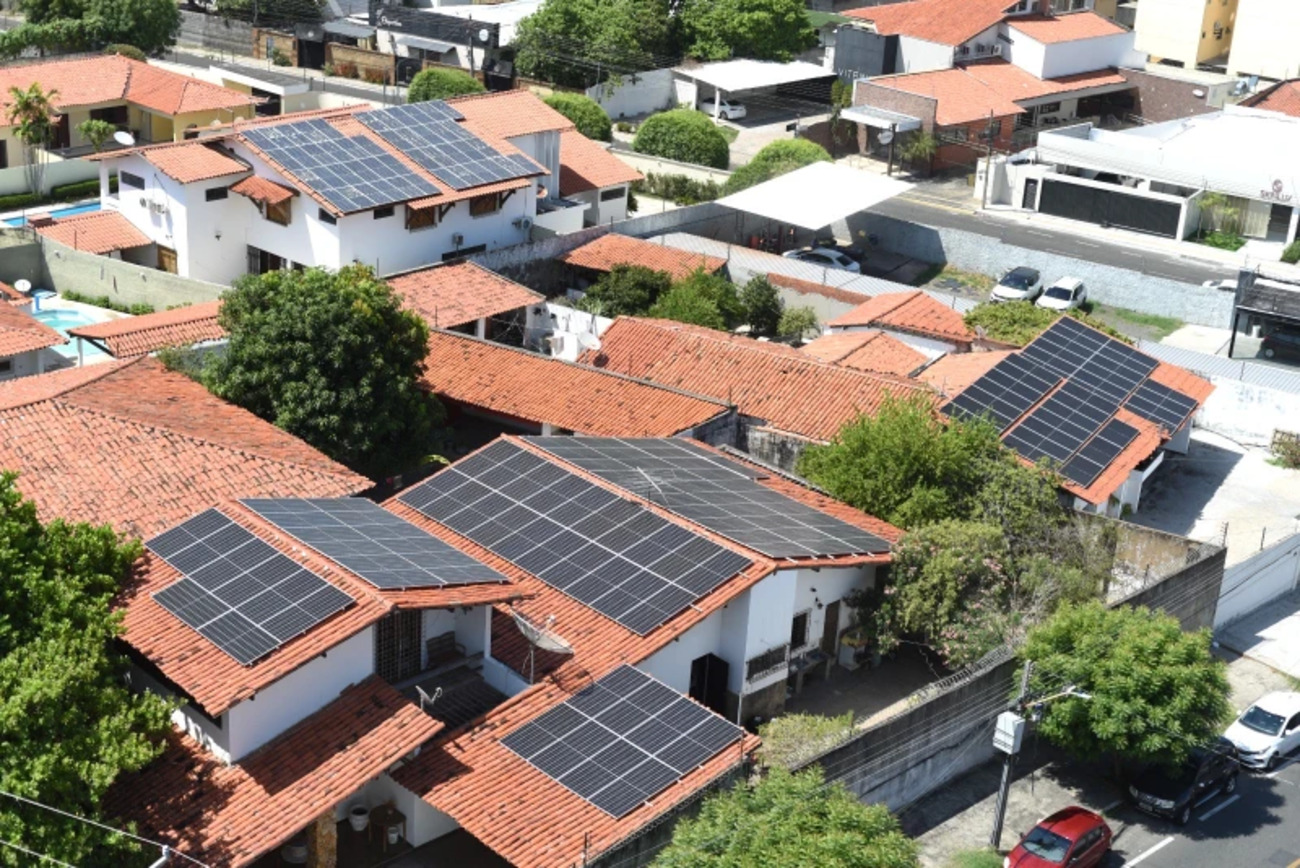
This popular acceptance reflects not only environmental awareness but also the perception of concrete benefits. For example, solar energy on rooftops has become a common choice in several countries.
Consumers have realized that by generating their own energy, they reduce bills and gain independence. Furthermore, community energy programs encourage citizen participation.
Through cooperatives, local groups share financial gains and strengthen the regional economy. Therefore, this direct involvement increases the social acceptance of projects and expands the chances of long-term success.
In this way, European citizens have become active agents of the energy transition, rather than mere observers.
Challenges and Technological Opportunities in Renewable Generation
Despite the advances, there are still challenges. On one hand, the variability of solar and wind generation requires storage solutions and smart grid management.
These difficulties create opportunities for innovation and technological expansion. Therefore, experts recommend investments in large-scale batteries, capable of storing excess energy and distributing it during periods without sun or wind.
Additionally, the development of smart electric grids can balance supply and demand more efficiently. As a result, the system becomes more stable, resilient, and accessible.
Another promising opportunity arises with the reuse of old mining areas. According to a study by Global Energy Monitor, Europe could convert more than 1.2 million hectares of coal mines into solar parks.
Thus, these degraded regions can gain new purpose, combining clean energy and environmental recovery.
The Sustainable Future of the European Electricity Matrix
Finally, the source of electricity in the European Union has changed irreversibly. Solar energy has taken on a central role and leads a broad, structural, and above all, sustainable transformation.
The new energy matrix of the bloc no longer depends solely on fossil fuels. With each advancement, Europe moves closer to a safer, more autonomous, and resilient system.
With this, the continent sends a clear message to the world: it is possible to grow, innovate, and protect the planet at the same time. In this way, the European Union positions itself as a global leader in combating the climate crisis.
In other words, the success of solar energy demonstrates that the energy future can be clean, decentralized, and democratic. If investments, public support, and innovation continue, this future will cease to be a promise — and become the norm.









Seja o primeiro a reagir!