





 Portuguese
  English
  Spanish
  6 min of reading
  0 comments


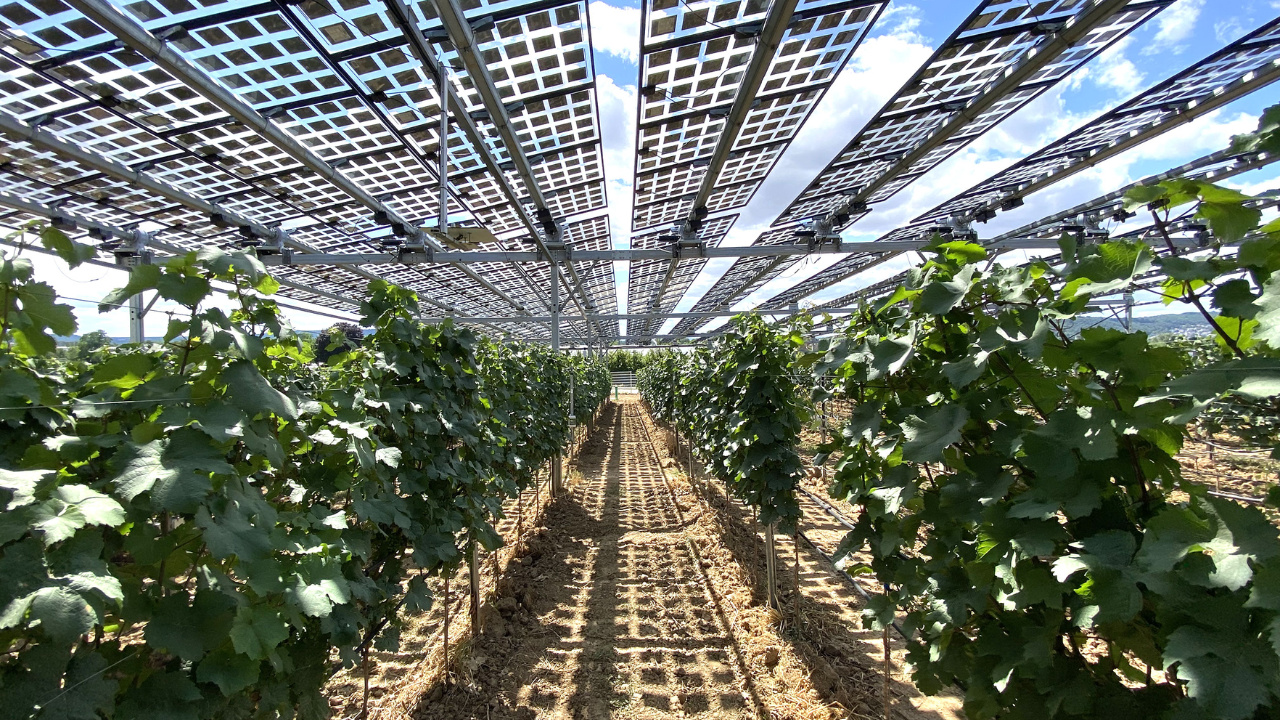
Innovative Solar Energy Projects Revolutionize Viticulture in Germany by Protecting Vineyards from Climate Change, Improving Grape Quality, and Creating a New Source of Income for Wine Producers.
Solar energy has ceased to be just an electrical alternative and has taken on a strategic role in traditional sectors of the European economy. In Germany, a country known for both energy innovation and wine production, researchers and producers are testing a technology capable of combining electricity generation and grape cultivation in the same space. This is the VitiVoltaic concept, which integrates viticulture and photovoltaic panels.
This solution becomes relevant in a context marked by extreme weather events, rising temperatures, and economic challenges in the global wine market. At the same time, it arises as a concrete response to historical problems in agricultural production, such as late frosts, sunburn, and heavy rains.
What Is VitiVoltaic and Why Has Solar Energy Changed the Perspective on Grape Cultivation
The term VitiVoltaic is derived from the combination of “vitis vinifera,” the Latin expression for vine, and the concept of photovoltaic solar energy generation.
-
Solar cells have just achieved the “impossible” with this 130% breakthrough.

-
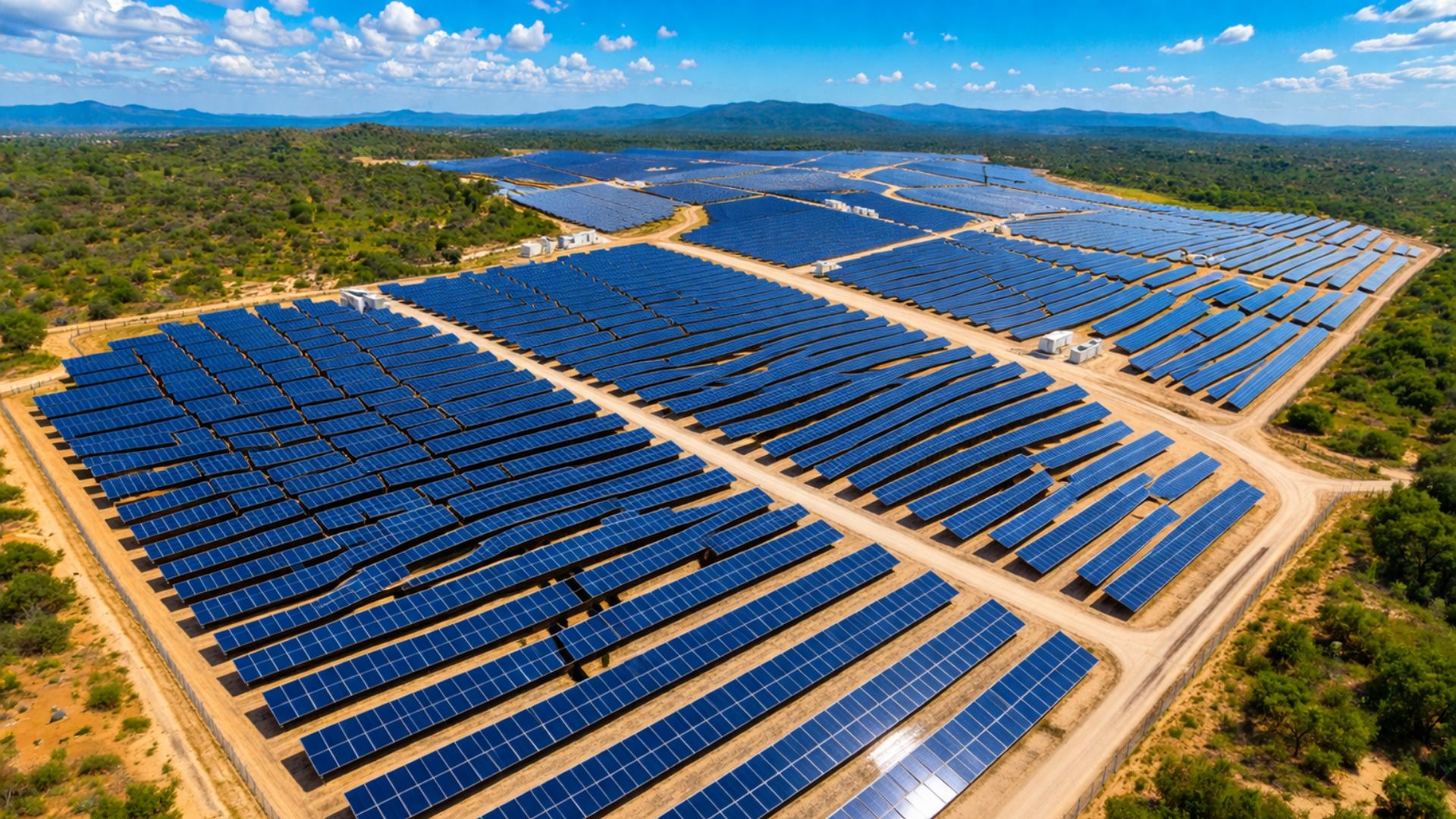
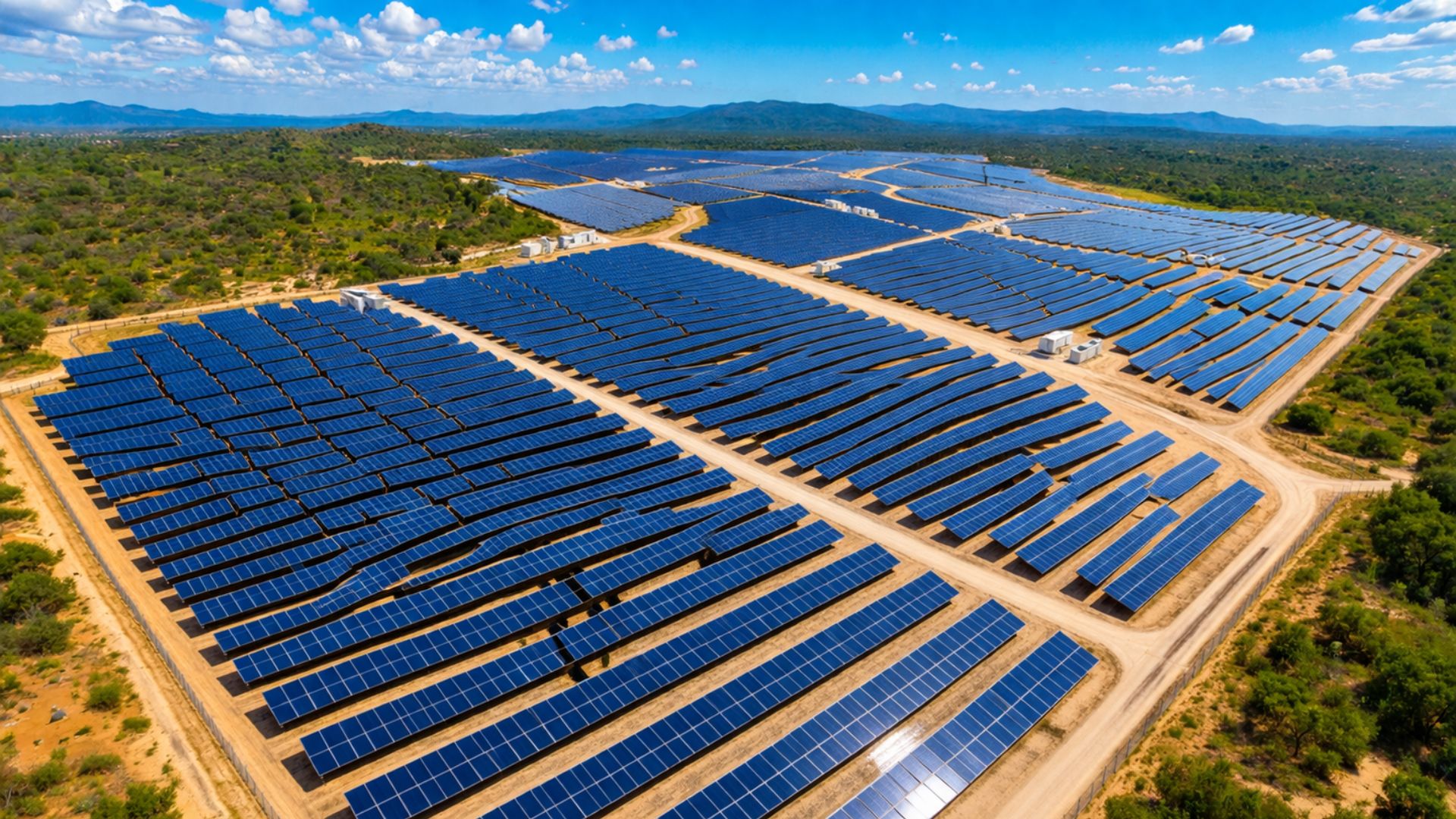
The Sol do Agreste Photovoltaic Complex begins operations in Pernambuco and accelerates the expansion of solar energy in Brazil, directly impacting the reduction of emissions and strengthening the sustainable energy matrix.
-
The Sol do Agreste Photovoltaic Complex begins operations in Pernambuco and accelerates the expansion of solar energy in Brazil, directly impacting the reduction of emissions and strengthening the sustainable energy matrix.
-
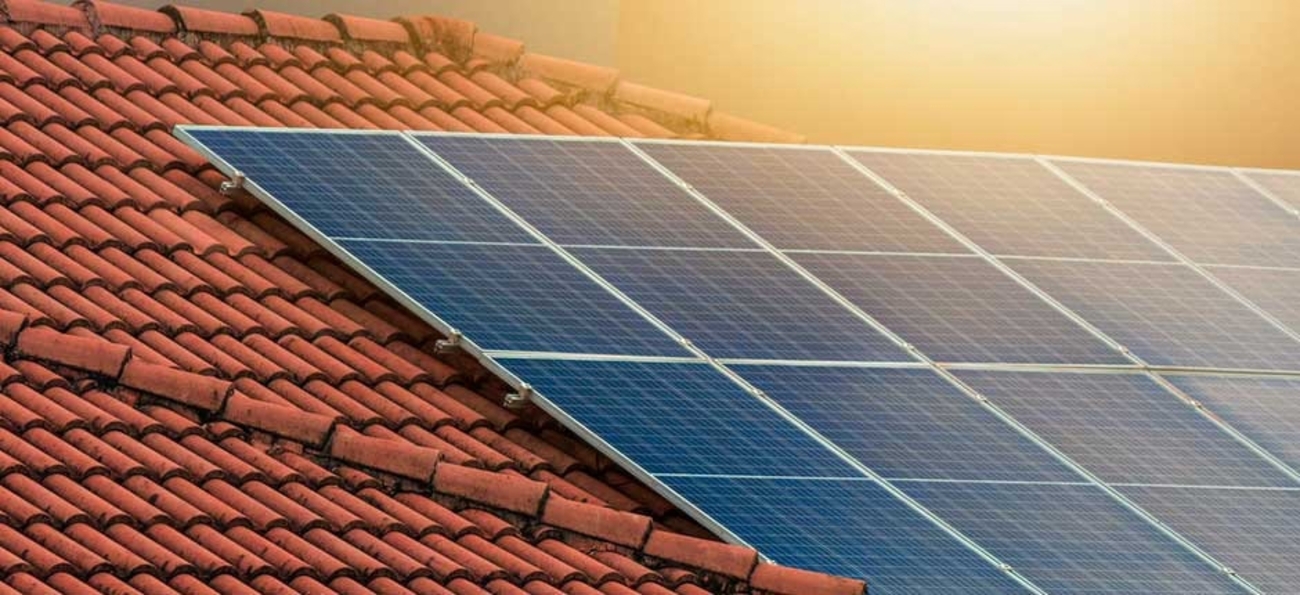
Roraima bets on the sun to escape high tariffs: Amid the energy crisis and price hikes, solar energy is growing in Roraima and transforming consumption in the North region.

In practice, the technology allows solar panels to be installed above rows of vines, on elevated structures, without hindering the plants’ growth or the movement of agricultural machinery.
These panels are semitransparent and cast a grid pattern of shadows on the ground. Moreover, they feature automatic tracking systems that adjust according to the sun’s position, maximizing light capture.
Thus, solar energy fulfills a dual function: generating renewable electricity and protecting the grapes against adverse weather conditions.
Protection of Vines Becomes a Priority in a Global Warming Scenario
Climate change has directly affected grape cultivation in Germany. Traditional varieties, such as Riesling, suffer from earlier budding, increasing vulnerability to late frosts.
Additionally, prolonged sun exposure intensifies the accumulation of sugar in the grapes, reduces acidity, and alters the wine’s profile, raising the alcohol content and changing the flavor.
According to specialists, until recently, there was no concept of “protected cultivation” for grapes. Unlike vegetables, vines are not planted in greenhouses or under plastic coverings.
Therefore, the use of solar energy combined with photovoltaic panels as passive protection represents a paradigm shift in the sector.
Wine University Tests Solar Energy in Experimental Vineyards
In the German state of Hesse, the Geisenheim University of Wine, Oenology, and Wine Economics (HGU), also known as the German Wine University, is conducting one of the country’s most advanced VitiVoltaic projects. In an experimental facility, researchers are evaluating how white Riesling reacts to cultivation under photovoltaic panels.
“In grape growing, we have not known the concept of protected cultivation until now,” emphasizes Professor Manfred Stoll, director of the Institute of General and Ecological Viticulture at HGU. This statement summarizes the innovative nature of the initiative, which combines agricultural science and solar energy in a single productive system.
Solar Panels Create Favorable Microclimate and Reduce Losses in the Field
The structure installed in Geisenheim cost about 350,000 euros, funded by the European Union and the state government of Hesse. This investment allowed the installation of sensors that monitor soil moisture, temperature, and light incidence in real-time.
The results captured the researchers’ attention. Under the solar panels, no damage from sunburn or significant impacts from heavy rains were recorded. In contrast, the reference area, without photovoltaic coverage, suffered considerable losses. This contrast reinforces the potential of solar energy as a tool for climate adaptation in viticulture.
Solar Energy Also Helps to Combat Late Frosts in Vineyards
One of the most sensitive issues for German viticulturists is late frost. In 2024, for example, temperatures fell slightly below zero for three consecutive nights at the end of April when the vine shoots were already about 10 centimeters long.
In the experimental facility, heating wires laid out along the rows kicked into action. The electricity used came from renewable sources stored by the photovoltaic system itself. As a result, the shoots were protected, and there were no significant losses.
Traditionally, many producers resort to burning candles to combat late frost. Although effective, this practice requires a lot of manual labor and generates significant smoke emissions, with negative environmental impacts. In this scenario, solar energy emerges as a cleaner and more sustainable alternative.
Wineries Gain Energy Autonomy with Integrated Solar Energy
Another differential of the project lies in the use of generated electricity. HGU itself utilizes solar energy to control the experimental installation, charge agricultural vehicles, electric cars, and bicycles, and power pumps and an autonomous robot.
This robot performs essential tasks in the vineyard, such as vegetation cutting, soil management, work under the vines, and application of agricultural inputs. “A winery needs energy all year round for production, storage, and logistics,” details Professor Stoll, emphasizing the importance of energy self-sufficiency.
Second Source of Income Emerges, but Investments Still Concern the Sector
Despite the great interest in VitiVoltaic, the wine sector faces economic challenges. Changes in consumption habits, tariffs, oversupply in the global market, and poor harvests in key regions affect the profitability of wineries.
In this context, solar energy generation could become a second source of income for producers. Nevertheless, the lack of capital for initial investments limits large-scale adoption, especially among small vintners.
Mobile Structures and Photovoltaic Films Expand Possibilities
To overcome high costs, HGU is also testing a smaller and mobile structure, based on photovoltaic films. This system functions as a canopy attached to the existing posts in the vineyard. In the event of a storm or risk of hail, the film can be quickly retracted with the help of a small motor.
The setup is cheaper but offers less protection and lower solar energy generation capacity. Nevertheless, it represents an interesting alternative for producers seeking intermediate solutions.
“We definitely cannot wait any longer,” emphasizes Stoll, commenting on the urgency of adapting viticulture to climate change.
Solar Energy Faces Challenges in Slope Vineyards
Meanwhile, in Baden-Württemberg, another project is attracting attention. Engineer and amateur viticulturist Christoph Vollmer uses photovoltaic panels in a small vineyard located in Oberkirch, on a slope with more than 30% incline. The terrain, partially terraced, makes it difficult to use traditional agricultural machinery.
Vollmer is the CEO of Intech Clean Energy GmbH, a family business specializing in Agrivoltaics. The company has developed a specific structure for sloped land, where part of the glass modules is suspended by steel cables.
Wine Production and Solar Energy Advance Side by Side in Oberkirch
The solution will initially be implemented in Vollmer’s own vineyard. The goal is to plant two hectares under solar modules, utilizing new grape varieties that are more resistant to fungi, and generate about 1.5 megawatt-hours per year.
For the commercialization of solar energy, he is negotiating a contract with the municipal energy company of Oberkirch. Additionally, the electricity should power an autonomous machine, reducing the physical effort required in managing the slopes.
Abandoned Vineyards Concern Producers and Researchers
With global warming, flat areas have also begun to be used for grape cultivation. As a result, steep slopes have lost economic attractiveness. “Many vineyards have already been abandoned because no one wants to cultivate them anymore,” says Vollmer.
Concerns increase regarding the possible impact of minimum wage on the profitability of seasonal labor. If costs continue to rise, the number of abandoned vineyards may grow. Nevertheless, these areas are part of the German cultural landscape, attract tourists, and play a significant role in biodiversity preservation.
Bureaucracy and Grid Connection Limit the Advancement of Solar Energy in Vineyards
Despite the potential, structural challenges continue to hinder the expansion of VitiVoltaic. “With VitiVoltaic, we offer farmers the opportunity to reduce manual labor, harvest healthier grapes, and achieve profitability. Electricity always has value, especially when the panels are coupled to a storage system,” emphasizes Vollmer.
According to him, inquiries from interested producers are frequent. However, the lack of grid connection often dampens enthusiasm. The length of the necessary lines, the possibility of self-consumption or direct sale of energy, and the bureaucracy for licensing weigh heavily on economic viability.
German legislation requires construction authorization for photovoltaic installations that alter land use, except for those close to the property’s main building. “This limits the market significantly,” the engineer assesses.






Seja o primeiro a reagir!