





 Portuguese
  English
  Spanish
  2 min of reading



Oil And Gas Sector Invests In Research And Development Of Alternatives That Can Make Production More Sustainable.
Reducing environmental impacts, production costs, and promoting better resource utilization has become a predominant premise in the oil and gas industry, especially due to its energy generation through fossil fuels. After all, given that they are limited in nature, their use and management require extra caution to ensure the duration and sustainability of the business.
In this sense, research and innovations in energy efficiency have intensified. In summary, this effort consists of preserving production quality while reducing waste and conserving energy. Through optimization, it is expected to minimize environmental damage and overall costs, improve energy security systems, and promote healthy competitiveness in the market.
Clean Energy Generation In The Oil And Gas Sector
Focusing on the preservation and conscious use of natural resources, technologies for clean energy such as those derived from biofuels, solar, and wind have begun to become accessible and gain traction among consumers. However, there is also an effort in the oil and gas sector to expand modern techniques driven by ecological considerations.
-
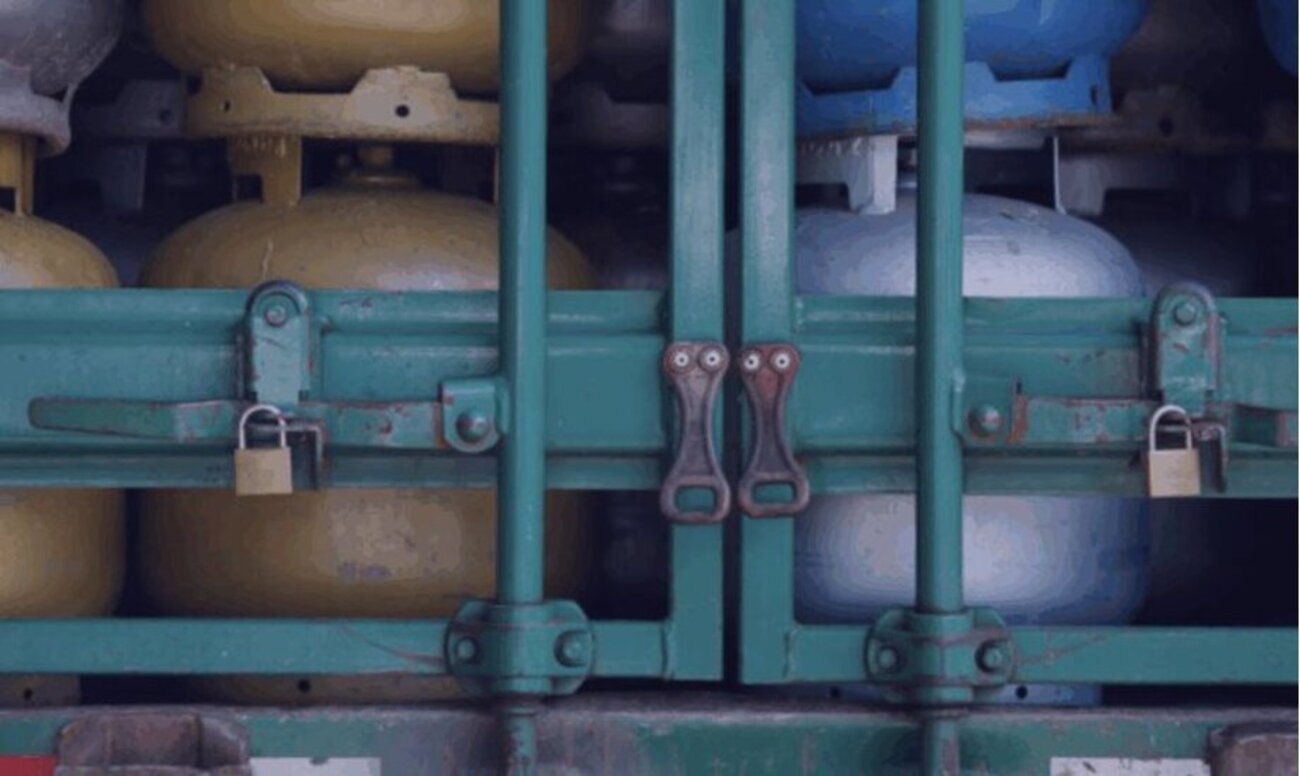
Petrobras evaluates suspension of sales to distributors and considers canceling the cooking gas auction following guidelines from the Federal Government.
-
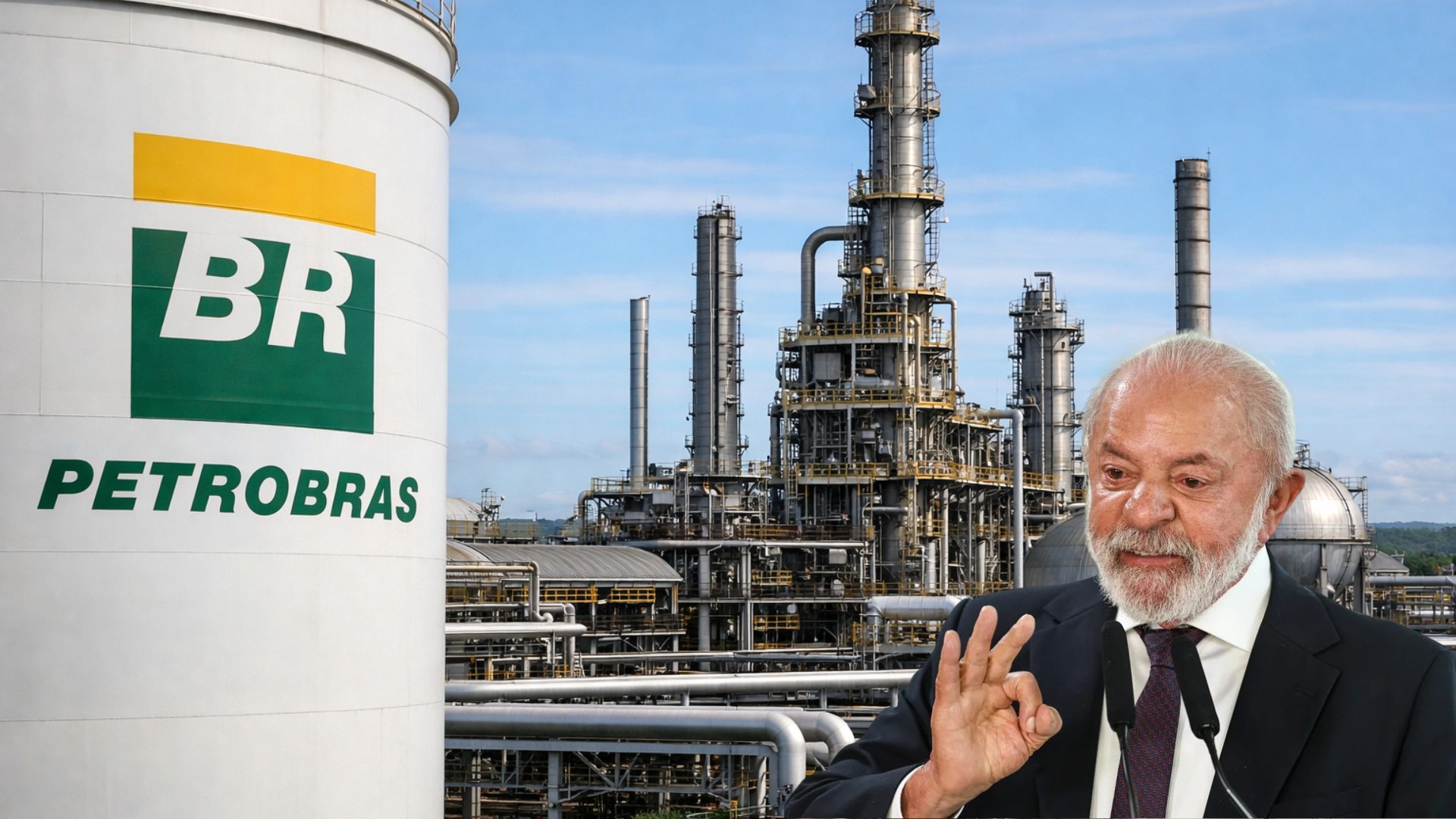
Lula reveals a masterstroke by Petrobras to undo a deal made by Bolsonaro, which involves the return of an important refinery that currently produces less than half of what was expected and makes Brazil dependent on international diesel.
-
A study confirms that the natural gas sector will reduce greenhouse gas emissions in Brazil by 0.5% and accelerate the energy transition by 2026.

-
Petrobras implements a severe adjustment and confirms a 55% increase in the price of aviation kerosene with a proposal for installment payments for the companies.


In Brazil, government initiatives are attempting to stimulate the updating of industries, which are responsible for approximately 40% of the country’s energy demand, according to the Energy Research Company (EPE).
Some actions are incorporated by the National Program for the Rationalization of the Use of Petroleum and Natural Gas Derivatives (Conpet) and the Energy Efficiency Program (PEE). Such a movement is important because one of the steps toward this improvement is the modernization of equipment.
Search For Efficient Production
Technological advancements are the key to understanding the potential and, indeed, the profitability of the practical implementation of processes related to energy efficiency. After all, this means investing in the renewal of infrastructure mediated by smart technologies, such as automation, control, and management systems, which enable the enhancement of the production chain, as well as cost savings.
Conversely, the oil and gas exploration sector still experiences underinvestment. At least, this is what the Wood Mackenzie report indicates, which forecasts a slowdown in global demand starting in 2024.
The scenario appears to be reversible through specialized consulting so that industrial production continues to deliver its services, albeit with lower costs and better utilization.
Indeed, professional analysis indicates what adaptations and interventions are necessary according to the particularities of each industry. That is, it guides the use of grinding tools for controlled wear of damaged parts, which are suitable for reuse, up to more significant substitutions, such as acquiring automation software with data storage capabilities.










Seja o primeiro a reagir!