Portuguese
  Spanish


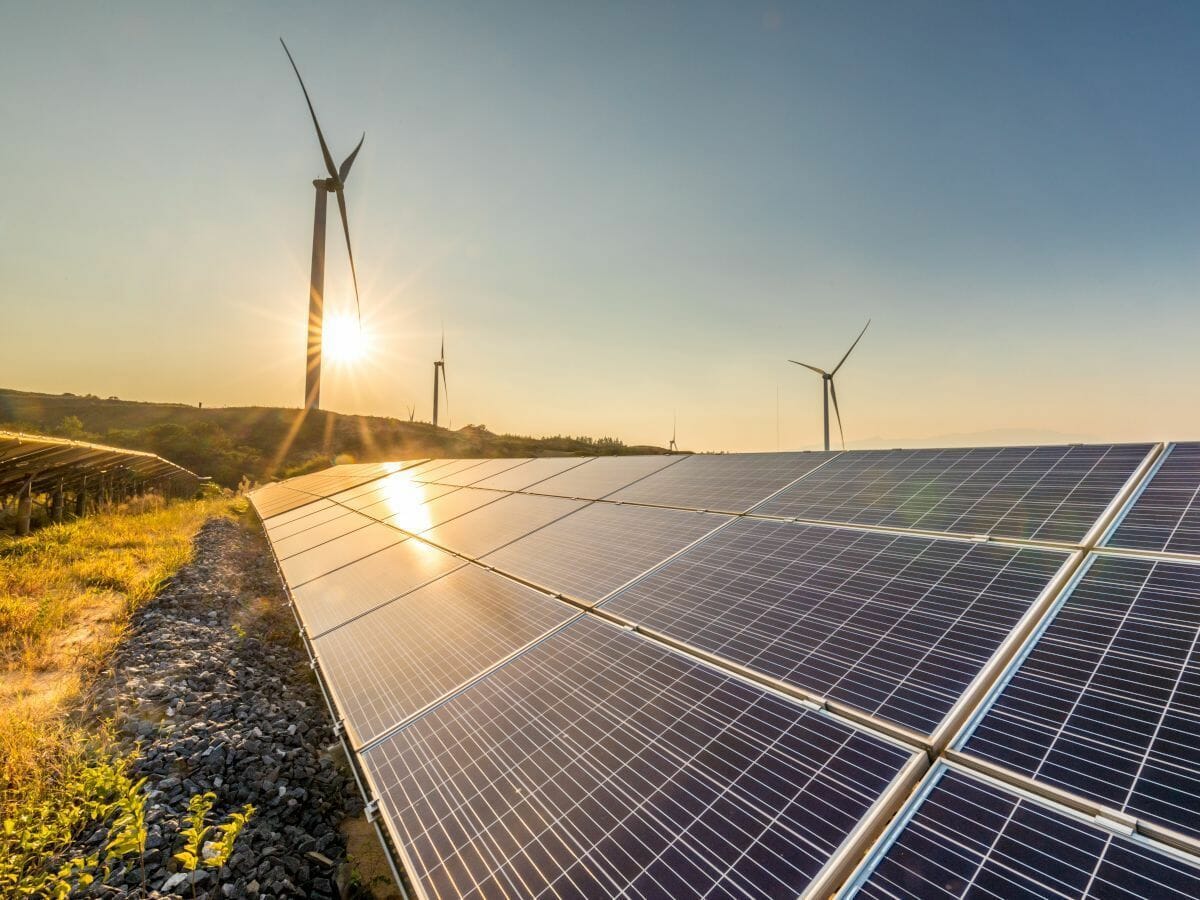

European Oil Companies Are Eyeing Opportunities in the Brazilian Energy Market in Recent Years. Companies from Various Countries Are Preparing to Enter the Renewable Sector in National Territory.
The theme of sustainability and environmental commitment was quite heated last Tuesday, (08/08). Companies from all over the world are preparing for net zero commitments in the oil and natural gas market. In this scenario, Brazil is becoming a highlight in the field of renewable energies, as European oil companies are moving to develop their clean energy projects in national territory.
European Oil Companies Prepare for the Future of the Renewable Energy Market in Brazil
In recent years, a silent revolution has been developing in the Brazilian energy sector, driven by oil companies that are now seeking opportunities in the promising renewable energy market.
The transition to cleaner and more sustainable sources is a response to the increasing demand for environmental responsibility and changes in energy consumption trends.
-
Fired during apartheid and with a little borrowed money, an electrician started with a borrowed truck and transformed electrical services into a group connected to energy, real estate, and infrastructure in South Africa.

-
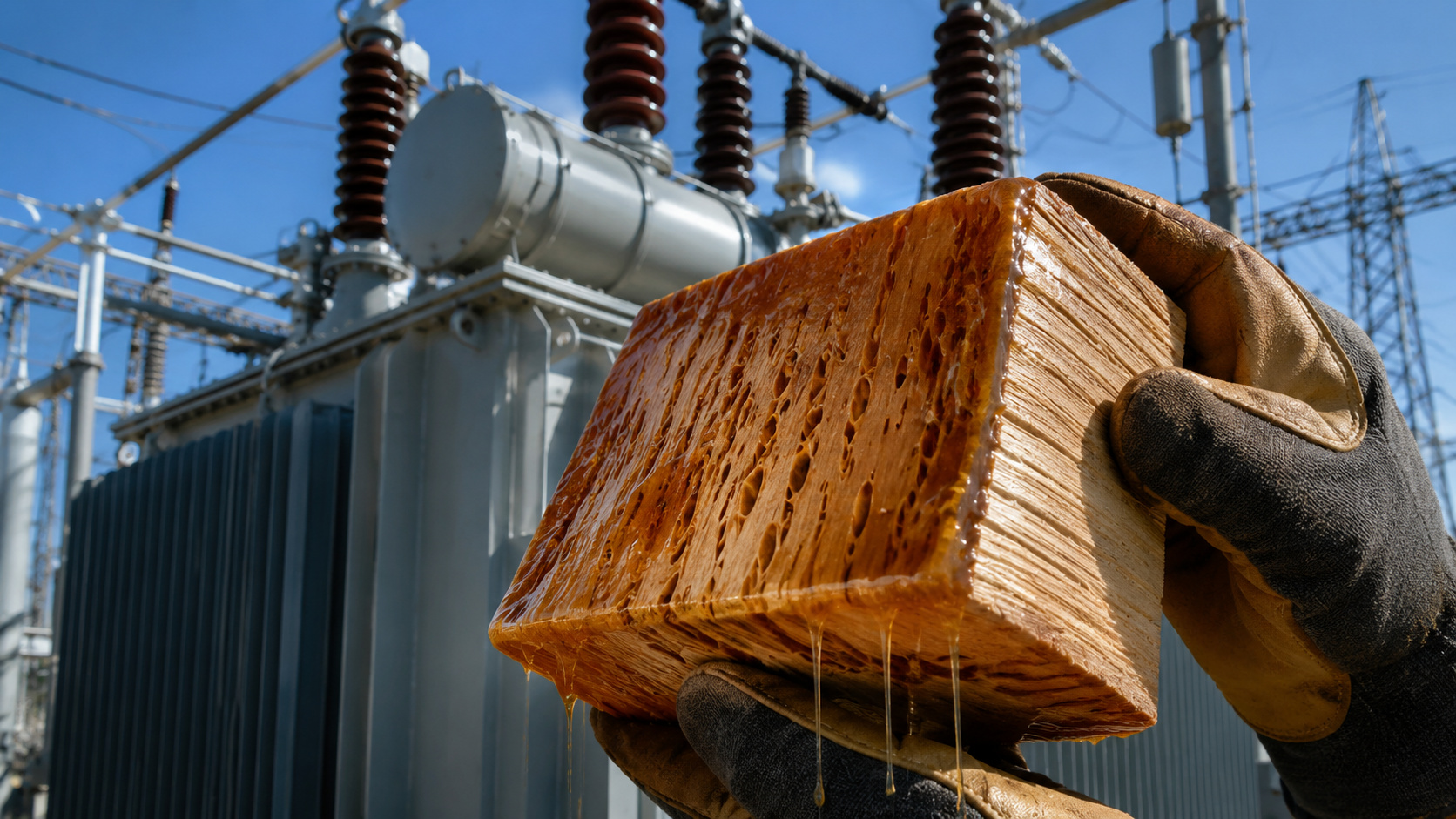
Wood has ceased to be just a construction material in Yale research and has become insulation for electrical transformers that face intense heat, aging, and increasing pressure from the renewable energy-powered grid.
-
More than 1,000 residents of a remote island in Kiribati now have clean water and electricity with solar systems operated by the community itself.
-
Ceará brings together 7 giants and R$ 66 billion to transform Pecém into the largest green hydrogen hub in Brazil, with final decisions expected by the end of 2026.




Thus, several European oil companies are under pressure from investors and stakeholders to adopt sustainable measures that address environmental, social, and governance (ESG) issues.
In response to this demand, many companies are diversifying their operations, abandoning their historical dependence on fossil fuels and entering the renewable energy sector, including in the national market.
The rise of renewable energies is not only a response to external pressures but also a long-term strategy for European oil companies.
With the expectation of a decline in oil consumption due to changes in mobility patterns and the emergence of more efficient technologies, these companies are seeking to ensure their future relevance.
The oil companies are exploring a broad spectrum of renewable energies in Brazil. Solar energy projects are on the rise, taking advantage of the country’s intense solar radiation.
Additionally, wind energy, both onshore and offshore, is gaining prominence, harnessing the steady winds along the Brazilian coasts. Meanwhile, investment in biofuels aims to leverage Brazil’s vast agricultural production.
A great example of a national company that is also adopting these principles is Petrobras.
The company, which was previously focused on oil and gas exploration, is taking a transformative approach.
After criticism about its emissions record and environmental impacts, the company is revisiting its strategy and approaching European oil companies to boost its entry into the renewable market.
Thus, it positions itself as a benchmark for European companies that wish to enter the renewable energy market.
Renewable Energy Sector Finds Strategic Partnerships with European Oil Companies
As oil companies embark on the journey of diversification towards renewable energies, many choose to forge strategic partnerships to enhance their initiatives in this new field.
Recognizing the need to leverage specialized knowledge and technical resources, these companies are joining forces with experienced organizations in the clean energy sector.
The trajectory of bp serves as an example of how strategic partnerships are shaping the diversification plans of oil companies.
Through a joint venture with Bunge, bp entered the ethanol market, capitalizing on its partner’s expertise in agribusiness and bioenergy.
Additionally, collaboration with Lightsource has opened doors for joint investments in solar energy, allowing bp to accelerate its presence in the sector.
TotalEnergies has also recognized the value of strategic partnerships, establishing an alliance with Casa dos Ventos, a renowned wind energy company.
Thus, several companies see the clean energy market as a promising future not only as individual organizations but also as potential partners in promising projects.