





 Portuguese
  English
  Spanish
  5 min of reading
  0 comments



Discover How Engineering and Infrastructure Shape Our Daily Lives, Drive Progress, and Transform Cities Throughout History with Innovative and Lasting Solutions.
Since the earliest civilizations, humanity has understood that progress depends on the ability to plan, construct, and connect.
For example, the Romans built aqueducts, the Egyptians raised pyramids, the Persian Empire constructed roads, and centuries later, railways traversed continents.
Therefore, behind these historical works, engineering has always been present, accompanied by its inseparable partner: infrastructure.
-
Israel, Greece, and Cyprus signed an agreement in 2020 to transport gas from the Mediterranean to Europe via a 1,872 km pipeline, but Turkey claimed sovereignty over part of the maritime route, and the project never materialized.

-
Abandoned house for 15 years disappears in the woods, shocks owner with unrecognizable scenery and is reborn in an intense transformation after almost 90 hours of work in just 10 days.

-
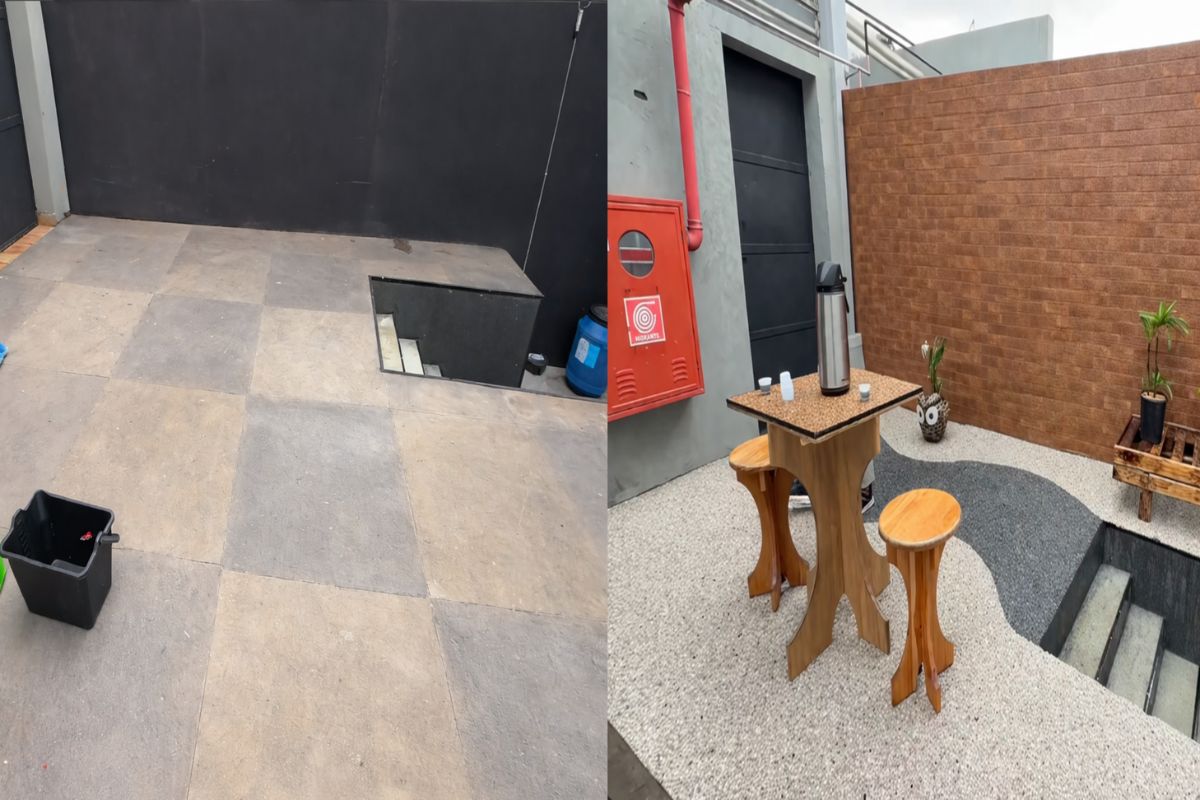
In just three hours, a natural stone floor transforms the entrance of the house with an organic effect, immediate drainage, and a sophisticated non-slip finish that doesn’t puddle water, dries quickly, and impresses with the final result.
-
‘Interlocking brick’ made of earth arrives in the construction industry with cost reductions of up to 40% on the project.


According to the British Museum, the pyramids built around 2600 B.C. in Egypt demonstrate an advanced knowledge of engineering for that time, based on empirical methods of calculation and material strength.
Engineering and infrastructure go hand in hand in building the modern world.
While engineering applies technical knowledge to design, plan, and execute solutions, infrastructure encompasses the set of physical and organizational structures that support the functioning of society.
Together, they form the foundations for economic, social, and urban development.
Moreover, these fields not only promote the growth of cities but also connect regions, strengthen economies, and improve quality of life.
The integration of communities, the efficient transportation of goods and services, as well as the provision of basic resources like water and energy, directly depends on the planning and maintenance of engineering and infrastructure.
The Historical Roots of Engineering and Infrastructure
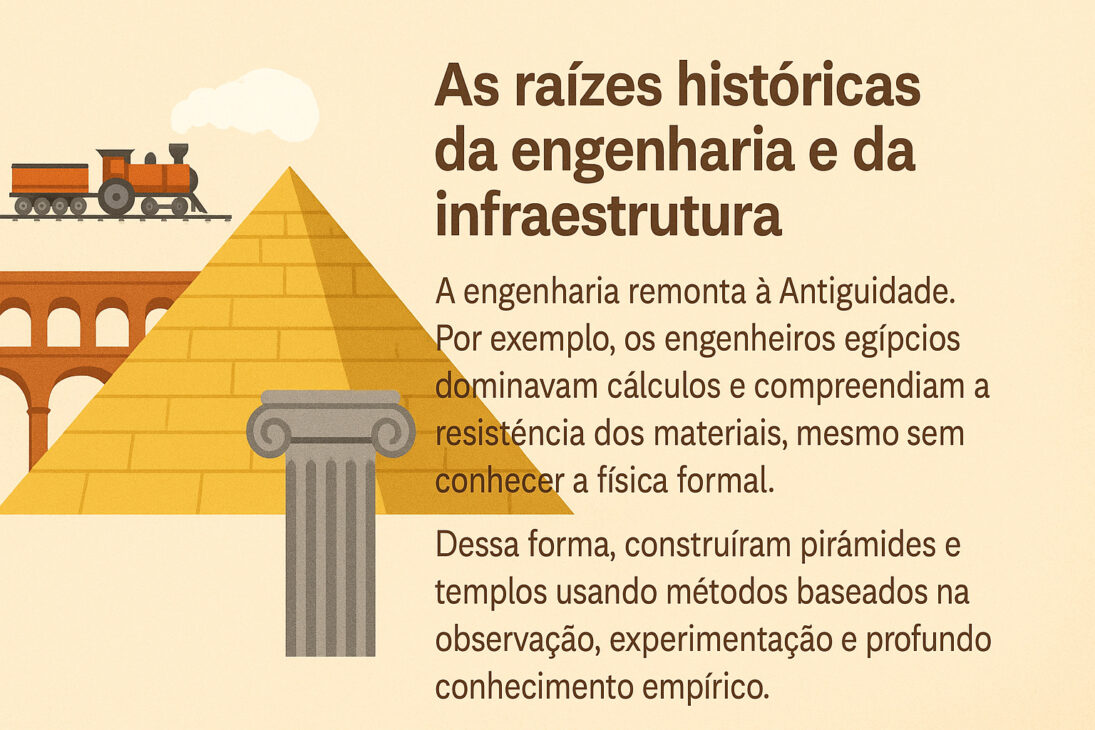
Engineering dates back to antiquity. For example, Egyptian engineers mastered calculations and understood the strength of materials, even without knowing formal physics.
In this way, they constructed pyramids and temples using methods based on observation, experimentation, and deep empirical knowledge.
The Encyclopaedia Britannica highlights that the Industrial Revolution, which began around 1760, marked a turning point for engineering, with the emergence of machines and mass production techniques that drove urban growth and the need for a more complex infrastructure.
As a consequence, this period accelerated the creation of railway networks, sanitation systems, power plants, and later highways, airports, and ports, establishing the foundations of modern infrastructure.
Additionally, the World Health Organization (WHO) points out that the development of water supply and sanitation systems starting in the 19th century had a direct impact on the reduction of diseases and the increase in global life expectancy.
In the 20th century, rapid urban growth led to more ambitious projects, such as skyscrapers, cable-stayed bridges, and underwater tunnels.
These works required more durable materials and integrated urban planning, with stringent technical standards.
The Brazilian Institute of Engineering (IBENG) emphasizes that the formalization of these technical standards intensified since the 1950s, consolidating standards of safety and durability.
The Importance of Engineering and Infrastructure in Daily Life
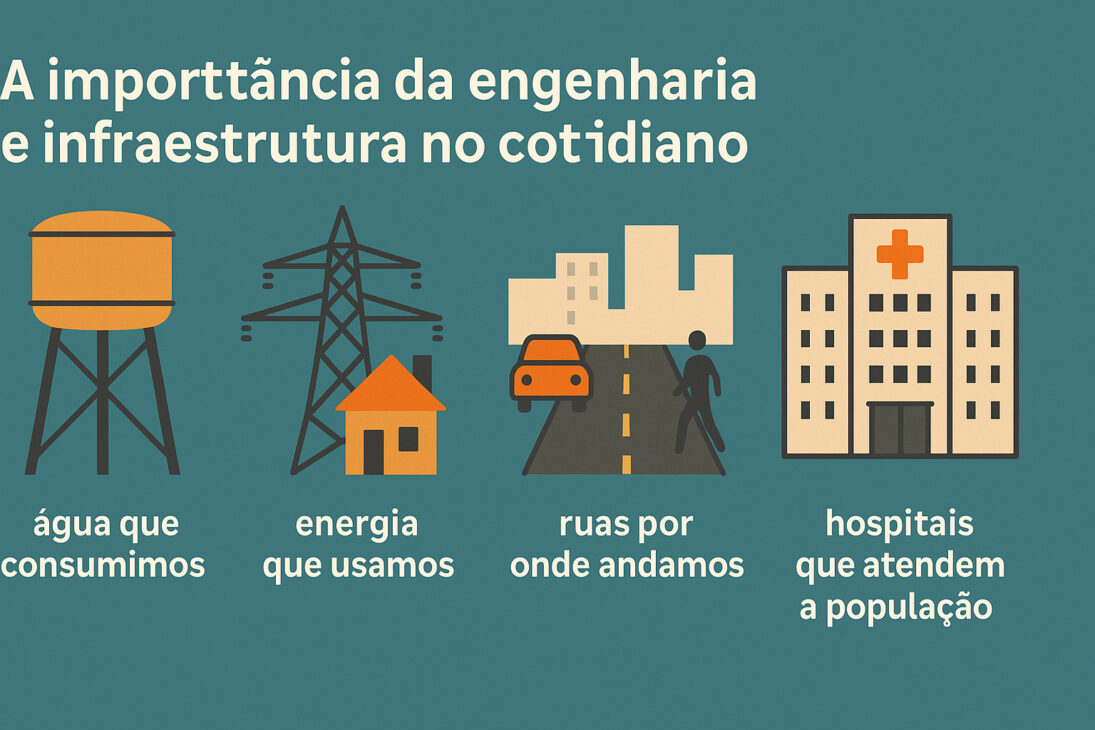
Engineering and infrastructure are not limited to large constructions.
They are part of our daily lives: in the water we consume, the energy we use, the streets we walk, the hospitals that serve the population, and the buildings where we live and work.
Cities operate efficiently thanks to planned infrastructure and correctly applied engineering.
When this foundation fails, everyone feels the impact: floods caused by a lack of drainage, traffic jams due to deficient road planning, power supply failures, or bridge collapses are clear examples.
According to the National Water Agency (ANA), in its 2022 report, the increase in urban flooding is directly related to the lack of investments in adequate infrastructure and efficient drainage in Brazilian cities.
Moreover, adequate infrastructure drives economic development.
Companies depend on efficient transportation to distribute products, while citizens need to access public services such as health, education, and security.
Therefore, investing in engineering and infrastructure means investing in prosperity and quality of life.
Civil, electrical, sanitary engineers, and other specializations work together to ensure the functioning of cities and rural areas.
They create quick and efficient solutions, especially in times of crisis, such as natural disasters and pandemics.
The Technological Evolution in Infrastructure Construction
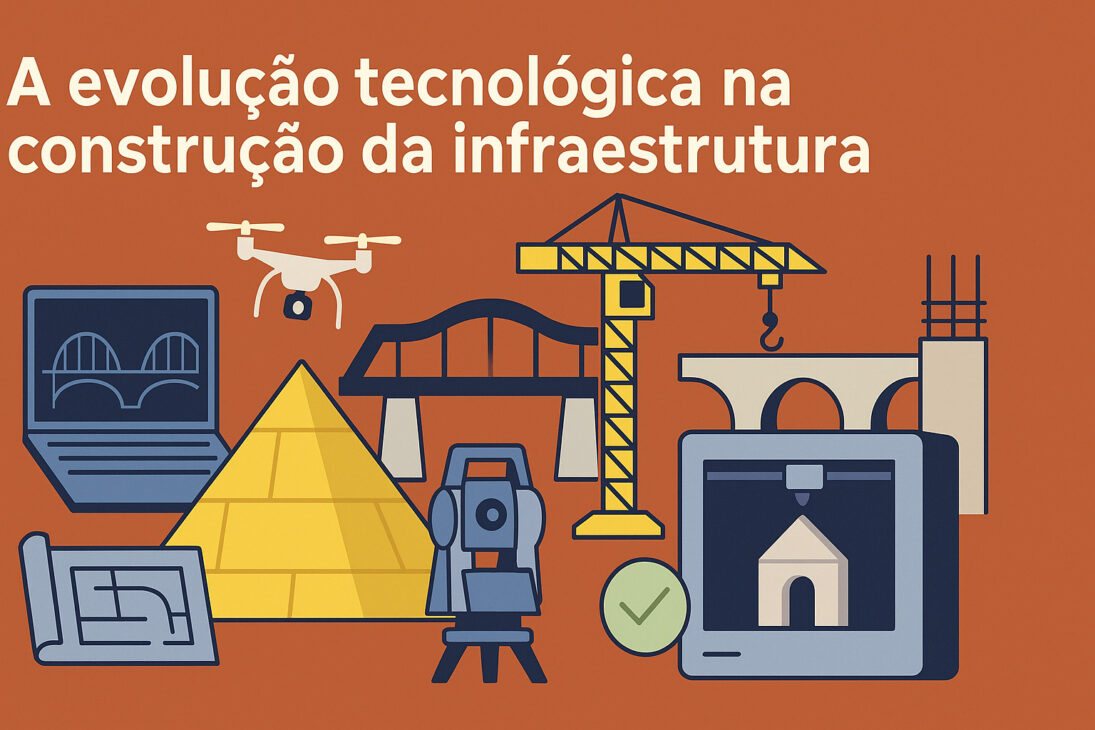
Previously, constructing bridges took decades; today, technology allows for erecting complex structures in less time and with greater safety.
Modern engineering uses modeling software, smart sensors, drones, 3D printers, and advanced materials.
According to BuildingSMART, the organization responsible for promoting BIM (Building Information Modeling), this technology began to be commercially adopted in the early 2000s and revolutionized project and construction management, allowing errors to be detected before construction and reducing waste.
Smart cities combine information technology, engineering, and infrastructure to create more efficient urban environments, with smart traffic lights, integrated underground networks, automated public transport, and renewable energy systems.
Sustainable engineering is gaining ground, with projects that respect the environment, utilize recyclable materials, and consume less energy, aligning development with environmental responsibility.
Furthermore, technological innovation allows for the preventive monitoring and maintenance of infrastructures through connected sensors and real-time data analysis, reducing costs and increasing safety, preventing accidents, and optimizing resources.
Current and Future Challenges
Despite advances, engineering and infrastructure face significant challenges, especially in developing countries.
Unchecked urbanization, lack of public investment, poor planning, and bureaucracy hinder progress.
According to the World Bank, more than 55% of the global population has lived in urban areas since 2018, increasing pressure on existing infrastructure.
Additionally, climate change requires structures to withstand extreme events such as flooding, prolonged droughts, and landslides.
Thus, infrastructures need to be resilient, adaptable, and durable to ensure safety and quality of life for future generations.
Outdated infrastructure is concerning, as many bridges, roads, sanitation networks, and buildings constructed in the last century operate beyond capacity and urgently need maintenance.
Without swift action, the risk of collapses increases, causing significant losses. The International Association of Urban Infrastructure warns of the urgent need for renewal in many countries.
It is also essential to ensure social inclusion and universal access to basic services, as many rural areas and marginalized communities still lack adequate infrastructure, compromising their development.
On the other hand, opportunities are growing with digitization, artificial intelligence, and the Internet of Things, which promise to transform the way we design, monitor, and maintain projects.
Therefore, the engineering of the future will be even more precise, connected, and automated.
Why Understanding Engineering and Infrastructure Matters
Understanding the role of engineering and infrastructure goes beyond knowing how to build a bridge. It is about understanding how society organizes, grows, and sustains itself.
Therefore, recognizing the invisible work that keeps cities functioning, businesses operating, and people connected is essential.
Valuing these fields contributes to more qualified debates about the future of cities and the planet.
After all, economic growth, social inclusion, and quality of life depend on investments in quality engineering and infrastructure.
These disciplines symbolize human commitment to intelligent, sustainable, and accessible progress.
Thus, knowing this universe is the first step to participating in building a better future for all.











Seja o primeiro a reagir!