





 English
  Francês
  Alemão
  Italiano
  Japonês
  Norueguês
  Portuguese
  Spanish
 3 min of reading


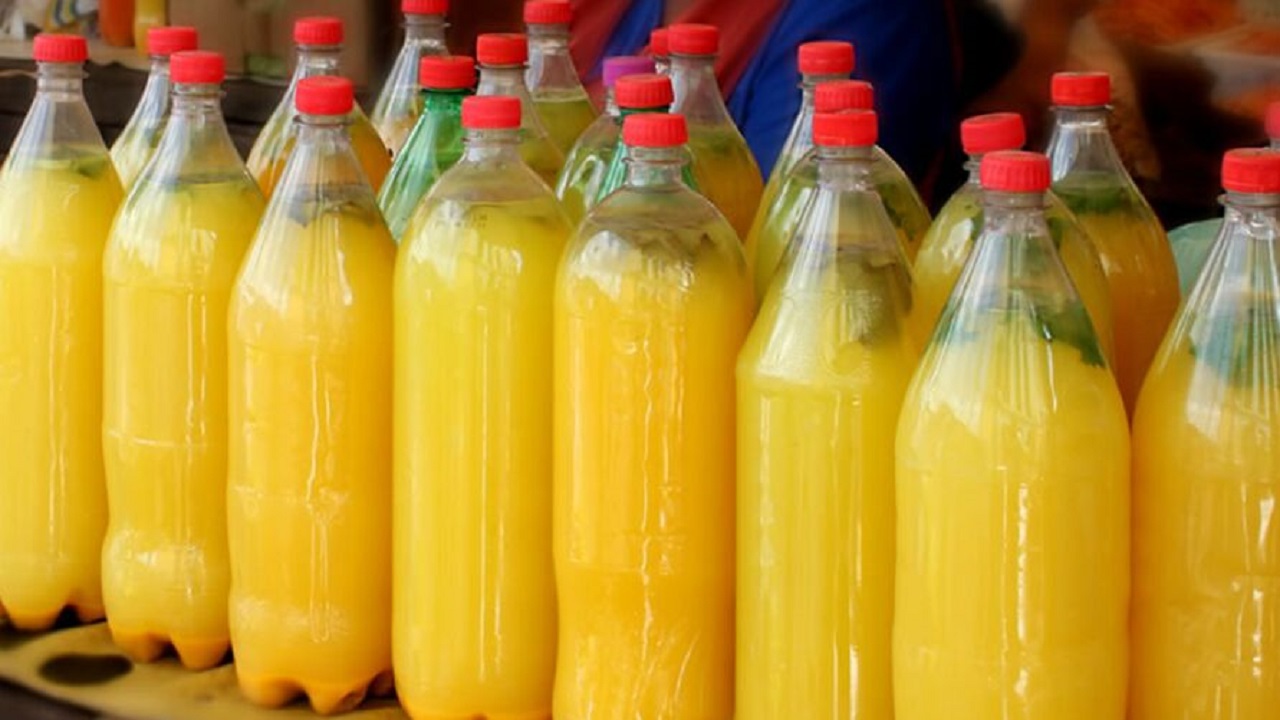
A Brazilian Engineer Developed Fuel Using Only Tucupi and Solar Energy in the City of Breves, Located in Pará, Check Out the Project Details Below.
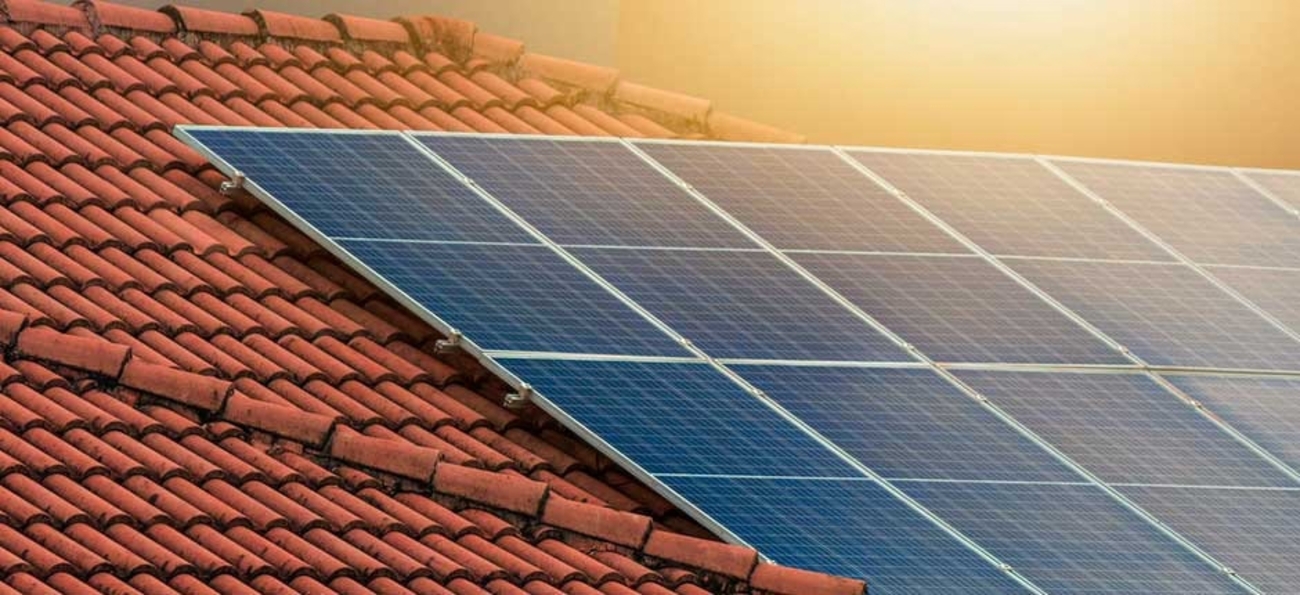
The mechanical engineer, Alípio Fernando, has been working since last year, specifically in February 2021, on an innovative research project in the Marajó archipelago, which involves generating fuel using solar energy and tucupi. The engineer claims to operate in the interior of Breves municipality, in the state of Pará, in a forest area, and as there is no electricity available, solar panels are used to recharge batteries to perform daily tasks.
Understand How Fuel Production From Tucupi Will Work
According to Alípio Fernando, the tucupi and solar energy project in Pará is in the development phase of an electric motor, and there will be the possibility of installing this motor inside a small rabeta, where the batteries will be used as the energy source for the motor.
The project is basically set up and is part of the Eco-Fazenda Escola Patú Anú. According to the engineer, there they work with the raising of free-range chickens that are not kept in cages, and in this process, a drink with active probiotics similar to fermented milk is used, which contributes to intestinal flora. Thus, the chickens are fed with feed and fruit pulp from the region, reducing the consumption of soy and corn.
-
Rio Grande do Sul accelerates energy transition: State invests in renewable technologies and consolidates decarbonization strategies and pathways to attract billions in new industrial investments.

-
With 160,000 m² of collectors, an area larger than 20 football fields, Silkeborg, in Denmark, hosts a solar thermal plant that heats 19,500 homes and could become the largest solar heating plant in the world.

-
A study reveals the expansion of renewable energy procurement in Brazil and shows how companies are taking advantage of opportunities to reduce expenses, ensure energy efficiency, and strengthen strategic environmental commitments.

-
Roraima bets on the sun to escape high tariffs: Amid the energy crisis and price hikes, solar energy is growing in Roraima and transforming consumption in the North region.

When maintenance is performed in the aviary, which occurs every 3 months, the shavings, crushed wood that serves as bedding for the chickens during the day, are removed and mixed with chicken manure. This material is rich in nutrients and can contribute to the generation of an increasingly sustainable and active agroforest.
Tucupi-Based Fuel Project in Pará Prevents River Pollution
The engineer states that tucupi, when thrown directly into rivers without undergoing a quarantine process, ends up contaminating and harming the health of rivers, fish, and other living beings that depend on that environment, as it is very toxic in this regard.
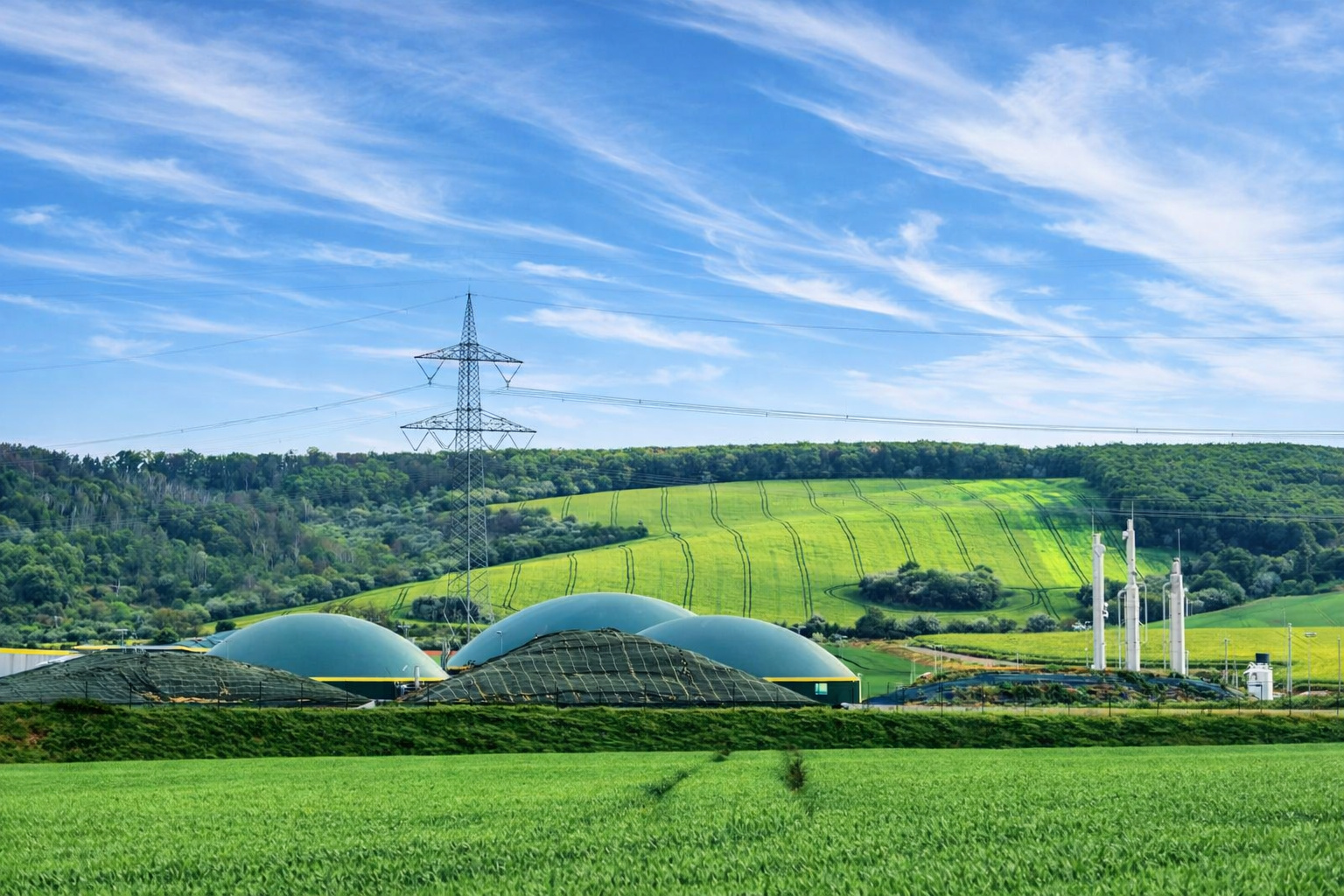
Thus, there is a campaign to prevent riverside dwellers from discarding tucupi, but instead selling it for the fuel project so that it can be utilized and mixed and eventually taken to a biodigester where anaerobic bacteria transform this product into biogas, a great fuel. The biogas will be used in the kitchen of the project and can also be used as a fuel source for 4-stroke engines. For this, the engineer adapted a carburetor on an engine used for transporting a rabeta, also modified with this propellant.
The most interesting part of the entire biodigester process itself is that it generates biofertilizer, a nutrient-rich product for irrigating the forest. Thus, from time to time, this material is removed from the aviary in Pará and taken to another location, such as a composting area where it undergoes quarantine to finish the fermentation process. Soon after, tucupi, a byproduct from flour production, is added.
Light Liter Project Brings Electricity to More Remote Communities
In addition to this project created by the engineer, the Light Liter Project developed an accessible lighting system that uses recyclable materials such as PET bottles, solar panels, and PVC pipes to illuminate homes using solar energy.
The PVC posts support the solar panels and lamps since there is no connection to the power grid in these regions. The system utilizes solar energy captured through a panel, which generates energy for an LED lamp installed inside a PET bottle.






Seja o primeiro a reagir!