





 English
  Francês
  Alemão
  Italiano
  Japonês
  Norueguês
  Portuguese
  Spanish
  3 min of reading


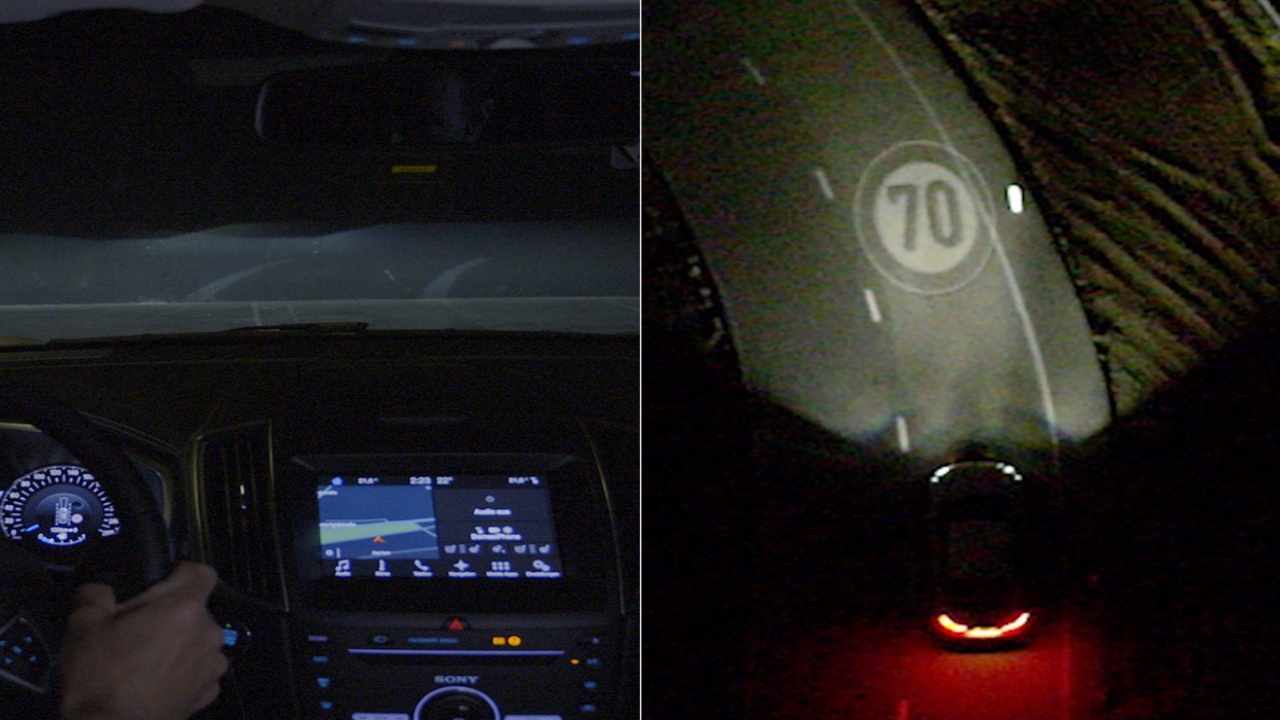
Ford Launches Smart Headlights That Project Traffic Signals, Speed Limits, and Upcoming Traffic Directly on the Road and Also Measure Parking Spaces with Lights That Adapt to the Width of the Car!
The automotive giant Ford Motors, which has closed its factories and ceased vehicle production in Brazil, is looking to take the concept of Head-up Display systems to the next level with headlights that project images onto the road. For those unfamiliar, Head-up Display systems project graphics onto the windshield and are becoming increasingly common in modern cars.
The new High Resolution Highlights smart headlight technology, currently being tested by engineers at the American automaker, can project traffic signals, navigation directions, or even weather information on the road ahead.
Watch the Video Below and Check Out the New Technology Being Developed by Ford Engineers!
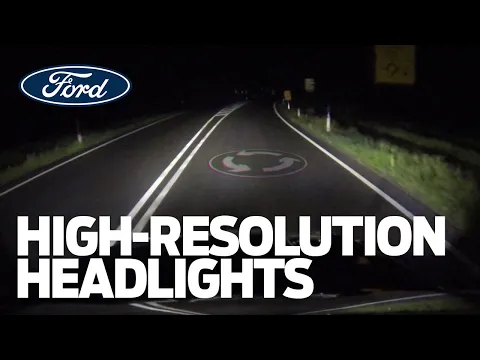

The goal of Ford Motors is to keep the driver’s eyes on the road. For example, the technology can alert them to weather changes, such as an icy road ahead or the next fog. Since the headlights are also connected to the navigation system, they can also display upcoming turns, and the automaker says the system can even project the vehicle’s width on the road so drivers can gauge if the car will fit in a tight spot, like a parking space, for instance.
-
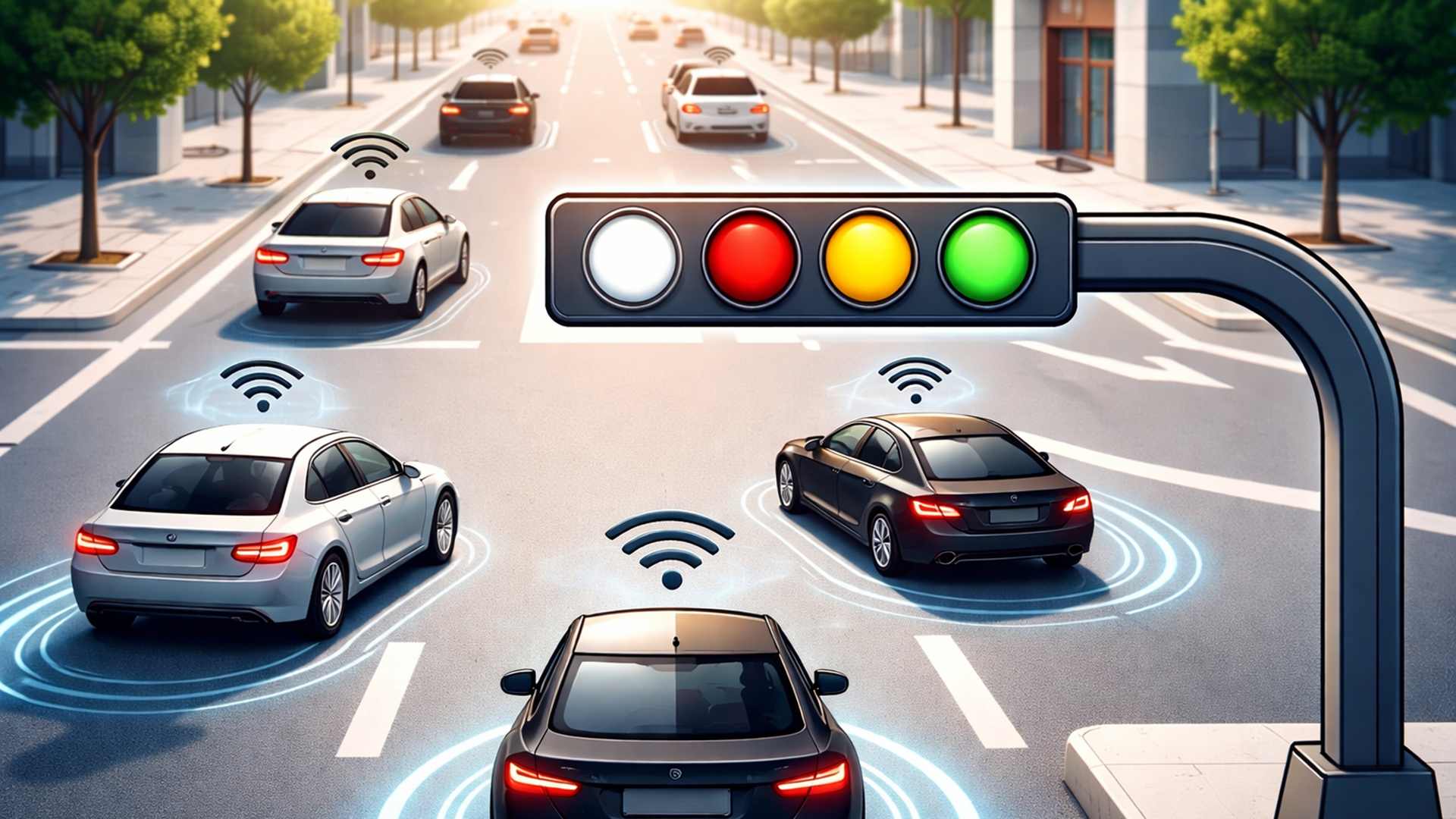
Engineers propose a fourth traffic light for intersections – the change promises to affect crossings, queues, and waiting times.
-
Chevrolet Suburban Z71 lands in Brazil with a V8 engine, off-road design, air suspension, seven seats, and colossal size, a rare version imported for around R$ 1.3 million with luxury and exclusivity.
-
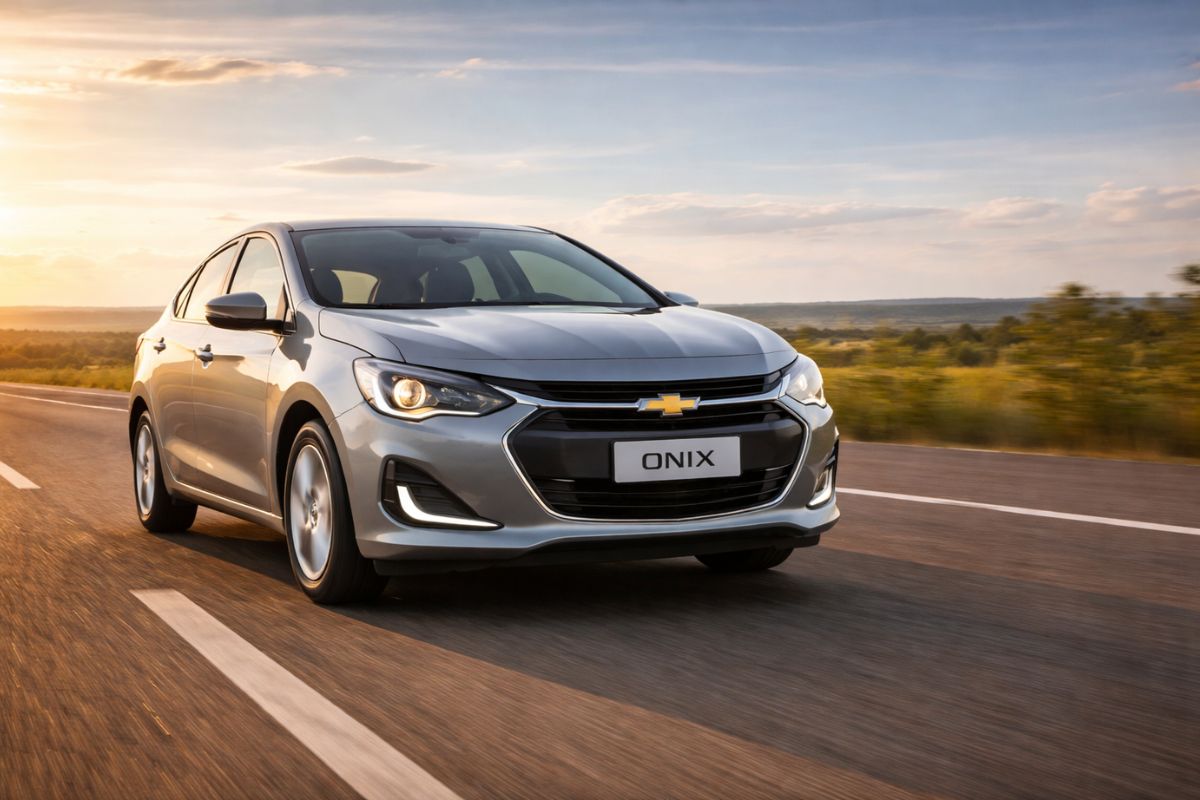
The Chevrolet Onix 1.0 turbo achieves 17.7 km per liter on the highway and ranks among the three most economical cars in Brazil in 2026, alongside two more expensive Toyota hybrids available at dealerships.
-
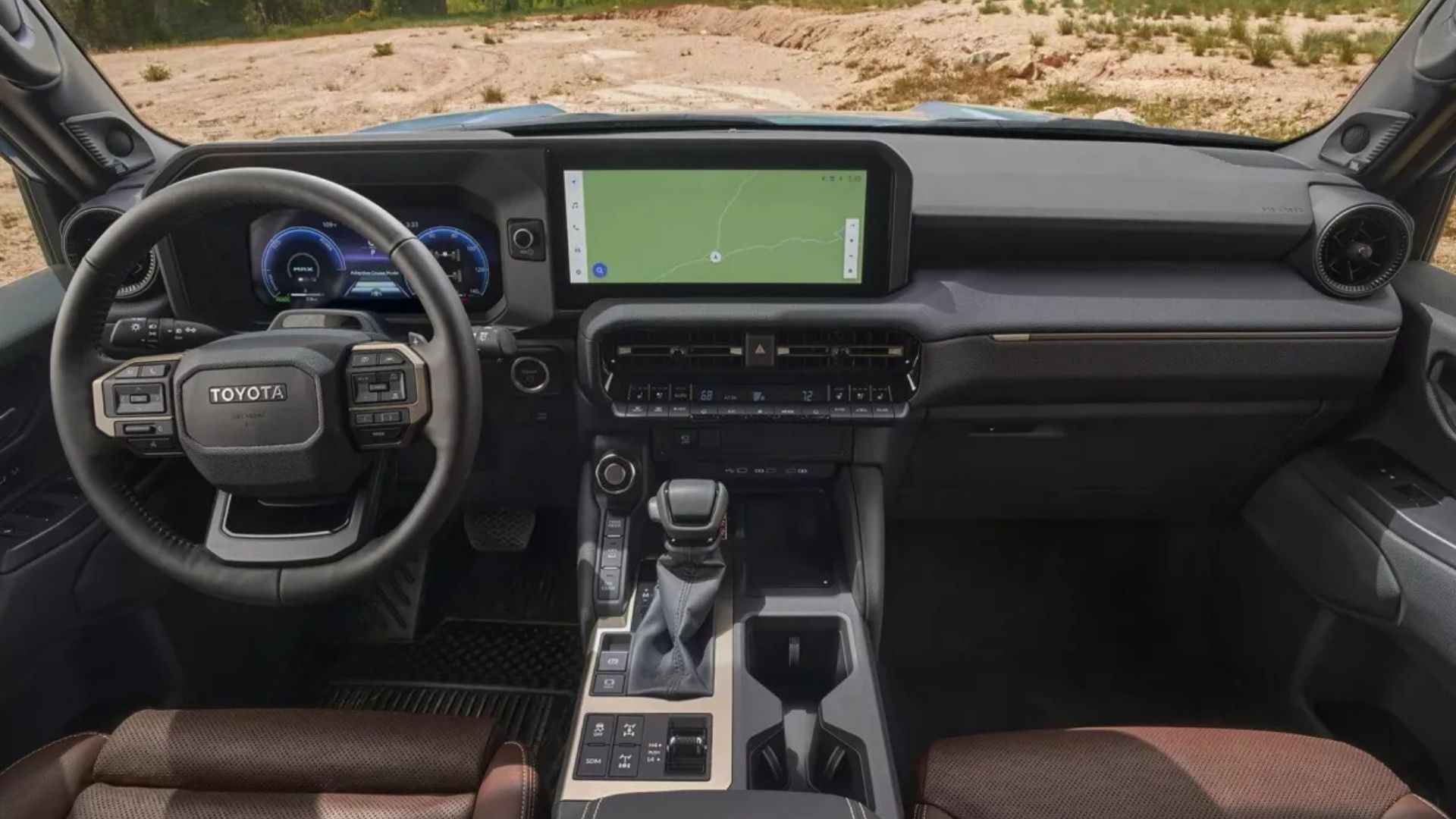
Little sister of the Hilux: Toyota launches Land Cruiser FJ with 4 radical versions, 2.7 engine with 166 hp and 4×4 traction with locking.
And it doesn’t stop there: other road users can also benefit from these high-resolution headlights, according to the company. For example, a pedestrian crossing can be projected onto the road, both for the driver’s and pedestrian’s view, in situations where the existing road markings are faded or unclear. Other possibilities include showing a path for the driver to follow to ensure that cyclists are passed at a safe distance.
Technology Promises to Reduce Accidents at Night
“What started with playing around with a projector light and a blank wall could take lighting technologies to a whole new level”, says Lars Junker, resource and software specialist at Ford in Europe.
“There is potential now to do much more than simply illuminate the road ahead, to help reduce the stress involved in driving at night. The driver could receive essential information without needing to take their eyes off the road.”
And that is really the main point. Research outside the UK shows that 40% of accidents occur at night, despite the fact that the roads are much less crowded.
“A vehicle traveling at 90 km/h covers 25 meters per second, meaning that even a brief glance at the car’s navigation screen can result in ‘blind driving’ for ten meters or more”, said Ford. “On an unlit road, this could potentially mean missing an important sign or a curve in the road.”








Seja o primeiro a reagir!