





 Portuguese
  English
  Spanish
  2 min of reading
  0 comments


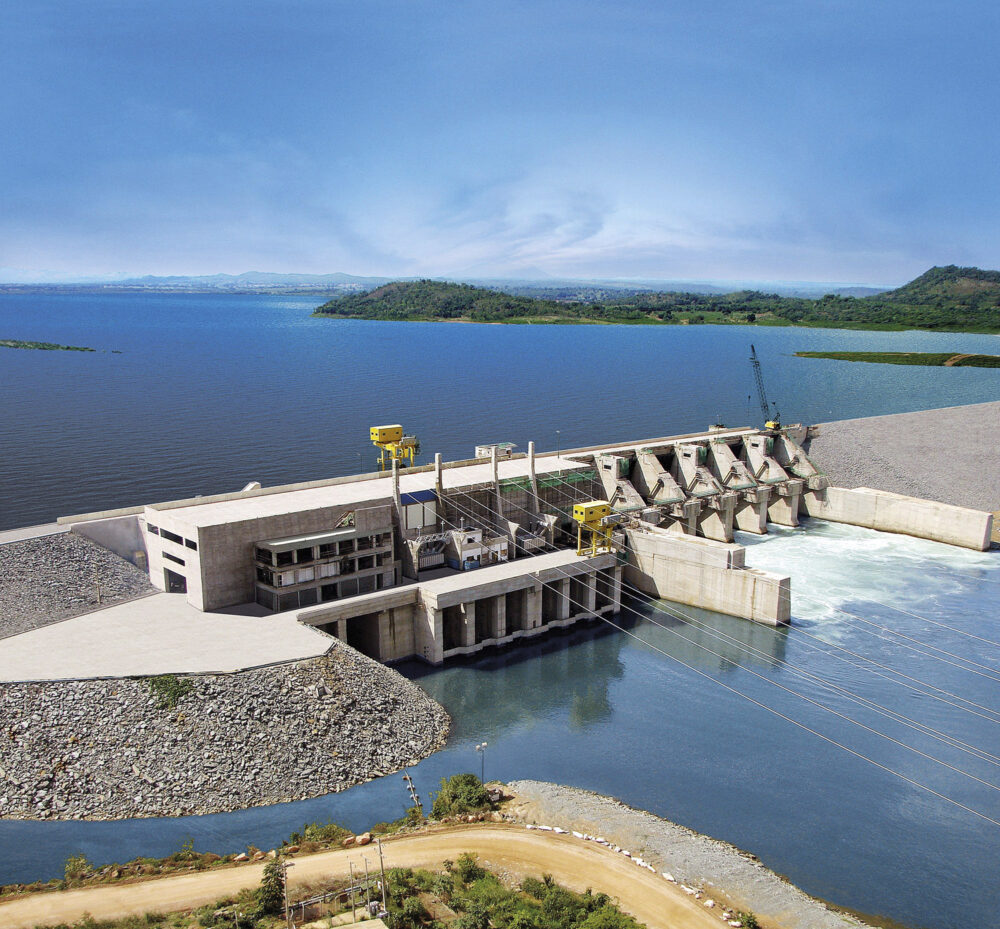
Engie Brasil Energia Announced the Acquisition of Two Hydroelectric Plants Located in the Northern Region of Brazil. The Transaction, Valued at R$ 2.9 Billion, Represents Another Strategic Step for the Company in Its Expansion Within the Renewable Energy Market.
Furthermore, the deal includes the assets and liabilities of the acquired units, reinforcing the company’s commitment to diversification and strengthening its national electrical matrix.
The transaction involves the purchase of Santo Antônio do Jari Hydroelectric Plant, located between Amapá and Pará, and Cachoeira Caldeirão Plant, in Amapá.
Together, these two hydroelectric plants have an installed capacity of 612 megawatts (MW), significantly increasing Engie’s share in clean energy generation in the country.
-
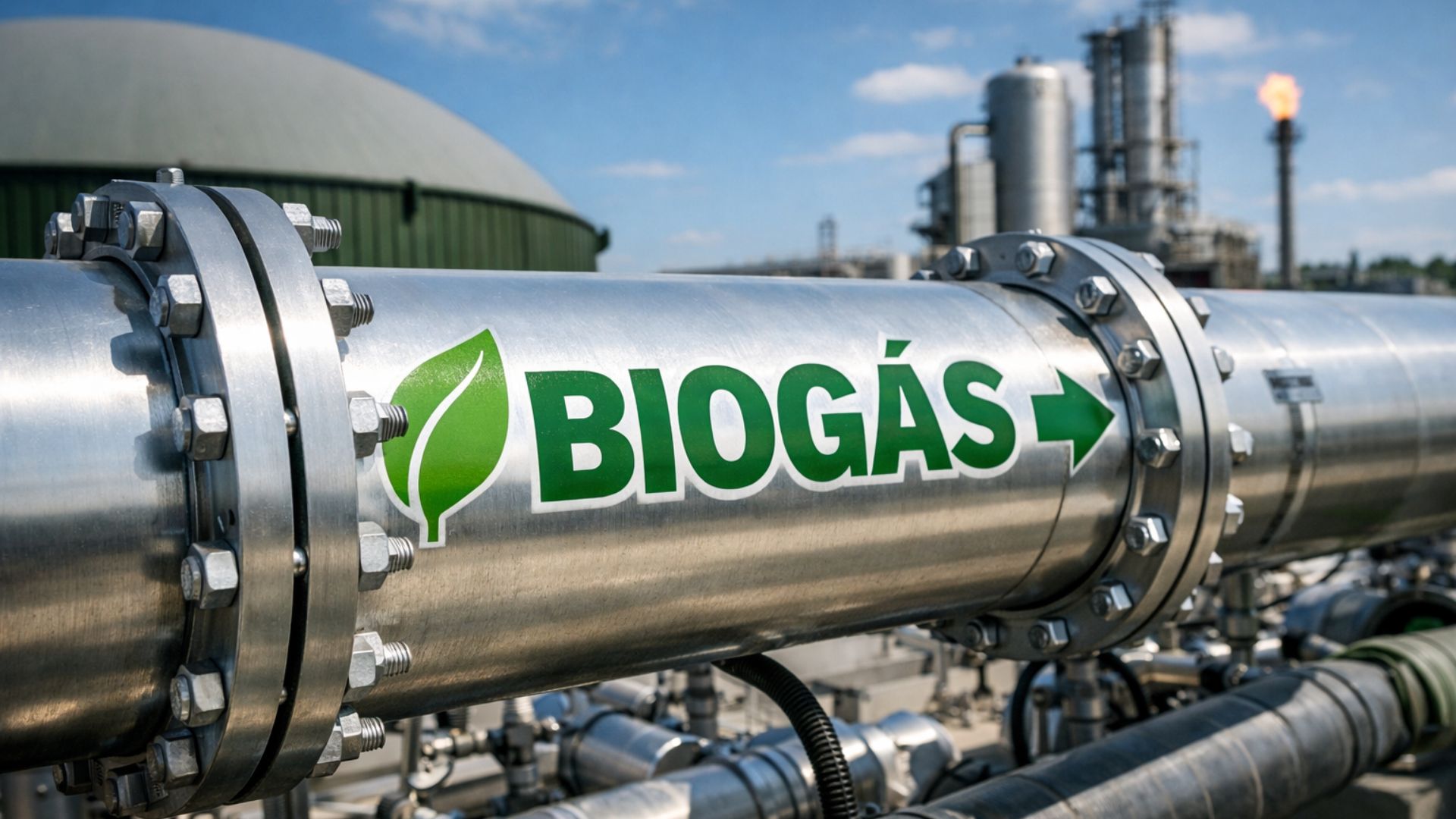
The Cagece and UFC project advances in sustainable innovation with biogas by converting waste into renewable energy, reducing environmental impacts, and increasing sanitation efficiency with concrete and measurable results.
-
Paranaense students develop a system that transforms farm waste into clean energy and revolutionizes sustainable agribusiness.

-
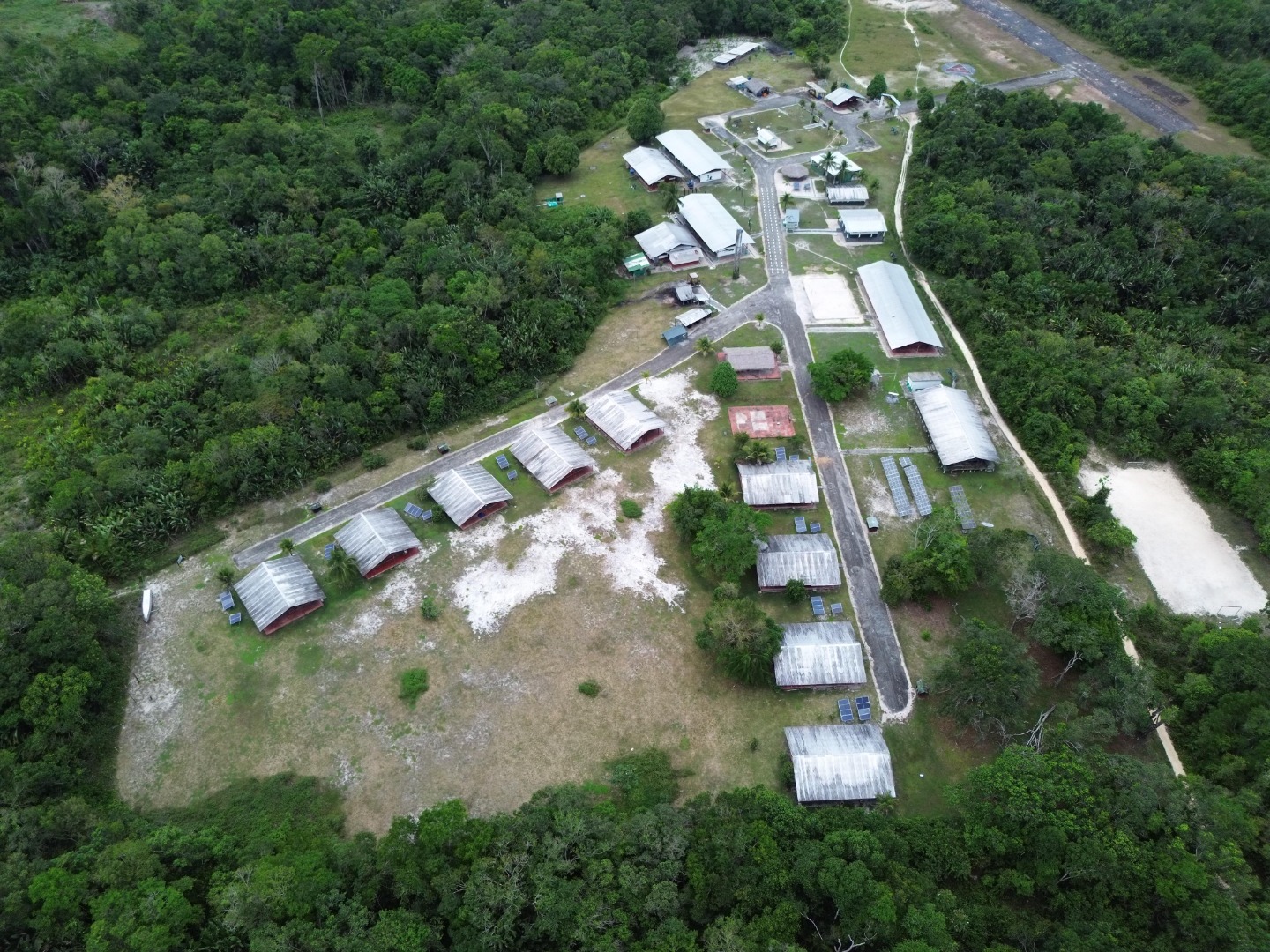
The Ministry of Defense installs a giant photovoltaic plant and ensures a stable supply of clean energy in Maturacá, in the Amazon.
-
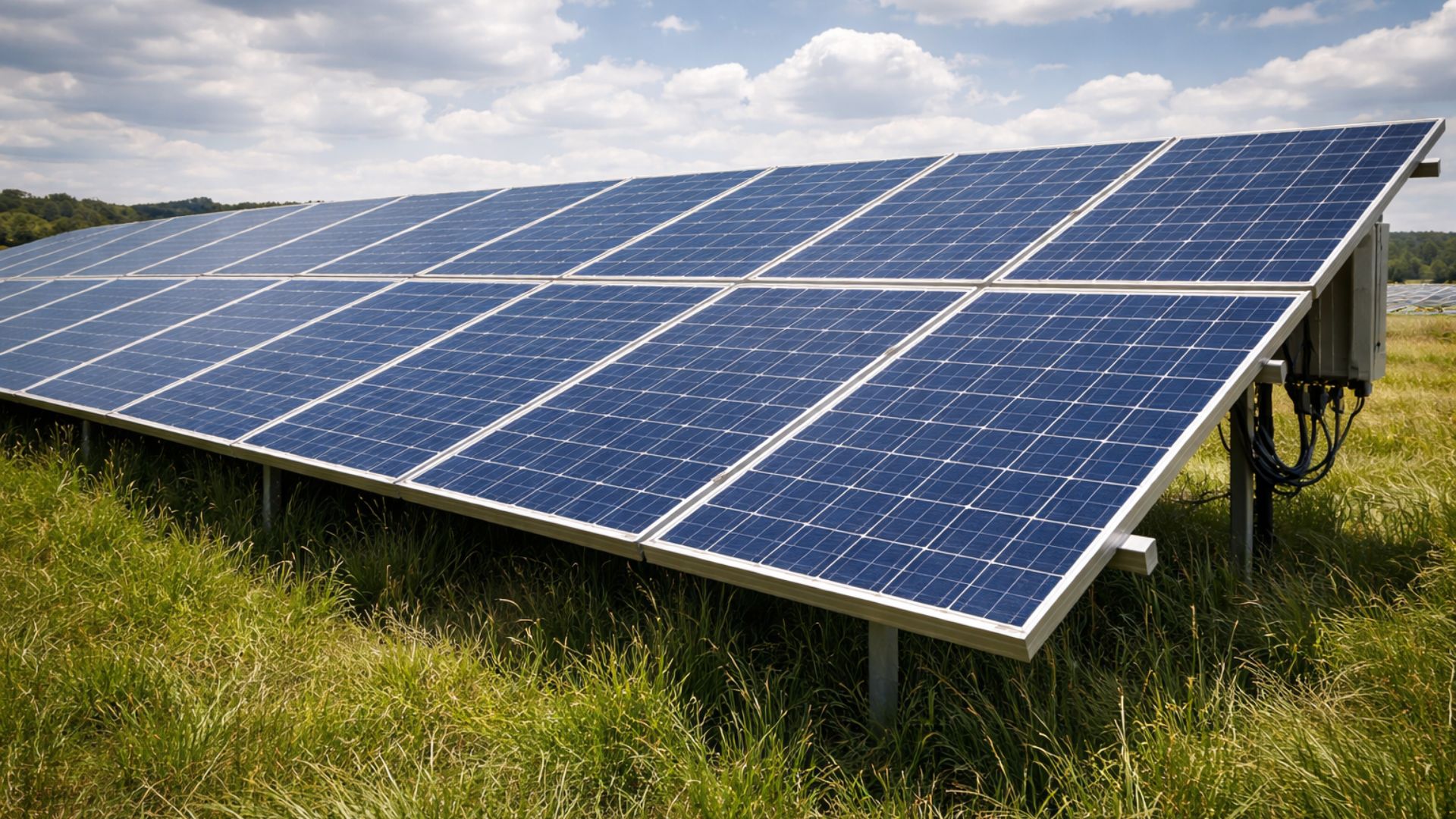
Itaipu receives proposals in the renewable energy tender and reinforces the role of public universities in the energy transition with projects that can reduce costs, increase academic investments, and accelerate sustainable innovation in the country.
Expansion Focusing on Renewables and Operational Stability
According to Engie, this acquisition reinforces the company’s commitment to the Brazilian Energy Transition.
By incorporating over 600 MW into its generation portfolio, the company expands its clean energy supply. This also contributes to the energy security of the National Interconnected System (SIN).
Additionally, the operation demonstrates the company’s focus on acquiring consolidated assets, with stable generation and strategic positioning.
Therefore, the choice of operational hydroelectric plants in the North reflects the strategy of geographic diversification coupled with the pursuit of operational efficiency.
Although the final value of the transaction still depends on contractual adjustments and regulatory analyses, Engie expects to complete the deal within the established timeframe.
The negotiation also includes the contracts and grants linked to the plants’ concessions, which reinforces the solidity of the transaction.
Engie Maintains Leadership Among the Largest Companies in the South
According to the ranking 500 Largest in the South, Engie currently holds the 15th overall position in the Southern region and is the 7th largest company in Santa Catarina.
Headquartered in Florianópolis, Engie operates in various segments of the energy chain, including generation, commercialization, and integrated energy solutions.
Currently, the company’s portfolio includes hydroelectric plants, wind farms, solar, and biomass thermoelectric plants.
With the inclusion of these new plants, the company takes another significant step towards growth with low environmental impact.
This expansion is fully aligned with the Sustainable Development Goals (SDGs) and reinforces Engie’s leading role in building a cleaner and more resilient energy model in Brazil.








-

2 pessoas reagiram a isso.