





 Portuguese
  English
  Spanish
 5 min of reading
  0 comments


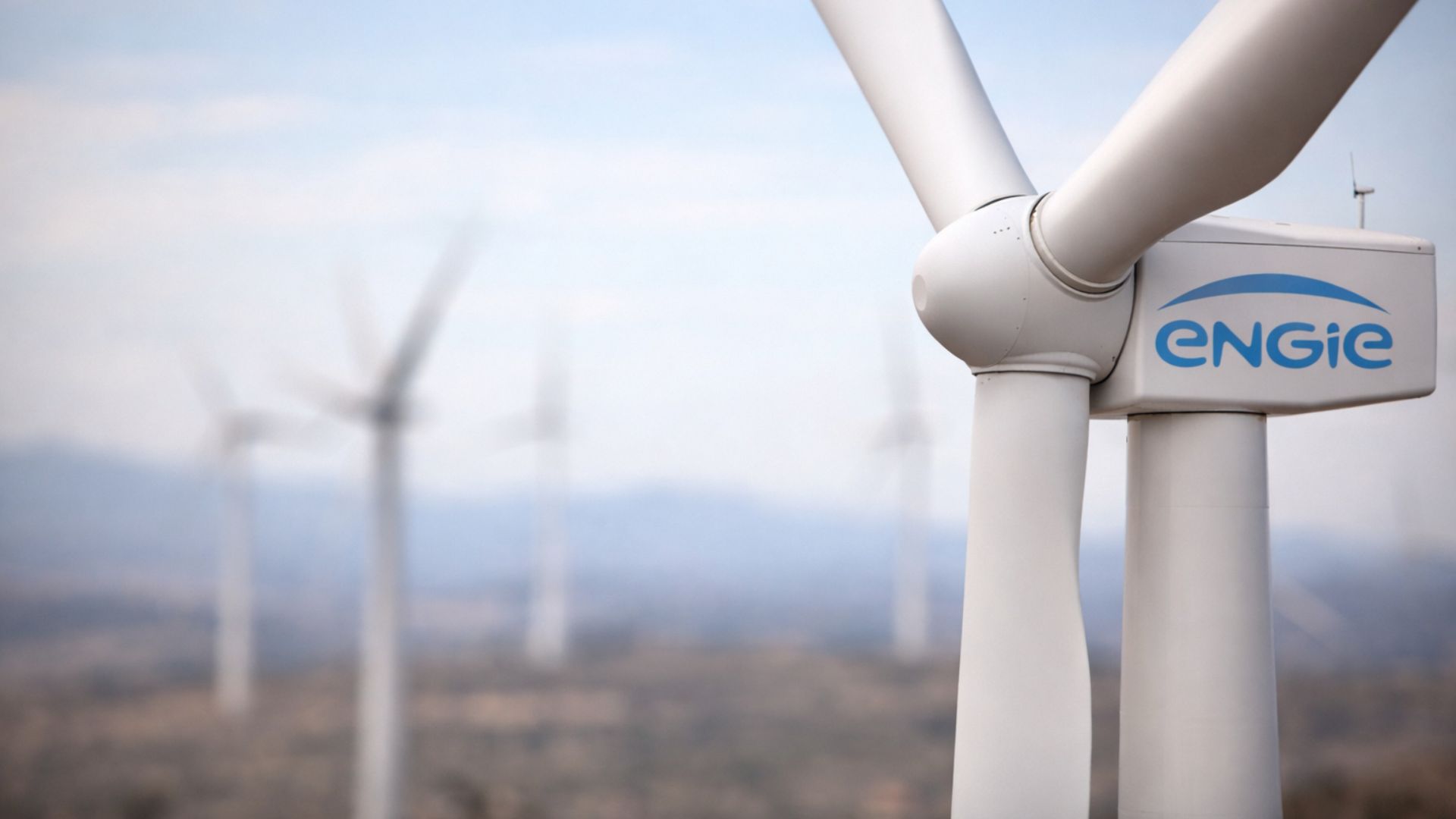
Engie Concluded in December 2025 the Full Operation of Serra do Assuruá, Largest Wind Energy Project of the Company, Expanding the Offer of Renewable Energy in the Free Market
In December 2025, Engie Brasil Energia announced the start of full production of the Serra do Assuruá Wind Farm, located in the municipality of Gentio do Ouro, Bahia. Although the project began its commercial operation gradually in August 2024, it was only at the end of 2025 that the complex started operating at 100% of its installed capacity, establishing itself as the largest onshore wind energy project of Engie in the world.
With 846 MW of installed capacity, an approximate investment of R$ 6 billion, and all energy directed to the Free Market, the project reinforces Bahia’s prominence in the expansion of renewable energy in Brazil and increases the supply of low-carbon electricity for large consumers.
Serra do Assuruá Marks the Full Production of Engie in Wind Energy
The Serra do Assuruá consists of 188 wind turbines, distributed across 24 wind farms, forming a complex of unprecedented scale within Engie’s global portfolio. The transition to full production in December 2025 signifies the definitive end of the installation and commissioning phase of the project.
-
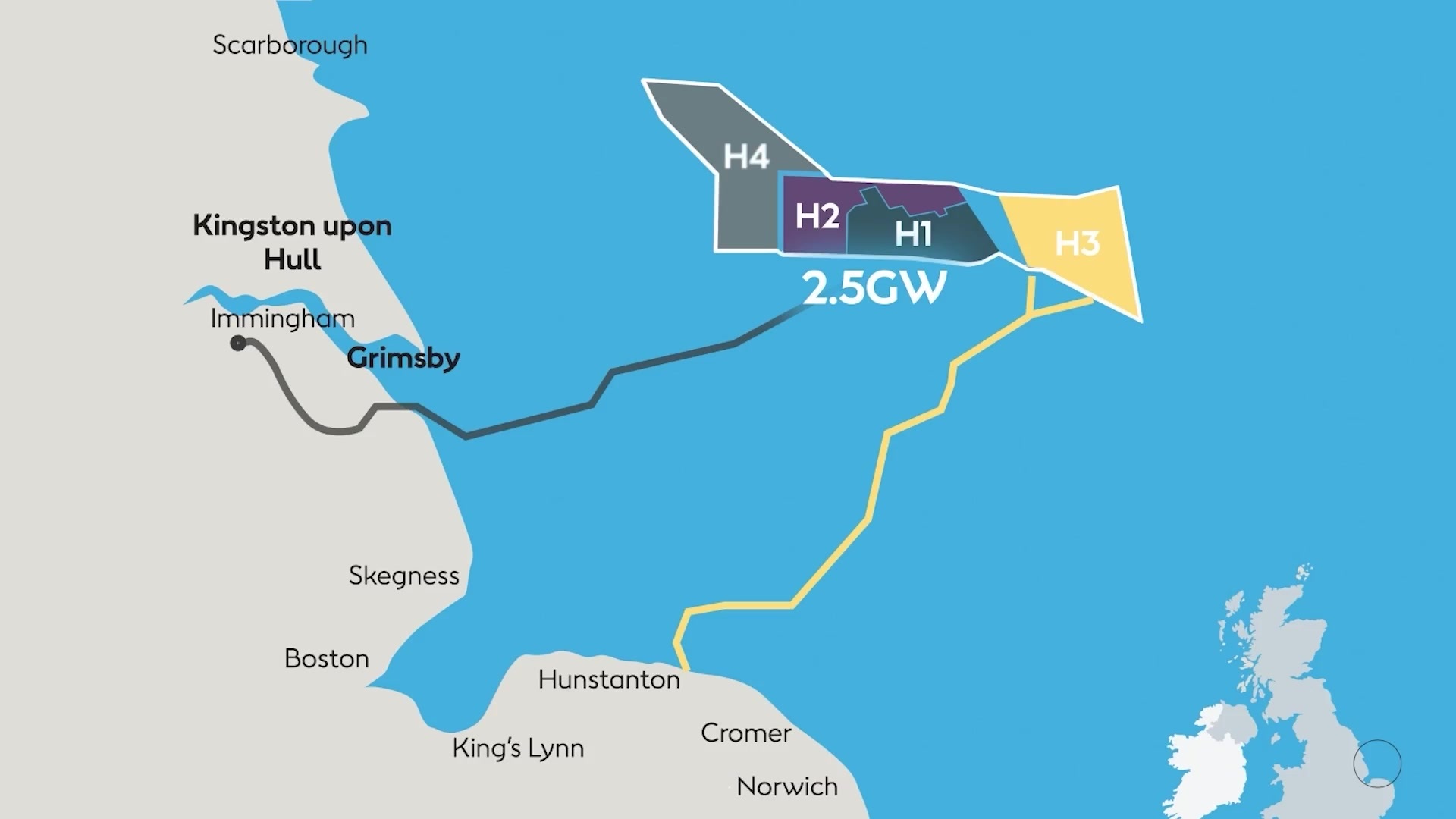
231 turbines of 260 meters at 160 km from the coast, monopiles weighing as much as nine blue whales embedded in the North Sea, and a crane ship taller than the Eiffel Tower: Hornsea 3 will be the largest offshore wind farm on the planet by 2027, and its first components have already arrived in England.
-
International Certification Puts Senai Norte on the Renewable Energy Map and Expands Access to Essential Training for Qualified Wind Power Professionals

-
The Winds of the Northeast Are in Foreign Hands: Nearly 70% of the Region’s Wind Farms Are Owned by International Companies, with France, China, and Italy Leading Investments in Wind Energy in Brazil
-
Echoenergia’s Wind Farms Receive Diamond and Platinum Seals and Boost Carbon Credits with Projects that Prevent Large Volumes of Annual Emissions
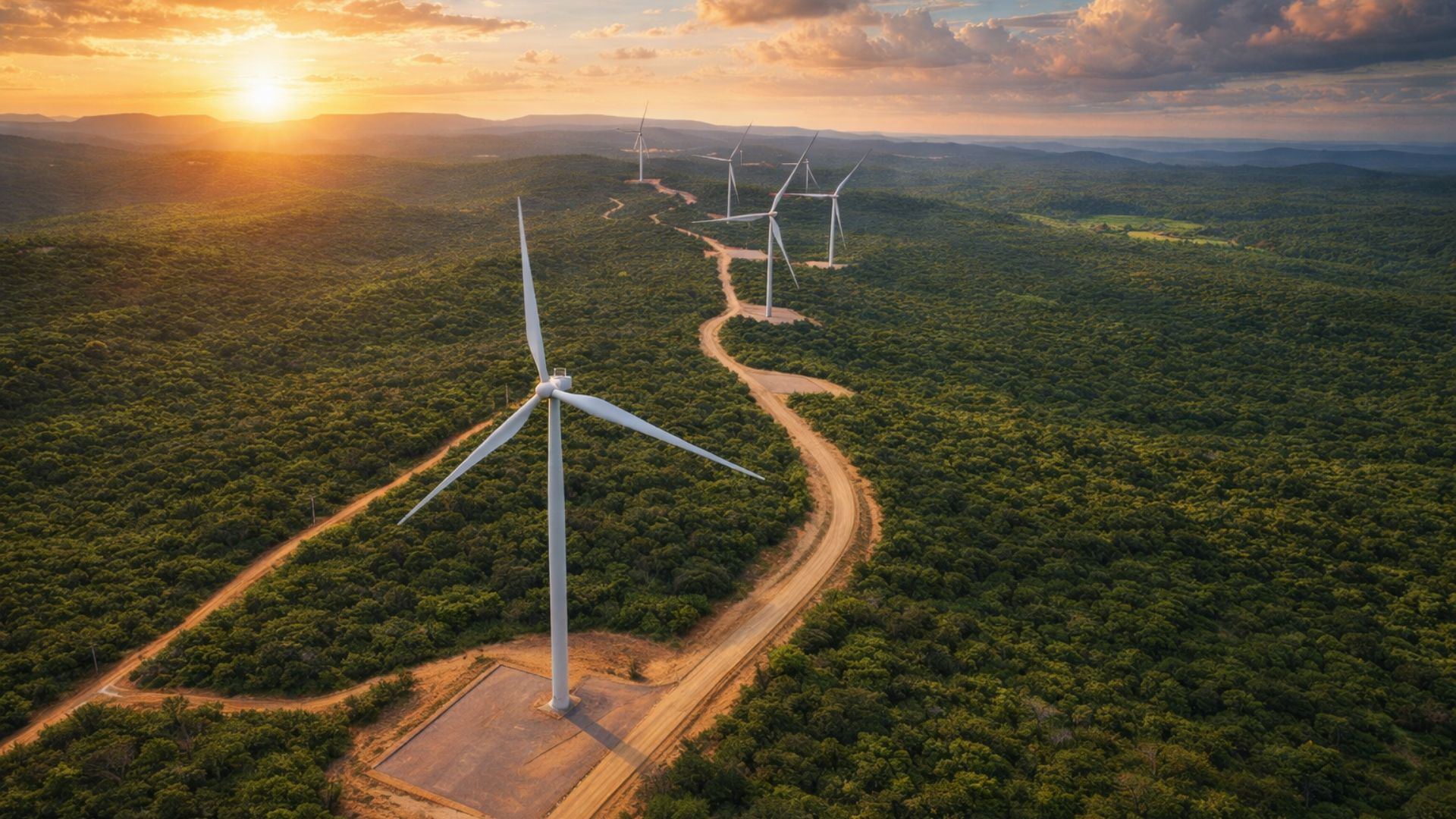

The installed capacity of 846 MW positions the project among the largest onshore wind energy projects in Latin America, potentially positively impacting energy security and the predictability of national electricity supply.
In addition to increasing the share of renewable energy in the Brazilian energy matrix, the project reduces the system’s exposure to hydrological variations and contributes to the stability of supply during peak demand periods.
Gradual Commercial Operation Until Total Production in 2025
The operational trajectory of Serra do Assuruá occurred in stages. After authorization from the National Electric Energy Agency (Aneel), the complex began partial commercial operation in August 2024, with a progressive entry of the wind farms.
Only in December 2025, with all turbines connected and tested, did the project start operating at its full capacity, marking the effective beginning of total production.
This phased model is common in large-scale projects, allowing for technical adjustments, performance validation, and safe integration into the National Interconnected System (SIN).
Transmission Infrastructure Ensures Flow of Renewable Energy
The complex includes 28 kilometers of transmission lines, responsible for connecting Serra do Assuruá to the SIN. This infrastructure is essential for the flow of wind energy produced in Bahia to different regions of the country.
The robustness of the transmission network is considered strategic, especially in light of the accelerated expansion of renewable energy in the Northeast, a region that hosts some of Brazil’s largest wind projects. Integration with the national system enables the complex’s production to contribute to the balance of electricity supply on a national scale.
Renewable Energy and Free Market Drive Corporate Contracts
All the energy generated by Serra do Assuruá is directed to the Free Energy Market, a contracting environment where consumers can negotiate directly with generators.
This model has gained prominence in Brazil, particularly among industries, exporting companies, and multinational groups seeking cost predictability and certification of renewable origin.
Renewable energy has become a competitive differentiator in increasingly pressured supply chains due to environmental targets and decarbonization commitments.
Economic Impact and Job Creation During Implementation
During the construction and implementation phase, Serra do Assuruá generated approximately 3,000 direct and indirect jobs, prioritizing the hiring of local workers.
The economic impact was significant for the semi-arid region of Bahia, an area historically marked by lower formal employment opportunities and qualification prospects.
According to Engie, large wind energy projects should serve as vectors of regional development, especially in inland municipalities.
Professional Training as a Legacy of Serra do Assuruá
Among the initiatives associated with the project is the Bahia Qualification Program, which offered 60 free training spots, with 50% dedicated to women.
The courses covered areas such as masonry, carpentry, and assembly of reinforced concrete structures, aligned with the technical demands of the work.
The goal was to leave a legacy of professional training, expanding job market insertion possibilities even after the implementation phase ended.
Engie highlights that qualification linked to renewable energy projects is essential for generating lasting impacts in local communities.
Social and Environmental Investments in the Wind Complex Area
In the social and environmental field, the company invested R$ 8.5 million in projects aimed at social inclusion, education, the environment, and economic development in the communities surrounding Serra do Assuruá.
Of this total, R$ 4.6 million was allocated to infrastructure works in rural, quilombola, and community areas.
The interventions included the construction and renovation of community centers, squares, and sports courts, considered essential for strengthening social ties.
Engie’s Presence in Bahia and Expansion of Wind Energy
With almost three decades of operation in Brazil, Engie maintains a strategic presence in Bahia. In addition to Serra do Assuruá, the company operates the wind farms Umburanas, Campo Largo 1, and Campo Largo 2, in the municipalities of Umburanas and Sento Sé.
Together, these ventures exceed 1 GW of installed capacity, consolidating the state as one of the main hubs for wind energy in the country.
Renewable Energy Transmission and Structuring Investments
In the transmission segment, Engie put into operation the first segment of the Asa Branca Transmission Line, spanning 334 kilometers. The complete project is expected to exceed 1,000 kilometers, crossing Bahia, Minas Gerais, and Espírito Santo.
The estimated investment is R$ 2.7 billion, including the expansion of five substations, considered strategic for the flow of renewable energy produced in the Northeast.
The Meaning of Serra do Assuruá for the Brazilian Energy Transition
The start of total production of the Serra do Assuruá Wind Farm, in December 2025, consolidates Bahia as one of the pillars of wind energy in Brazil. The volume of investment, the scale of the project, and its allocation to the Free Market reflect the structural transformations of the electricity sector.
At the same time, the enterprise highlights the challenges the country faces in expanding renewable generation in a manner coordinated with transmission infrastructure and regional development policies.
Serra do Assuruá symbolizes the maturity of renewable energy in Brazil, successfully combining industrial scale, corporate contracts, social impact, and environmental commitment into a single project.









Seja o primeiro a reagir!