





 Portuguese
  English
  Spanish
  4 min of reading


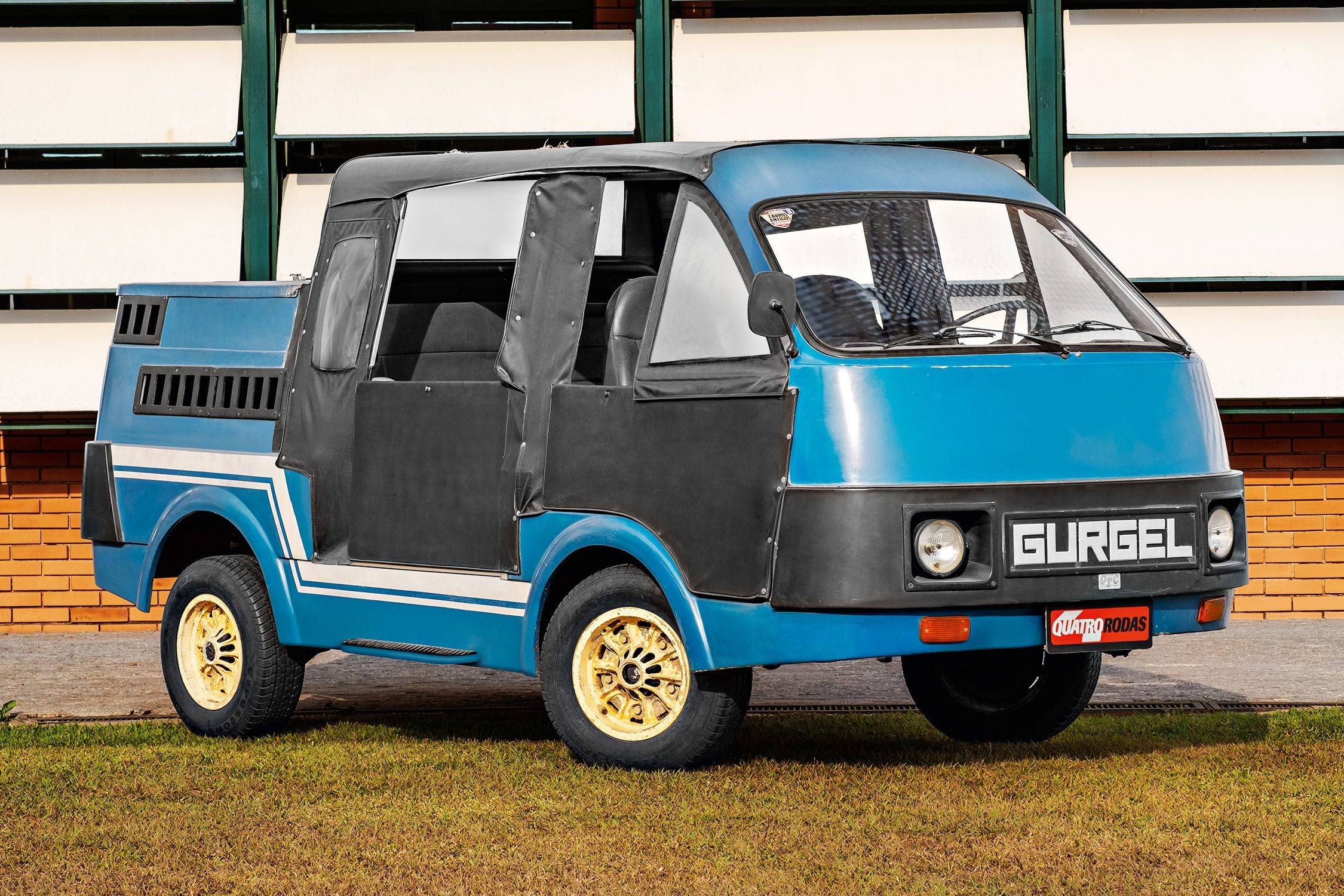
Former Volkswagen Engineer, Specialist in Electric Vehicles, Is Modernizing the First Brazilian Electric Car, the Gurgel Itaipu E-400, for His Final Project
Well before the arrival of the electric vehicle race, which gained more strength in this decade, the Brazilian factory Gurgel Motores, located in Rio Claro (SP), was already trying to innovate in the Brazilian automotive industry. First, with the prototype of the electric minicar Itaipu, in 1974, which had the capacity to carry two people but was never mass-produced. Soon after, with the Gurgel Itaipu E-400, between the years of 1981 and 1982, becoming the first Brazilian electric car.
Read Also
First Brazilian Electric Car Becomes a Final Project
-
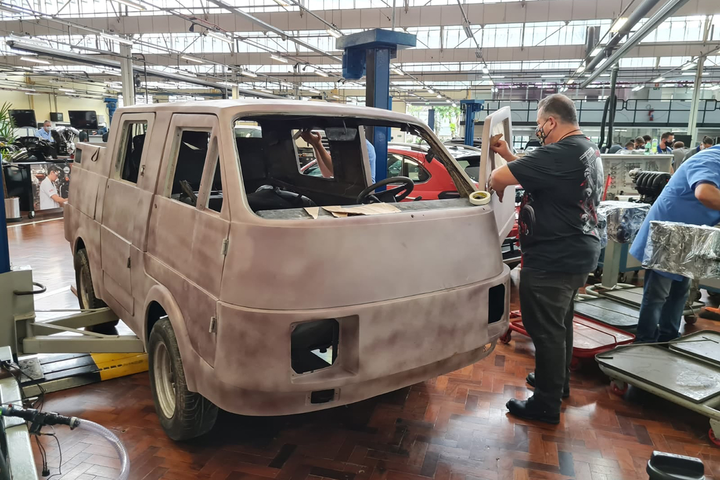
Gurgel Itaipu E-400 Being Remodeled in SENAI’s Final Project – Photo: Reproduction/Mobiauto -
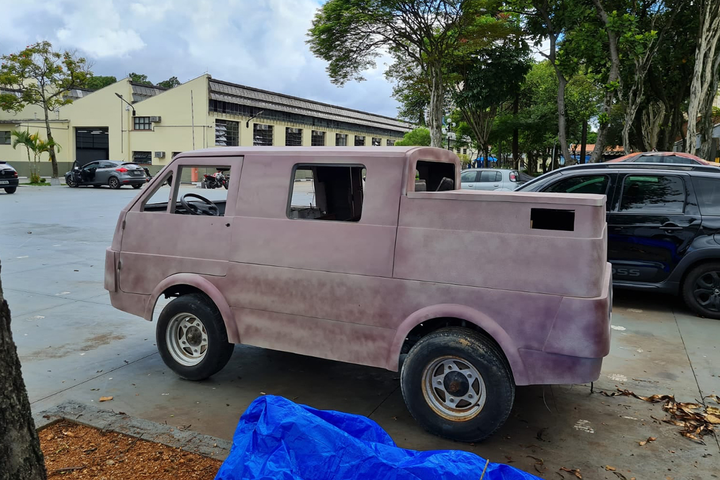
Gurgel Itaipu E-400 Being Remodeled in SENAI’s Final Project – Photo: Reproduction/Mobiauto -
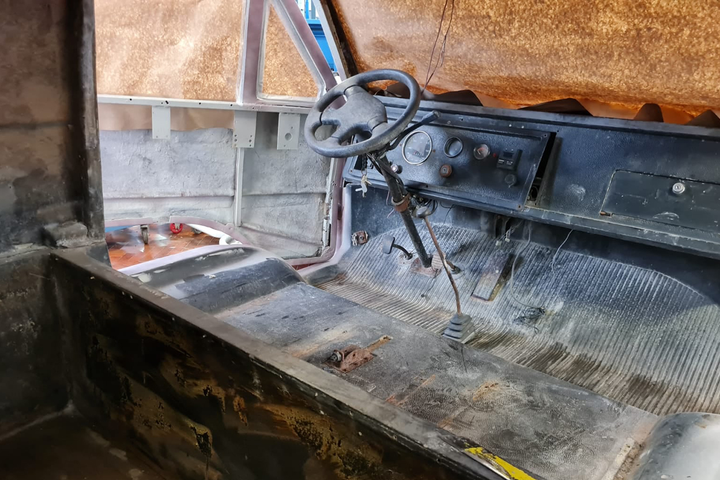
Gurgel Itaipu E-400 Being Remodeled in SENAI’s Final Project – Photo: Reproduction/Mobiauto -
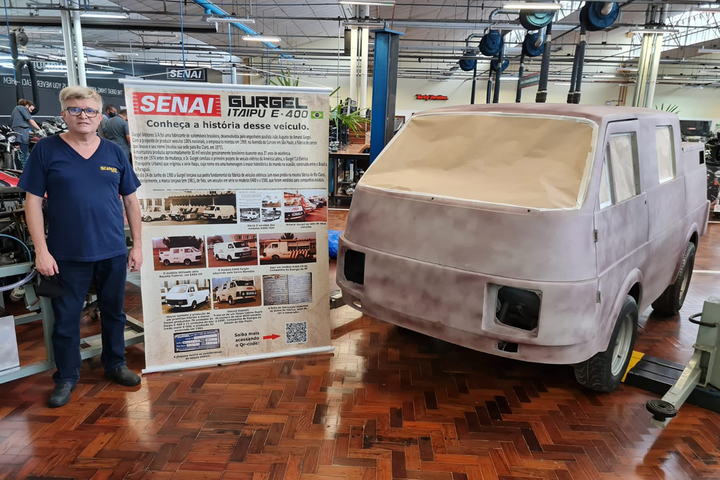
Former VW Group Engineer Will Work on Enhancing the First Brazilian Electric Car – Photo: Reproduction/Mobiauto
The curious part is that, after 40 years, the Gurgel Itaipu E-400 has become a final project for the Electric and Hybrid Vehicles course at SENAI Conde José Vicente de Azevedo, located in the Ipiranga neighborhood in São Paulo.
-
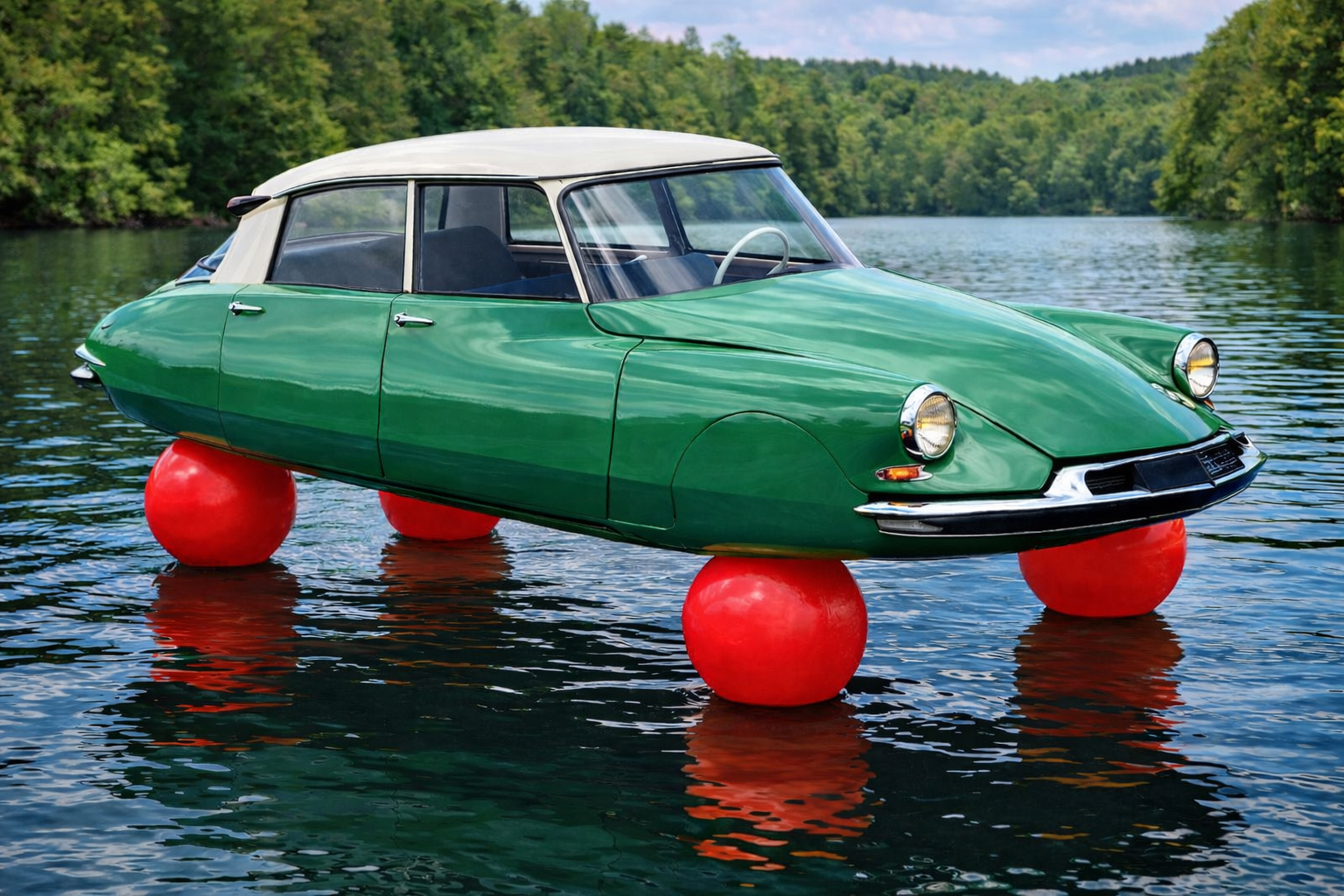
A French brand placed a car on four huge red balloons to prove that its suspension made the vehicle “float,” and the surreal scene became one of the most iconic and unusual images in automotive history.
-
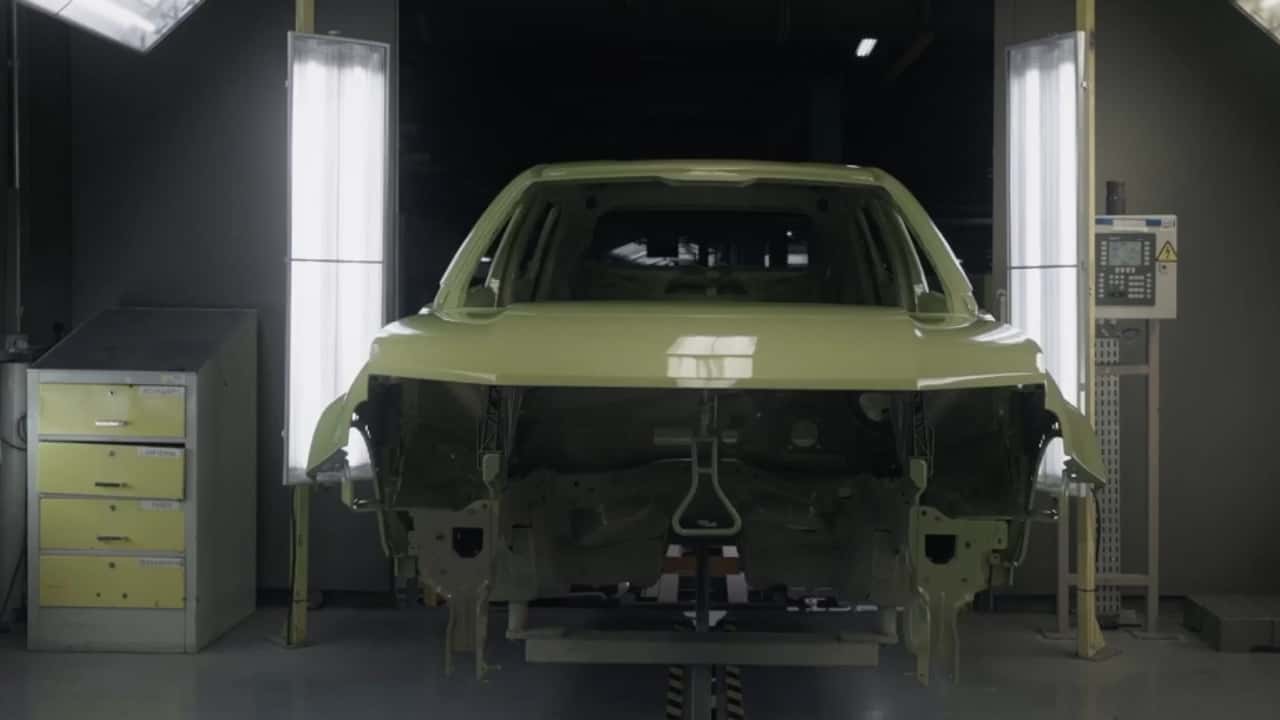
Jeep Avenger begins production in Brazil, debuting as the brand’s new entry-level SUV and inaugurating an unprecedented phase by becoming the first national Jeep manufactured outside of Goiana, as part of a R$ 3 billion plan.
-
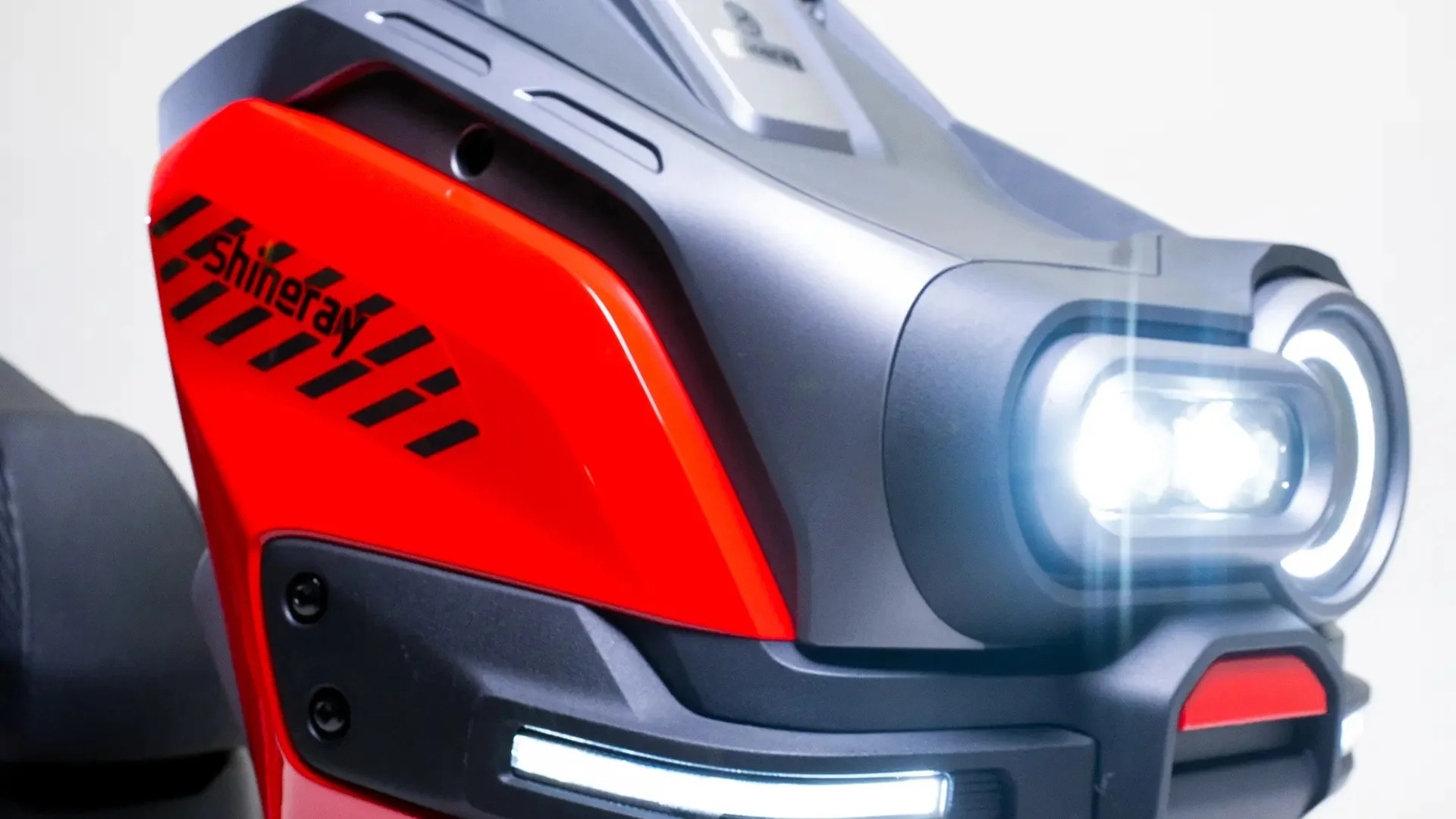
Costing R$ 12,490, the new Shineray Urban Lite 150 “cheap one” arrives in Brazil with a CVT transmission, digital dashboard, and LED lights, making it more affordable than the Biz and targeting those who want to abandon the bus.
-
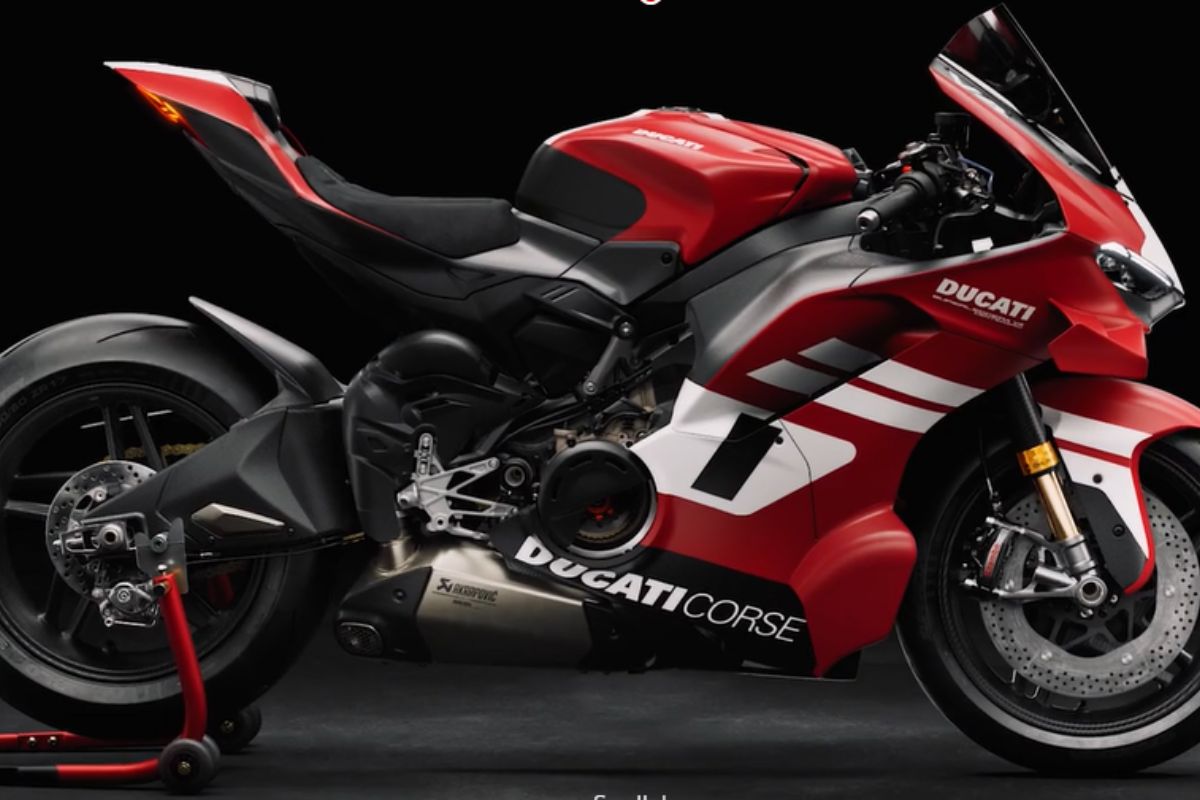
Ducati brings to Brazil the Superleggera V4 Centenario: 228 hp that become 247 with a track kit, carbon fiber and carbon-ceramic brakes, estimated price between R$ 1.5 and 2 million, deliveries only in 2027.
The project of the first Brazilian electric car was developed by the class and by Val Arrais, an engineer specialized in electric and hybrid vehicles who worked on Volkswagen projects for three decades. According to the engineer who worked at Volkswagen, it all started when the Brazilian electric car was announced in a classic cars group.

Acquiring more information about the first Brazilian electric car, it was discovered that it had been parked for about 20 years. Thus, the former Volkswagen engineer decided to check out the model, negotiated with the former owner, and pursued all the documentation for the transfer. With everything set, the electric vehicle specialist created a project to present to SENAI. The intention was to modernize the powertrain so that the Gurgel Itaipu E-400 could operate and leave the garage.
According to him, everything started when the vehicle was announced in a classic cars group. “I have always been a classic car enthusiast, I have other models, and the opportunity to buy this Gurgel Itaipu E-400 came up,” says the creator.
Gurgel Itaipu E-400 Gets New Electric Motor and Batteries
All components related to the original motor and battery pack will be replaced with new and updated parts. Thus, in addition to being equipped with a new motor and a more modern battery, the electric car will have greater autonomy and power for daily use.
SENAI agreed with the idea of restoring the Gurgel Itaipu E-400 under these conditions, and the work has begun. The first step was to take the model to the school and plan the phases of the final project, creating a schedule for execution.
The former Volkswagen engineer’s project is still in its early stages and will take about 6 months to be fully completed, which is the time required to complete the course.
Engineer Has Worked on Other Innovative Projects
In addition to changes in the motor and batteries, the Brazilian electric car will feature an updated steering system, disc brakes, among others. According to the Volkswagen engineer, he never stopped to calculate everything.
However, he explains that, in other projects he executed, the batteries alone cost around R$ 60,000. This is not the first time Arrais has worked on projects like this after leaving Volkswagen.
The specialist has already created two electric cars alongside Moura, which were even presented at the Latin American Electric Mobility Exhibition in São Paulo at the end of last year.









Seja o primeiro a reagir!