





 Portuguese
  English
  Spanish
  3 min of reading
  3 comments


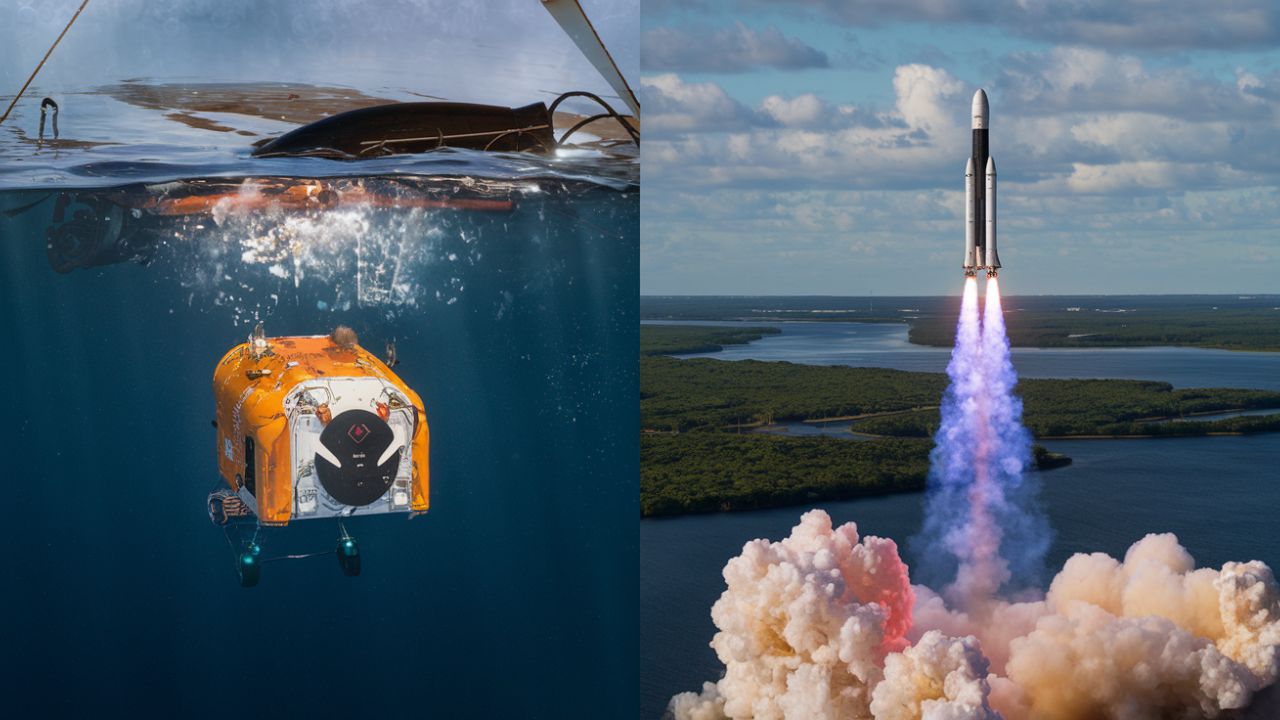


Companies Like DEEP Are Creating Submerged Habitats Capable of Housing Teams for Weeks, Facing Challenges Like Extreme Pressure, Helium Atmosphere, and Innovative Technologies. Discover How the Vanguard and the Sentinel Promise to Transform the Ocean Floor into a Habitable Space and Revolutionize Research and Subaquatic Operations.
When you think about the future of humanity, it’s easy to imagine colonies on Mars or interstellar travel. But what about a submerged future? While some aim for the stars, others are exploring the depths of planet Earth. The ocean floor is becoming a new destination for those seeking exploration, science, and innovation.
Companies like DEEP are leading the way, creating underwater habitats for extended stays. Let’s explore how these initiatives are transforming our relationship with the submerged world.
What Attracts Us to the Ocean Floor?
Working at extreme ocean depths presents a unique challenge: decompression. For subaquatic missions, the human body requires long periods of adjustment to pressure, often spending more time on this than on the mission itself. Underwater habitats, like those developed by DEEP, allow divers to save this time, making operations much more efficient.
-
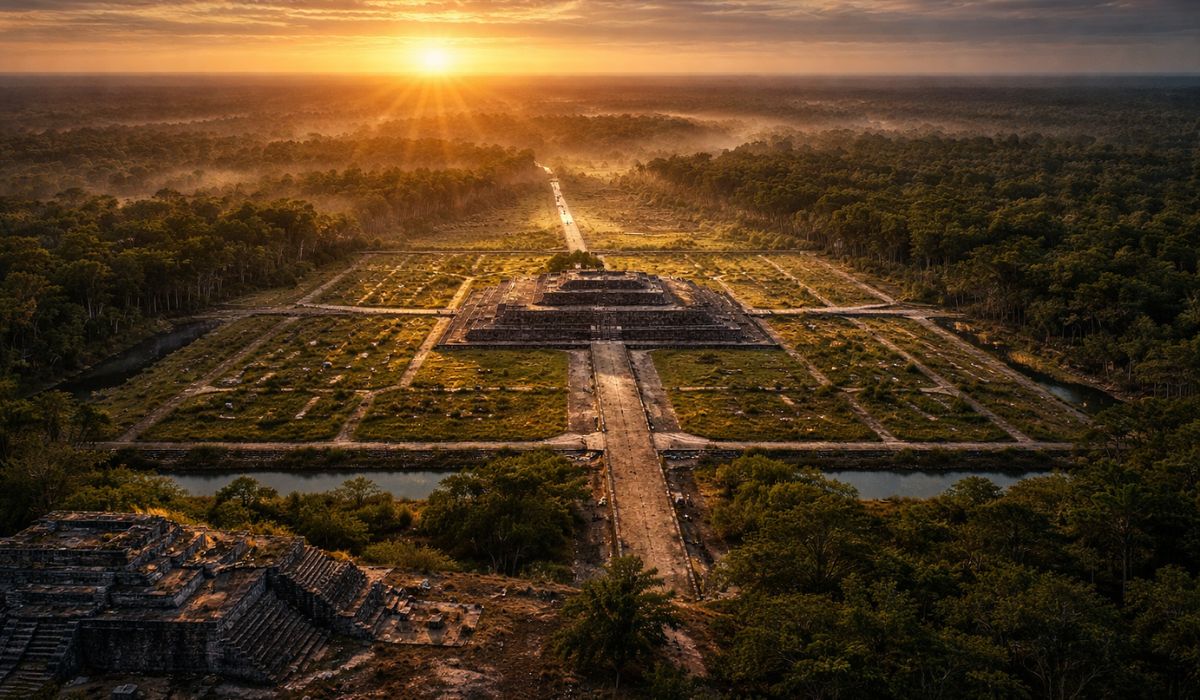
In Mexico, a 3,000-year-old Maya site with the dimensions of an entire city may have been built as a colossal map of the cosmos, created to represent the order of the universe and reveal how this people organized space, time, and rituals.
-
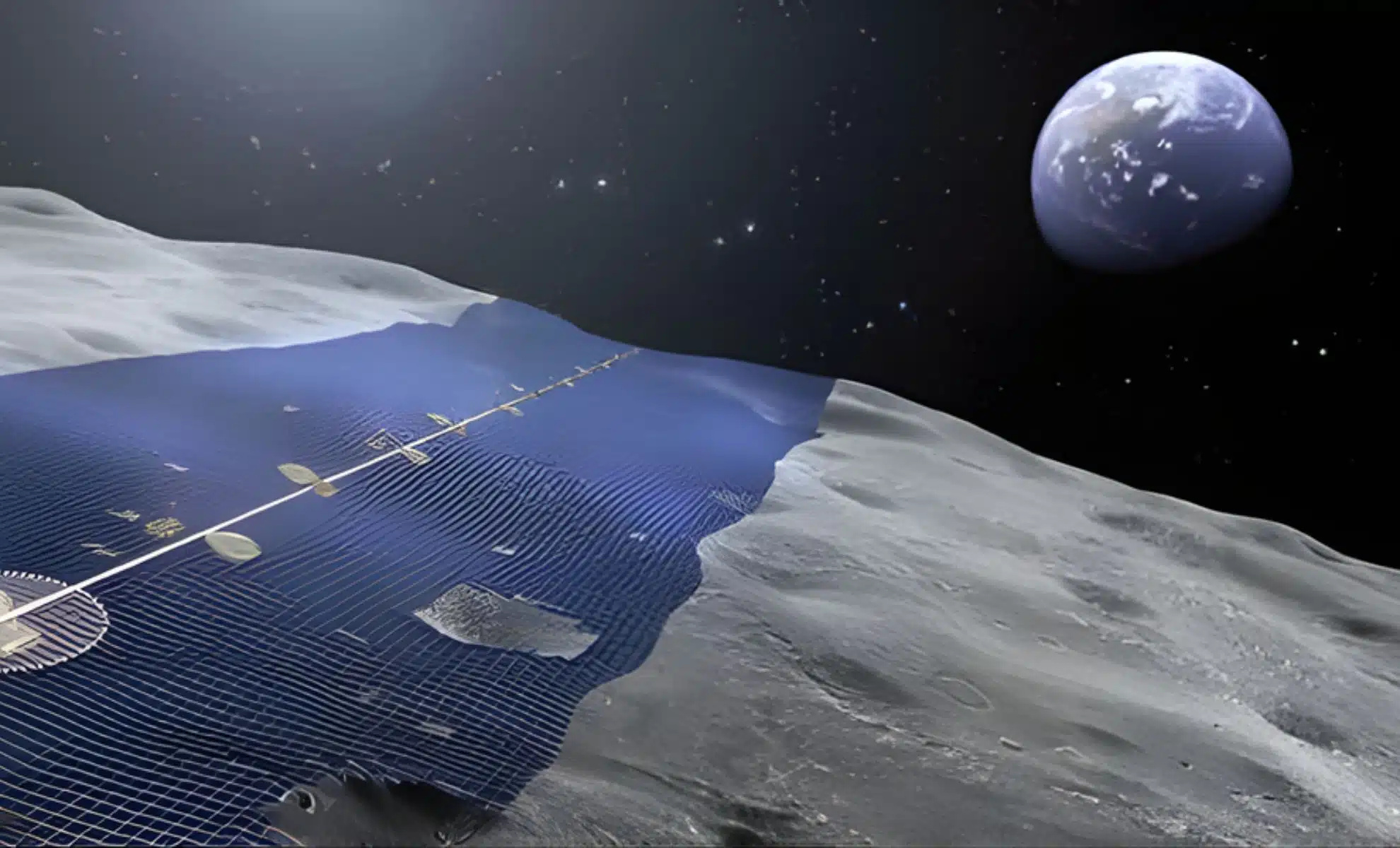
Japan wants to build a solar ring of 10,900 kilometers on the Moon to continuously send energy to Earth.
-
Weighing almost 1 ton, with temperatures of up to 3,000°C, the ability to launch 10,000 fragments within a radius of 1 km, capable of penetrating concrete and melting steel, Turkey’s terrifying bomb emerges as one of the most destructive non-nuclear weapons ever presented.

-
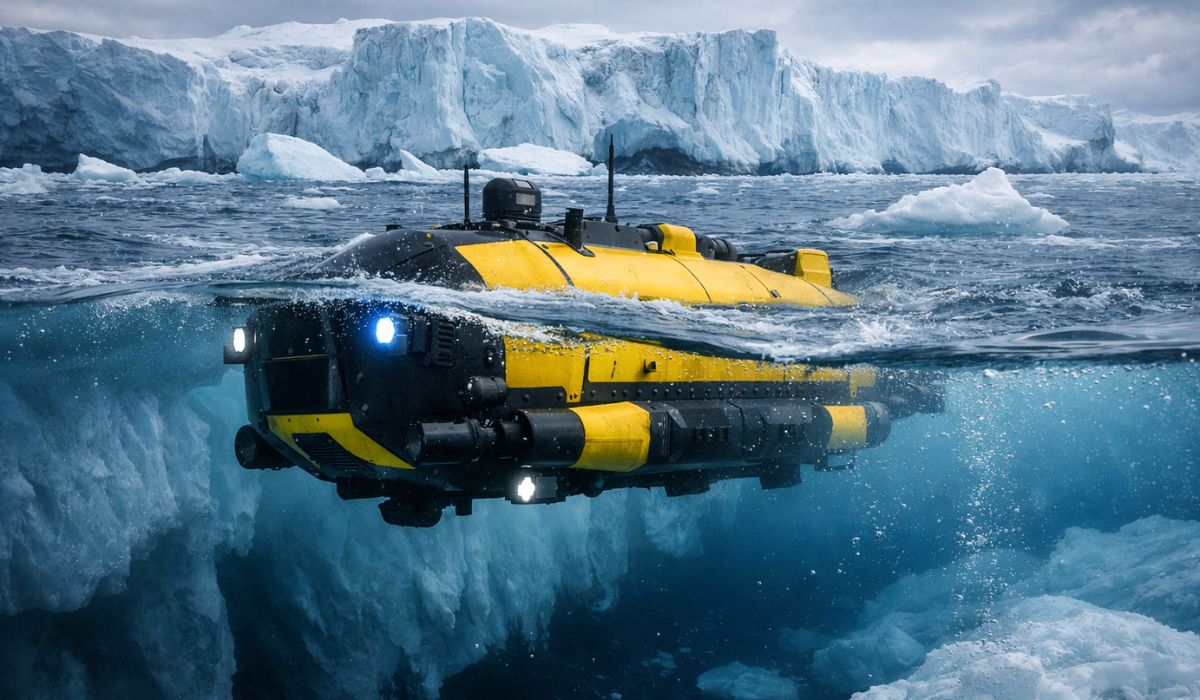
After a submarine disappeared beneath the “Doomsday Glacier,” scientists announce a new monstrous machine capable of operating at 3,000 meters depth to return to the heart of the ice and investigate a threat that could raise sea levels worldwide.

Although extreme tourism is an attraction, the primary goal of these habitats is research and innovation. The ocean floor houses unknown ecosystems and valuable resources that could revolutionize fields like medicine, technology, and renewable energy.
Vanguard and Sentinel: Pioneers of Subaquatic Life

The Vanguard, from DEEP, is a promising prototype. This module, 12 meters long and 7.5 meters wide, is designed to house three people for up to 28 days at a depth of 200 meters. It not only tests the limits of subaquatic engineering but also lays the groundwork for more ambitious projects.
Building on what was learned from the Vanguard, the Sentinel is an even larger proposal. This modular habitat aims to accommodate six people and serve as a research laboratory. Its modular nature allows for adaptations for future underwater laboratories and accommodations.
Overcoming the Challenges of Submersible Life
Breathing on the ocean floor is more complicated than it seems. The nitrogen in the air becomes dangerous at great depths, being replaced by helium. This creates new challenges, such as the need to heat the gas to maintain thermal comfort. Electronic systems need to be adapted to operate in this modified atmosphere.
Electronic equipment must withstand extreme conditions, from high pressure to corrosion. This demands constant innovation in materials and design, ensuring the safety and comfort of the inhabitants.
The Connection with the Surface: The Role of FLIP
The FLIP, an oceanographic vessel that can “stand up” in the ocean, is an essential component for connecting subaquatic operations with the surface. Acquired by DEEP, it will be refurbished to assist in missions on the ocean floor.
By transforming the FLIP into a modern research tool, DEEP expands its capabilities to explore the depths and interact with submerged habitats.





200 MT não é nada para a profundidade no mar..
É mas fantantivo porém ñ acharam nada sem que queiram ser visto apenas uma imensidão escura
Fantástico. O fundo do mar como refúgio do ser humano no futuro, acho mais seguro e promissor que qualquer lugar no espaço.