





 Português
  Inglês
  Espanhol
  4 min de leitura
  0 comentários


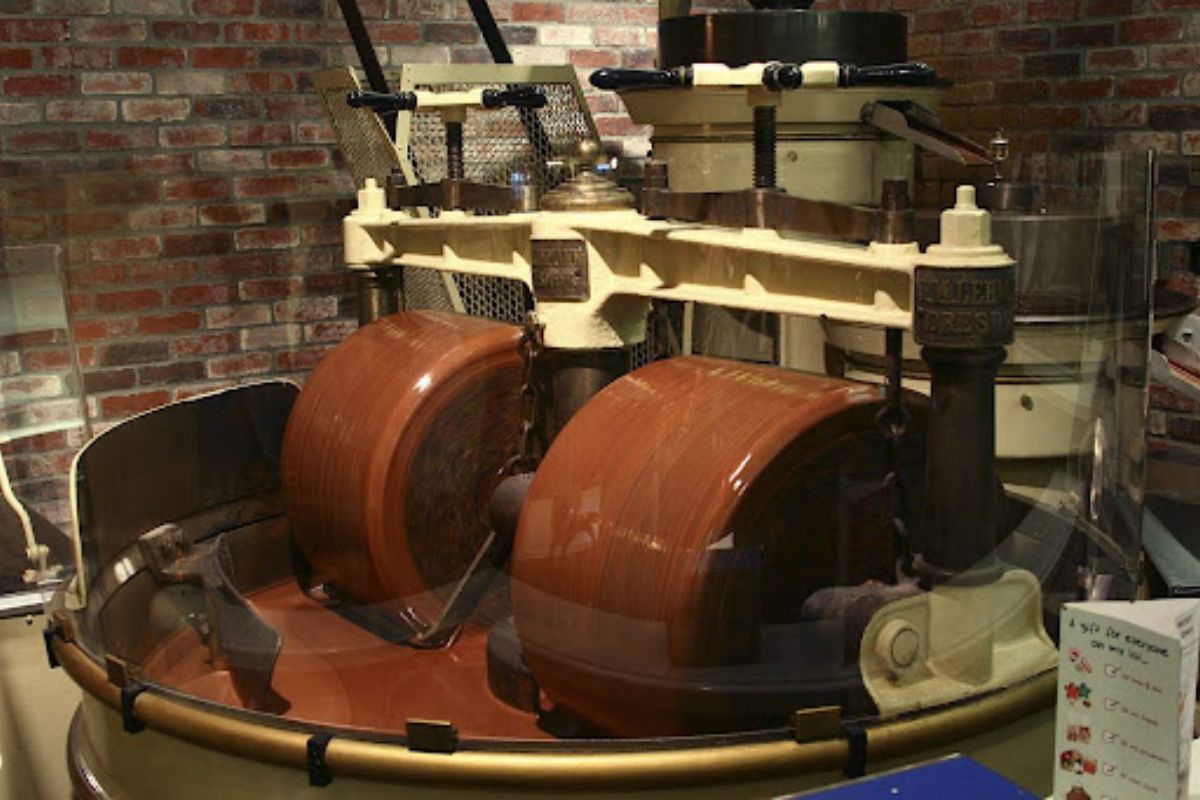
On This World Chocolate Day, Forget the Recipes. We Will Take You Inside the Factory and Reveal the Secrets of Roasting, Conching, and Tempering – the Industrial Processes That Define the Texture and Flavor of Your Favorite Sweet.
Today, July 7, the world celebrates World Chocolate Day. But while you open a bar and smell that unmistakable aroma, have you ever stopped to think about the complex journey of engineering it went through? From the bitter and astringent almond of a tropical fruit to the smooth texture and complex flavor that melts in your mouth, there is a high-tech path.
Forget the image of a kitchen. The truth is that the production of chocolate as we know it is one of the most fascinating processes of the modern industry, a precise dance between colossal machines and the delicate science and technology of food. Let’s unravel this engineering.
Step 1: From Farm to Factory – the Logistics of Cocoa
It all starts in the field. After harvesting, the cacao fruits are opened to extract the seeds surrounded by a white pulp. These seeds go through two crucial stages still on the farm:
-
The world’s first octopus farm wants to open in the Canary Islands and is already provoking an international reaction: the plan aims to produce 3,000 tons per year.

-
Drought may be creating stronger superbugs in the soil and helping antibiotic resistance reach hospitals, warns a study highlighting a problem that could grow alongside extreme weather.

-
The biggest scam in history: Napoleon’s France deceived the United States by selling them a territory that was Spanish.

-
Why is the Danakil Desert so dangerous? It has unstable terrain and how extreme temperatures and toxic gases turn the region into one of the most hostile environments on Earth.


- Fermentation: the beans are covered and left to ferment for several days. This process is essential to reduce bitterness and start developing the precursors of the complex flavors of chocolate.
- Drying: next, the beans are dried in the sun or in dryers to reduce moisture and prepare them for transport.
It is only after this initial preparation that the bags of beans are transported to the large factories, where the real industrial transformation takes place.
Step 2: Roasting and Grinding – Awakening the Flavor
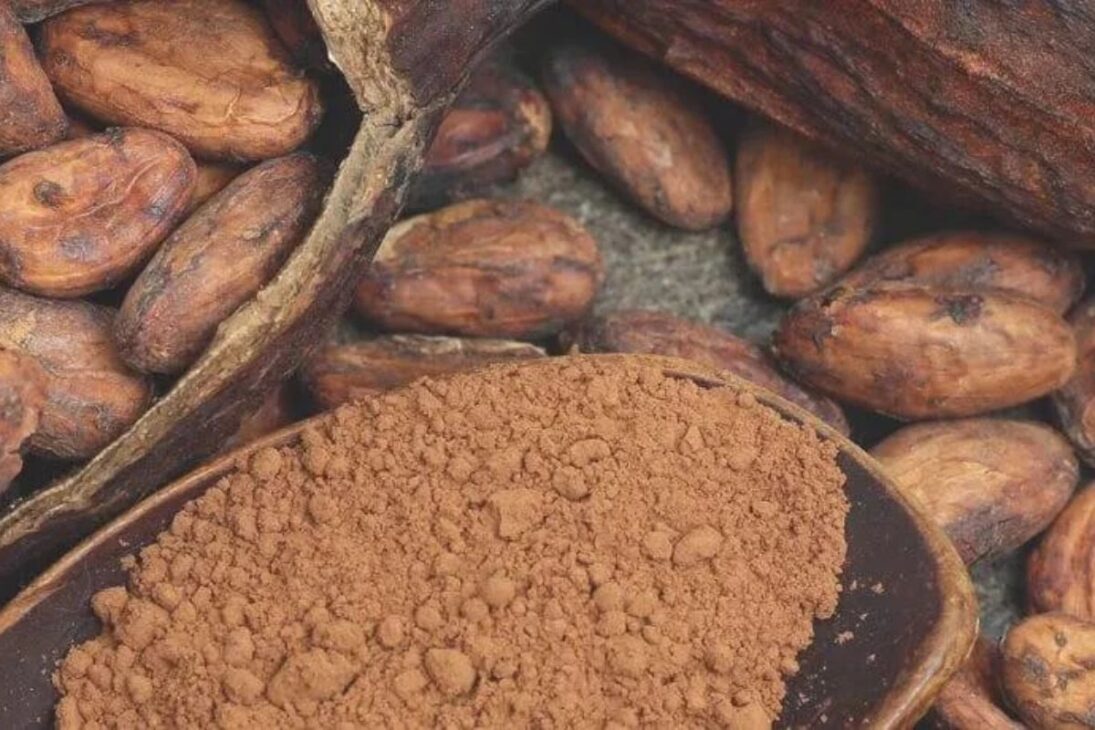
Just like coffee beans, cocoa beans need to be roasted. In large industrial rotary drums, they are heated to controlled temperatures. Roasting is the stage that truly awakens the characteristic aroma and flavor of chocolate. After roasting, the beans are shelled and ground by a series of rollers, transforming into a thick, bitter paste known as “cocoa liquor” or cocoa mass.
Step 3: The Magic of Conching – the Machine That Guarantees the Velvety Texture
If you have ever wondered why a quality industrial chocolate is so incredibly creamy and without any roughness, the answer lies in an invention from the 19th century. In 1879, Swiss Rodolphe Lindt invented the conching machine.
In this process, the cocoa mass (already mixed with sugar, milk powder, and cocoa butter) is placed in large tanks with granite or steel rollers that continuously agitate and heat it for hours, or even days. Conching has two main objectives:
- Remove unwanted acidity and moisture.
- Round off the sugar and cocoa particles on a microscopic level.
It is this continuous friction that creates the perfectly smooth and velvety texture that melts in your mouth.
Step 4: The Science of Tempering – the Secret of Shine and Snap
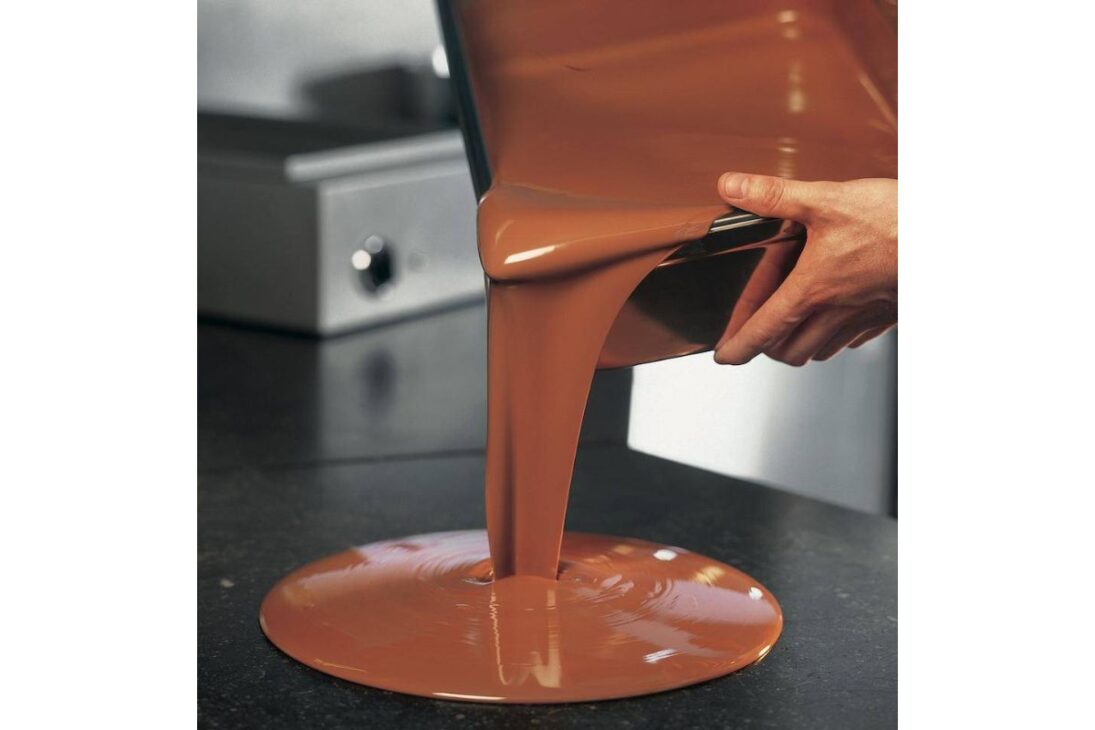
This is the most critical and scientific stage of the entire process. Cocoa butter, the natural fat of cocoa, can solidify into six different forms of crystals. Only one of them, the stable “Beta V”, results in chocolate that is shiny, firm, that breaks with a characteristic dry snap (the “snap”) and does not melt easily to the touch.
To ensure that only those “perfect” crystals form, the liquid chocolate goes through a process of industrial tempering. Specialized machines heat, cool, and reheat it in a cycle of extremely precise temperatures, ensuring perfect crystallization throughout the production. That is why a quality chocolate bar has that shine and impeccable texture.
Step 5: Molding and Packaging – the End of the Line
Finally, the tempered chocolate is poured into molds to create the bars, bonbons, and other shapes we know. The molds go through vibrating tables to remove air bubbles and then pass through long cooling tunnels to fully solidify. The final step is the demolding and high-speed automated packaging lines, preparing the product for its journey to the consumer.
The next time you celebrate World Chocolate Day, remember: behind that simple pleasure lies a world of engineering, science, and industrial technology.
On this World Chocolate Day, which stage of industrial manufacturing surprised you the most? Did you imagine there was so much technology behind your favorite bar?








Seja o primeiro a reagir!