





 Português
  Inglês
  Espanhol
  5 min de leitura
  0 comentários


Discover How Naval Industry Courses Train Essential Professionals for a Strategic Sector that Combines Tradition, Technology, and Great Career Opportunities.
The naval industry is one of the oldest and most essential in human history.
Since humans began to navigate, the need to build, maintain, and operate vessels naturally arose. This gave rise to various professions linked to the sector.
With the advancement of technology, naval industry courses have become even more important for training qualified professionals for this strategic and challenging market.
-
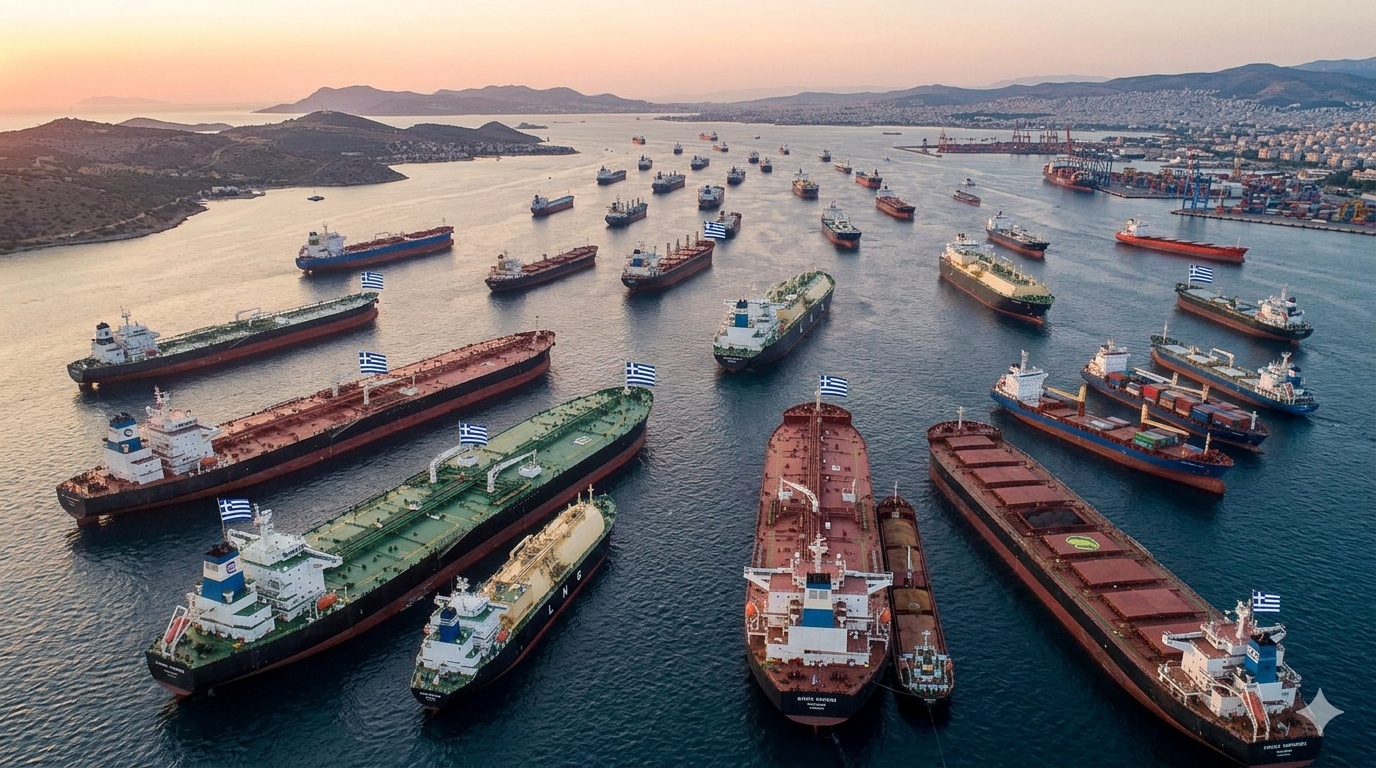
Neither the USA nor China: a small European nation has become one of the largest maritime powers on the planet, controlling one of the largest merchant fleets in the world with thousands of ships and dominating the global transportation of oil and strategic cargo.
-
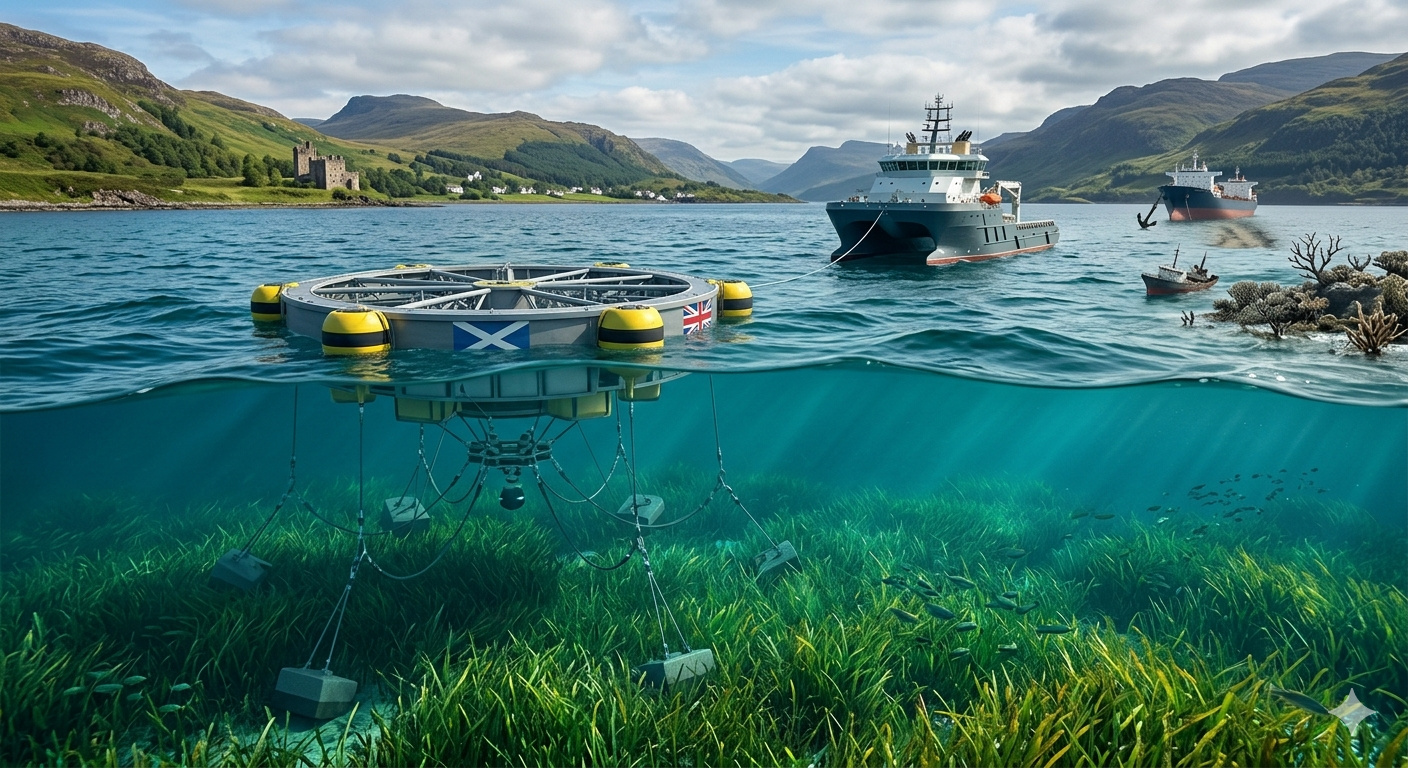
Scotland and the United Kingdom have created a new anchoring system that floats in the water without touching the seabed, after discovering that the current from a conventional anchor destroys up to 50 m² of seagrass meadow per event and that ship-damaged reefs showed no signs of recovery even ten years later.
-
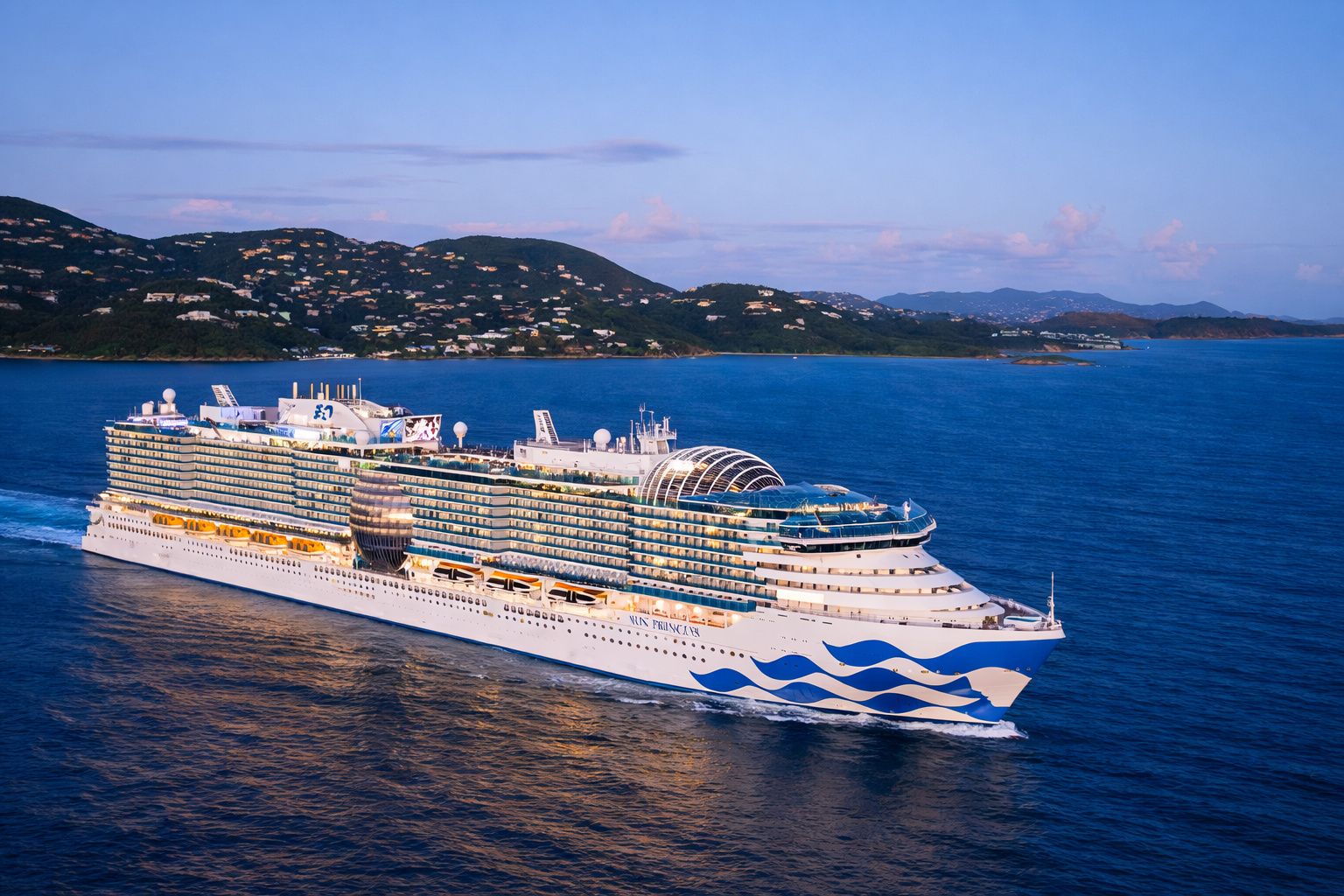
Weighing 175,500 Tons, Measuring 345 Meters Long, and With Capacity for Over 4,300 Passengers, the Sun Princess Becomes the Largest Ship Ever Built by Princess Cruises and Attracts Global Attention for Its Huge Glass Dome Inspired by Santorini’s Architecture Installed on Top of the Vessel
-
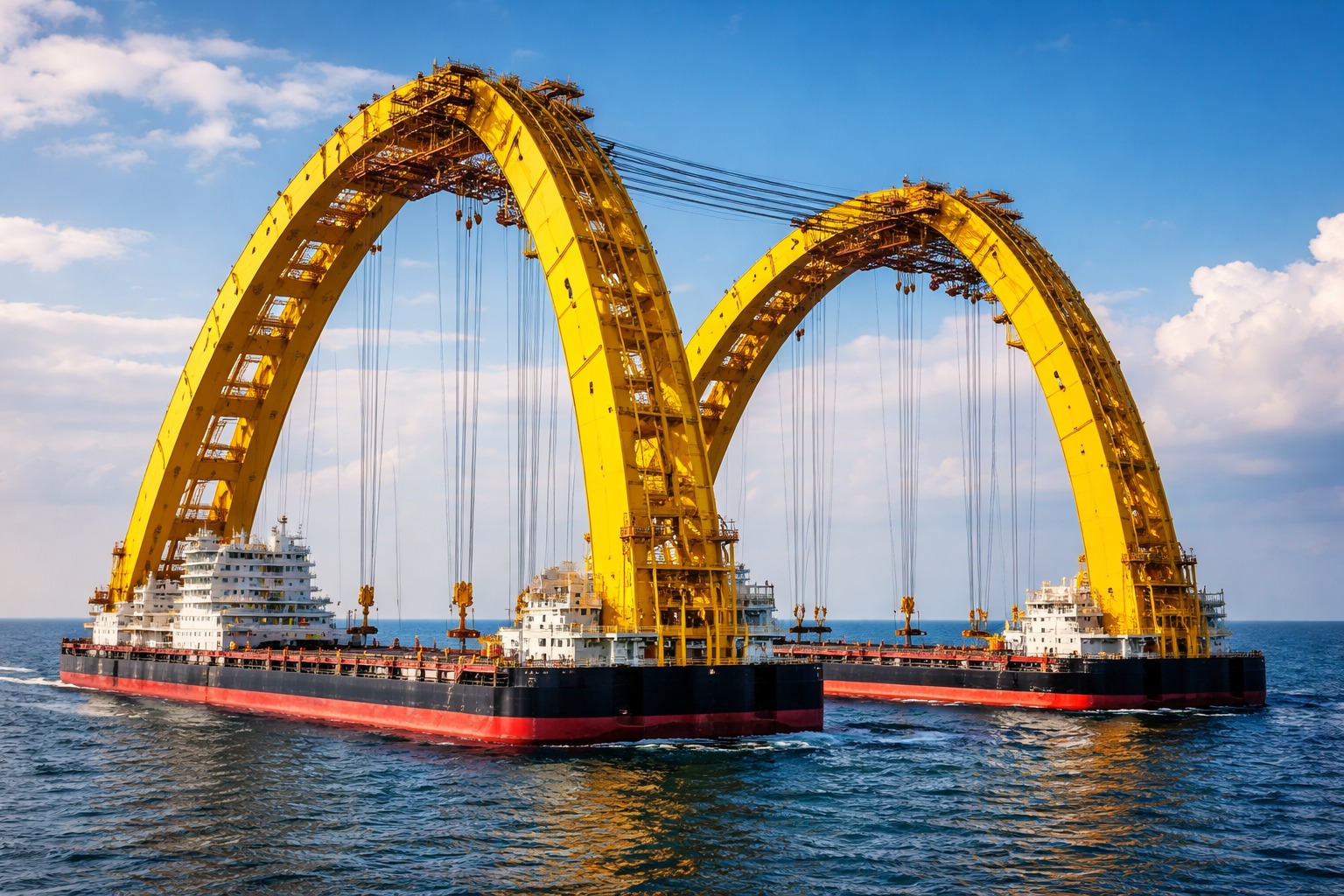
TX-10, The Colossus of The Sea: Largest Lifter Ship in The U.S., With Two Giant Barges, 73-Meter Tall Structure, and Strength to Raise 7,500 Tons of Sunken Oil Rigs

Therefore, this article serves as a comprehensive guide for those who wish to understand what these courses are, how they originated, where to study them, what areas they cover, and the opportunities they offer.
Thus, at the end of the reading, you will have a broad and clear view of this universe.
The Origin of the Naval Industry and Its Historical Impact
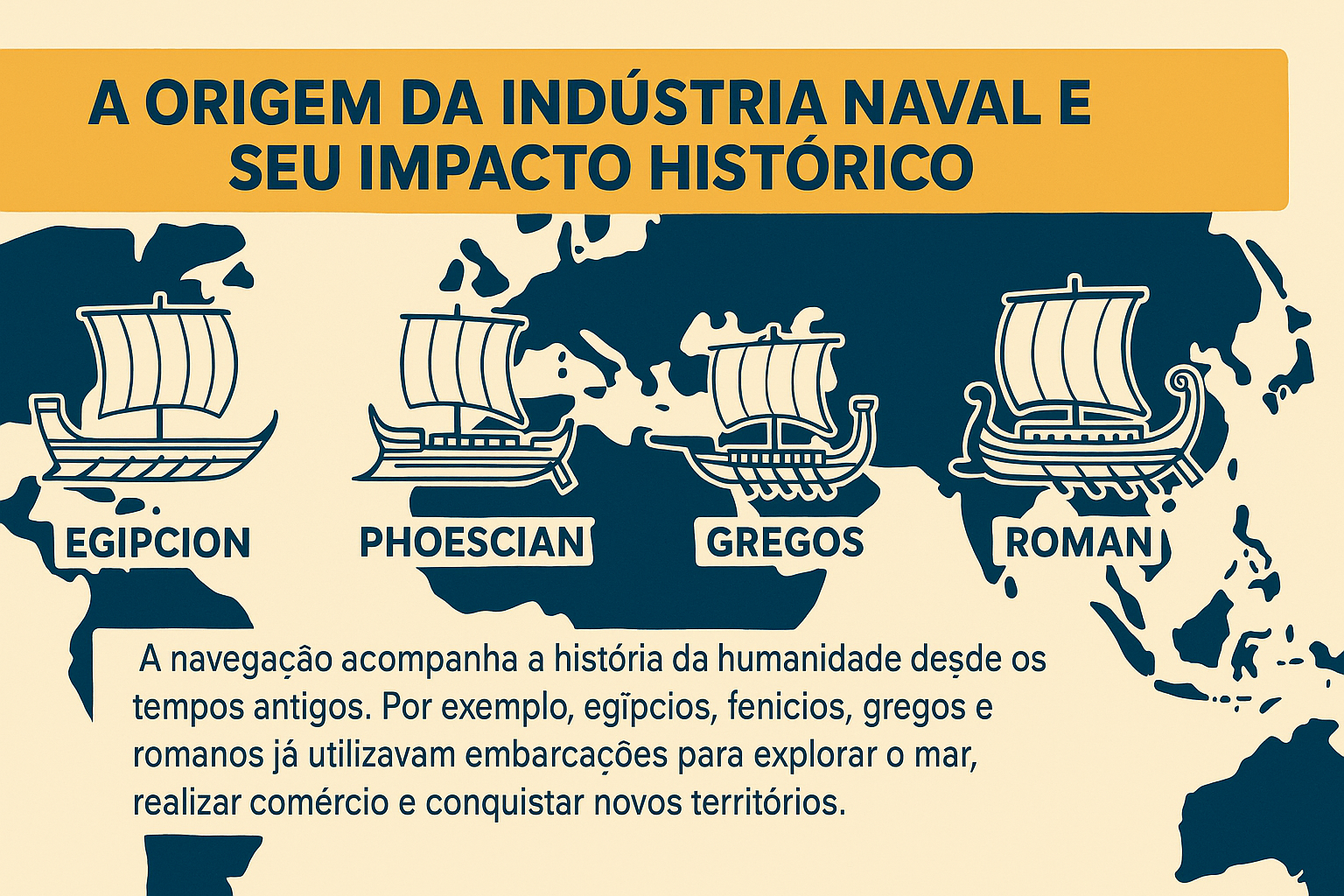
Navigation has accompanied the history of humanity since ancient times. For example, peoples such as the Egyptians, Phoenicians, Greeks, and Romans already used vessels to explore the sea, conduct trade, and conquer new territories.
As the centuries passed, shipbuilding became more complex, requiring increasingly sophisticated technical knowledge.
During the Age of Exploration, between the 15th and 17th centuries, the naval industry gained great strategic importance.
This drove the creation of specialized nautical schools to train qualified professionals.
According to the Brazilian Historical and Geographical Institute (IHGB), this period marked the strengthening of the naval industry as a determining factor for maritime and commercial expansion.
In Brazil, the naval industry began to stand out during the imperial period. According to data from the Brazilian Navy website, in 1846 the School of Apprentice Sailors was created, considered the starting point of formal naval training in the country.
This initiative aimed to prepare professionals to work in the Imperial Navy and later in the Brazilian Navy.
In the 1950s and 1970s, the Brazilian government intensified investments to modernize shipyards and expand naval training programs.
According to the Ministry of Defense, these investments were essential for the development of the national naval industry and the strengthening of the maritime economy.
As a result of these actions, new technical institutions and universities focused on naval education emerged, consolidating the sector as strategic for Brazil’s development.
Why Are Naval Industry Courses So Important?
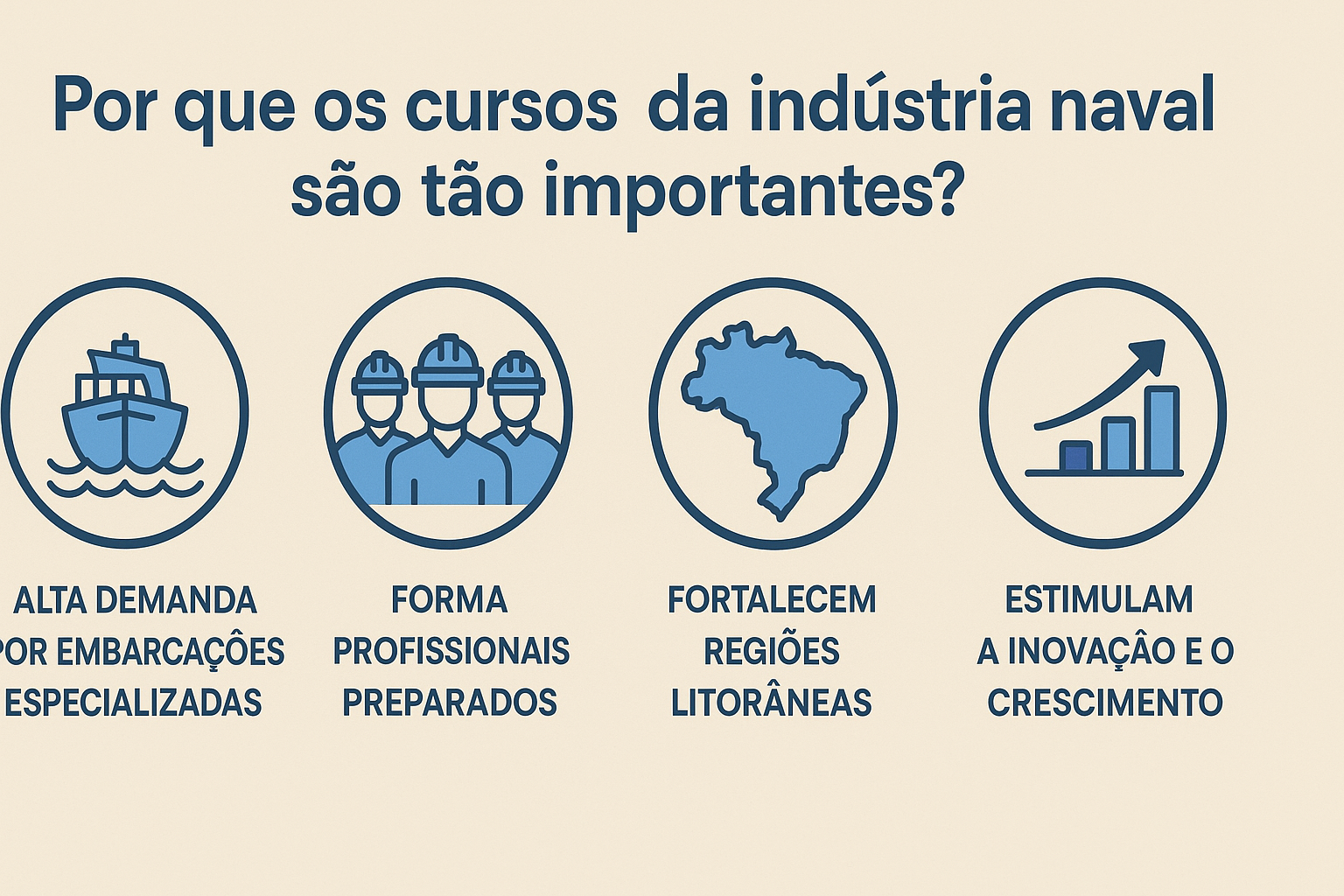
Currently, the naval industry transports the majority of the goods that circulate around the world. Thus, the demand for specialized vessels — such as cruise ships, offshore platforms, tugboats, and fishing boats — continues to grow.
To meet this demanding market, it is essential to have well-prepared professionals.
The naval industry courses train individuals to work in various areas: technical, operational, design, and management.
These professionals work in shipyards, ports, vessels, and maritime logistics companies.
Moreover, the courses combine theory and practice, reflecting the reality of the sector and preparing students for daily challenges.
These courses also economically strengthen coastal regions, such as Rio de Janeiro, Pernambuco, Santa Catarina, and Rio Grande do Sul. According to the National Confederation of Industry (CNI), these states are strategically important for the Brazilian naval sector, which generates thousands of direct and indirect jobs.
By investing in training new professionals, these states stimulate innovation and growth in the naval industry in Brazil.
According to the National Institute of Educational Studies and Research Anísio Teixeira (INEP), Brazil currently has more than 50 institutions offering technical and higher education courses related to the naval industry.
Where to Study and the Main Course Options
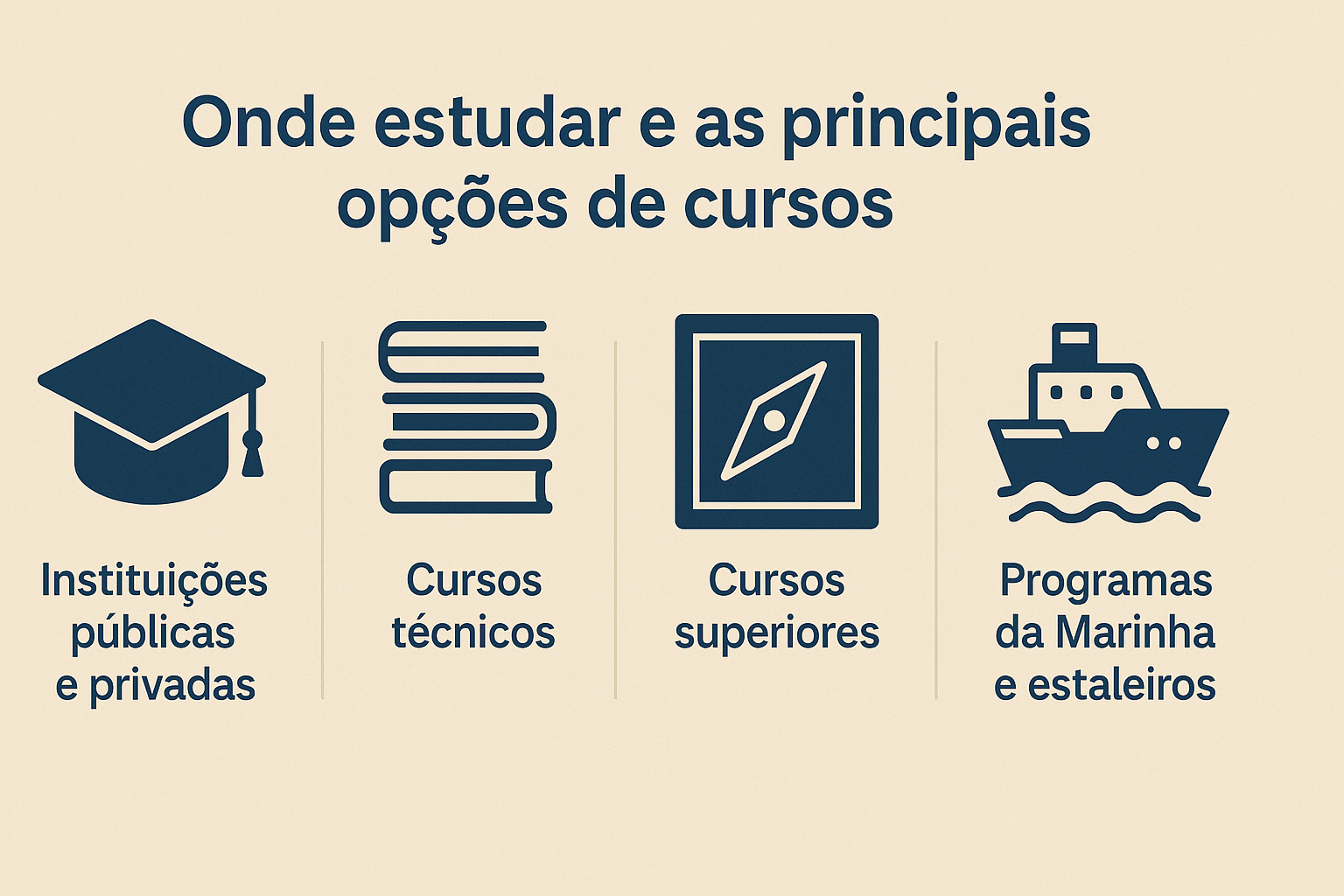
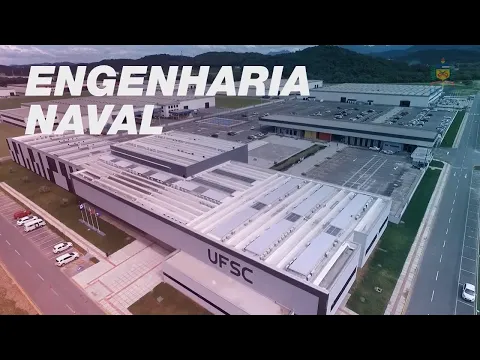
Currently, several public and private institutions offer naval industry courses.
Students can choose between technical courses, higher technology degrees, engineering, and specific programs from the Navy or training centers linked to shipyards.
Technical courses, such as naval construction, naval mechanics, and vessel maintenance, have an average duration of two to three years.
Therefore, they are excellent options for those who want to quickly enter the job market.
On the other hand, higher education courses, such as naval engineering or ocean engineering, have an approximate duration of five years.
These courses offer a more complete and in-depth education, enabling students to develop naval projects, analyze vessel structures, understand propulsion systems, and delve into hydrodynamics.
Additionally, many institutions establish partnerships with shipyards and ports to offer internships and practical experiences.
According to the Federal Council of Engineering and Agronomy (CONFEA), this proximity between education and the job market facilitates students’ entry into the naval industry.
Areas of Operation and Opportunities for Graduates
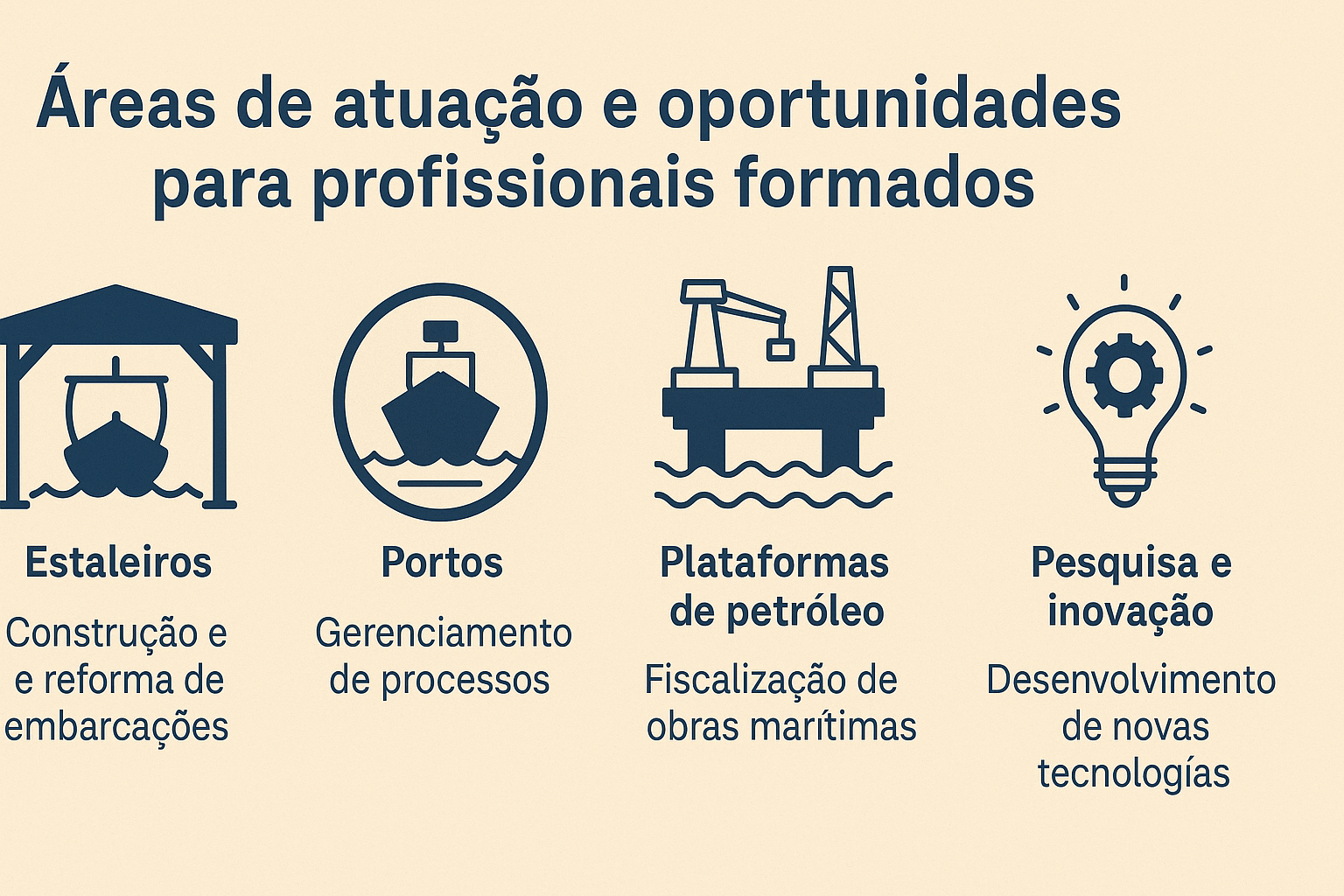
Those who complete naval industry courses find a highly diversified market.
Professionals work in the construction and renovation of vessels, managing processes in shipyards, overseeing maritime works, and developing technical and operational projects.
In addition to shipyards and engineering companies, many work in ports, merchant navies, maritime transport companies, oil platforms, and public bodies linked to port infrastructure.
On the other hand, they also can pursue careers in research and innovation.
Various institutes and universities promote the development of new technologies, such as ecological propulsion systems and sustainable methods for maritime transport.
Thus, those seeking constant improvement find space to grow in a constantly transforming sector.
The Influence of Technology and Modern Education in the Naval Industry
In recent years, technology has significantly transformed naval industry courses.
Today, students learn to use simulation software, 3D modeling, structural analysis, and production management.
Tools such as CAD and CAM are part of the daily routine in technical subjects.
Furthermore, the courses cover topics such as sustainability, emission reduction, and environmental impact.
Thus, professionals become aware of the importance of applying solutions that respect the environment.
With advancements in automation, robotics, and artificial intelligence, new possibilities arise.
In several countries, autonomous vessels are already operating efficiently.
Therefore, the need for qualified professionals to handle these innovative technologies is growing.
According to the International Maritime Organization (IMO), the naval industry has focused on sustainability and the use of clean technologies to reduce the environmental impact of the sector.
The naval industry courses train professionals who drive global trade and sustain innovation in maritime transport.
The tradition of navigation combines with technological modernity, creating a landscape full of opportunities.
For those interested in engineering, technology, projects, and challenges, this is a promising field.
With continuous training and readiness to evolve, professionals build a solid career, both in Brazil and abroad.
If you seek a profession with a direct impact on the world, the naval industry courses deserve your attention.









Seja o primeiro a reagir!