





 Portuguese
  English
  Spanish
  2 min of reading
  0 comments


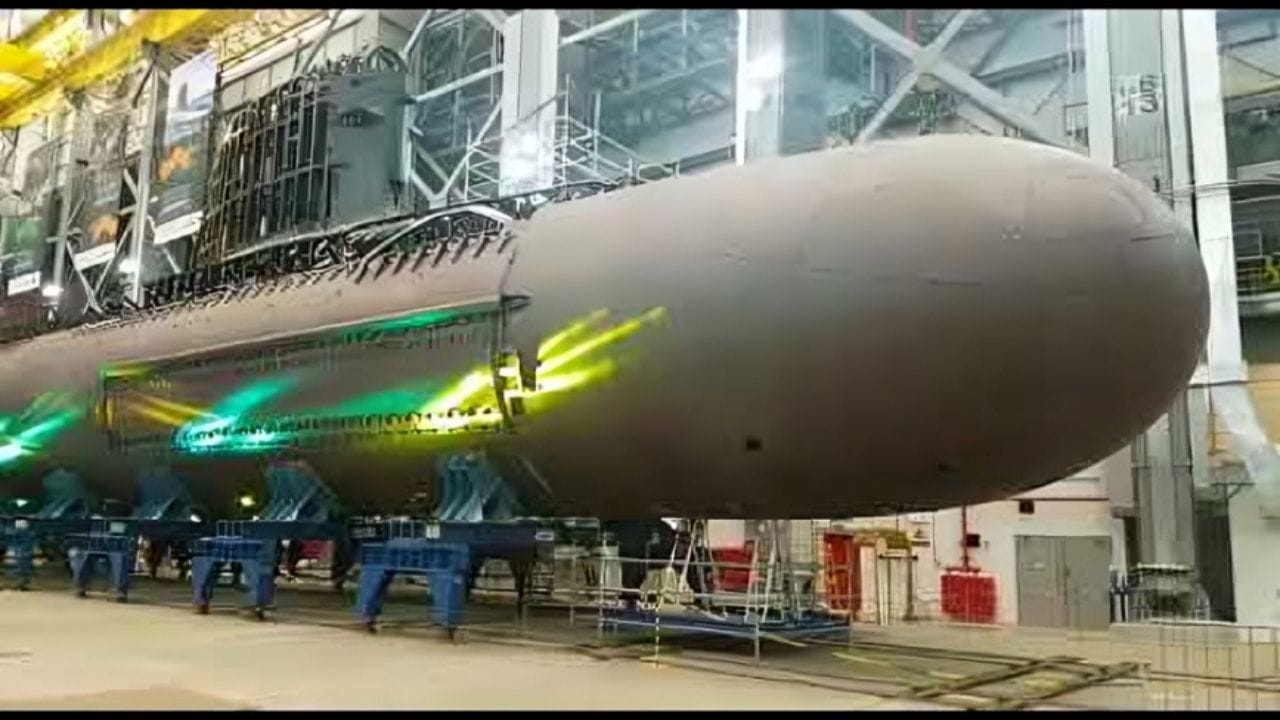
Nuclear Propulsion Is a Technology That Transformed the Naval and Energy Industry, Offering Unprecedented Capabilities with Significant Challenges.
Nuclear propulsion, one of the most sophisticated and controversial technologies of the 20th century, has been a landmark for both the naval industry and energy generation. Despite the risks associated with handling radioactive materials like uranium, its effectiveness in terms of power and autonomy has brought significant innovations, especially in ships and submarines. This article explores the mechanisms, benefits, and dangers of nuclear propulsion, providing a comprehensive overview of its functioning and impact.
The Origin of Nuclear Propulsion


The history of nuclear energy dates back to the 17th century, with German chemist Martin Klaproth, who discovered uranium in 1789. However, it was not until 1896 that French physicist Antoine Henri Becquerel discovered its radioactive properties, a fundamental step toward the development of nuclear fission, the process by which nuclear energy is generated. Enrico Fermi, an Italian physicist, pioneered studies in atomic physics, culminating in the construction of the first nuclear reactor in 1942, a milestone that paved the way for the use of nuclear energy.
How Does It Work?
Nuclear propulsion is based on nuclear fission, where uranium atoms are split to release a significant amount of energy. At the heart of a nuclear reactor, uranium-235 atoms are bombarded by neutrons, causing fission and releasing heat. This heat is used to heat water, turning it into steam, which in turn drives steam turbines connected to electric generators or, in the case of submarines and ships, propellers.
-
Fukushima Marks A Turning Point In Japan’s Energy Policy: After The Disaster, The Country Shut Down Its 54 Nuclear Reactors And, 15 Years Later, Only A Small Portion Have Returned To Operation
-
How Japan Overcame The Nuclear Bomb And Now Houses Millions In Hiroshima, While Ukraine Lost Chernobyl?

-
Bill Gates Receives Historic Approval to Build Giant 345 MW Nuclear Plant in the U.S. and Promises to Generate Up to 500 MW of Energy with Innovative Technology

-
India Opens Nuclear Energy to Private Capital to Accelerate Projects and Attract Billions, While Brazil Remains Stalled at Angra 3 and Discusses Who Will Foot the Bill for Completion

The autonomy provided by nuclear propulsion is unprecedented, with submarines capable of remaining submerged for months without the need for refueling. Additionally, nuclear energy allows vessels to operate at high speeds for extended periods. However, managing radioactive waste, the high cost of construction and maintenance, and the risk of contamination are significant challenges. Moreover, nuclear accidents, such as the Chernobyl disaster in 1986, highlight the potential dangers associated with this technology.
The Future of Nuclear Propulsion
While nuclear propulsion remains a vital force for the military naval industry, its application in ground vehicles and aircraft has remained impractical due to radiation risks and technical challenges.
However, the search for safer nuclear fuels, such as thorium, promises advances that could make nuclear propulsion a more viable and environmentally friendly option in the future. As the world continues to explore alternative energy sources, nuclear propulsion remains a testament to human ingenuity and the ongoing pursuit of innovation.









-

Uma pessoa reagiu a isso.