





 English
  Francês
  Alemão
  Italiano
  Japonês
  Norueguês
  Portuguese
  Spanish
  4 min of reading


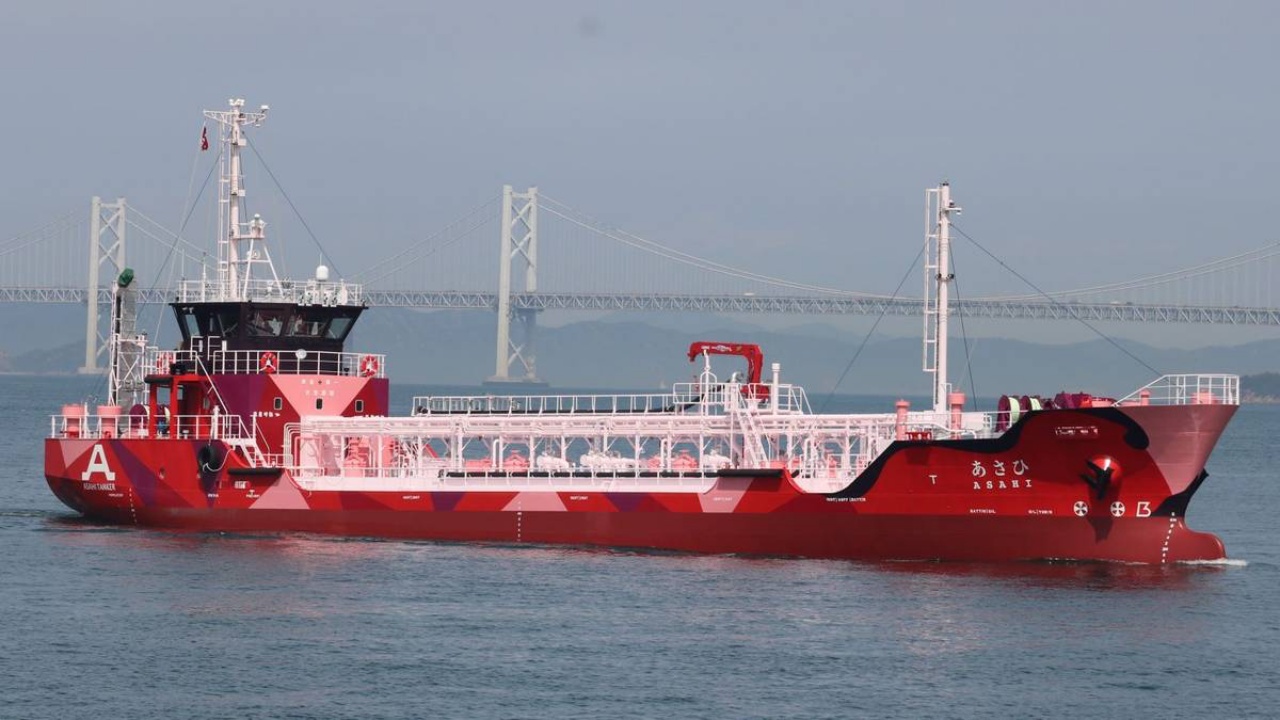
With a Capacity to Transport 1,277 m3 of Fuel, the World’s First Clean Energy-Powered Oil Tanker Was Built at Kawasaki Shipbuilding Yard
The world’s first electric-powered tanker commenced operations last Wednesday in Japan, after several weeks of testing and demonstrations. The 492-ton tanker is powered entirely by high-capacity lithium-ion batteries, making it carbon-free in its operations. The Asahi vessel operated by Asahi Tankers is in commercial service but is also seen as a demonstration ship contributing to the development of battery-powered vessels.
Watch the Video Below and Check Out the First Fully Electric-Powered Tanker on the Planet
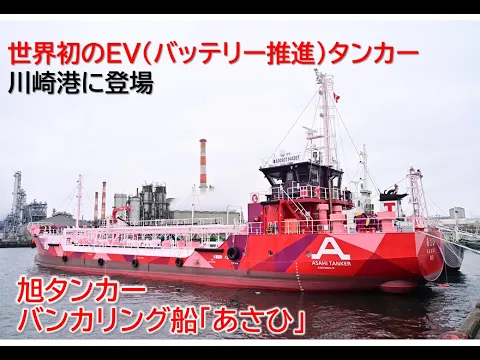

The design for the bunker ship was developed in cooperation with Japan’s e5 Laboratory as part of its effort to develop zero-emission vessels and through the use of technology to improve working conditions aboard the ship. It was launched in December 2021 by the Japanese shipbuilder Koa Sangyo and delivered to its owners Asahi Tankers on March 30.
The Second Electric-Powered Tanker in the World Has Been Ordered, It Will Be Built at Zosen KK Shipyard and Is Expected to Be Delivered in March 2023.
Measuring 62 meters in length, the tanker has a capacity to transport 1,277 m 3 of fuel, providing bunkering operations in Tokyo Bay. On April 26, the Asahi refueled the Mitsui O.S.K. car carrier operated by the Victorious Ace at the Daikoku Pier C-1 Wharf in Yokohama. According to the companies, this “marked a commemorative moment for the first bunkering operation of the Asahi.”
-
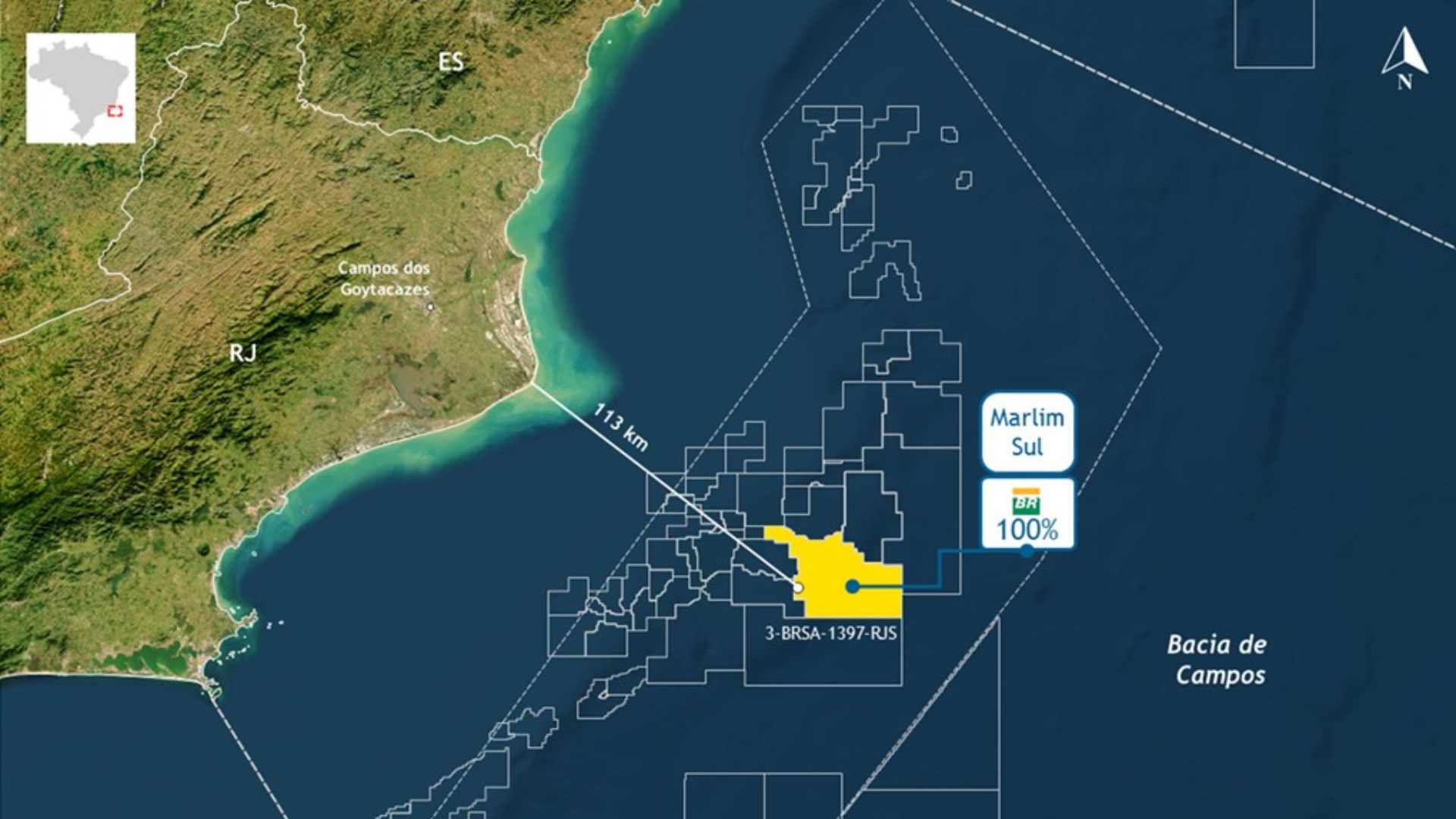
Petrobras announces new oil discovery in the pre-salt of the Campos Basin and reinforces Brazil’s prominence with high-quality reserves that can increase production and energy revenues.
-
Alert in the fuel market: Analysts and a former director of ANP warn that oil prices may worsen in the coming months due to global instability.
-
Ocyan brings executives and digital solutions to Macaé Energy 2026 and highlights offshore expansion with Nexio and a new base in Macaé.

-
Petrobras advances 4.6% with rising oil prices and the dollar, reigniting the debate on macro risks, pricing policy, and fiscal impact in Brazil.

The vessel’s power is stored in a lithium-ion battery developed by Corvus Energy, with the propulsion system built by Kawasaki. They reported that the battery has a capacity of 3,480 kWh, providing all the energy needed for navigation, berthing, and cargo handling. The ship is propelled by two 300 kW azimuth thrusters and also has two 68 kW lateral thrusters. The tanker has an operating speed of about 10 knots and a range of approximately 100 miles. It will take about 10 hours to fully recharge the batteries.
Since the delivery at the end of March, the ship has undergone power testing first at the shipyard and then at its newly constructed plant in Kawasaki. The specially designed plant recharges the vessel. As part of the project developed by e5 and Kawasaki, the Asahi can also serve as an energy source designed to provide support during emergencies or natural disasters.
The ship attracted large crowds of spectators, along with shipbuilding industry employees who inspected it during its previews last week. Besides the zero-emission operations, Asahi reports that the tanker provides a more comfortable working environment, with less noise and vibration than traditional vessels. They also expect reduced requirements for engine maintenance.
Asahi has contracted for the construction of a second electric-powered bunker tanker. The ship will be built at Zosen KK shipyard and is expected to be delivered in March 2023.
MOL Group Has Now Set a Goal to Achieve Net Zero GHG Emissions by 2050
The MOL Group has now set a goal to achieve net zero GHG emissions by 2050 in its “MOL Group Environmental Vision 2.1,” announced in June 2021. The new vision is an update to the “MOL Group Environmental Vision 2.0,” announced in June 2020. The company is analyzing scenarios, adopting the framework of the Task Force on Climate-related Financial Disclosures (TCFD). More specifically, the goals that MOL has set are:
- Deploy zero-emission ocean-going vessels in the 2020s;
- Reduce greenhouse gas emissions intensity by approximately 45% by 2035 (versus 2019);
- With concerted effort across the Group, achieve net zero GHG emissions by 2050.
To achieve its goals, the company will pursue five initiatives to accomplish its medium- and long-term objectives. Through these five initiatives, it will work with industry partners to reduce its own GHG emissions and those of society. These initiatives are as follows:
- Adoption of Clean Alternative Fuels: Use of LNG, synthetic methane, ammonia, hydrogen as vessel fuel;
- Improvement of Energy-saving Technologies: Equipping vessels with the Wind Challenger system and introducing other new technologies;
- Increasing Operational Efficiency: Reducing fuel consumption through real-time monitoring of the vessel’s operational status;
- Building Business Models to Enable Net Zero GHG Emissions: Active involvement in regulation and legislation, fair emission disclosure, and introduction of Internal Carbon Pricing;
- Expansion of Low-Carbon Projects and Decarbonization Through the Concentrated Strengths of the MOL Group: Development of businesses in the field of next-generation fuels, such as offshore wind farm projects, hydrogen, and ammonia.









Seja o primeiro a reagir!