





 Portuguese
  English
  Spanish
  6 min of reading
  0 comments


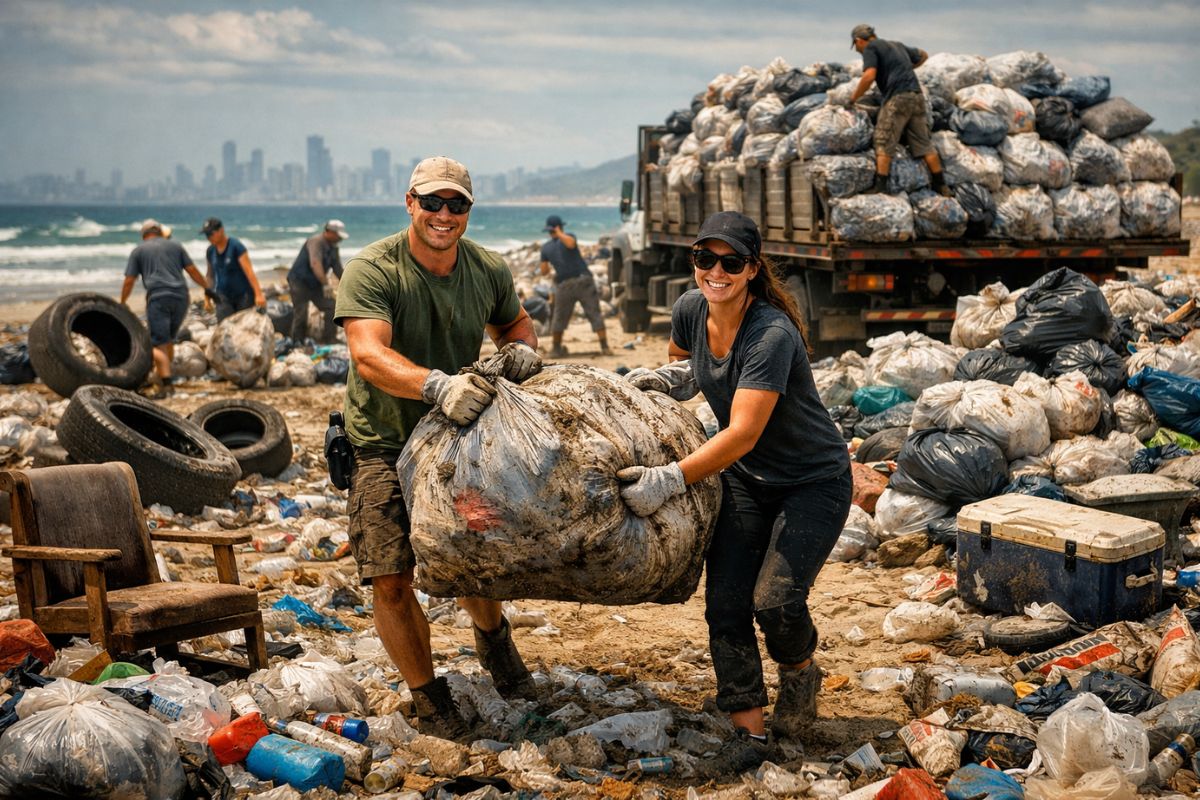
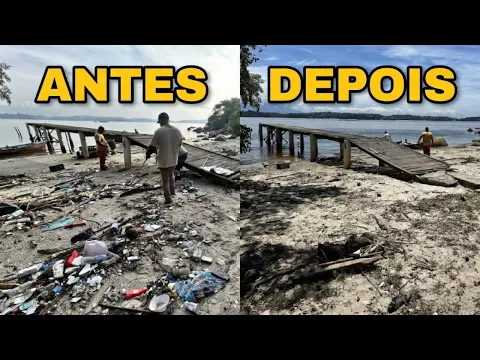
Among PET Bottles, Cups, Tires, Sofas, and Even Refrigerator Doors, Tons of Trash Covered the Sand of a Protected Area on Fundão Island, Mobilizing Fishermen and Activists and Showing, in a Few Hours of Cleanup, How Guanabara Bay Continues to Receive Irregular Disposal at an Alarming Daily Scale.
The tons of trash scattered across the sand of Fundão Island transformed a landscape that could remind one of a natural refuge into a harsh portrait of pollution in Guanabara Bay. Bottles, tires, furniture, packaging, and waste floating or buried in the sand strip made it clear that the problem has surpassed visible dirt and began to directly affect the fauna, flora, and the routines of those who rely on the sea.
To face this scenario, volunteers joined with fishermen and environmental activists in a focused cleanup effort, separating, bagging, and weighing throughout the day. The result was significant: two tons removed in just a few hours, in a protected area that clearly exposes the magnitude of the challenge and the urgency to contain irregular disposal before it returns to the water.
A Stretch of Sand Occupied by All Kinds of Waste
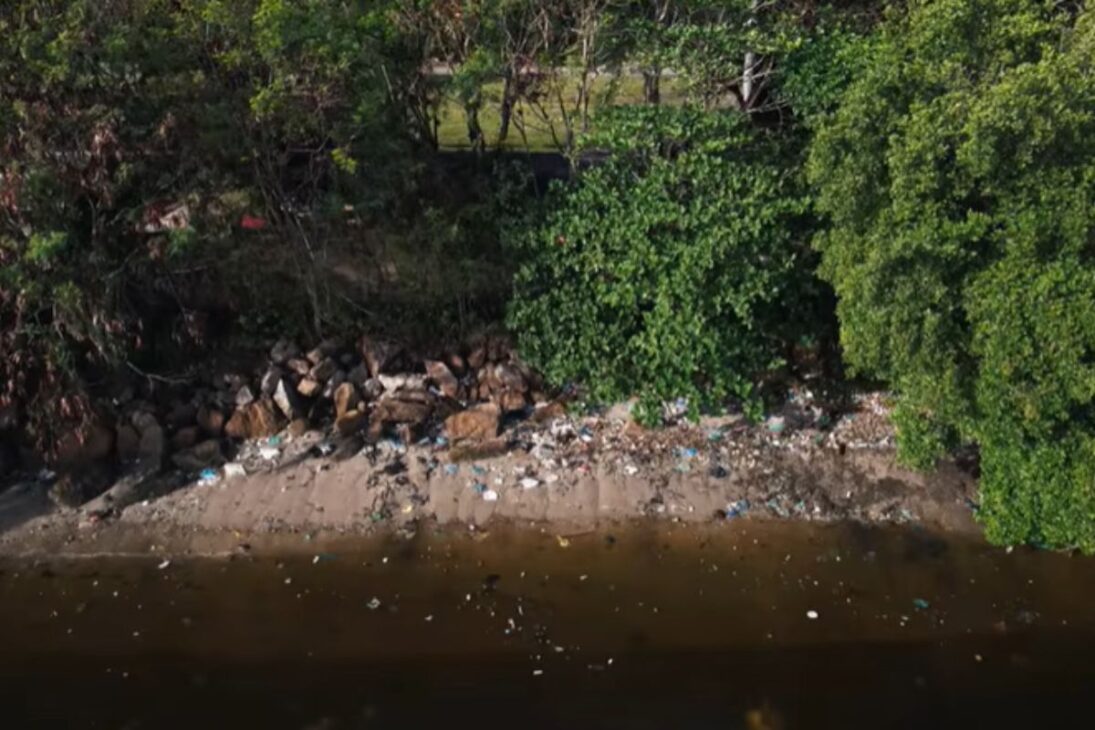
What appeared during the cleanup helps to understand why the scene had an immediate impact. There was a lot of everyday consumer packaging, such as PET bottles, disposable cups, cans, and glass bottles, but the problem was not limited to the lighter and more common trash. The sand also hid or accumulated sneakers, clothes, tires, an entire sofa, a refrigerator door, pieces of larger objects, and a series of incorrectly discarded materials that no longer matched the idea of a protected area.
-
Italian researchers have detected what appears to be a second Sphinx buried under the sands of Egypt, and satellite scans reveal a gigantic underground megastructure hidden beneath the Giza Plateau for over 3,000 years.

-
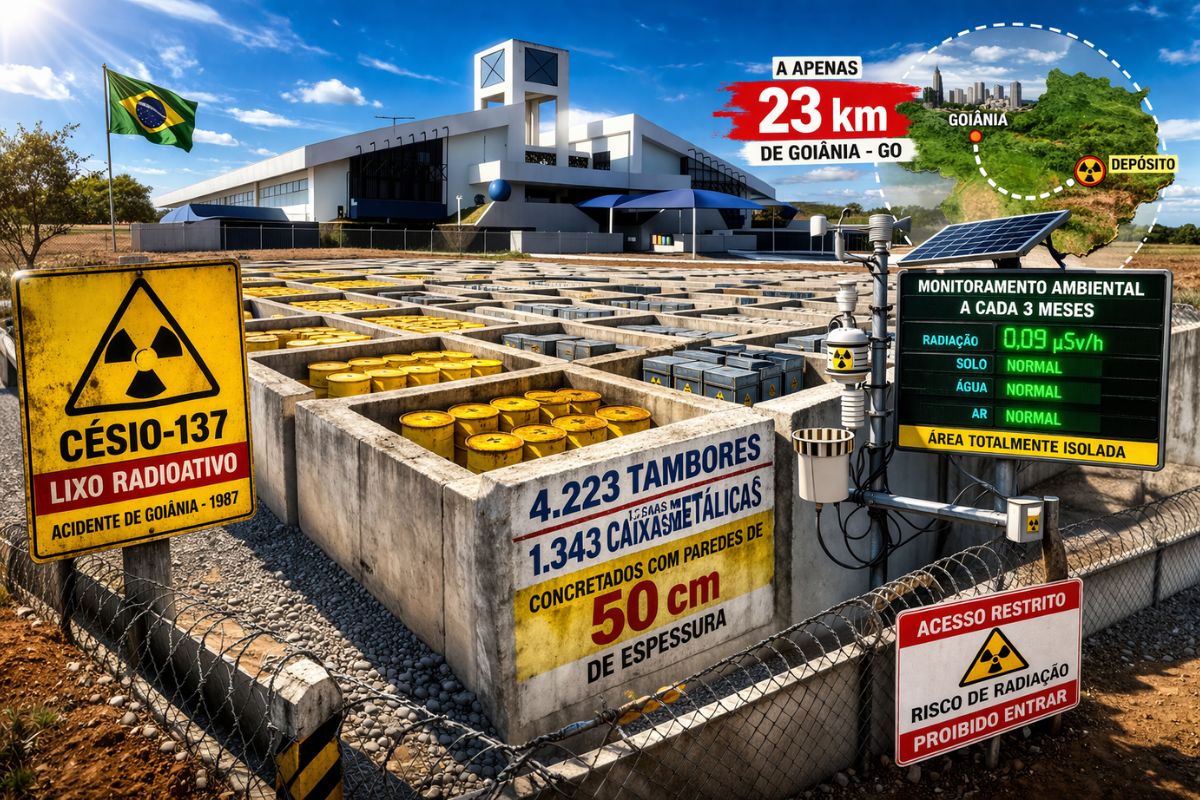
There are 4,223 drums and 1,343 metal boxes concreted with 50-centimeter walls that store the radioactive waste from Cesium-137 in the worst radiological accident in Brazil, just 23 kilometers from Goiânia, with environmental monitoring every three months.
-
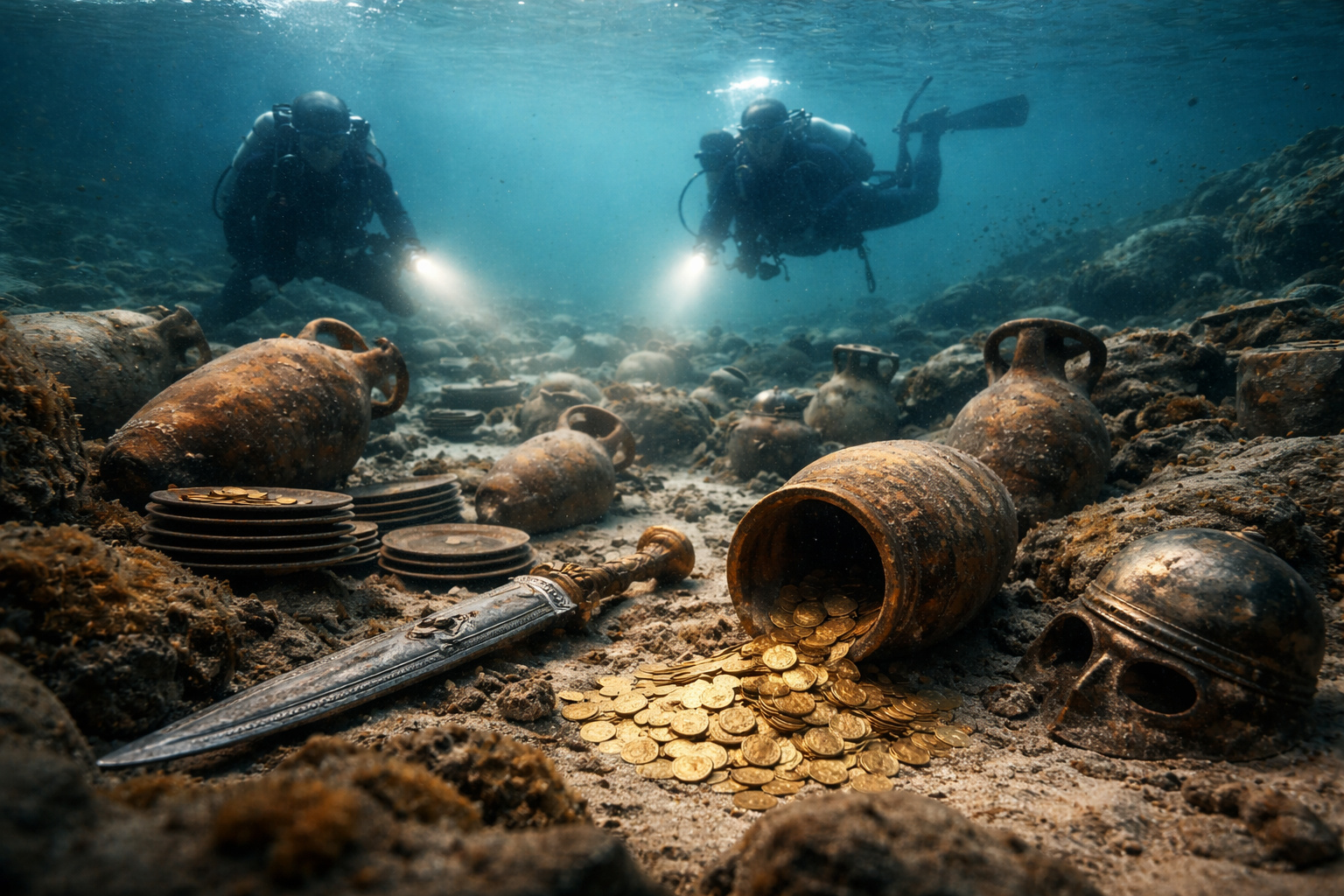
Giant Roman treasure found at the bottom of Lake Neuchâtel in Switzerland reveals an advanced trade system, circulation of goods, and armed escort in the Roman Empire about two thousand years ago.
-
He buried 1,200 old tires in the walls to build his own self-sufficient house in the mountains with glass bottles, rainwater, and an integrated greenhouse.

This mix of waste shows that pollution does not arise from a single source. It was not just dirt scattered by the wind or carried by the tide, but the visible result of consumption habits, improper disposal, and the lack of a correct destination for objects that were once bought and used by someone. When such different items appear in the same stretch of beach, what is seen is not just abandonment: it is proof of how urban waste can reach, accumulate, and remain in a sensitive natural environment.
How the Action Was Organized to Remove Two Tons in a Few Hours
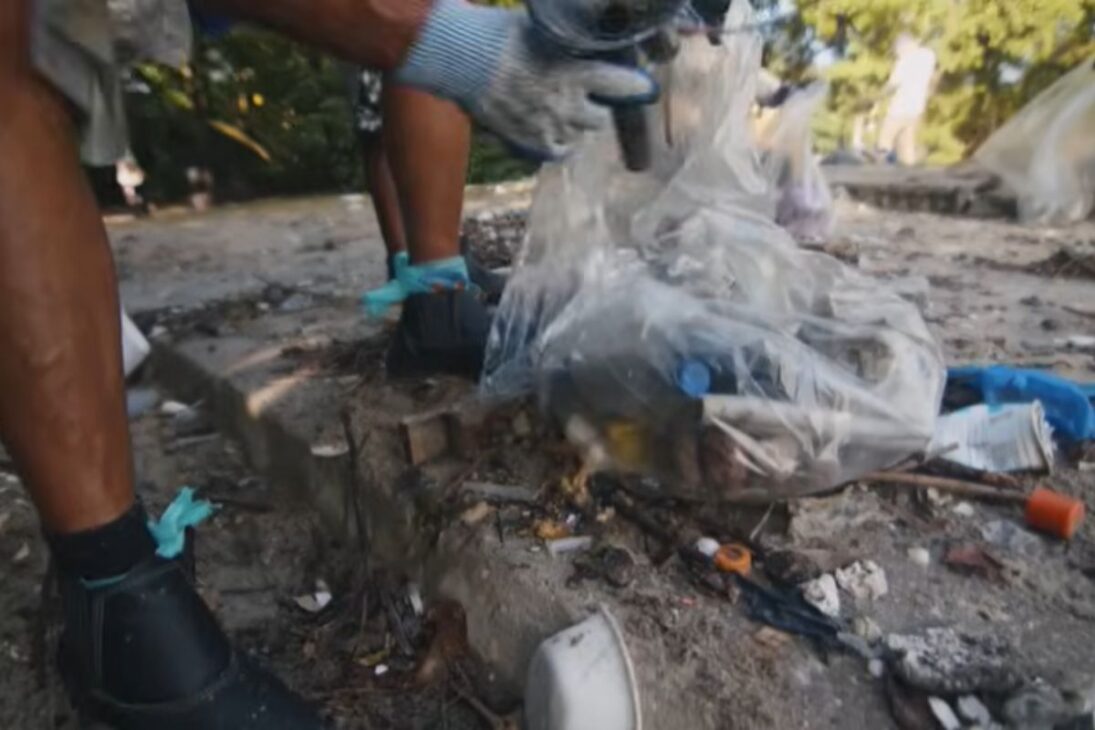
The cleanup started with everyone equipped and protected, in a dynamic that required speed, criteria, and coordination. The group separated plastic, metal, and paper, set aside what was part of nature, such as branches, seeds, and stones, and concentrated efforts on what really needed to be removed. Trash was bagged and weighed throughout the day, a practical decision to avoid losing control over the total volume collected. At a first weighing moment, the bags already totaled 241 kilos.
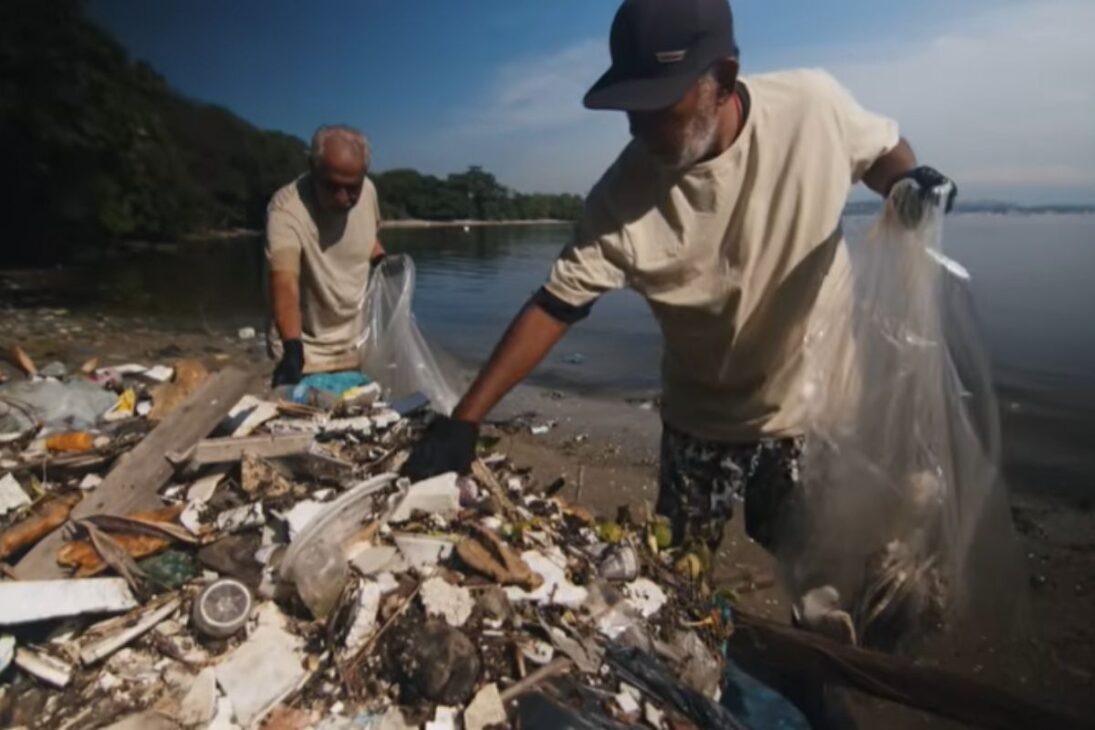
Throughout the operation, the volume increased impressively. A single bag filled in a short time weighed 7.3 kilos, helping to gauge the extent of the contamination spread across the sand.
Later, the total reached 979 kilos, still far from seeming sufficient given what remained at the site. When the clock struck noon, the goal was achieved: two tons of trash had been removed in just one day, a result that draws attention not only for the number but also for the speed with which it was achieved.
The Weight of Pollution on Fishermen and Residents of the Region
The presence of fishermen in the action was not symbolic. They represent one of the groups most directly affected by pollution, as they deal with the bay’s degradation in their daily work. The difficulty of fishing increases when the fish population decreases and, at the same time, trash starts to hinder navigation. Waste gets caught in the propeller, compromises the motor, and turns the moment of pulling the net into a frustrating experience, where the expected catch is replaced by discarded material.
By including this community in the cleanup, the action also created a social response to the environmental problem. In addition to helping remove the tons of trash, the mobilization opens space for extra income and strengthens the connection between preservation and local survival. Those who suffer first from pollution can also become central to the solution, leading the discussion to families, neighborhoods, and their own social cycles. This broadens the cleaning impact beyond that particular day.
Why Trash Continues to Arrive Even After Removal
The landscape of Fundão Island helps explain a logic that repeats in different parts of Guanabara Bay. Much of the trash that appears on the sand does not originate there. It leaves the streets, goes through drains, flows to rivers, and ends up being pushed out to sea, especially after heavier rains.
When disposal is irregular and collection can’t keep up, waste travels this path easily. The result is that a beach can be cleaned today and return to receiving trash shortly after.
This is one of the reasons why the work is often seen as insufficient in light of the scale of the problem. If one area improves but another remains dirty, the material returns to circulate, because the sea does not respect divisions between one stretch and another.
It is not enough for one beach to improve in isolation if the surrounding area continues to dump waste into the water. Cleaning, in this context, works as an immediate response and also as a public example, capable of showing the magnitude of the damage and the urgency to prevent it from continuing to be reproduced.
The Direct Impact on the Fauna and Flora of the Bay
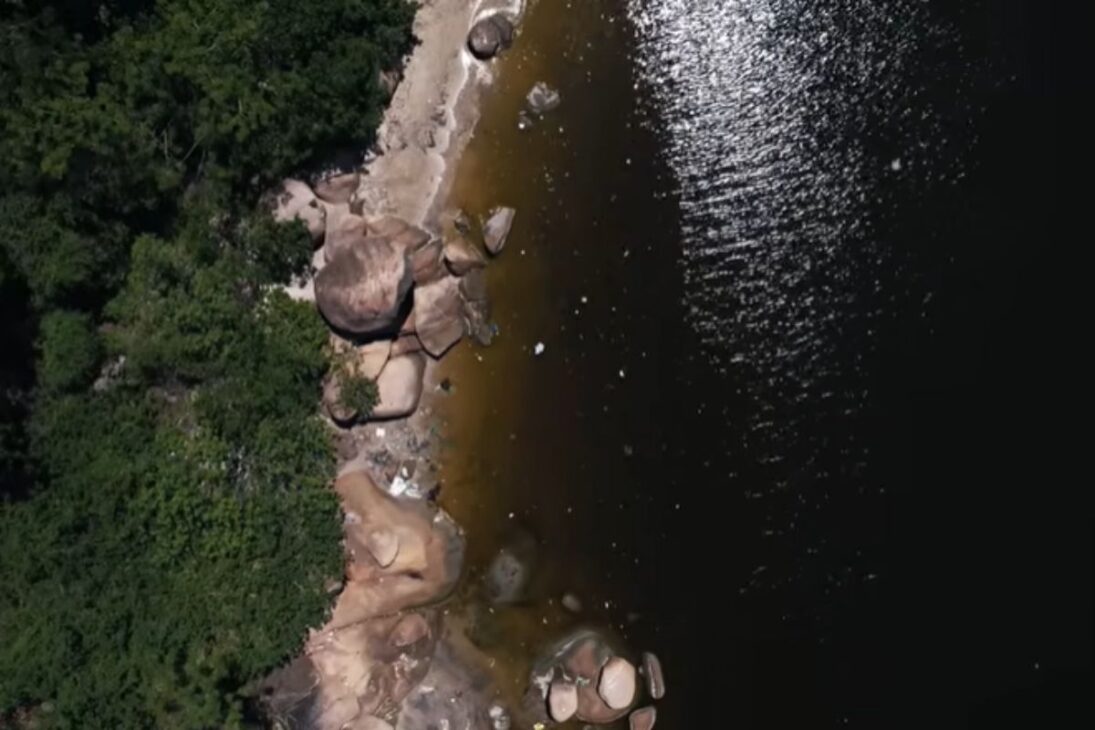
The problem does not end when trash reaches the sea. Many residues start to serve as a base for encrustations and small organisms, forming structures that alter the environment and hinder the survival of animals.
In some cases, rescue attempts are still possible, with the removal of these organisms to return them to the water, but not all manage to survive after associating with unsuitable material. The scene reveals a harsh contradiction: what should be in the ocean starts to compete for space with what should never have reached there.
In practice, pollution compromises the life of fish, birds, turtles, crabs, and even dolphins that still live in the bay. The perception of those who observe the area closely is clear: at many moments, it seems there is more trash than visible life.
When it is stated that more than 100 tons are dumped daily into Guanabara Bay, the removal of two tons takes on another significance. The achievement impresses, but it also exposes the size of the disadvantage, because it would take fifty equivalent efforts just to compensate for the volume dumped in a single day.
The Destination of the Collected Material Shows that the Problem Continues After Cleanup

After the removal from the sand, the waste goes to the cooperative, where it is sorted. What still has recycling potential can be sent to industry, but a significant portion already arrives too degraded for this reuse.
Many of the materials found in nature are in an advanced state of contamination, deterioration, or mixing, which further reduces the chances of returning to the productive cycle, leading to landfill disposal.
This outcome leaves an important message. Removing the tons of trash from the beach prevents them from continuing to harm the environment, but it does not alone resolve the origin of the problem. Before the final scene of cleaning, there was consumption, packaging choice, improper disposal, and failure in the path to adequate destination. The crisis does not start on the sand; it only becomes more visible there. Therefore, the image of tires, furniture, bottles, and filled bags also serves as a reminder that each collected item had a starting point long before reaching the sea.
The action on Fundão Island shows that removing two tons in one day is both a concrete result and an uncomfortable alert.
The power of the mobilization proves that mobilization works, but the amount of waste found makes it clear that pollution in Guanabara Bay continues to be fed by a permanent cycle of irregular disposal, omission, and excess trash scattered through various paths to the water.
And in your city, which place most reveals this type of abandonment: beach, river, canal, lot, or square? Share in the comments what you have seen as the most severe instance of this type of pollution and what change would truly make a difference to prevent more trash from reaching nature.









-

Uma pessoa reagiu a isso.