





 Portuguese
  English
  Spanish
  4 min of reading
  0 comments


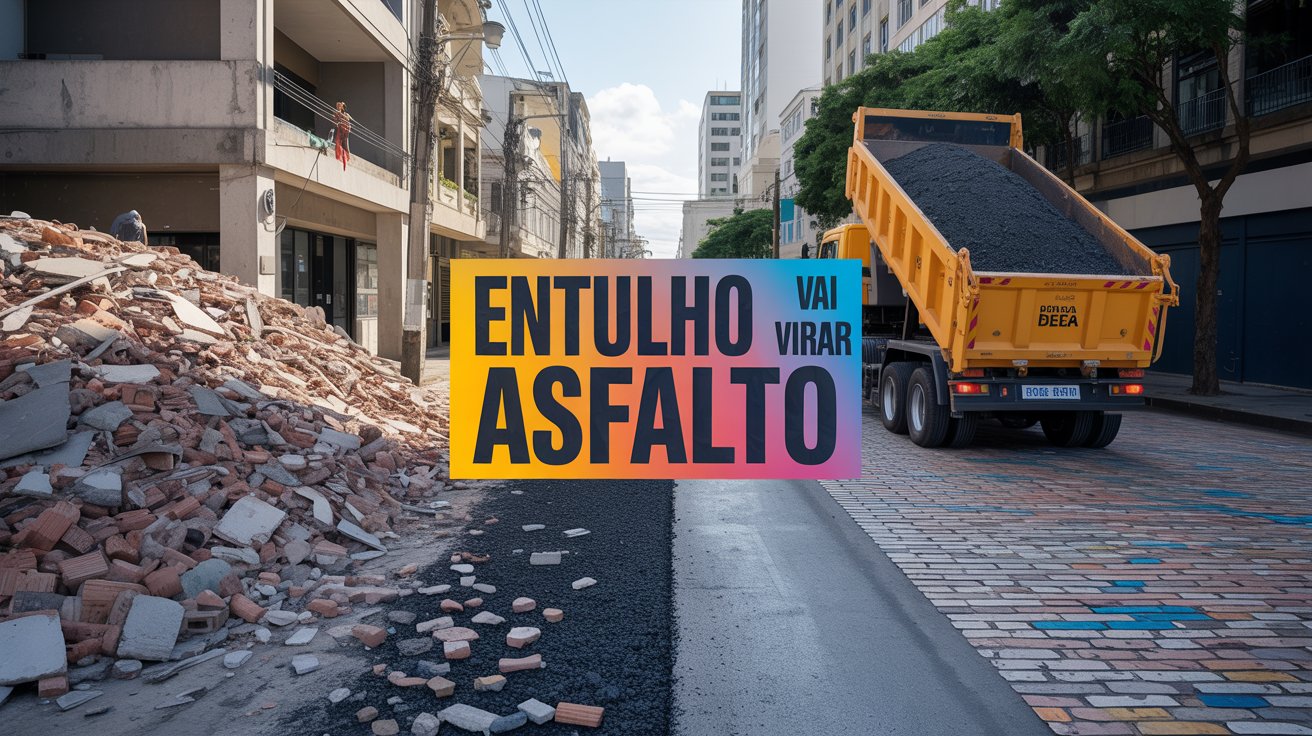
Proposal May Change the Destination of Debris in Porto Alegre, Mandating the Use of Recycled Materials in Public Works and Encouraging Sustainable Practices in the Construction Sector.
The Porto Alegre City Council is analyzing a bill that could radically transform the fate of construction waste in the city.
Authored by councilor Cláudia Araújo (PSD), the proposal mandates the use of at least 10% of recycled materials from debris in public works, such as street paving, sidewalks, drainage, and other municipal interventions.
The goal is to provide an environmentally correct destination for the so-called debris — remnants of demolitions, renovations, and constructions — while also stimulating sustainable and economical practices in urban infrastructure.
-
Friends have been building a small “town” for 30 years to grow old together, with compact houses, a common area, nature surrounding it, and a collective life project designed for friendship, coexistence, and simplicity.

-
This small town in Germany created its own currency 24 years ago, today it circulates millions per year, is accepted in over 300 stores, and the German government allowed all of this to happen under one condition.

-
Curitiba is shrinking and is expected to lose 97,000 residents by 2050, while inland cities in Paraná such as Sarandi, Araucária, and Toledo are experiencing accelerated growth that is changing the entire state’s map.

-
Tourists were poisoned on Everest in a million-dollar fraud scheme involving helicopters that diverted over $19 million and shocked international authorities.


Use of Recycled Waste in Public Works
According to the presented draft, the City of Porto Alegre would have to include recycled materials in all non-structural works, such as base for asphalt, trench bottoms, walls, public walkways, and drainage channels.
The requirement, according to the text, aims not only to reduce improper waste disposal in vacant lots and riverbanks but also to promote the circular economy and reduce costs in acquiring traditional inputs, such as sand and gravel.
The bill draws inspiration from an already established experience in the municipality of Canoas, in the Greater Porto Alegre region.
Since 2018, Canoas has operated a public recycling plant for construction waste, capable of transforming debris into sand, gravel, and stone, which are used directly in municipal works.
According to official information, the initiative has contributed to reducing environmental impacts and saving public funds by replacing part of the conventional inputs with recycled materials.
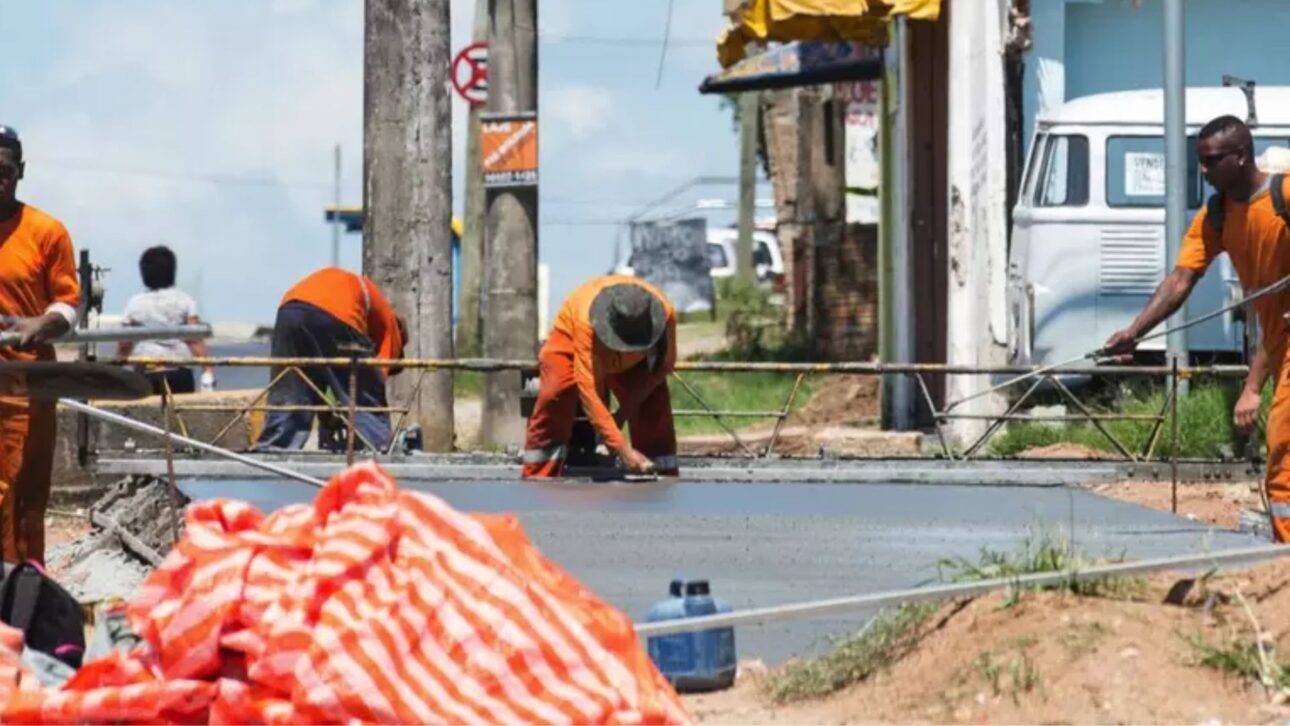
“The initiative in Canoas shows that recycling waste is technically viable and brings economic and environmental benefits to cities,” emphasizes the text of the bill under discussion.
Sustainability and Solid Waste Management
In addition to the environmental aspect, the proposal also considers the challenges of managing urban solid waste.
Data from the Brazilian Association for Recycling of Construction and Demolition Waste (Abrecon) indicates that in Brazil, approximately 60% of all waste produced in cities is construction debris.
A large portion of this material, when improperly discarded, contributes to flooding, environmental degradation, and increased costs for urban cleaning.
Porto Alegre, according to estimates from the Municipal Department of Urban Cleaning (DMLU), collects over 25,000 tons of debris monthly — enough to fill nearly a thousand dump trucks.
Brazil still recycles little of this material.
According to the Solid Waste Panorama released by the Brazilian Association of Public Cleaning and Special Waste Companies (Abrelpe), less than 6% of construction debris is effectively reused.
The majority ends up in landfills, dumps, or is improperly discarded.
With the new legislation, Porto Alegre aligns with a national trend to promote the use of recycled materials, integrating public policies on solid waste, sustainability, and urban development.
Technical and Environmental Advantages of Recycled Debris
Experts argue that adopting recycled debris in the paving of streets, sidewalks, and drainage brings technical and environmental advantages.
Studies from the Institute of Technological Research (IPT), linked to the Government of São Paulo, prove that when properly processed, construction waste can replace part of the sand, gravel, and stone in the composition of asphalt or the lower layers of paving, without compromising the quality or durability of the roads.
The use of these materials also reduces the extraction of natural resources and the emission of greenhouse gases associated with the transportation and production of new inputs.
Oversight and Articulation with Cooperatives
The proposal by councilor Cláudia Araújo also stipulates that the Executive regulates the oversight and verification of the use of recycled materials in public works contracts.
To make the measure feasible, the text suggests collaboration with recycling companies and local cooperatives, stimulating the development of a productive chain for reusing debris in Porto Alegre.
“It is an important step to encourage sustainability and value the responsible management of urban solid waste,” said the councilor during the project’s presentation in plenary.
National Context and Solid Waste Policy
The processing of the bill occurs in the context of revising national solid waste policies, driven by the National Solid Waste Policy (Federal Law 12.305/2010).
The Ministry of the Environment encourages municipalities to adopt innovative solutions for managing construction waste, including the use of recycled materials in public works, as a way to achieve sustainability goals and reduce the volume destined for landfills.
At the municipal level, the City of Porto Alegre already maintains partnerships with private companies for the proper disposal of collected debris, but the use of recycled waste in public works is still restricted to some pilot projects.
With the approval of the new legal framework, the municipality would have a clear and mandatory reuse policy, which could expand opportunities for waste picker cooperatives and recycling companies.
Impacts for the City and the Sector
The expectation is that the implementation of the new law will generate positive impacts for both the environment and the local economy, stimulating more responsible practices of urbanization and solid waste management.
The project is still under analysis by the City Council and will go through public hearings before being voted on in plenary.
As Porto Alegre discusses new strategies to face the challenge of construction waste, the experience of cities like Canoas demonstrates that it is possible to transform debris into a valuable resource for sustainable urban development.
How can the mandatory use of recycled debris change the construction landscape and inspire other Brazilian cities to adopt similar measures?









-

-

11 pessoas reagiram a isso.