





 Portuguese
  English
  Spanish
  5 min of reading
  0 comments


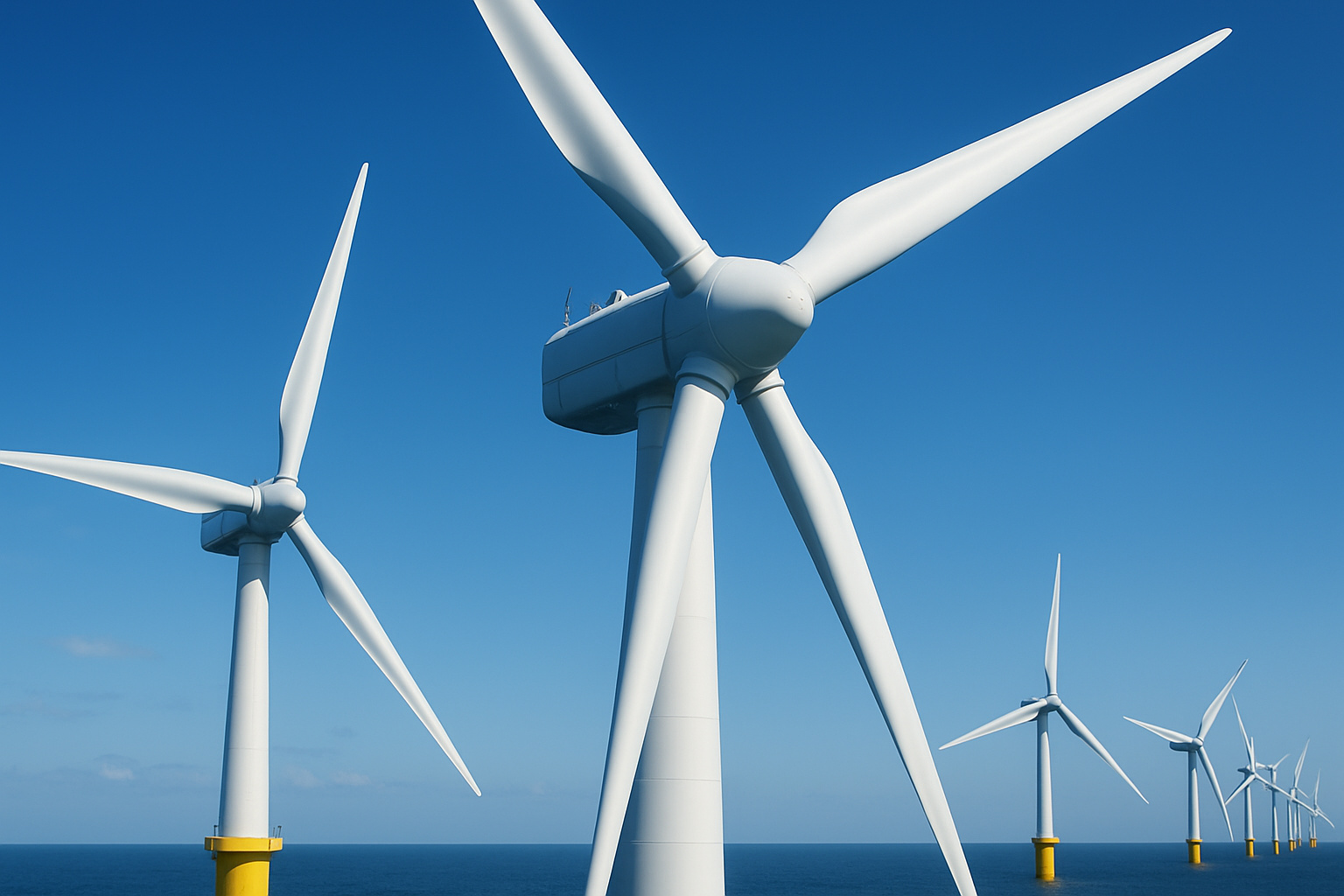
The Expansion of Offshore Wind Energy in Brazil
Offshore wind energy has begun to gain prominence in the Brazilian energy debate. This is happening because the country, while already leading onshore wind generation in Latin America, is now expanding its strategy to the sea. This movement aims to unite sustainability, innovation, and energy security. According to the Metrópoles website, Brazil has initiated the licensing process for its first pilot plant at sea in Areia Branca, in Rio Grande do Norte. Ibama granted preliminary approval in 2025 and emphasized that all technical criteria were met.
However, the discussion is not recent. The search for clean energy gained momentum in the country back in the 2000s when the federal government created policies to encourage the diversification of the energy matrix. Thus, the foundations for offshore wind began to be shaped long before its effective implementation.
Over the past decades, especially after the water crisis of 2001, Brazil recognized that heavy reliance on hydroelectric plants could pose risks. Therefore, the energy transition has become a central theme on public and private agendas. In this context, offshore wind emerges as a modern response aligned with international trends that prioritize efficiency and sustainability.
-
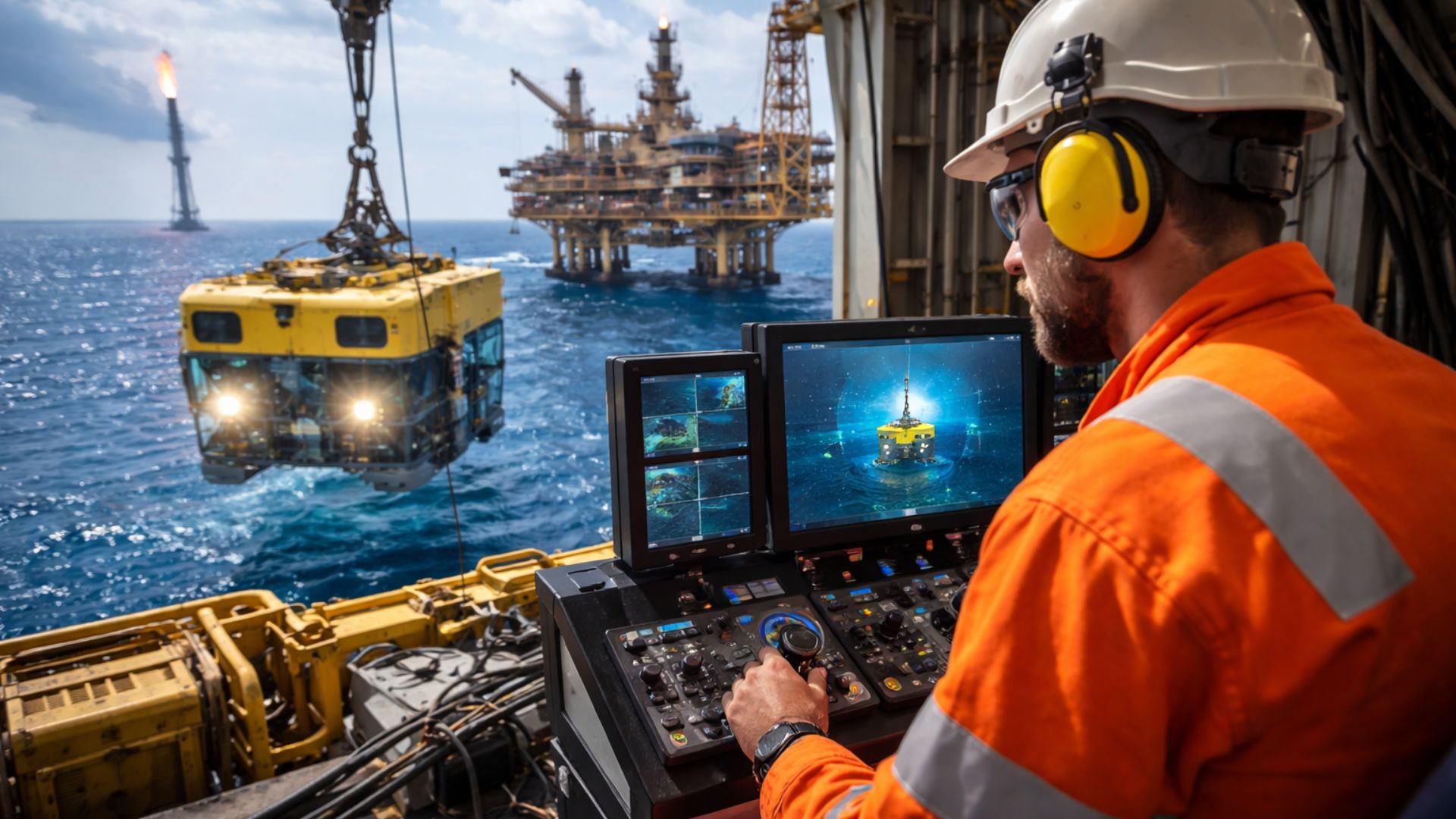
With Announcement for ROV Course in Partnership with Zen, Rio das Ostras Aims to Transform Technical Qualification into Real Jobs in the Competitive Offshore Market
-
Free Offshore Steward Course in São Gonçalo Emerges as a Strategic Opportunity for Those Seeking Qualified Work at Sea

-
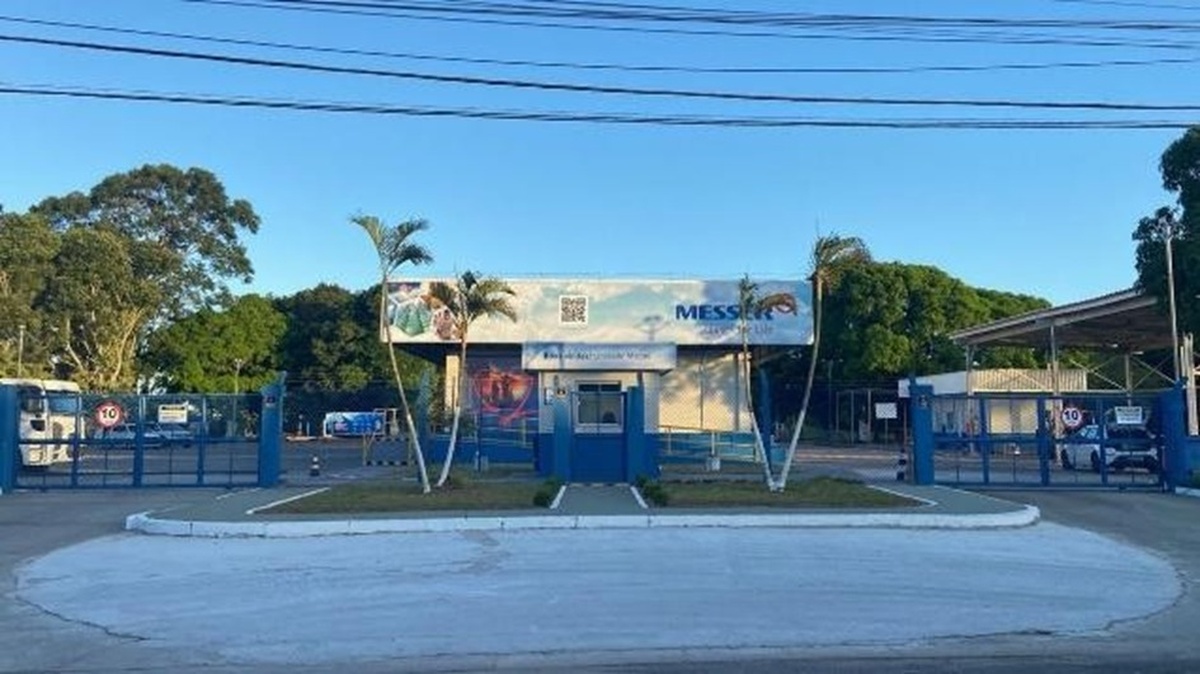
Messer Gases Reopens Branch in Macaé to Serve Offshore Oil and Gas Market in Northern Fluminense with Supply of Oxygen, Argon, and CO₂
-
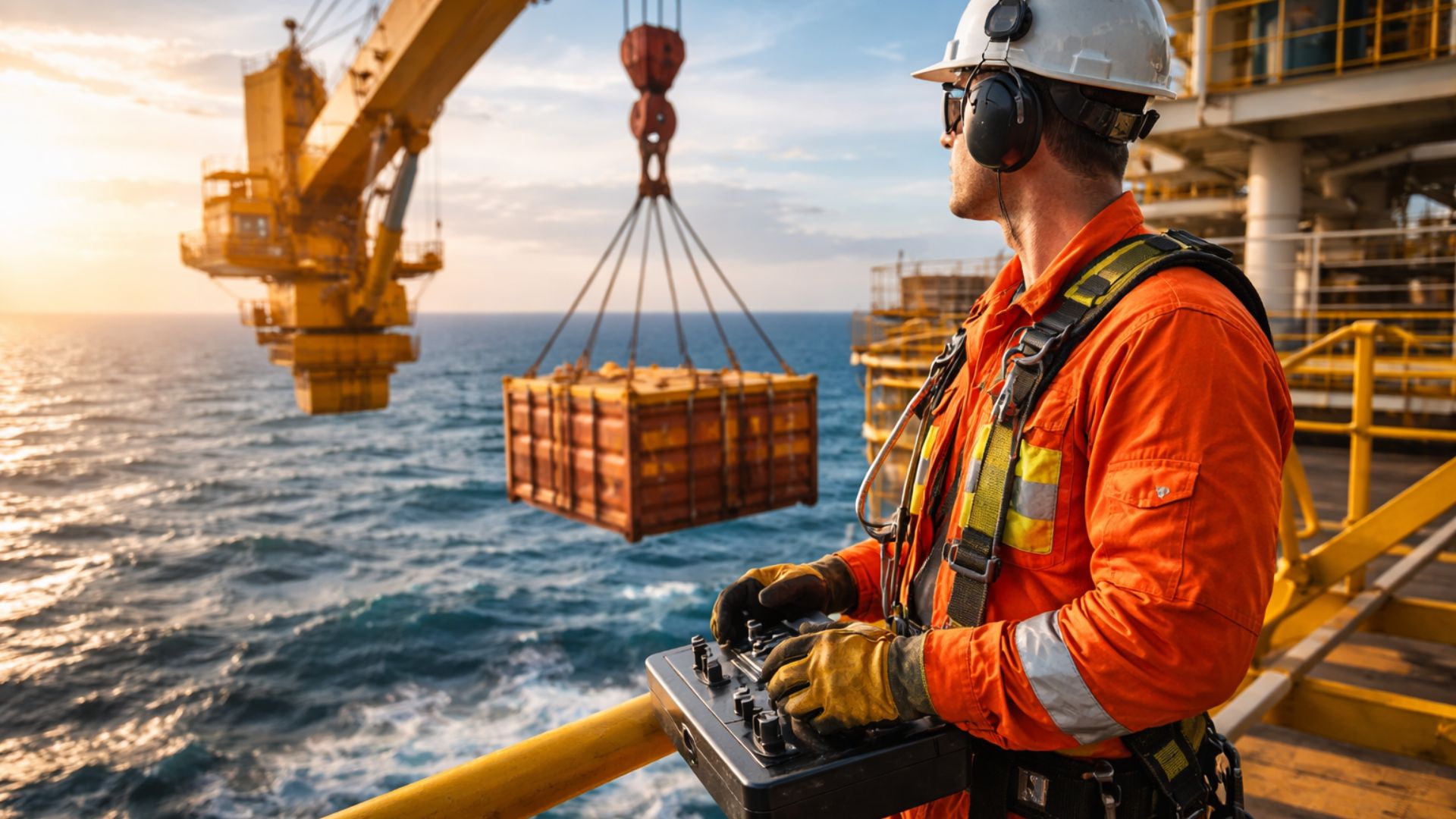
Offshore Profession Simplified: Comprehensive Guide Reveals How to Trade Common Routine for High Salaries and Long Breaks in Life Aboard in the Oil Sector

Brazilian Energy Potential
The Brazilian coastline boasts one of the largest continuous expanses in the world, with steady and strong winds. These factors place the country among the top ten most promising markets for offshore parks, according to the International Renewable Energy Agency. Additionally, the government highlighted in official communications that the Northeast offers natural conditions superior to many European countries.
As a result, foreign and domestic companies are advancing in research, licensing, and investment projections. The first pilot plant represents a milestone, as it paves the way for more robust models capable of delivering energy on a large scale. If the country follows the projections, it could become a global reference in the sector by 2035.
This movement also creates economic expectations. According to the Ministry of Mines and Energy, offshore projects could generate thousands of direct and indirect jobs, in addition to stimulating entire industrial chains such as metallurgy, logistics, and shipbuilding.
Technological Development and Innovation
The energy transition demands precise technologies and complex infrastructure. Offshore wind energy reinforces this requirement, as it depends on resilient equipment, specialized vessels, and constant monitoring. This set of factors stimulates national innovation.
According to the federal government, research centers are already collaborating with universities to develop solutions in materials, installation, and maintenance. Thus, the country strengthens its technical capacity and creates an ecosystem that merges science and market.
Moreover, engineering companies are expanding their operations to meet new demands. This is because offshore turbines are larger, have specific foundations, and require advanced transmission systems. Therefore, the sector becomes a technological hub that attracts international investments and trains specialized professionals.
Sustainability and Environmental Impacts
Sustainability is always part of the debates on energy expansion. Hence, environmental licensing has received special attention. According to Ibama, all analyses follow strict protocols, especially in the initial stages. This ensures that the progress of offshore wind occurs in a balanced manner.
Environmental studies indicate that turbines installed at sea can coexist with fishing activities and preserve migratory routes. However, continuous assessment is essential to mitigate risks. Thus, Brazil advances responsibly and strengthens its international image in environmental management.
At the same time, offshore wind reduces CO₂ emissions. This happens because it replaces fossil sources and increases the presence of clean energies. This movement aligns with global climate goals discussed at conferences such as COP-30, held in Belém in 2025. During the event, experts highlighted that emerging countries play a decisive role in global decarbonization.
Integration with Public Policies
For the sector to advance, public policies need to function in an integrated manner. The National Congress has been discussing since 2023 the regulatory framework for offshore wind. This framework will define rules for concession, licensing, and exploration. According to the Ministry of Mines and Energy, the text will be fundamental to accelerate investments and ensure legal security.
Furthermore, state governments compete for projects and develop incentive programs. Rio Grande do Norte, for example, already claims it could become a national leader in the sector. Ceará and Rio de Janeiro are also vying for this position, as they have strategic ports, qualified industries, and favorable winds.
Meanwhile, international companies are closely watching the scenario. Global market reports indicate that countries with stable regulation grow faster. Thus, the completion of the Brazilian regulatory framework could attract billions in investments.
Challenges and Perspectives
Although the potential is enormous, technical and structural challenges remain. The transmission of energy generated at sea to the mainland requires robust networks. According to the Energy Research Company, Brazil needs to modernize part of its infrastructure to support the new model.
Another point is the initial cost of projects. Offshore turbines are expensive and require long construction timelines. Nevertheless, experts emphasize that, over time, the cost of energy is expected to become competitive. This has already happened in countries like the United Kingdom and Denmark, which are references in the sector.
Additionally, offshore wind prepares Brazil for a future in which the economy will demand more electrification, more efficiency, and more sustainability. Sectors such as green hydrogen, electric mobility, and heavy industry depend on clean and abundant matrices. Therefore, the development of wind energy at sea represents more than a technological advancement. It symbolizes an economic and environmental transformation.
Path to the Energy Future
Brazil has firmly entered the global offshore wind map. The preliminary license granted by Ibama marked the formal beginning of this journey. Now, the country positions itself to expand its leadership in clean energy. This change, therefore, reinforces a long-term commitment to sustainability.
Moreover, the evolution of the sector creates new opportunities for states, companies, and researchers. The combination of technology, planning, and environmental responsibility shows that the energy transition can generate lasting benefits for society as a whole.
As the world seeks renewable solutions, Brazil demonstrates that it has natural resources, technical capacity, and a favorable political environment to take a leading role. Offshore wind energy, therefore, is not just a technological innovation but an important chapter in the national energy story.









Seja o primeiro a reagir!