





 Portuguese
  English
  Spanish
  3 min of reading


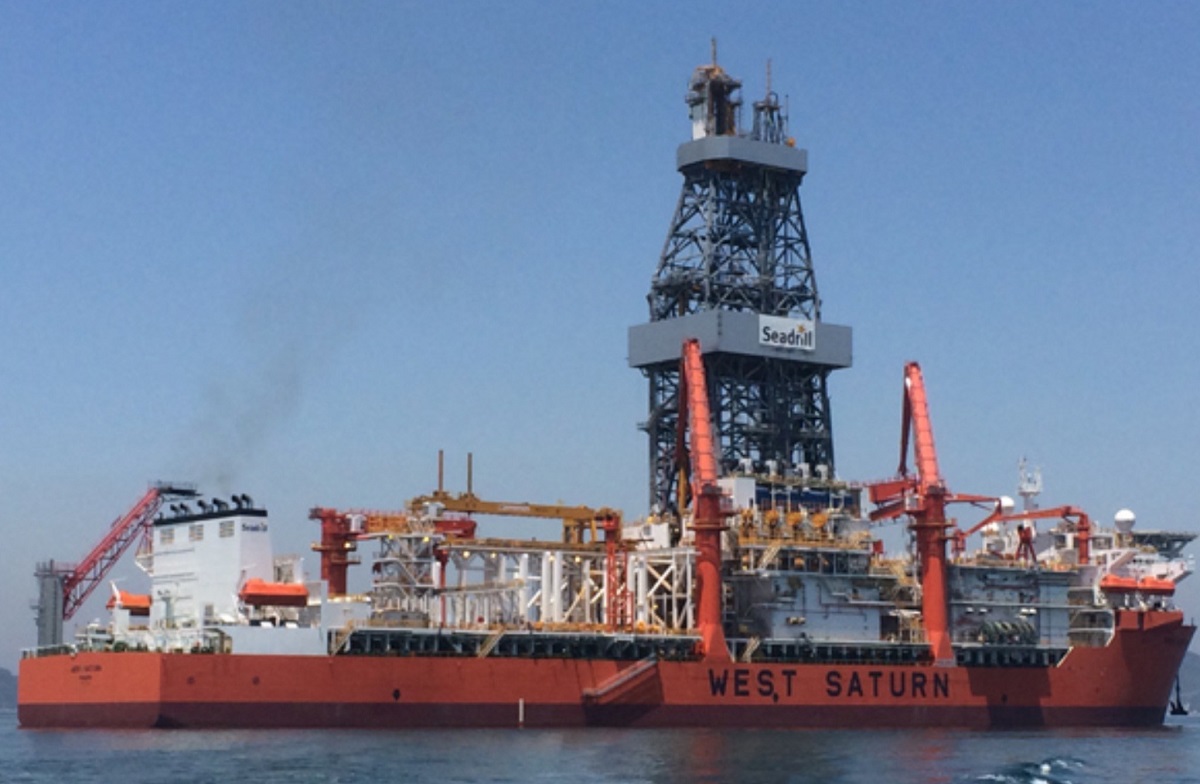
Brazil Becomes a Central Area for Norwegian Oil and Gas Giant Equinor, with Daily Oil Production Exceeding 90,000 Barrels per Day
Brazil stands out globally as one of the most promising offshore basins for oil and gas with a significant remaining resource base. Additionally, the country has enormous potential within renewable energy, said Equinor on Wednesday, revealing its plans for the country.
Brazil as a Separate Business Area
According to Equinor, Brazil fits perfectly into its strategy, leveraging its strengths from experience on the Norwegian continental shelf. Currently, Equinor has activities throughout the value chain, from exploration through discoveries and development, to production, as well as within renewable energy.
As of August 17, the Department of Development and Production in Brazil was established as a separate business area highlighting the importance of the potential in the country, Equinor said.
-
Haiti’s capital is experiencing an energy and construction crisis, facing blackouts, a blocked port, and buildings at risk after years of instability and a significant earthquake.

-
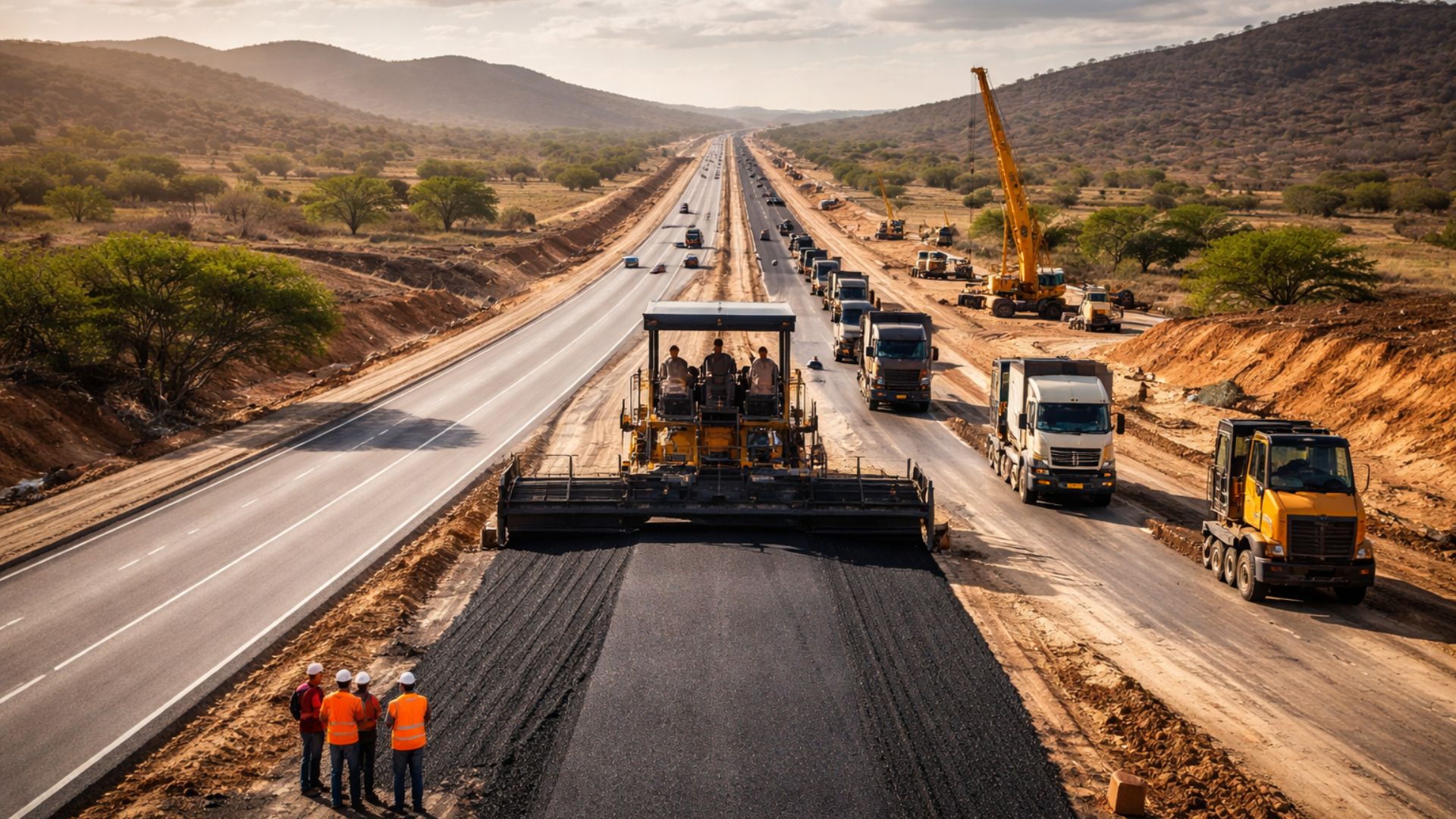
Government unlocks R$ 554 million for a highway that has been requested for decades and accelerates the duplication of BR.
-
Without bricks, without cement, and without endless construction: the cardboard house that is assembled in modules and can be moved.

-
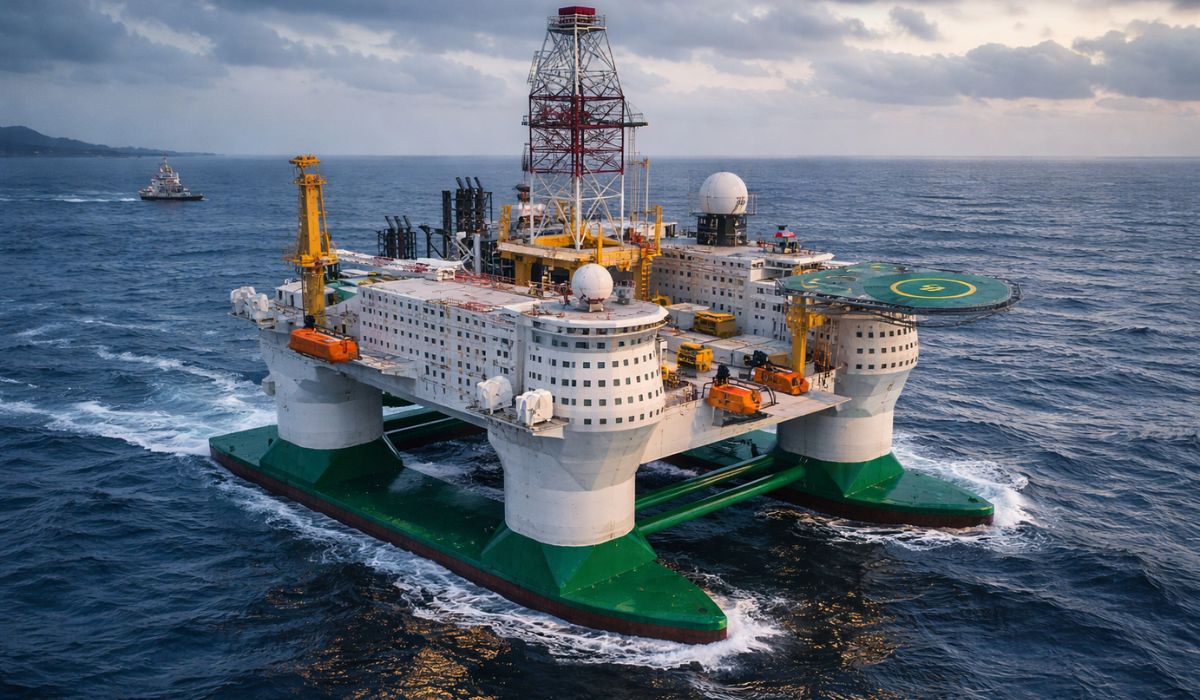
Billions of barrels on the equatorial margin could lead Amapá to double its oil production in Brazil — the state aims to enter the route of companies in the Campos Basin, attract investments, and boost jobs and businesses in the oil and gas sector.

“We have been building a presence in Brazil since 2001, and we have managed to establish a broad energy portfolio in the country. With about US$ 10 billion already invested and more than US$ 15 billion expected to be invested by 2030, we demonstrate how we are working to create value for both Brazil and Equinor,” said Anders Opedal, Executive Vice President of Development and Production in Brazil at Equinor.
Equinor’s assets in Brazil include the producing Peregrino field and the second phase of this project expected to come online in 2020, a 25% stake in the giant Roncador field, the important pre-salt discoveries of Carcará and Pão de Açúcar, as well as an exploration acreage.
In 2017, Equinor also joined as a partner in the Apodi solar project, which will provide energy for 160,000 households by the end of this year.
“We have a portfolio with the potential to produce between 300,000 and 500,000 barrels of oil equivalent per day by 2030, depending on the project phases and exploration success. Due to our operations in Peregrino, we have built a competent organization that will be important for developing our upcoming projects and bringing them into production,” Opedal continues.
In addition to expecting significant production growth, Equinor in Brazil also has the ambition to further explore growth in renewable energies and new natural gas value chains.
Exploration Acreage and Oil Discovery in License BM-S-8
In the past year, Equinor has been actively participating in new offshore licensing rounds, gaining access to significant areas in the Santos and Campos basins.
“We are excited about the exploration portfolio in Brazil. We have been very successful in the last bidding rounds,” said Tim Dodson, Executive Vice President of Exploration at Equinor.
“Our current position is the result of long-term thinking and the hard work of our organizations in Brazil and Norway to find the right prospects. There is always uncertainty in exploration, but this is a proven and prolific oil province, with many significant discoveries in the last decade. In the next two years, we expect to drill up to five high-impact wells in the Campos and Santos basins, with potential comparable to some of the giants that shaped the Norwegian continental shelf in the 1970s and 1980s,” said Dodson.
Equinor is currently drilling the Guanxuma well in license BM-S-8. This was declared an oil discovery by the Brazilian regulator ANP. Good quality oil was discovered in a carbonate reservoir. However, Equinor noted that uncertainties remain regarding the reservoir properties, and more work is necessary to clarify the discovery potential.







Seja o primeiro a reagir!