





 Portuguese
  English
  Spanish
  3 min of reading


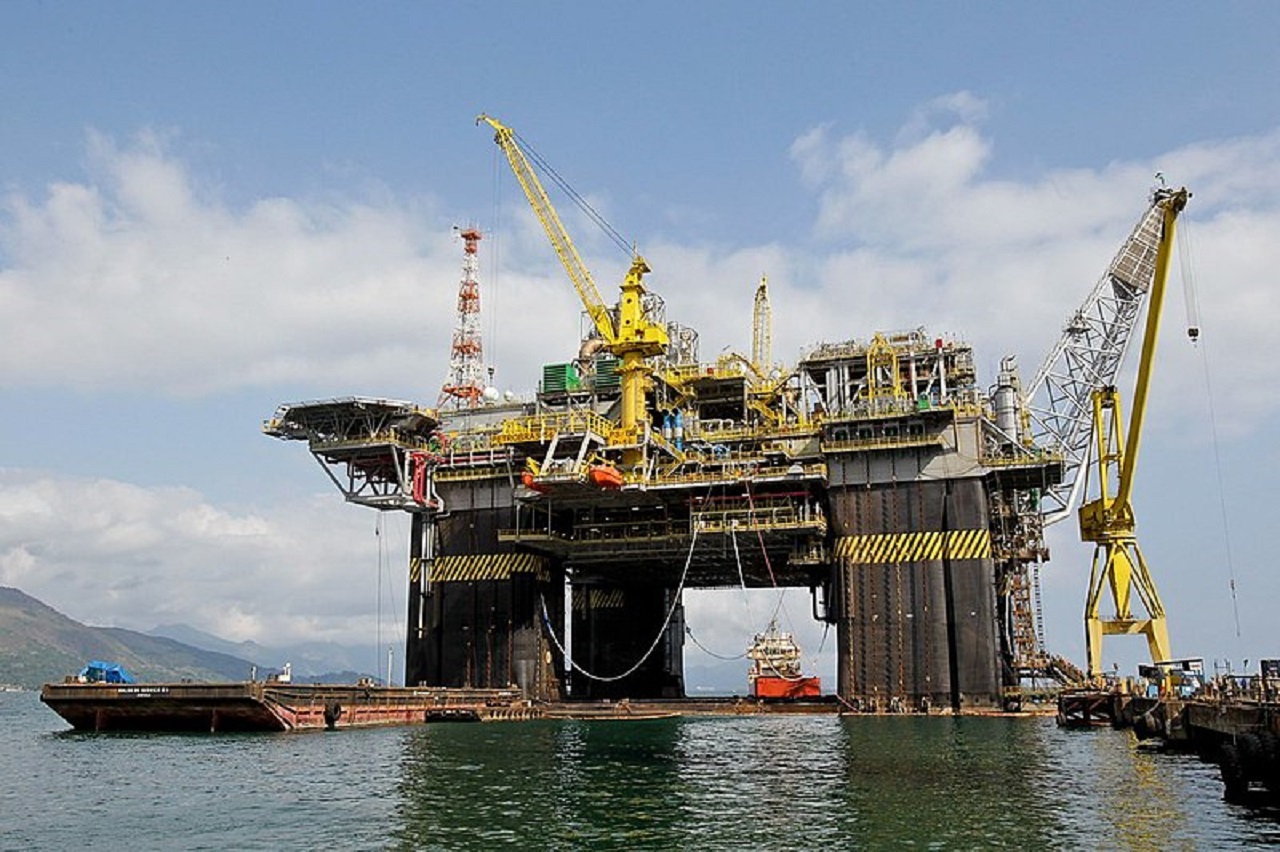
Companies Develop, With Funding From The R&D Investment Obligation Clause, New Gimbal Joint Riser Solution, Which Begins Its Testing Phase at UFRJ
Subsea 7, Equinor, and Repsol Sinopec Brasil are developing the Gimbal Joint Riser Project (GJR) with funding from the R&D investment obligation clause, regulated and supervised by the National Agency of Petroleum, Natural Gas and Biofuels (ANP). The project has clear and essential objectives for the market, which include improving costs, enhancing the safety of underwater operations in the energy industry, and mitigating carbon emissions in the pre-salt by eliminating components necessary for Steel Lazy Wave Risers (SLWRs).
Equinor, Repsol Sinopec, and Subsea 7 Project Aims to Absorb Dynamic Movements of the Platform
In this new phase, the project focused on the pre-salt advances to the testing phase at the Wave and Current Laboratory (LOC) and the Ocean Technology Laboratory (LabOceano), both at UFRJ. The latter features one of the largest ocean tanks in the world, with 23 million liters of water and a height similar to an eight-story building.
The laboratories are designed to simulate the marine environment and the phenomena that occur more than 2,000 meters in the pre-salt. The project from Equinor, Subsea 7, and Repsol Sinopec is based on the insertion of a multi-jointed coupling in a suspended catenary. In other words, the goal is to introduce an articulated element into a rigid riser so that the dynamic movements generated by the platform can be absorbed.
-
Offshore industrial demand in Macaé skyrockets with the recovery of oil and gas and could grow by up to 396% by 2026 in the Campos Basin.
-
Offshore industrial demand in Macaé surges with the recovery of oil and gas and could grow by up to 396% by 2026 in the Campos Basin.
-
Brazilian giant expands borders in the Southeast: Petrobras confirms new oil discovery in ultra-deep waters in the pre-salt of the Campos Basin.
-
Alert in the global energy market: Severe tropical cyclone hits the coast and disrupts gas production at major plants in Australia, threatening global supply.

This device makes it possible to expand the flexibility of the riser, allowing the use of free catenary risers instead of SLWRs in extreme environments. According to studies so far, linked to a typical pre-salt project, for example, indicate a significant cost saving of approximately 35 to 40% per riser, due to the reduction of at least 850 meters of tubing; however, this may vary from project to project.
GJR Resolves Various Impasses in the Sector
The GJR from Equinor, Repsol Sinopec, and Subsea 7 has proven efficient in solving an industry problem, Stress Corrosion Cracking, through a flexible element free of tensile loads and not susceptible to corrosion.
The external armor does not come into contact with the fluid, preventing corrosion under tension and contact with CO2. The layout does not use buoys and has the same size as a standard pipe, adapting to normal offshore welding procedures. According to Subsea 7’s Vice President in Brazil, Daniel Hiller, the company is pleased to develop this technology alongside Repsol Sinopec and Equinor, with the support of ANP.
This technology demonstrates that it is yet another example of innovation in risers for ultra-deep waters, a know-how in Subsea 7’s DNA in Brazil, always focusing on efficiency and reliability.
Project Is Essential for The Oil and Gas Market
According to Alexandre Diezel, project manager at Repsol Sinopec Brasil, the GJR is an innovative concept developed in Brazil and very important for the national oil and gas production scenario. Once developed, the technology will provide a reliable and robust solution, contributing to keeping the national industry competitive in the long term.
Meanwhile, Equinor Brazil’s R&D Manager, Andrea Achoa, mentioned that the company has a strong focus on developing submarine technologies that contribute to operational safety and emission reductions.
The GJR project fulfills all these objectives, as it seeks to make the rigid riser configuration in free catenary feasible.









Seja o primeiro a reagir!