






 Portuguese
  Spanish


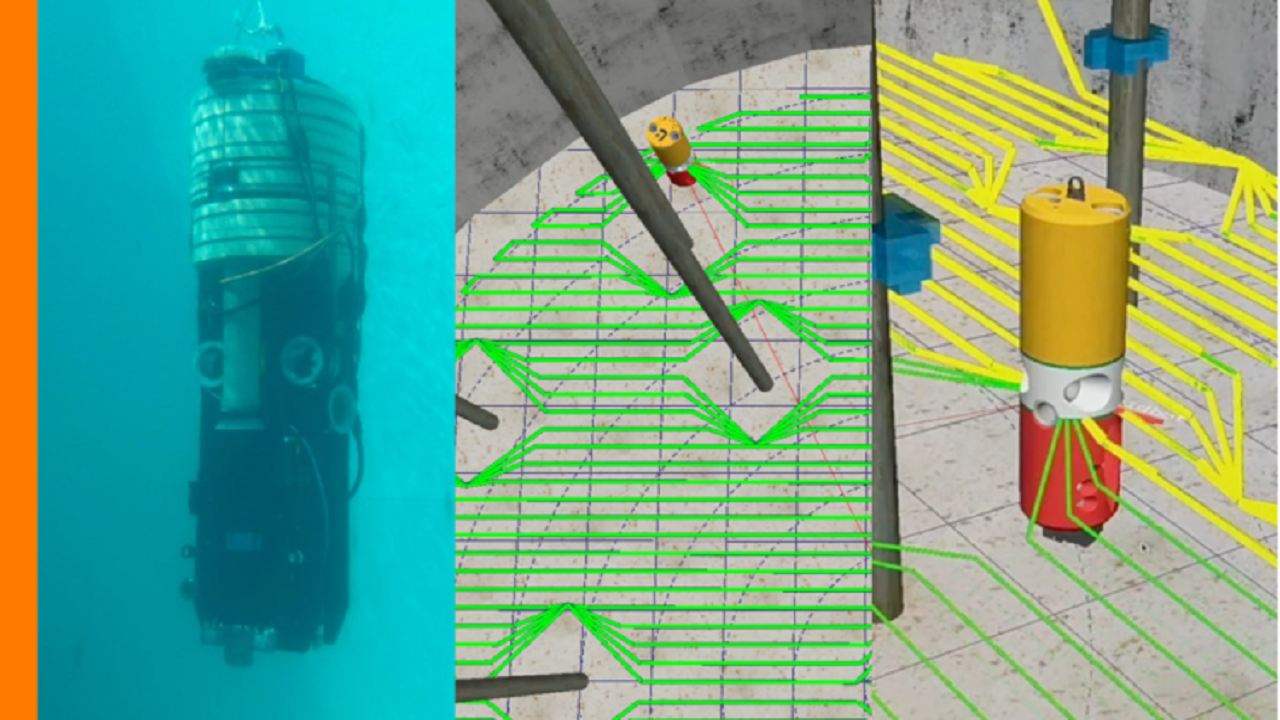

Observing The Difficulty Of Companies In Conducting Inspections And Maintenance On FPSO Tanks, Repsol Sinopec Created The Squidbot Project, Which Consists Of Robots That Use Artificial Intelligence
Repsol Sinopec Brazil intends to use robots to conduct maintenance on FPSO tanks, with the studies that are part of Squidbot, a robot that measures about 1.70 m. FPSOs usually have issues such as corrosion, and to facilitate operations without the need to empty the tank, Squidbot has a route that is made through artificial intelligence and is already in the testing phase.
Read Also
Coordinator Of The Project For Repsol Sinopec Speaks Out
According To The Coordinator Of The Squidbot Project, Alexandre Diezel, The Idea For The Robot Maintenance Project For FPSOs Began When The Repsol Sinopec Business Unit Brought Up The Issue Of Maintaining Fuel Storage Tanks.
These Tanks Are About 30 Meters In Diameter And Approximately 15 Meters In Height, A Measurement Equivalent To A Four-Story Building. Currently, To Conduct An Inspection, It Is Necessary To Empty The Entire Tank And Transfer The Liquid, Which Is Highly Flammable, To Another Container.
-
Petrobras to Double Natural Gas Supply in Northeastern Brazil with New Investment

-
The FLIP: A 108-Meter Ocean Laboratory That Stood Vertically for 60 Years, Dismantled in 2023

-
Petrobras Approves $1.2 Billion Refinery in Brazil to Produce Aviation Fuel and Diesel from Plants
-
Petrobras Secures $2.2 Billion Contract to Build and Operate Four Support Vessels for Brazil’s Offshore Oil Fields



With The Tank Empty, Operators Conduct The Inspection On-Site. In Addition To Being A Labor-Intensive Process, The Tank Activities Are Halted.
How Do Repsol Sinopec’s Robots Work?


In Light Of All The Previously Mentioned Difficulties, Autonomous Robots Were Created By The Project To Conduct Maintenance On FPSOs. According To Diezel, Squidbot Will Have The Tank Map In Its Programming And Artificial Intelligence Will Calculate The Best Maintenance Route Inside It.
However, If An Error Occurs Along The Route, The Robots Would Have The Autonomy To Correct And Recalculate The Routes. All This Without Losing Focus On The Main Objective, Which Is To Conduct A Precise, Effective, And Reliable Inspection.
According To The Head Of The Facilities And Production Operations Department In R&D, Marcelo Andreotti, Considering The Inspection Itself Plus Associated Costs, Such As Maintenance Services, It Would Be At Least US$ 500,000 To Inspect An FPSO Tank. Thus, Reducing Inspection Time Drastically Means Generating Huge Savings.
Advantages Of Using Repsol Sinopec’s Robots
The Project Presents A New Concept Of Robots For Inspections With Artificial Intelligence In Operational Storage Tanks Which Could Reduce Costs And The Operational Time Required For Inspections.
Repsol’s Squidbot Is The Result Of A Partnership With 13Robotics, A Startup Recently Acquired By Kraken Robotics. The Major Advantages This Project Can Provide To The Oil And Gas Sector Are The Number Of People Who Will Be Out Of The Risk Area, A Reduction Of Up To 90% In Inspection Time, And Savings Of Approximately US$ 2 Million.


