





 Portuguese
  English
  Spanish
  4 min of reading
  7 comments




Project of 1 Billion Dollars That Promised to Provide Clean Energy to 100 Thousand People Ended Up Being Surpassed by Cheaper and More Efficient Technologies
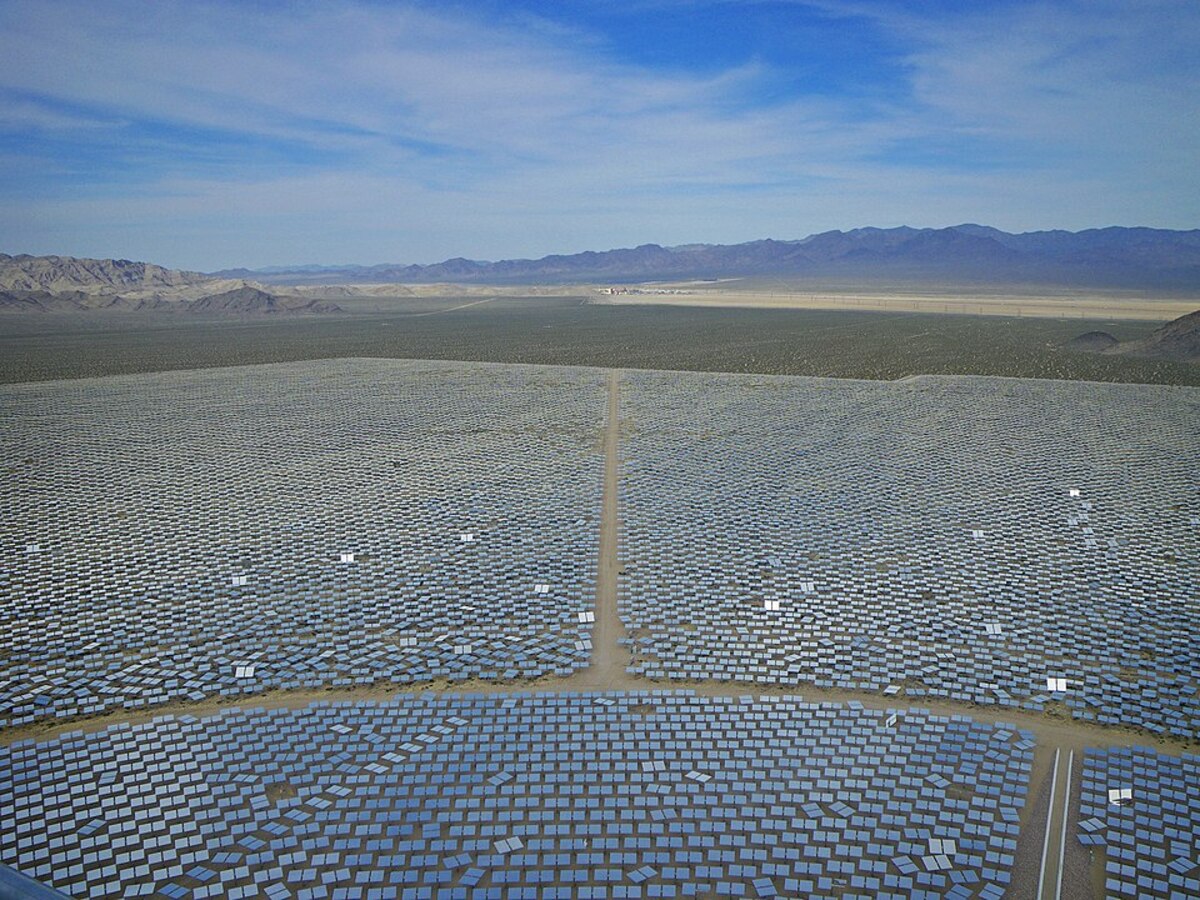
Ten years ago, Crescent Dunes was inaugurated in the Nevada desert, in the United States, with the mission of revolutionizing renewable energy. The project featured 10,347 mirrors focused on a 200-meter central tower and was the second solar thermal power plant with molten salt storage in the world, after Spain’s Gemasolar.
The goal was ambitious: to provide clean energy to over 100,000 people.
The cost was about 1 billion dollars. However, ten years later, the site is remembered more as a visual attraction for passengers flying over the region than as a landmark of innovation.
-
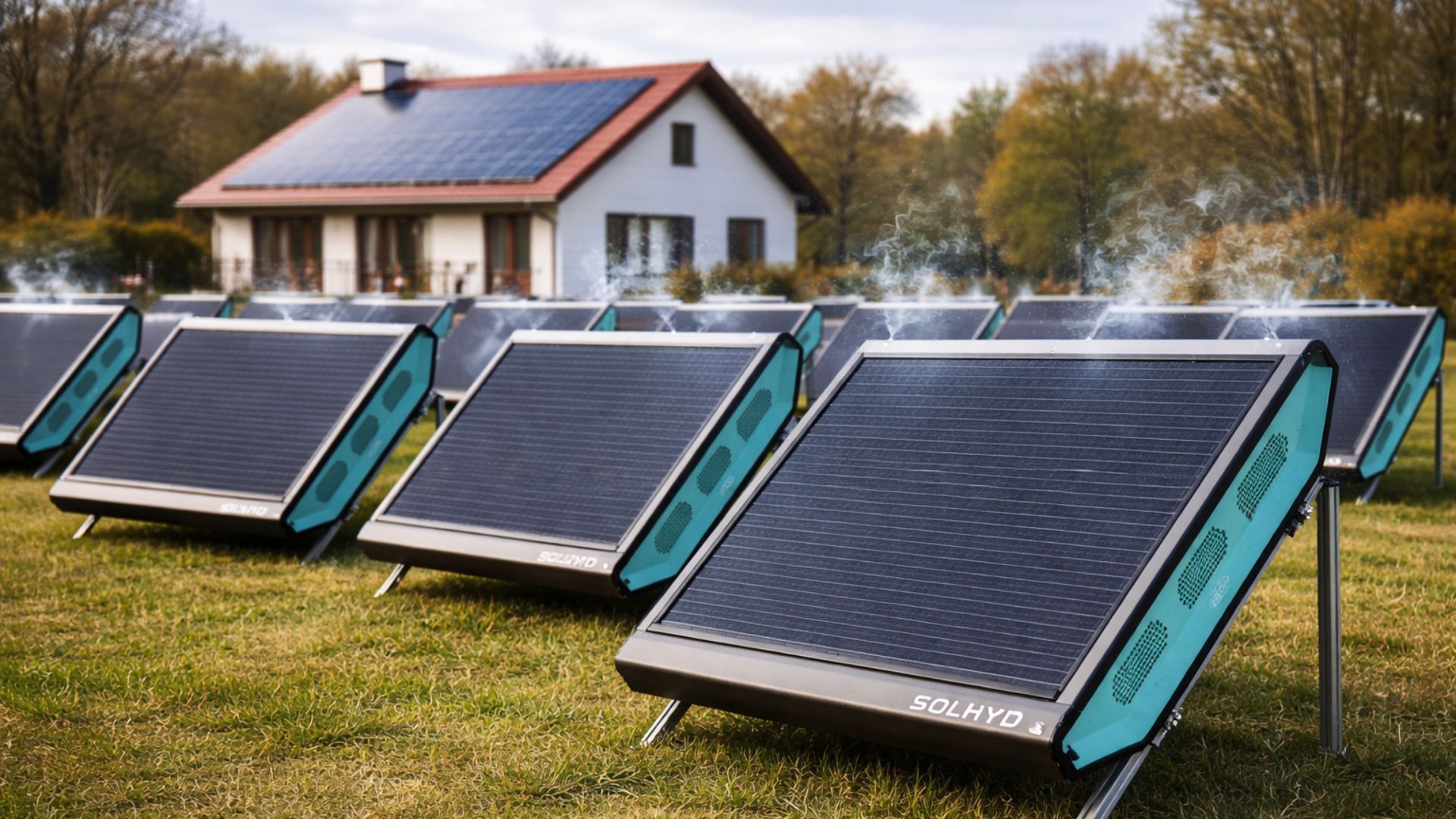
Green hydrogen at home: Belgium launches new technology that makes solar panels produce fuel from the moisture in the air, which could boost the energy transition.
-
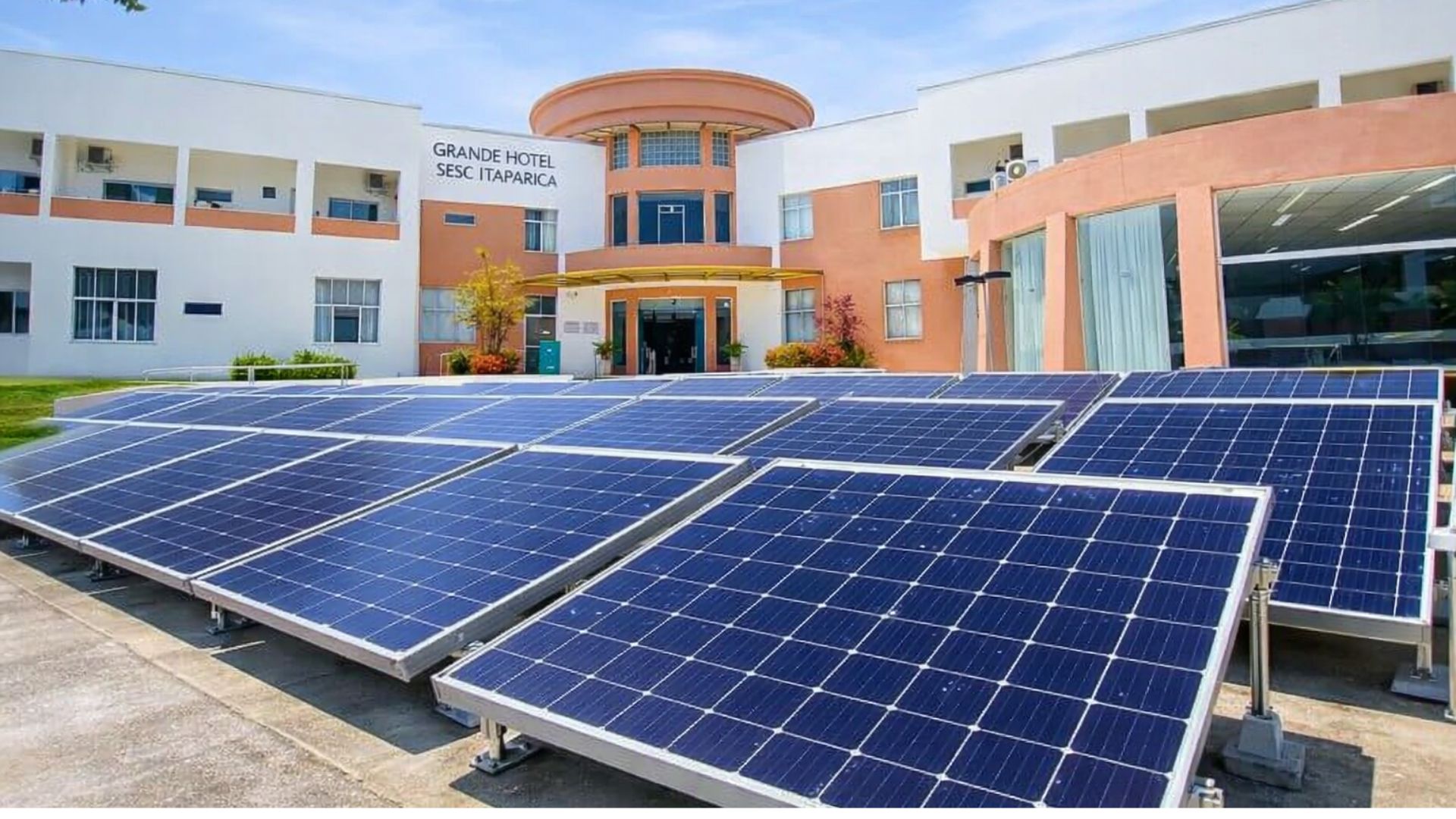
Sesc-BA bets on renewable energy with the support of EDP and drives the energy transition with a direct impact on cost reduction and the sustainability of its operations in Bahia.
-
Technology giant breaks global sustainability records: How Amazon’s leadership in renewable energy procurement transformed the global energy market in the past year.

-
Alert in the electric sector: Atlas Renewable Energy confirms billion-dollar investment and Brazil risks losing a share of the new investment in Latin America to neighboring countries.

Investments and Fall
The plant was promoted by the California company SolarReserve and attracted large investors, such as Warren Buffet and Citigroup.
It also received loans backed by the United States government. SolarReserve signed a contract with NV Energy to supply 500,000 MWh annually for 25 years.
Most importantly, these targets were never met. High maintenance costs and expensive energy made the operation unviable.
In 2019, NV Energy sued SolarReserve for breach of contract.
Additionally, investors filed lawsuits against the company for mismanagement. In 2020, Crescent Dunes was declared bankrupt and expropriated.
Bill Gould, co-founder of SolarReserve, blamed the Spanish company ACS Cobra for designing a defective storage tank, as it was responsible for the engineering.
Technology Already Obsolete
When inaugurated in 2015, concentrated solar power (CSP) technology already faced disadvantages compared to photovoltaic energy.
While the latter converts light directly into electricity with solar panels, CSP uses heliostats that concentrate sunlight heat into molten salts to generate energy.
Although the system promised constant and flexible production, the cost was high. One megawatt-hour of CSP cost about 135 dollars, compared to less than 30 dollars for photovoltaic energy.
Modest Return
ACS took control in 2021 and signed a new contract with NV Energy. However, the results fell far short of initial expectations.
In 2022, the production was only 80,236 MWh, much below the original goal of half a million MWh per year.
Therefore, the solar energy project that was born as a global promise of clean energy remains as an example of how high costs and outdated technology can turn a great idea into a million-dollar waste.
With information from Xataka.
Did You Like the Topic? There Is Another Example: the Ivanpah Plant in the Mojave Desert, in the USA
The largest solar thermal plant in the United States will be decommissioned. Located in the Mojave Desert, the Ivanpah facility was inaugurated in 2014 with great expectations.
Now, 11 years later, it will be shut down. The decision involves technical problems, high costs, and environmental impacts that compromised its operation.
Promising Technology That Failed to Take Off
Ivanpah was built with an investment of 1.6 billion dollars, financed by loans from the United States Department of Energy and contracts with utility companies.
At the time, it was considered a milestone in clean energy, being the largest solar thermal power plant in the world until a similar plant was inaugurated in Australia.
The technology used is known as concentrated solar power. It works with thousands of mirrors, called heliostats, that follow the movement of the sun and reflect its light to a central tower. The concentrated heat heats water and generates steam, which drives turbines and produces electricity.
Alignment Issues and High Cost
Over the years, the system proved unstable. Keeping the mirrors perfectly aligned with the sun required very precise control, making operation difficult.
Additionally, the costs to keep the structure running were high. The combination of complex maintenance and low reliability reduced the plant’s competitiveness.
Meanwhile, photovoltaic solar energy— which uses panels to directly capture sunlight— became increasingly cheaper and more efficient. This technological evolution made the solar thermal option less attractive to investors and energy companies.
Environmental Damage Caused Pressure
Another factor that weighed in the decision to shut down the plant was the environmental impact. Several groups reported the death of birds that got caught in the beams of concentrated light from the mirrors.
The animals were incinerated in midair. Furthermore, environmental organizations pointed out damages to the habitat of the desert tortoise, a native species of the area.
The criticisms increased over time, and the model began to be seen as problematic from an ecological standpoint as well. The promise of clean energy ended up being overshadowed by these negative effects.
Solar Panels Gain Space
Meanwhile, photovoltaic energy gained momentum. With less environmental impact, lower costs, and increasing efficiency, solar panels have solidified as the main bet of the sector.
The current preference is clear: abandon expensive and complex systems and invest in simpler, more sustainable solutions.
The decommissioning of the Ivanpah plant marks the end of a chapter in renewable energy. It shows how technologies once seen as innovative can become obsolete in the face of more practical and accessible advancements.
With information from Xataka.








No braziu, com a 2a.maior incidência solar do planeta o custo da energia solar é inviável para a maioria da população… Eqt isso tome termelétricas pra lascar o povo!
A segunda maior insidência solar no mundo e o deserto do Saara
Há uma usina experimental mais antiga que essa usa o mesmo princípio e está numa revista minha de eletrônica do ano de 1988 e vi algumas vezes na tv
Muito interessante estes fatos. Eu particularmente e como um visionário de novas técnicas, sempre olhei para frente e nunca para os lados. Aos 75 anos, hoje estou trabalhando um estudo/ projeto para nos próximos 3 ou 4 anos, implanta-lo é buscar rentabilidade num segmento ainda não explorado..
Sucesso José Carlos!
Essa experiência ao menos serve como referencia!
Também tenho um projeto inédito paraco mundo ainda não explorado de grande rentabilidade paea a agricultura mundial, mas é preciso que uma grande potência assuma o controle das vendas