





 Portuguese
  English
  Spanish
  4 min of reading
  0 comments


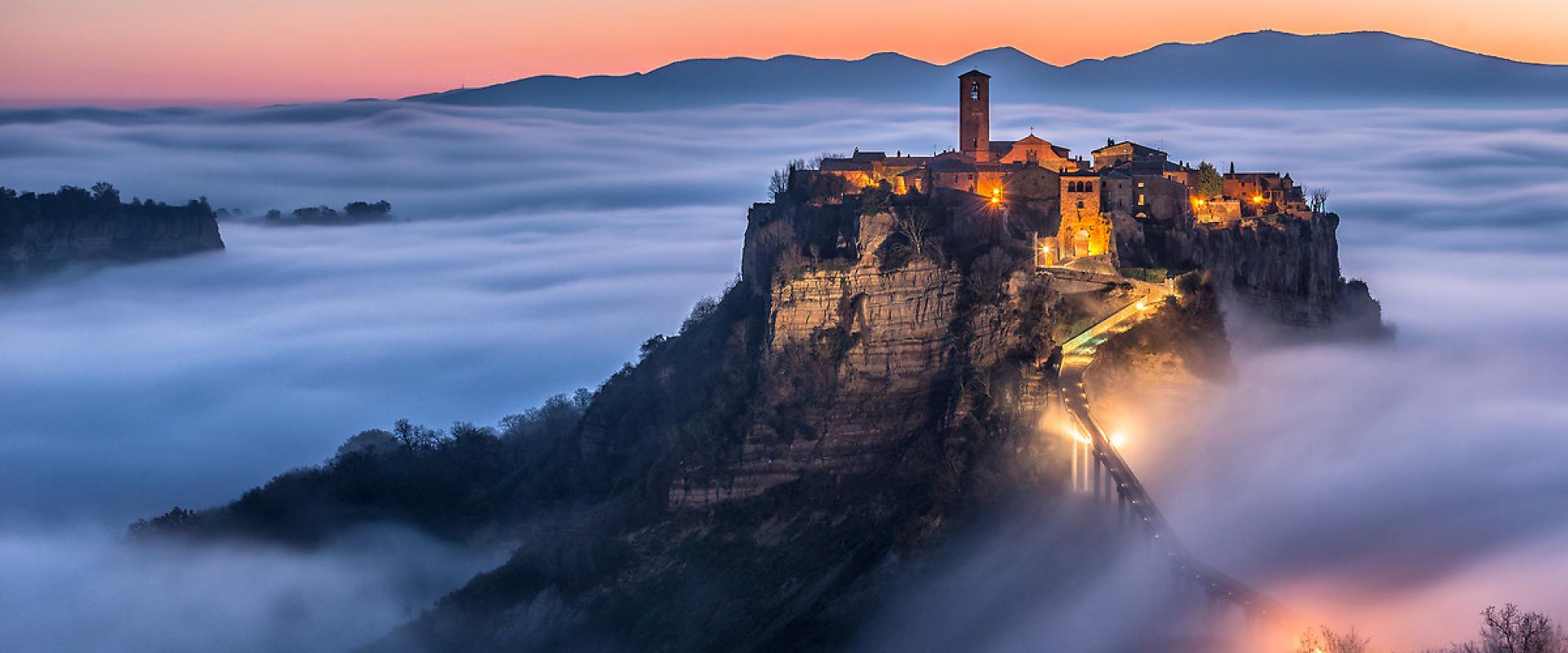
Civita di Bagnoregio, Isolated Italian Town on Volcanic Tuff, Faces Erosion, Risk of Disappearing and Is Only Accessed by a Narrow Bridge.
The protagonist of this story is Civita di Bagnoregio, in the Lazio region, Italy, one of the most fragile, isolated, and dramatically positioned towns in the world. Built over 2,500 years ago on the top of a volcanic tuff cliff, Civita is officially known as “the town that is disappearing”, a title that is not an exaggeration: its geological base dissolves every year due to natural erosion.
Access is unique and unusual: a narrow concrete bridge about 300 meters long, with no possibility for cars, machinery, or any large vehicles to pass. Those who walk up the bridge immediately see the abyss that surrounds Civita in all directions, a deep precipice formed by millennia of geological wear that isolates the town as if it were floating above the valley.
The Unstable Geology That Shaped and Threatens to Destroy Civita
Civita di Bagnoregio was built on a plateau formed by layers of volcanic tuff, clay, and compacted sand. This composition is extremely vulnerable, especially to the action of rain and winds from the Tiber Valley.
-
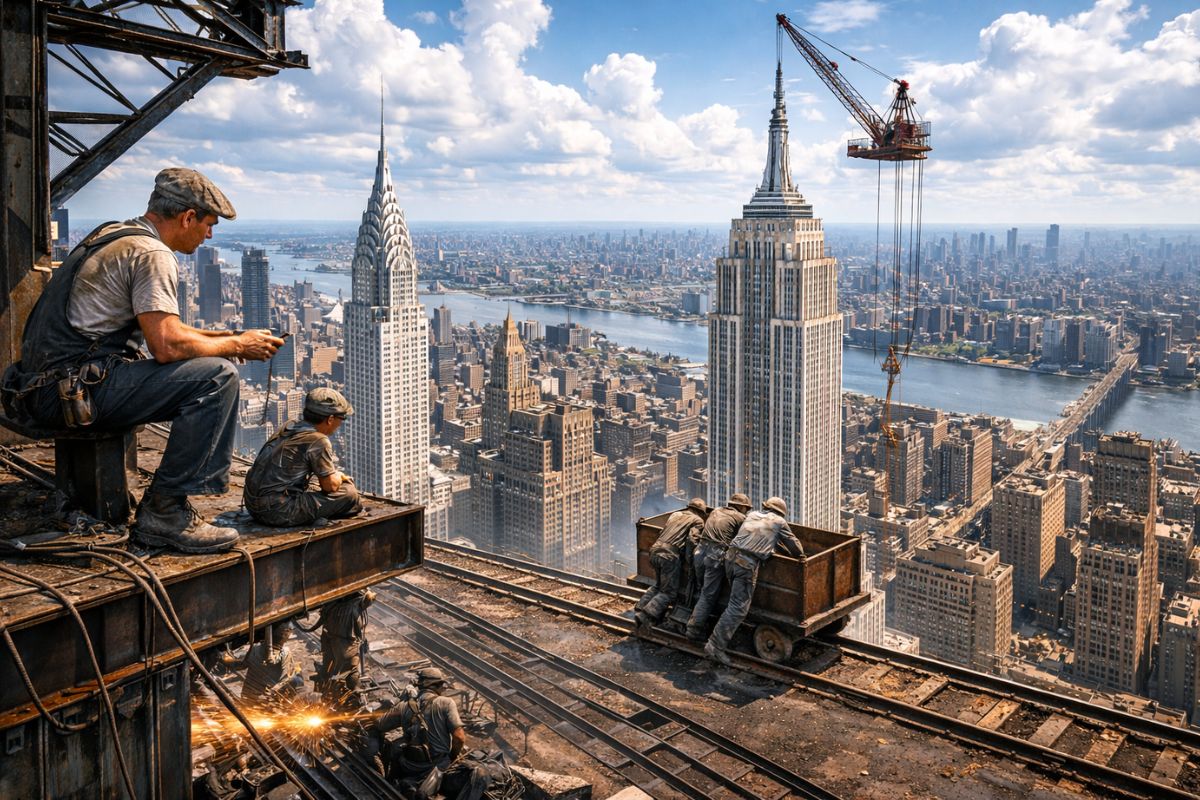
102 stories in 13 and a half months during the worst crisis in the U.S.: how the Empire State beat the Chrysler, used Mohawk workers and trains, gained a spire, and became a scene in King Kong.
-
Disney spent $25 billion to tame the swamp, but the Magic Kingdom floods with knee-deep water: tunnels, pipes, and giant lakes exist, but the drains get clogged in the right storm.

-
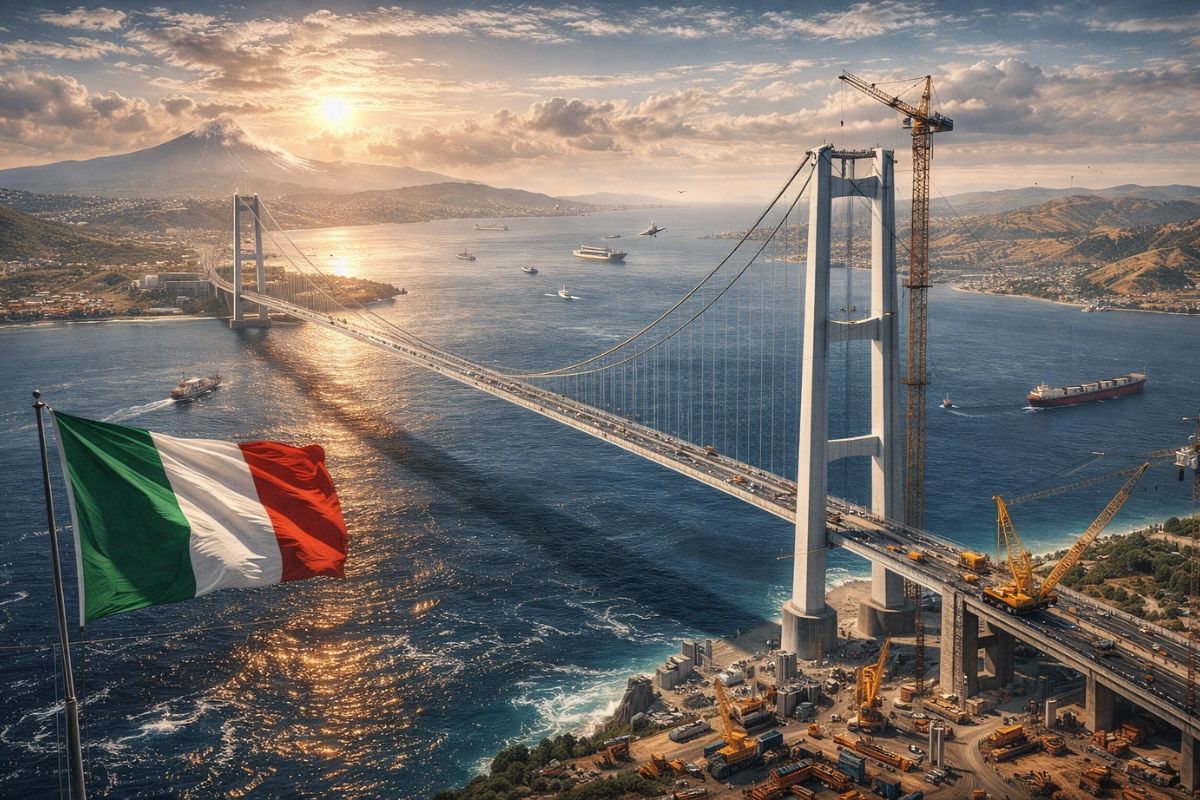
Italy is spending 16 billion dollars to build the largest suspension bridge in the world right over two active geological faults where monsters from Greek mythology had already warned about the dangers of the Strait of Messina.
-
Small house with natural light becomes a trend in sustainable architecture and shows how smart designs reduce energy consumption and enhance comfort in compact spaces.

Italian geologists document that Civita loses pieces of its base every year, and that several sectors of the original medieval town have already crumbled into the ravines below.


Old maps show entire streets that no longer exist. Towers, walls, houses, and even small squares have collapsed, leaving abrupt edges that continue to recede slowly.
The town is monitored by sensors that measure millimeter displacements in the rock. Infiltrations, microcracks, and fissures are recorded daily by technical teams that work to contain the advance of erosion.
An Etruscan and Medieval Past Surviving Thanks to Isolation
Long before Civita was threatened, it was an important Etruscan settlement. Later, it thrived under Roman rule and subsequently established itself as a medieval fortress. The top of the cliff provided natural protection against invasions, creating a strategic point in the heart of Italy.
Walking through its narrow alleys, irregular stones, and houses that seem carved into the rock, Civita preserves details from different eras: Etruscan arches, Romanesque churches, and intact medieval homes, protected by extreme isolation.
The Collapse of Access and the Bridge That Saved Civita
Until the mid-20th century, Civita could be accessed by rugged paths and roads that slowly ascended the cliff. However, successive landslides destroyed virtually all of these access routes.
To prevent total abandonment, the Italian government built the current suspension bridge, inaugurated in the 1960s.
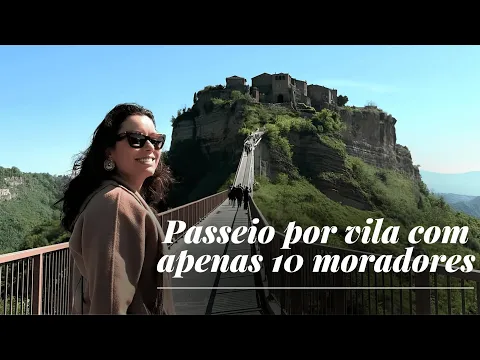
It is this narrow, sloped bridge exposed to strong winds that connects Civita to the rest of Italy. Visitors must walk up, facing a path that reveals the height of the cliff and the visible signs of ongoing erosion.
Without this bridge, Civita would have been completely abandoned.
The Renewal Thanks to Tourism and Its Risks
Today, Civita di Bagnoregio attracts thousands of visitors each year, drawn by:
- its surreal position atop the cliff,
- its intact medieval architecture,
- its fame as “the town that is disappearing,”
- its total isolation,
- and its landscape that looks like it’s out of a movie.
Tourism has revitalized the local economy, ensuring the survival of the few permanent residents. However, the flow of visitors must be strictly controlled to avoid accelerating the erosion process of the rocks.
The regional government charges an admission fee to enter Civita, a measure adopted to fund containment, drainage, and geotechnical monitoring works.
Civita Fights Against Time – Literally
The town is in a constant race against natural forces:
- rains that infiltrate and destabilize the tuff,
- winds that erode the edges of the cliff,
- micro-landslides that expand fissures,
- erosion that slowly reduces the size of the plateau.
Geologists estimate that Civita will continue to shrink over the coming decades, even with million-dollar investments in containment.
One of the Most Impressive Scenarios in Europe — and One of the Most Fragile
Civita di Bagnoregio combines features that make it unique:
- Impossible Location: atop a vertical cliff.
- Unique Access: a narrow bridge replacing the ancient collapsed paths.
- Preserved Millennia-Old Architecture: Etruscan, Roman, and medieval.
- Real Risk of Disappearing: continuous and uncontrollable erosion.
- Drama-Geology: deteriorating volcanic tuff.
- Cinematic Landscape: deep ravines surrounding it.
It is the kind of place that seems to have been created for a painting or epic movie, but whose existence is threatened every day.









-

Uma pessoa reagiu a isso.