





 Portuguese
  English
  Spanish
  5 min of reading
  0 comments



The Error Of A Payment System In The Province Of San Luis Led An Argentine Woman To Receive By Mistake 510 Million Pesos. She Spent It All In One Day, Became A Defendant For Fraud And Now The Case Is Studied As A Legal Precedent
For a few days, a resident of the small city of San Luis, Argentina, lived what she described as a “gift from God.” Verónica Acosta, 42, was expecting a payment of child support of about 8,000 Argentine pesos — equivalent to less than R$ 40.
➡️ This report is an update of the article published in May. Read the original version here.
However, when she accessed her bank account, she found an unbelievable deposit of 510 million pesos, an amount equivalent to R$ 2.4 million.
-
The Argentine government celebrates the lowest poverty rate in 7 years, but experts warn that the methodology has changed, real wages have fallen, unemployment has risen, and the number of people on the streets of Buenos Aires has increased by 57% since Milei took office.

-
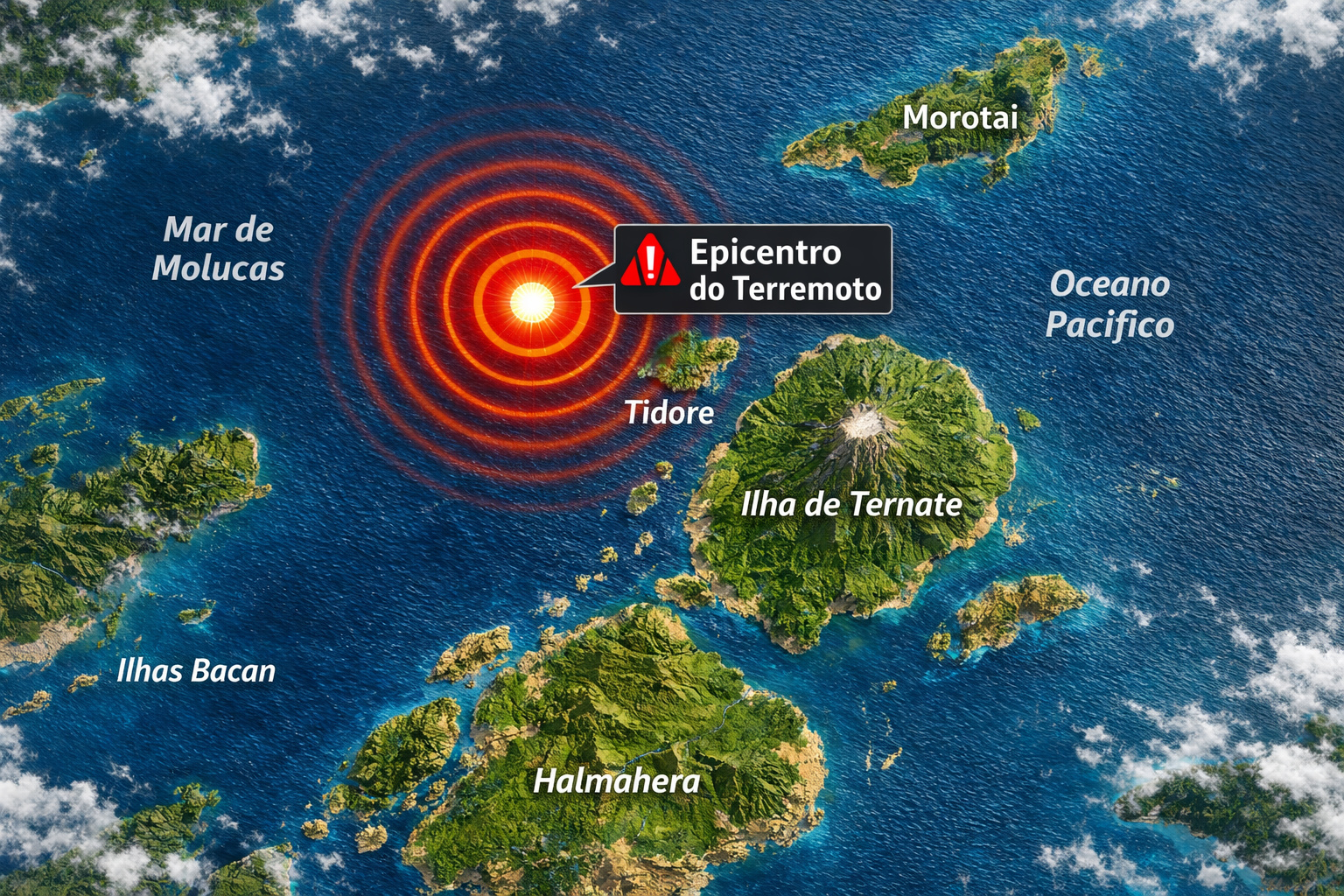
7.8 magnitude earthquake in Indonesia frightens the population, triggers tsunami alert, and hits an island with over 200,000 inhabitants this Thursday.
-
Google will finally let you change that embarrassing Gmail address you created in your teenage years without losing any accounts, logins, or old emails: the feature is already available in the United States.

-
Heading to Brazil in a Bonanza F33 single-engine aircraft: a couple departs from Florida on a visual flight, makes technical stops in the Caribbean to refuel and organize paperwork, and begins the staged crossing until they reach the country.

The transfer, made by the provincial government itself, was the result of an administrative error.
The system, which was supposed to make social deposits, accidentally redirected the million-dollar sum to Acosta’s personal account.
The woman, according to the Public Prosecutor’s Office, did not report the error and began a spending spree in just a few hours.
What Is Known To Have Happened
According to the initial investigations, Verónica made 66 bank transfers on the same day, distributed amounts to relatives, bought a car, tiles, household items, and appliances.
Part of the money was also used for direct payments to acquaintances and local merchants.
The case came to light when the banking system detected a movement that was incompatible with the beneficiary’s profile and notified the San Luis Treasury.
A few hours later, the government realized the error and alerted the Justice.
In an interview with the Argentine press, Acosta stated that she believed the deposit was “a gift from God” and that she was unaware that the money belonged to the State. “I thought it was a prize, a blessing. I never imagined it was a mistake,” she told the local radio.
However, the authorities saw it differently. The Public Prosecutor’s Office of San Luis accused Verónica and five relatives of fraud against the State, improper retention of public funds, and illegitimate use of electronic means.
All were detained preventively, and the Justice set a bail of 5 million pesos per person, totaling 30 million.
According to the provincial government, over 90% of the amount was recovered in a few days, thanks to court blocks and automatic returns.
The responsible bank managed to revert 465.6 million pesos directly to public accounts, and another 44 million were tracked and partially recovered.
During the testimonies, investigators stated that Verónica was fully aware of the improper origin of the money, as the transfer appeared in her bank statement identified as a payment from the State.
The defense, on the other hand, argued that there was no criminal intent and that the woman merely used the amount believing she was receiving an expanded or retroactive benefit.
The episode generated significant repercussions in Argentina. The case was dubbed by the local press as “La mujer de los 500 millones” and became a topic of debate about failures in electronic payment systems and the responsibility of those who receive undue amounts.
News And Updates
In the following months, the story took on new chapters. After appeals presented by the defense, the Argentine Justice decided to revoke the preventive detentions and annul the million-dollar bails imposed on the defendants.
According to a decision published in June 2025, the court ruled that there was no flight risk and that the measures were disproportionate in light of the defendant’s cooperation. Thus, Verónica Acosta and the other investigated were released, remaining only under the obligation to attend hearings.
The case is still being processed in the Juzgado de Instrucción de San Luis, and the Public Prosecutor’s Office maintains the three main charges:
- Fraud against the State;
- Improper use of electronic means;
- Impropriation of public funds.
According to documents released by the site Infobae, the Justice confirmed that about 465 million pesos were automatically reverted, and the remaining amount was recovered through seizures or voluntary returns.
Verónica’s defense insists that there was no bad faith. “She did not request this money, did not forge anything, she only believed she was receiving a legitimate amount,” said the lawyer to the newspaper La Nación. The defender also highlighted that, in a few days, the government managed to recover almost the entirety of the resources, which would reinforce the lack of permanent damage to the State.
In a later decision, the Criminal Chamber of San Luis considered that it is still early to determine intent, but kept the investigation open. The Public Prosecutor’s Office, in turn, states that Acosta’s actions “were incompatible with good faith,” as she carried out dozens of transfers in record time and attempted to conceal part of the amount by distributing it among relatives.
The accused spoke out again after being released. In recent interviews, she said that she is “psychologically devastated” and that she never intended to deceive anyone. “I thought it was a gift, not a mistake. Now I live a nightmare,” she stated.
Today, Verónica Acosta responds at liberty but is still prevented from moving accounts and acquiring assets until the final judgment. Justice is expected to decide in 2025 whether the case will be shelved or proceed to a public hearing.
Meanwhile, the episode has become an emblematic example in Argentina about the responsible use of electronic means and the legal limits for those who receive undue amounts — even due to someone else’s error. The story of “la mujer de los 500 millones” continues to divide opinions: for some, a victim of system failures; for others, the protagonist of one of the most unusual frauds in the country.









-

-

-

-

-

10 pessoas reagiram a isso.