





 Portuguese
  English
  Spanish
  5 min of reading
  0 comments


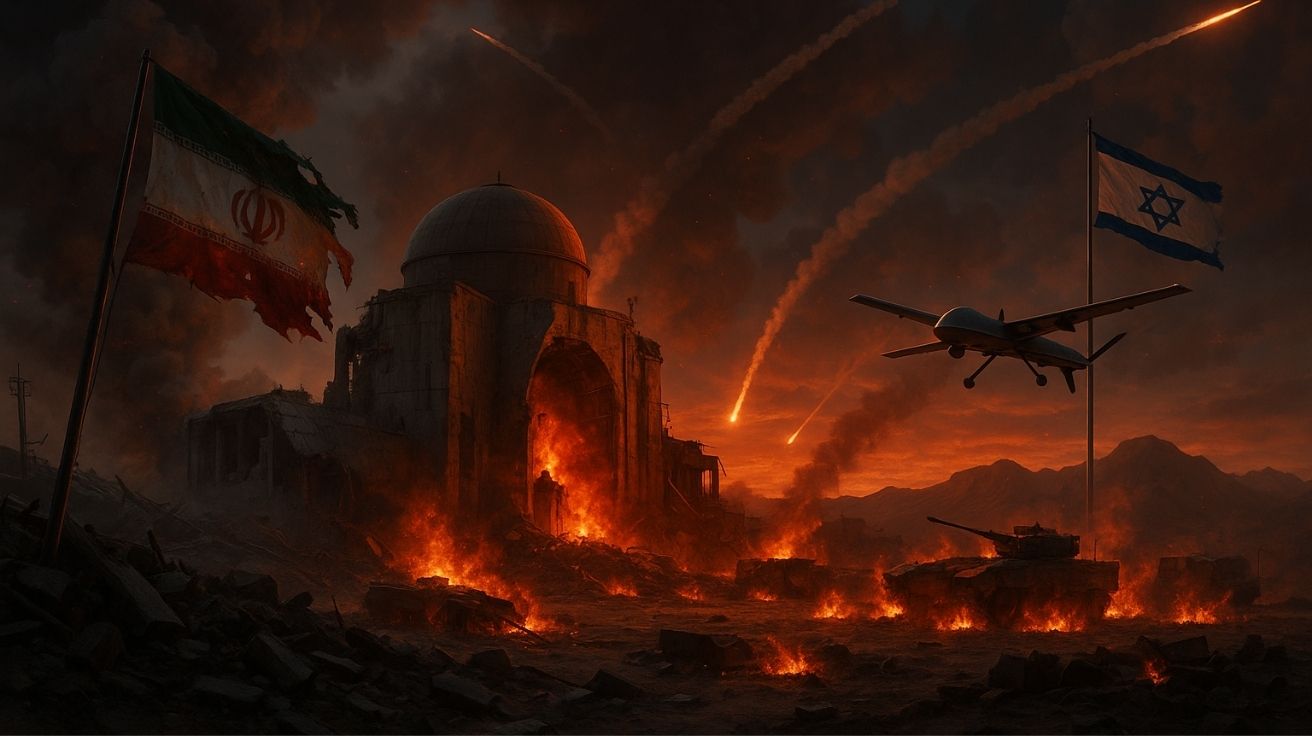
In the early hours of Friday, June 13, 2025, the long and turbulent relationship between Iran and Israel reached its most critical point in decades. In an unprecedented military operation, dubbed “Lion Rising”, Israel mobilized about 200 fighters to attack nuclear facilities and strategic military centers within Iranian territory, including the capital Tehran and the Natanz facility.
The attack resulted in the deaths of high-ranking Revolutionary Guard commanders and scientists from the Iranian atomic program, as well as provoking an immediate retaliation with over 100 drones launched against Israel, escalating the risk of a large-scale regional war.
ARTICLE CONTINUES BELOWSee also
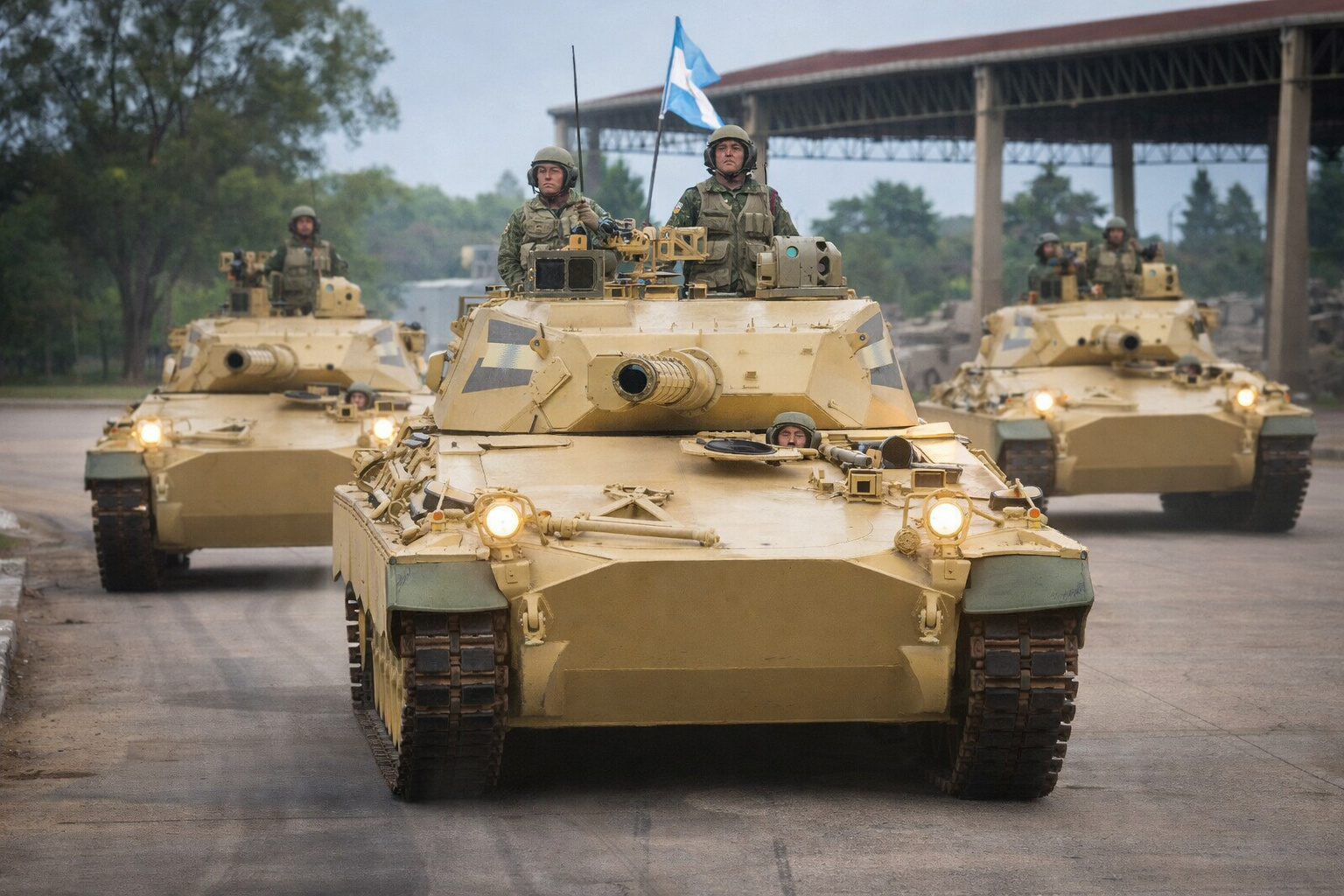
While no other country manufactures tanks in Latin America, Argentina activates the TAM 2C-A2 and raises a curiosity about the technological lag in the region.
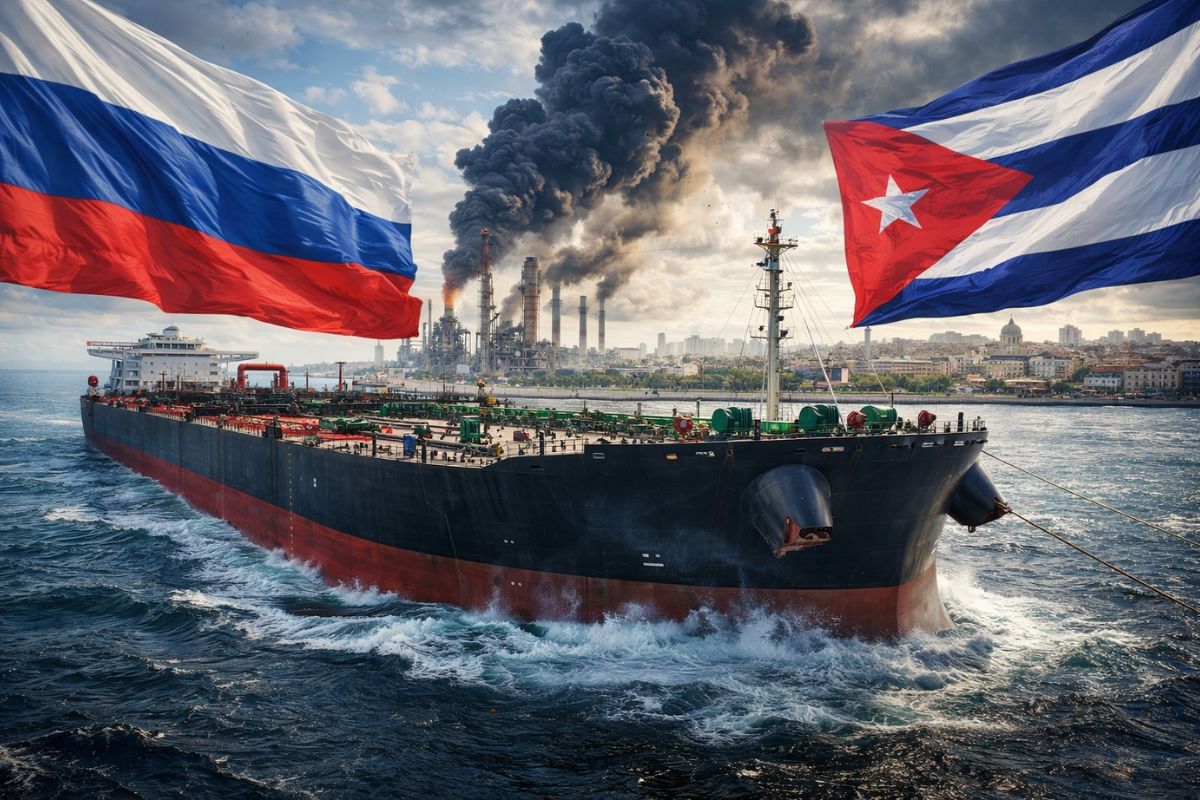
A Russian ship with 730,000 barrels of oil has just arrived in Cuba while Mexico negotiates fuel sales through private companies: the communist island is desperately seeking alternatives after losing its supply from Venezuela due to American military action.
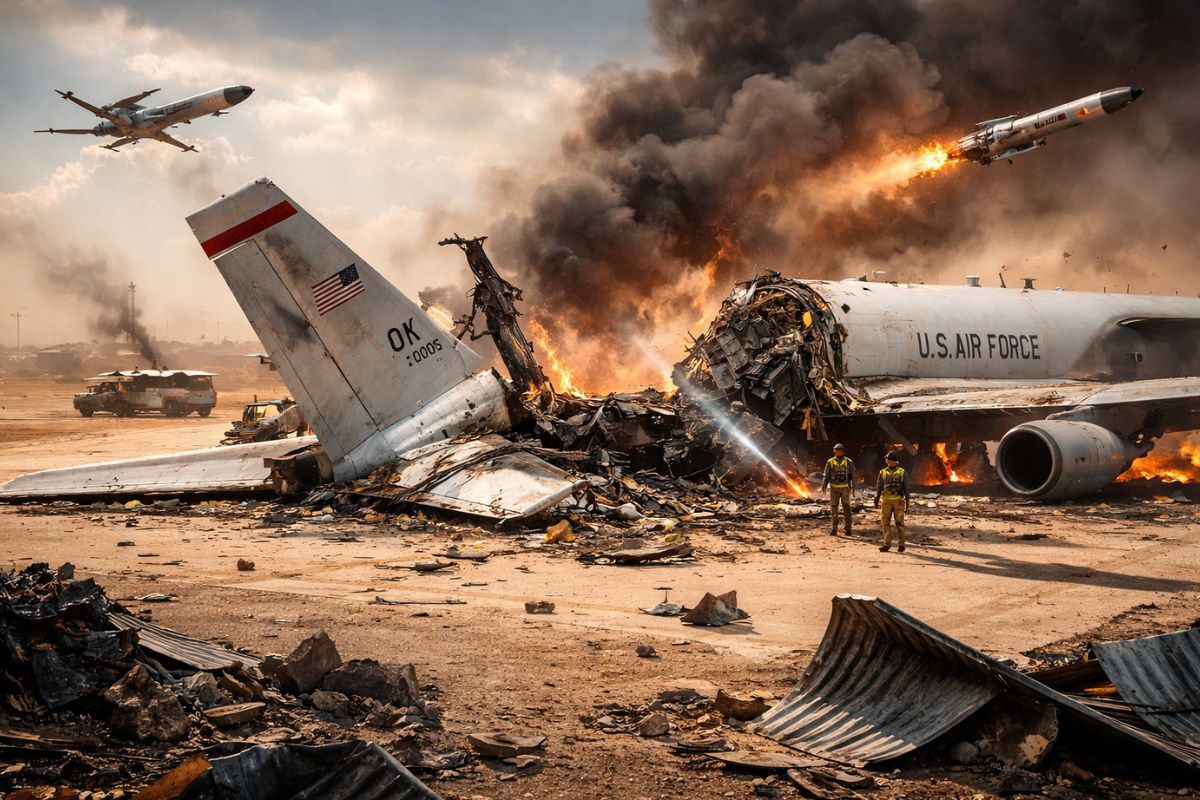
Iranian drones and missiles destroyed a 270 million dollar American spy plane in Saudi Arabia, splitting the E-3 Sentry aircraft in half and injuring 12 military personnel in an attack that exposes the vulnerability of U.S. bases in the Persian Gulf.
Petrobras surprises the world again by announcing a new discovery in the pre-salt with excellent quality oil.

The geopolitical and economic impact was immediate. The International Atomic Energy Agency (IAEA) confirmed damage to Iranian nuclear infrastructure, while stock markets around the world reacted with declines and oil prices surged by up to 13%.

This episode, which marks a new phase of hostility between the two countries, is part of a historical conflict that has dragged on since 1979 and involves much more than just religious or political issues: it is a struggle for influence, survival, and power in the heart of the Middle East.
From Strategic Alliance to Total Break: The Turning Point of 1979
During the 1950s to the 1970s, Iran and Israel maintained diplomatic and commercial relations. Iran was the second Muslim country to recognize Israel after its founding in 1948. Both countries cooperated on military projects, such as the Flower Project, aimed at developing advanced missiles. However, this rapprochement crumbled with the Islamic Revolution of 1979, which overthrew Shah Mohammad Reza Pahlavi and established the Islamic Republic led by Ayatollah Khomeini.
The new Iranian leadership came to view Israel as a “enemy of Islam”, breaking diplomatic relations, closing the Israeli embassy in Tehran, and handing it over to the PLO. In exchange, Israel classified Iran as an existential threat to regional stability, especially with the advancement of the Iranian nuclear program in the following decades.
Beyond ideological rhetoric, there were strategic interests. Iran began supporting groups such as Hezbollah, Hamas, and Islamic Jihad, considered terrorists by Israel, which responded with operations to assassinate nuclear scientists and attacks on Iranian arms convoys.
1980s: Covert Collaboration During the Iran-Iraq War
Even after the official break, Israel supplied arms to Iran during the war against Iraq (1980–1988), through what was known as the Seashell Operation. It is estimated that about 80% of the weapons acquired by Iran at the beginning of the war came from Israel, including missiles, aircraft parts, and ammunition. The Israeli justification was to prevent the victory of Saddam Hussein’s Iraqi regime, considered more dangerous at the time.
Paradoxically, this clandestine collaboration occurred at the same time that Iran intensified its anti-Israel rhetoric. The weapons were paid for with Iranian oil and the deals were conducted through Swiss and Argentine intermediaries.
The most emblematic episode was the Iran-Contra scandal, which revealed the involvement of the United States and Israel in secret arms sales to Iran in exchange for support for Nicaraguan rebels.
From Indirect Wars to Nuclear Sabotage: The Escalation of the 2000s
Starting in the 2000s, the focus of the confrontation shifted to the Iranian nuclear program. Israel considered the possibility of Iran obtaining a nuclear weapon unacceptable and began to execute preventive actions to delay nuclear development.
Between 2010 and 2012, several Iranian scientists were assassinated, in attacks attributed to the Israeli intelligence service Mossad. The Stuxnet virus, a sophisticated malware that sabotaged centrifuges at the Natanz nuclear facility, was also identified. It is estimated that a thousand centrifuges were damaged in the cyber attack.
At the same time, Iran was accused of planning attacks against Israeli targets in countries like Thailand, Georgia, and India. In 2012, a bombing attack on a tourist bus killed five Israelis in Bulgaria, an incident attributed to Hezbollah with Iranian support.
Direct Attacks and Retaliations: From 2024 to 2025, the Conflict Reaches a New Level
Starting in 2024, the conflict between Iran and Israel ceased to be merely indirect. In April 2024, Israel bombed the Iranian consulate in Damascus, killing Revolutionary Guard officials. Iran retaliated in June 2025 by launching over 180 ballistic missiles against Israel, according to Reuters.
The following day, Israel responded with attacks on Iranian nuclear facilities in Isfahan, after the IAEA declared that Iran had violated its nuclear non-proliferation obligations. Diplomatic sources confirmed that the attack hit research centers and missile factories.
These events marked a dangerous escalation in hostility, with the potential to destabilize the entire region. Experts warn of the risk of total conflict, especially with the involvement of allies on both sides such as the United States, Russia, and Gulf nations.
Cyberattacks, Spies, and Behind-the-Scenes Diplomacy
Throughout the decades, espionage and sabotage actions have been a central part of the clashes between the two nations. Israel developed one of the most effective intelligence networks in the region, infiltrating Iranian civilian and military structures. In contrast, Iran utilized groups like Hezbollah and hacker networks to attack Israeli infrastructures.
There have been recorded cyberattacks against power grids, banking systems, and technology companies. One of the most famous cases was the attempt to blow up water reservoirs in Israel via remote control — an action attributed to Iranian hackers.
Despite the sanctions, there is evidence of clandestine trade between Israeli and Iranian companies, mediated by third countries. Products such as pistachios, fertilizers, and network technology have been tracked between the two countries, even with the official prohibition.
The Future of Iran-Israel Tension: Impossible Dialogue or Inevitable War?
Despite some attempts at rapprochement over the years, such as during the Iranian Khatami government in the 1990s, the normalization of relations between Iran and Israel seems increasingly unlikely. Surveys from 2024 revealed that 64% of Iranians completely reject this idea, according to the Stasis institute.
Both countries continue to invest in their military capabilities. In 2023, Iran introduced the hypersonic missile Fattah, with a range of 1,400 km and a speed of Mach 15. Israel, in turn, maintains support from the U.S. and strengthens its missile defense with the Iron Dome system.
After so many decades of retaliations, preventive attacks, public threats, and proxy conflicts, peace between Iran and Israel remains a remote possibility. The world watches with concern whether the next attack will be the one that finally breaks the balance of deterrence and drags the region into total war.







-

-

2 pessoas reagiram a isso.