





 Portuguese
  English
  Spanish
  4 min of reading
  0 comments



Solar Energy Sector In Brazil Faces A Severe Shortage Of Skilled Labor, Impacting Growth And Implementation Of New Projects.
Solar energy in Brazil, so celebrated for its growth in recent years, now faces an unusual obstacle that could directly impact the future of the sector.
The shortage of skilled labor, even in a promising market, exposes challenges that could threaten the advancement of renewable energy in the country.
As the demand for solar panel installation grows, the sector faces a difficulty that has already been observed in other parts of the world, such as the United States.
-
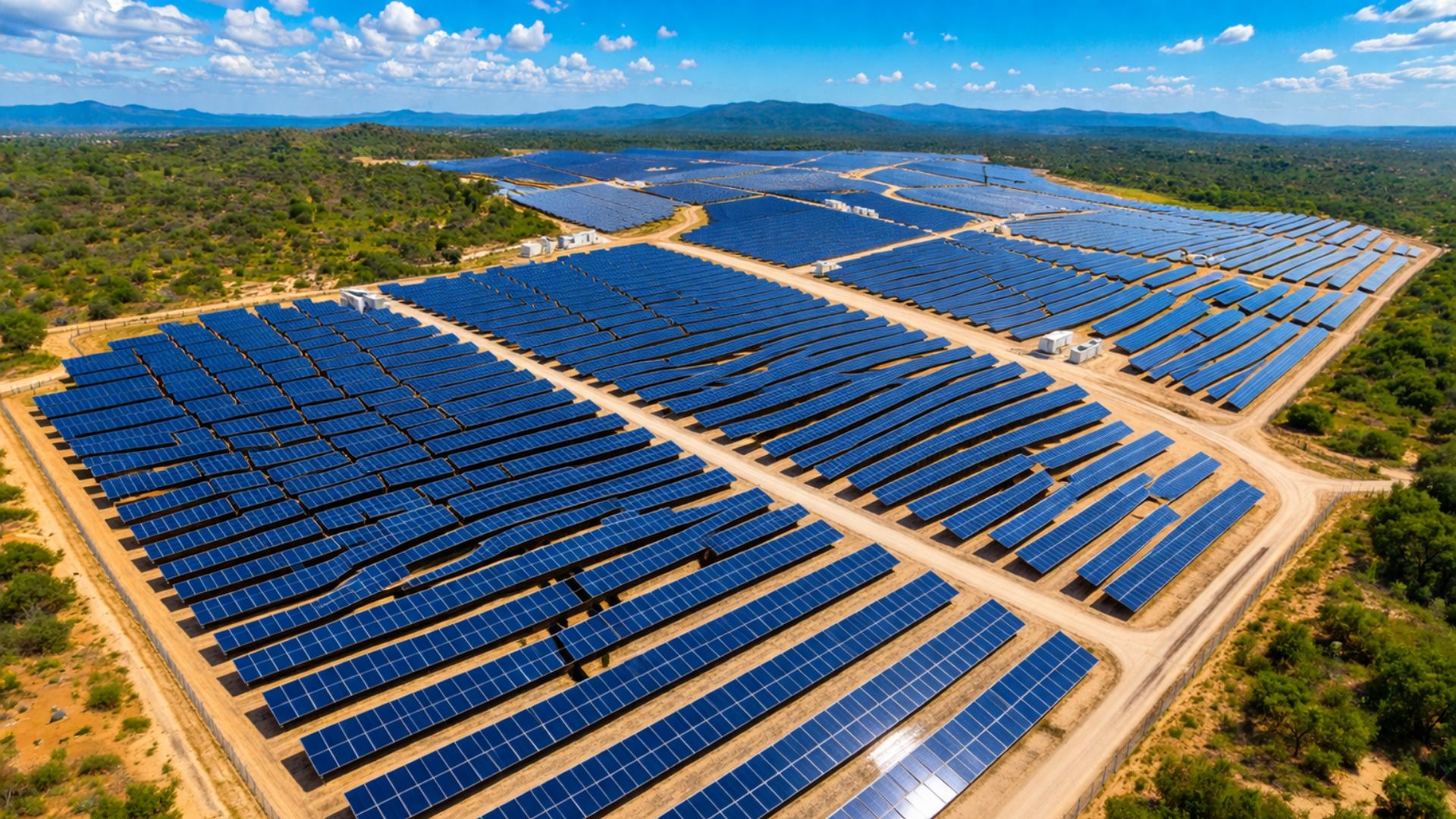
The Sol do Agreste Photovoltaic Complex begins operations in Pernambuco and accelerates the expansion of solar energy in Brazil, directly impacting the reduction of emissions and strengthening the sustainable energy matrix.
-
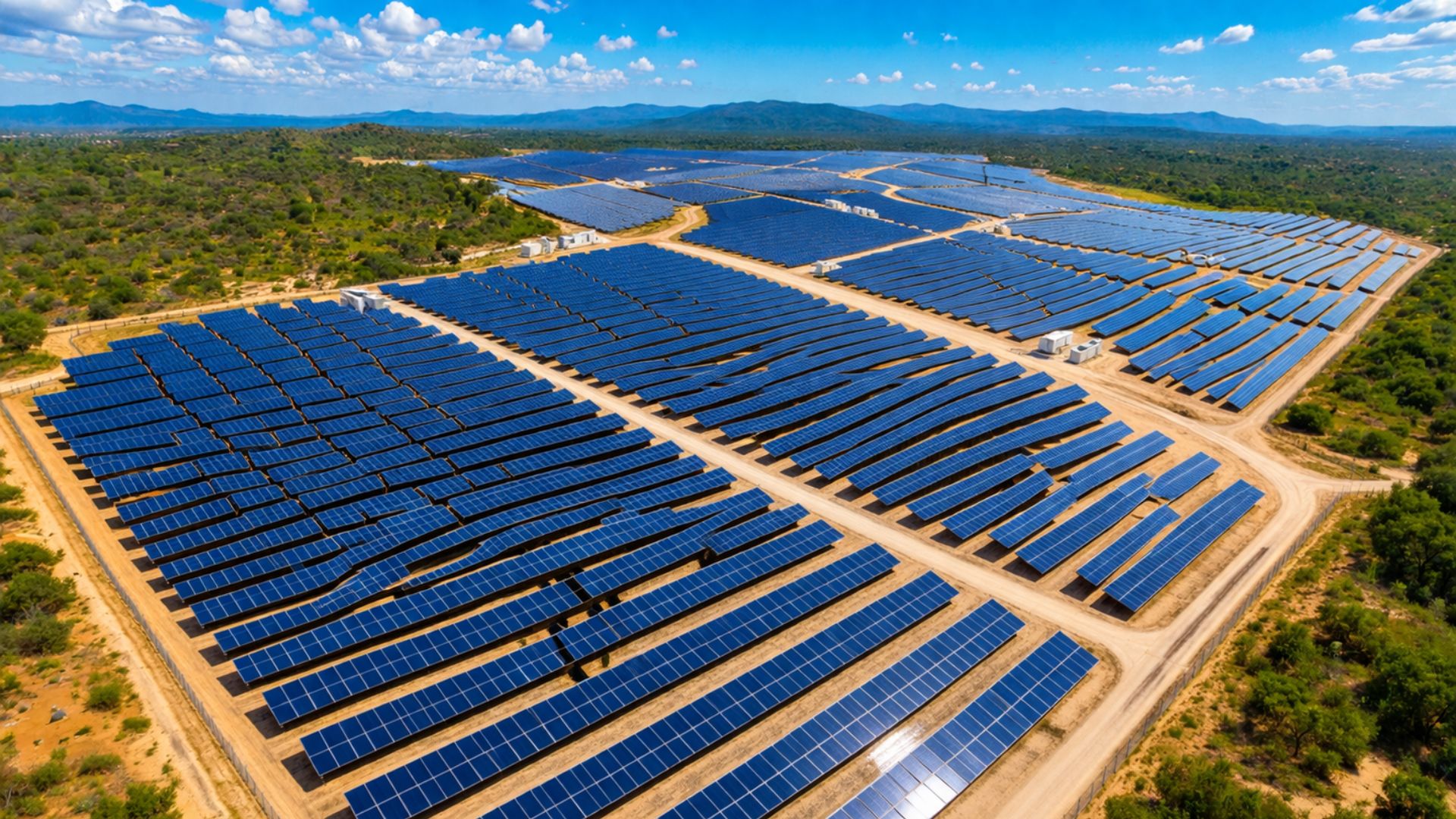
The Sol do Agreste Photovoltaic Complex begins operations in Pernambuco and accelerates the expansion of solar energy in Brazil, directly impacting the reduction of emissions and strengthening the sustainable energy matrix.
-
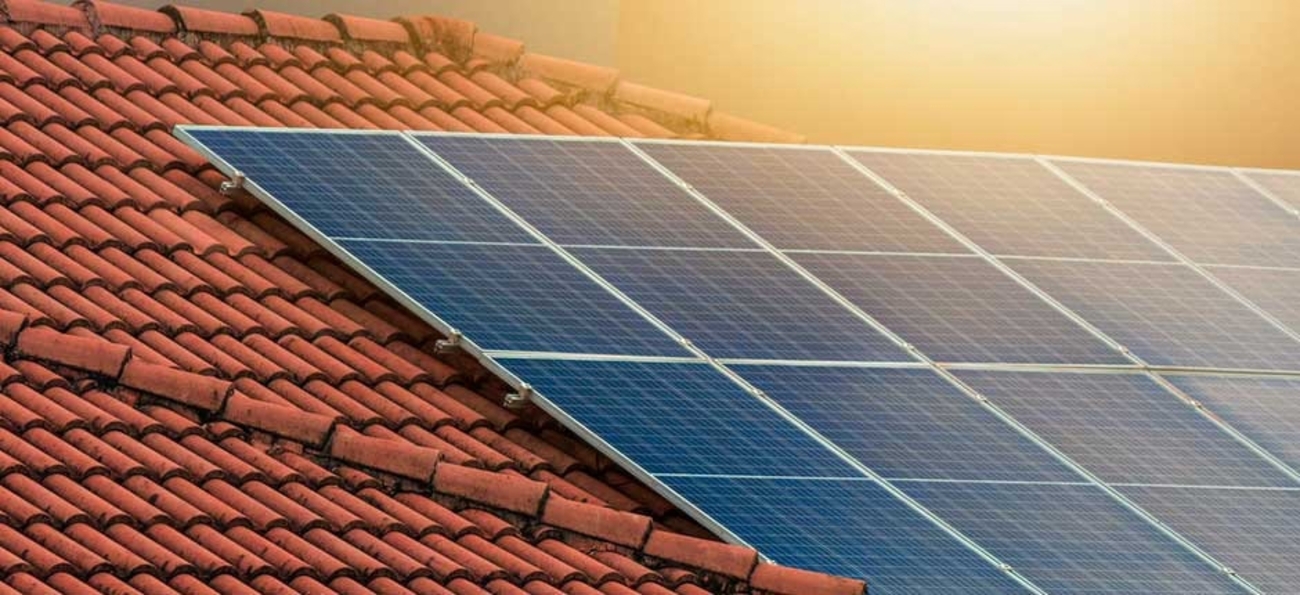
Roraima bets on the sun to escape high tariffs: Amid the energy crisis and price hikes, solar energy is growing in Roraima and transforming consumption in the North region.
-
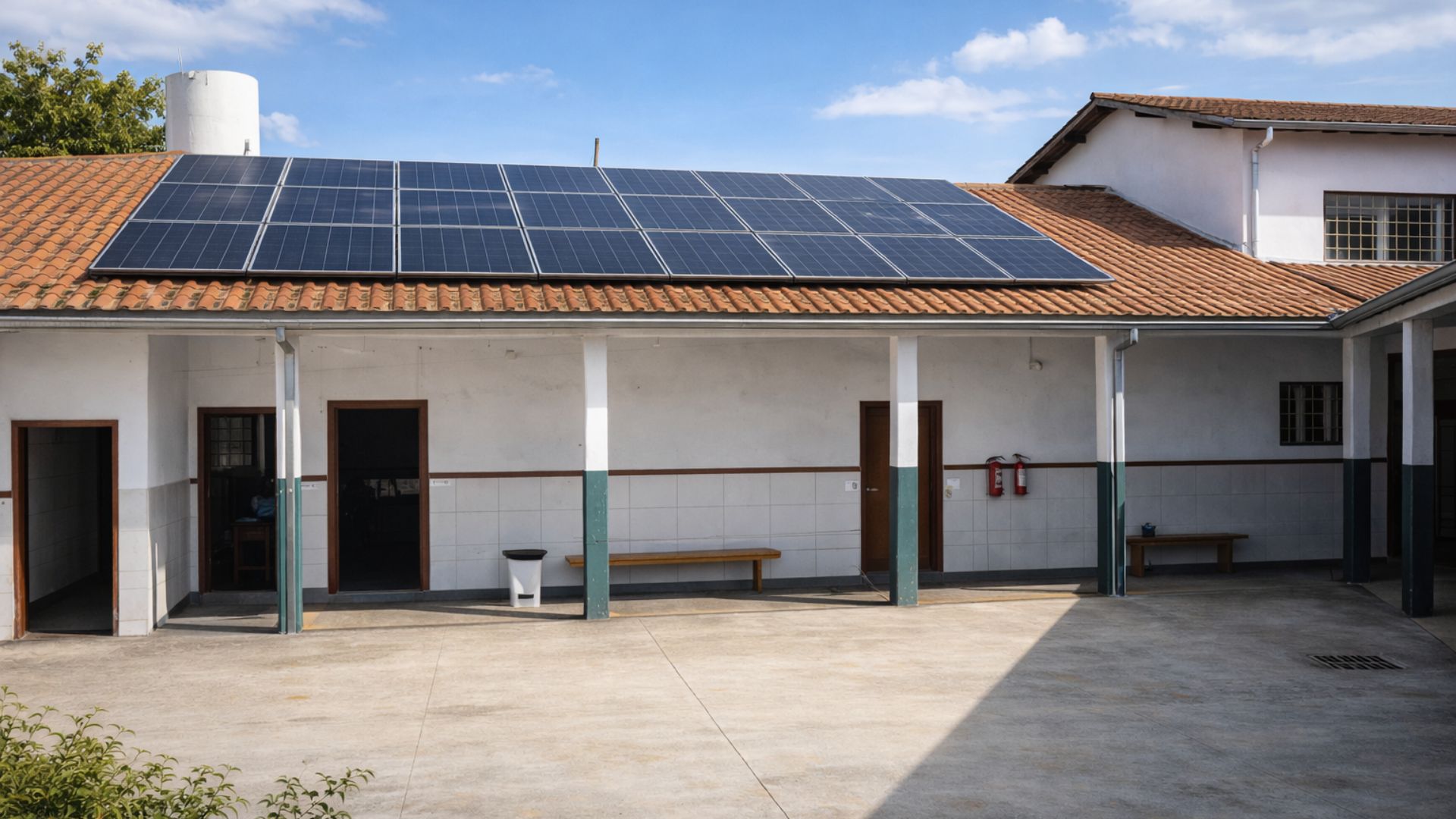
Copel boosts solar energy in Paraná and brings innovation to public schools, promoting savings on electricity bills, energy efficiency, and a direct impact on the quality of education.
Photovoltaic solar energy has consolidated itself as one of the main sources of renewable energy in Brazil, coming in second only to hydropower.
In 2023, about 16.5% of the electricity generated in the country already came from solar energy, according to data from Absolar (Brazilian Association of Photovoltaic Energy).
However, even with this promising scenario, the lack of qualified workers could become a bottleneck in the sector’s development.
Impact Of The Lack Of Qualifications In The Solar Sector
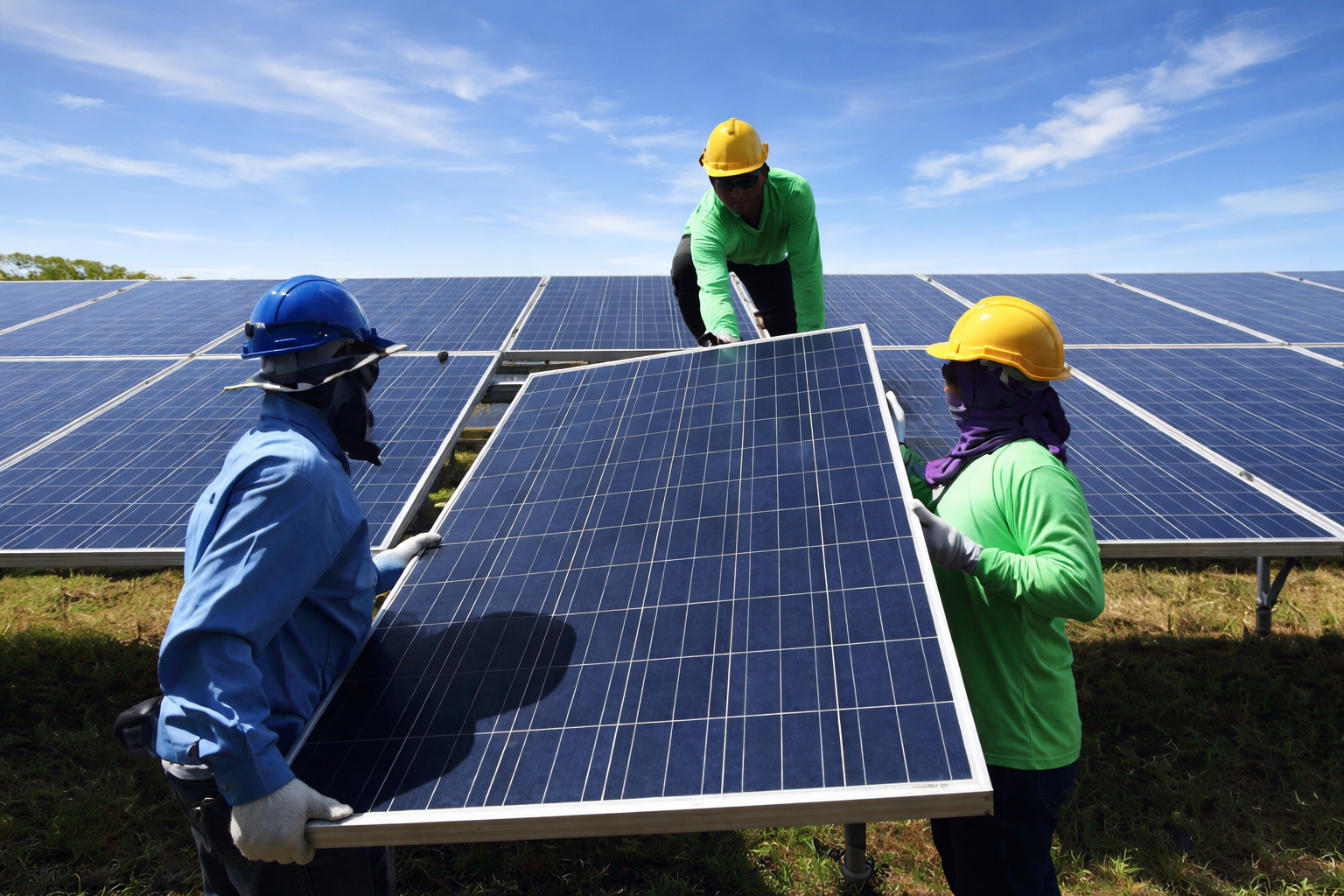
According to Bruno Chavarry, director of the company Sunfor, specialized in solar installations, the shortage of labor has been a constant challenge.
He explains that many companies are turning to workers from other areas, which forces adaptations in the way of working to meet the requirements of the solar energy sector.
“The market is growing rapidly, but there is a lack of qualified people”, he states. This directly affects the quality and speed of installations, especially in a scenario where demand is only increasing.
Companies have been looking for alternatives to recruit workers.
The human resources department at Sunfor, for example, needs to resort to strategies such as partnerships with municipalities and even the use of sound trucks to advertise job openings.
The main hiring criterion has been the candidates’ willingness to learn and adapt to the sector’s needs.
Different Solar Generation Models
In Brazil, solar energy is generated in two main ways: large plants and small systems installed on the roofs of homes and businesses.
According to Ronaldo Koloszuk, chairman of the Board of Directors of Absolar, about two-thirds of solar energy in the country comes from these small installations.
He emphasizes that, although it is not an extremely complex task, it is necessary to hire qualified professionals to ensure the efficiency and safety of projects.
The biggest challenge, however, arises in the so-called “solar farms”, large plots covered by thousands of panels.
In these cases, the construction is the responsibility of companies called EPCs (Engineering, Procurement and Construction), which assume the entire project structure.
Worker turnover is another factor that worsens the situation.
According to Elvis Albarello, executive director of the EPC unit of the company A. Dias, projects can experience a 100% turnover of the team throughout their execution period, requiring practically the entire team to be replaced during construction.
Automated Solutions And The Future Of The Sector
In the United States, the advancement of automation in the installation of solar panels is already a reality.
AES, a renewable energy company, is testing robots to assemble panels in large solar farms, a strategy aimed at mitigating the labor shortage.
Although this reality still seems distant for Brazil, the robotization of the sector is already seen as a potential long-term solution.
Chavarry and Albarello comment that, although some automation already exists in the sector, such as the use of drones to monitor installed panels, the technological advancement in this regard is still far from comparing to other sectors, such as automotive.
The expectation is that this automation will only gain strength when it represents a significant reduction in costs.
Currently, the main source of savings comes from the decrease in equipment prices, thanks to technological evolution and the mass production capacity of China.
A. Dias, for example, uses drones to identify defective panels through thermal cameras, facilitating maintenance. However, the replacement of parts is still done manually.
The Future Of Solar Energy And The Race For Labor
Despite the difficulties, Brazil is still in a more favorable position than other countries, especially in Europe, which need to accelerate the decarbonization process to meet the Paris Agreement goals.
According to Jovanio Santos, director of New Business at Thymos Energia, while in Brazil the problem of labor shortage is concerning, in other countries the situation is much more serious, due to the urgency in the expansion of renewable sources.
Solar energy, along with other renewable energy sources, continues to be one of the main bets for the future of Brazil’s energy matrix.
However, if the country cannot resolve the issue of qualified labor, the sector’s growth may be seriously compromised.
The expansion of solar energy in Brazil has shown great potential, but the lack of skilled labor is becoming a central problem that could hinder this growth.
Companies in the sector are seeking creative solutions to recruit workers, but the reliance on professionals from other areas and high turnover aggravate the situation.
While automation may represent a long-term solution, the sector will need to face current challenges to continue growing.
In light of this scenario, the question arises: will Brazil become a powerhouse in solar energy by overcoming the skilled labor deficit?








Seja o primeiro a reagir!