





 English
  Francês
  Alemão
  Italiano
  Japonês
  Norueguês
  Portuguese
  Spanish
  4 min of reading
  19 comments




Even With Salaries 5.7 Times Higher Than Average, The Oil Industry Suffers From A Lack Of Qualified Professionals, Threatening Its Growth.
The oil industry in Brazil is booming, but the euphoria may be tempered by a surprising factor: the lack of qualified professionals.
Even with salaries reaching up to 5.7 times higher than the average in other sectors, companies are facing serious difficulties filling open positions.
A true “labor blackout” threatens the sector’s growth, which is already feeling the impacts of this scarcity, even with attractive incentives and salaries.
-
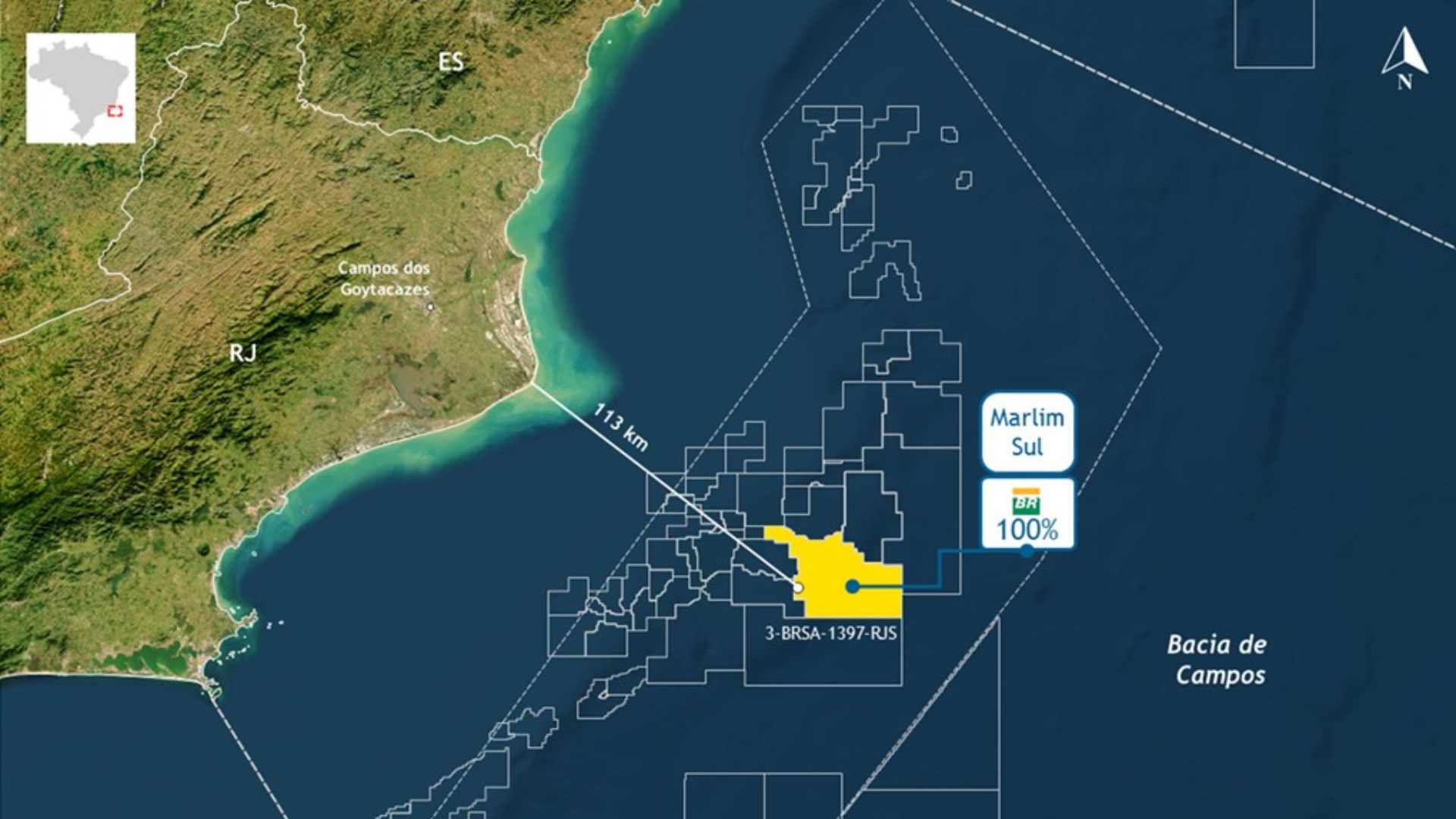
Petrobras finds high-quality oil in the pre-salt at 113 km from RJ and reignites expectations about strategic reserves in the Campos Basin.

-
Ocyan opens registrations for startups focused on innovation in the oil and gas sector and will select projects for Innovation Day with the support of Nexio.

-
Petrobras announces new oil discovery in the pre-salt of the Campos Basin and reinforces Brazil’s prominence with high-quality reserves that can increase production and energy revenues.
-
Alert in the fuel market: Analysts and a former director of ANP warn that oil prices may worsen in the coming months due to global instability.


Since 2020, the oil sector in Brazil has been experiencing significant growth, with an increase of more than 40% in formal employment, according to data from the new General Register of Employed and Unemployed (Caged).
Despite the criticism from environmentalists, oil exploration continues to break records, driven by global demand and the potential of pre-salt discoveries, which increases the need for qualified labor.
The Growing Demand for Positions in The Sector
According to the Executive Secretary of Abespetro, Telmo Ghiorzi, the sector is expected to continue growing until at least 2029, supported by investments already contracted for oil platforms.
Oil companies operating in Brazil have informed the National Agency of Petroleum (ANP) of their plans to install 42 new production units between 2024 and 2028, which will require more R$ 500 billion in investments during this period.
The exploration sector, which seeks new oil reserves, is also experiencing a heated moment, with the largest number of exploratory blocks under contract in the country’s history.
However, the sector is already facing a serious issue: the lack of skilled professionals. According to Roberto Ardenghy, president of the Brazilian Institute of Petroleum (IBP), in an interview with Folha de S. Paulo, the rapid growth places the sector at risk of a “labor blackout.”
“We are not training enough people. There is currently no strategy for training human resources for this sector”, he states.
Sector Offers Attractive Salaries, But Qualification Remains a Barrier
What makes this situation even more alarming is that, despite the high salaries, positions remain difficult to fill. According to Ardenghy, for only 14 platforms planned by Petrobras, around eight thousand on-board workers are needed.
He also points out that the sector pays 5.7 times the average salary of other industries for the same professionals, highlighting the seriousness of the qualification problem.
The difficulty is not exclusive to large oil companies. Service providers, such as Ocyan, face similar bottlenecks. This month of September, as published by CPG, Ocyan opened 500 positions for platform maintenance.
However, according to reports, the company is facing challenges in finding qualified candidates. “The major bottleneck, when we talk about the brisk heating of the sector, is labor; how will companies find the number of professionals they need in the market”, explains Jorge Mitidieri, president of Ocyan.
Segments Most Impacted by the Lack of Labor
The situation is equally challenging for companies that support oil production, offering crucial services such as the transport of supplies and installation of underwater equipment.
The sector is requesting support from the Navy to boost the training of qualified personnel. Additionally, there are concerns about the impact of this labor blackout on long-term projects.
The Institute of Socioeconomic Studies (Inesc) also questions the massive use of government subsidies that have fueled the sector’s growth.
According to a recent study, there were R$ 260 billion in subsidies between 2015 and 2023, a figure considered high for a sector that, for many, should be transitioning to more sustainable energy sources.
“The government argues that our emission problem is associated with deforestation and land use”, comments Alessandra Cardoso, political advisor at Inesc, who criticizes the lack of a broader discussion on the topic.
The Pressure from Environmentalists and The Challenges Facing The Sector
Environmental organizations, such as ONG 350.org, have been pressuring the Brazilian government to include fossil fuel reduction targets in international commitments.
During the Brazilian presidency at the G20, which takes place in November 2024, the group advocates that Brazil lead a global movement for the energy transition.
According to activist Maria Victoria Emanuelli, “Brazil has the immense responsibility to send bold and ambitious signals to countries around the world… we must cut the cause of the climate crisis at the root: by stopping the burning of oil, gas, and coal and financing a just transition”.
According to Ardenghy, however, the reality is that oil will still be consumed for many years, and Brazilian production, which emits fewer greenhouse gases, helps decarbonize the global industry. “If Brazil stops producing oil, the world will emit more,” defends the IBP president.
He also highlights that oil is a major driver of the national economy. In recent years, the sector has been responsible for part of Brazil’s Gross Domestic Product (GDP) growth, especially in the second quarter of 2024, when the extractive industry grew 1% compared to the previous year, according to the Brazilian Institute of Geography and Statistics (IBGE).
The Future of Production and The Risk of Retraction
With ongoing investments, national oil production is expected to grow from the current 4 million to over 5 million barrels of oil equivalent per day by 2030.
However, to avoid a production decline in the next decade, the sector advocates the need to explore new frontiers, such as the equatorial margin.
In light of this reality, is Brazil prepared to deal with the challenges of workforce qualification while continuing to be a global reference in the oil sector?









Mentira pura tudo isso! Tem 2 messes que sai do trabalho embarcado, e nem nis sonhos os salários estão da forma que estão falando. um caldeireiro tem salário de 2700 reais no máximo, não volto a trabalhar embarcado nem se o papa me pedir.
Sou trabalho do Ebr, da cidade de São José do Norte, e me ofereceram uma vaga em ES oferecendo um salário mais baixo e sem ajuda, óbvio que encontrará dificuldade em achar profissionais!
Falta de mão qualificado nada, gastei mais de 7 mil reais em cursos.
Ex: Acesso por cordas Irata N1, pintura industrial, T-HUET, CBSP, NR’s e outros.
Mas não tenho experiência na área e as empresas só dá oportunidade para quem tem 2, 3 anos de experiência então o jeito é ficar no trabalho formal.