





 Portuguese
  English
  Spanish
  3 min of reading
  0 comments



Industry Grows and Expands Job Openings by Investing in Qualification and Training of Professionals to Meet Growing Demand.
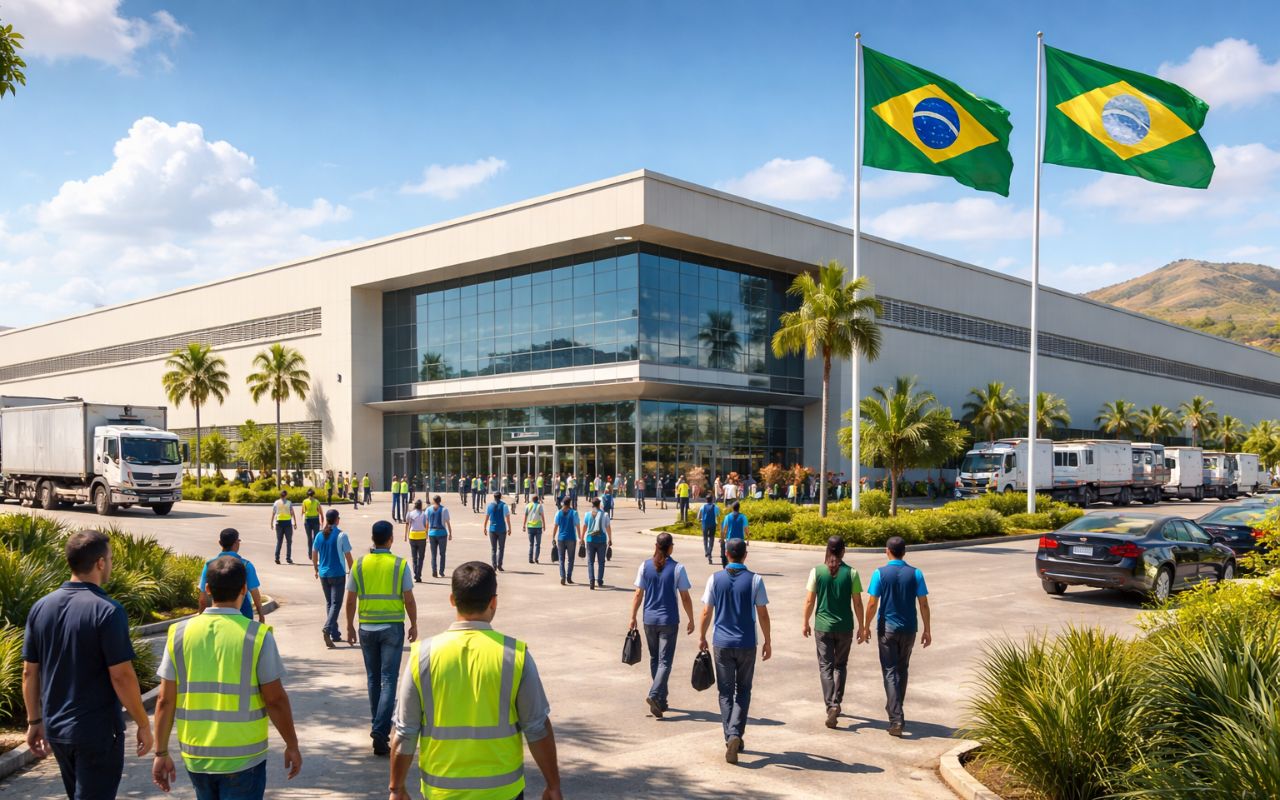
The Brazilian industry is going through a period of expansion, with new investments and the creation of thousands of job openings. However, this growth faces a major challenge: the qualification of professionals to fill these positions. Although the industry is hiring more and more, it is essential that companies also invest in training to ensure that new workers meet the sector’s needs.
Job Openings on the Rise, but the Lack of Qualification Is Still an Obstacle
The increase in consumption and GDP growth are driving the industry, which generated 416,000 new job openings between July and September 2024, according to data from IBGE.
This increase occurs across various segments, such as footwear, clothing, electronics, vehicles, and even in the oil and gas sector.
-
Historic bankruptcy of Centauro shocks the market, and the century-old company puts more than 500,000 products, machines, and complete infrastructure up for online auction.

-
New shoe factory in Ceará is expected to create 400 jobs and strengthen the local economy.
-
No one imagined it, but a mixture of sawdust with a mineral that fights fires surprises scientists with a result that changes the course of fire-resistant construction.

-
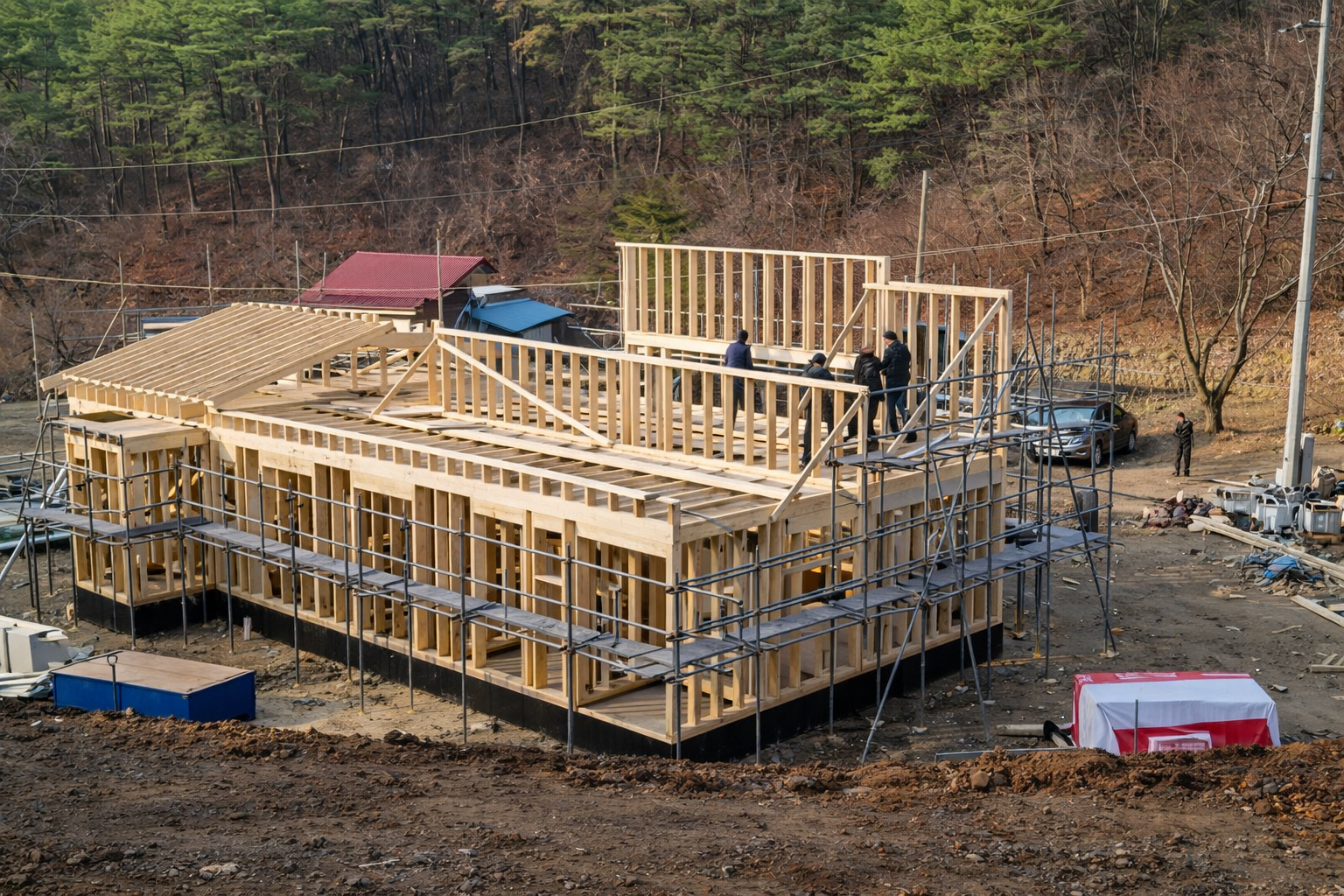
From empty land to a high-end house, wooden construction uses a lightweight system, metal structure for the foundation, ventilated ceramic cladding, and special windows to create an efficient and comfortable living space throughout the year.

Even with the creation of these positions, companies face a major obstacle: the lack of qualified professionals.
According to the National Confederation of Industry (CNI), by 2027, the sector will need 11.8 million retrained workers.
To meet this demand, many industries, such as Kidy in Birigui, São Paulo, are investing in internal qualification and training programs, such as apprentice programs that offer technical training for young people.
The Role of Training in Workforce Qualification
Qualification is one of the biggest challenges faced by the Brazilian industry.
Felipe Morgado, superintendent of Senai, emphasizes that companies are looking for professionals with technical training, but only a small portion of the Brazilian population has this type of education.
To aggravate the situation, technical education in Brazil is limited: only 11% of young people attend technical schools, far below the average of countries like Chile and the OECD members.
In response, the sector has been increasingly investing in training, both for new hires and for those already on the factory floor.
The CNI estimates that companies will need to train millions of workers in the coming years to meet market demands.
Programs like Senai have been a key component in this process, with a high employability rate among graduates.
The Impact of Job Openings on Compensation and the Labor Market
In addition to the need for qualification, another important aspect is the impact of job openings on compensation.
The average salary in the industry is significantly higher than the national average, with technical level professionals earning around R$ 3,096, while professionals with higher education can reach salaries of R$ 11,783.
This attracts many workers to the sector, especially those seeking more stable employment with greater benefits.
However, industries also face challenges in attracting and retaining talent.
In sectors like footwear, competition with technology areas such as digital marketing and programming has been a factor that makes it difficult to hire qualified professionals.
Some companies have adopted strategies such as increasing compensation to attract and retain workers.
The Industry Invests in Training to Meet the Demand for Professionals
As the industry grows and job openings increase, companies have invested more in training and qualification to ensure that professionals meet their needs.
Training programs, such as those offered by Senai, have been essential in preparing the workforce for new challenges.
However, continuous effort is needed to meet the qualification demand, both for professionals entering the market and for those already working in industries.
With the forecast of sector growth and the creation of new jobs in the coming years, qualification will continue to be one of the key points for the success of the industry.
To meet market needs, it is essential that the sector continues to invest in training and qualification of professionals.









Seja o primeiro a reagir!