





 Português
  Inglês
  Espanhol
  3 min de leitura
  0 comentários


Method That Uses Water Instead Of Fire To Turn Bodies Into Ash Is Legalized In Scotland And Is Already Attracting Attention For Its Lower Environmental Impact
The aquamation gained prominence after being legalized in Scotland on March 2. The method, which uses water and alkaline solution to decompose bodies, emerges as an alternative to traditional cremation and promises to reduce emissions and energy consumption.
What Changes With The Legalization Of Aquamation
After the death of a loved one, many families opt for cremation. In this process, the body is incinerated, and the ashes can be kept in urns or transformed into objects like stones and necklaces.
Unlike some burials, cremation does not pose risks of soil and groundwater contamination. Still, the procedure generates significant environmental impacts.
-
44 minutes on the cosmic scale: mysterious object in the Milky Way emits simultaneous radio and X-ray signals and raises an intriguing question about what is really happening in deep space.

-
Omoda & Jaecoo and AiMOGA Robotics advance in industrial artificial intelligence with a strategic debut in Thailand and a focus on advanced automation.

-
In a scenario of rising fuel prices, Omoda & Jaecoo enhance value for consumers with a range of up to 1,200 km, energy efficiency, and a new concept of worry-free mobility.

-
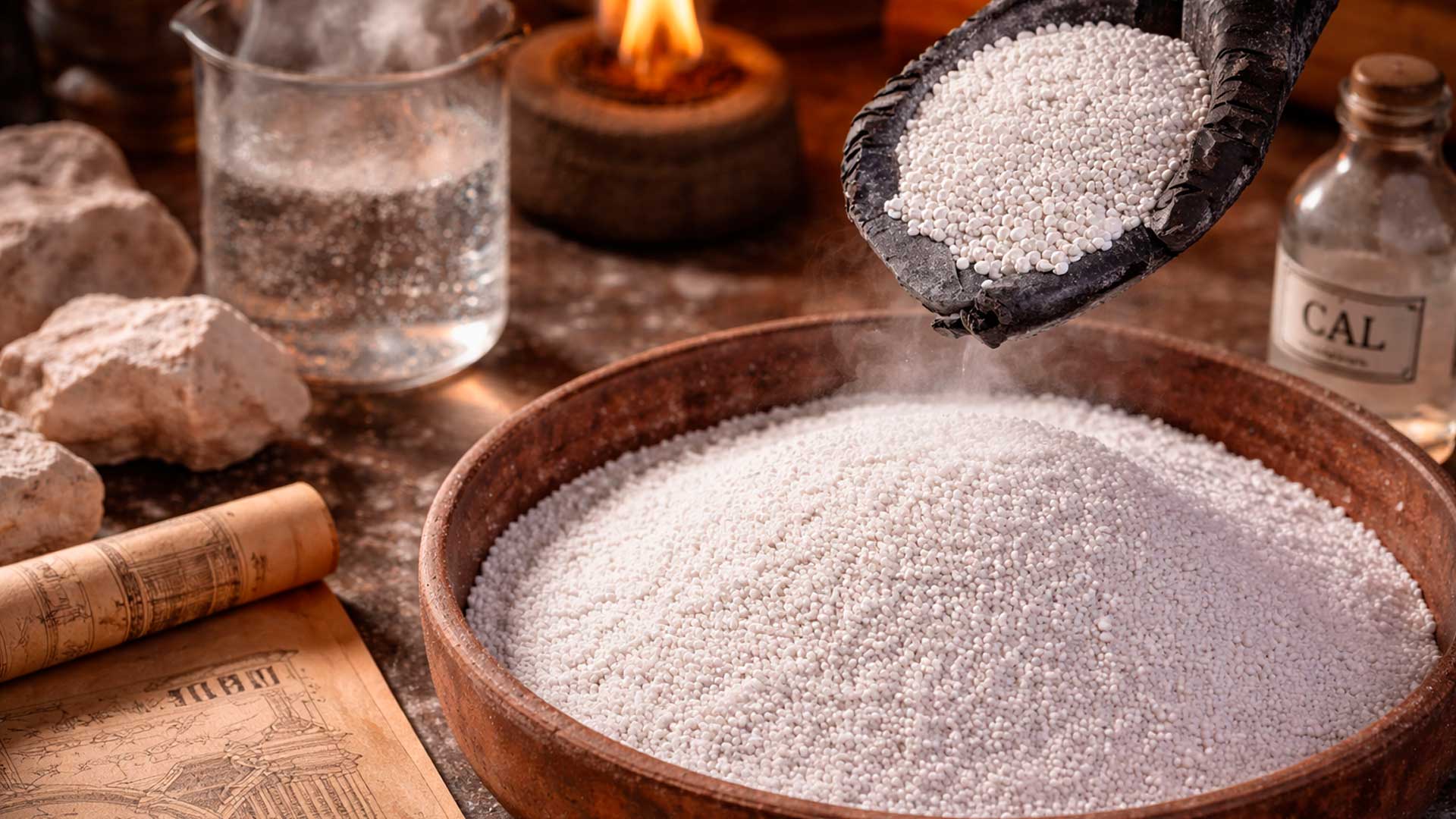
Cement battery inspired by chemistry used since Ancient Rome resurfaces as a rechargeable thermal solution and enters the competition for the future of industrial heat.

To turn a body into ashes, traditional cremation takes between two and five hours of burning.
This process consumes a large amount of energy and releases carbon dioxide and other pollutants into the atmosphere.
These emissions total millions of tons per year worldwide, leading researchers and funeral companies to seek alternatives considered less polluting.
How The Aquamation Process Works
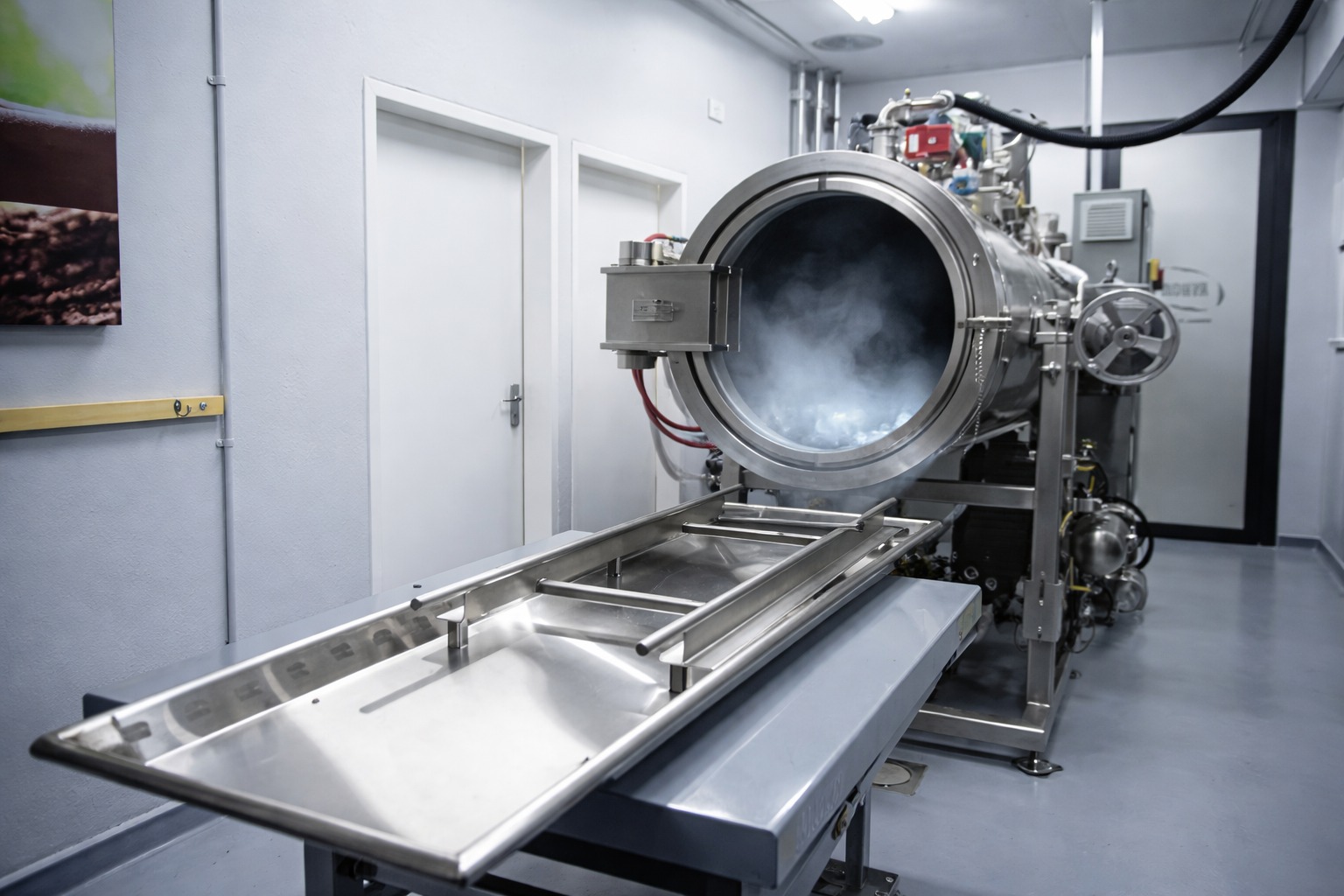
Aquamation, also known as alkaline hydrolysis, works like a kind of cremation with water. The method does not use fire during the procedure.
The body is placed in a large metal tube that is pressurized and heated. Inside the equipment, there is a mixture of water with an alkaline solution, usually potassium hydroxide.
The temperature ranges between 90 °C and 150 °C. Even with heating, the liquid does not boil due to the pressurization of the system.
For about four hours, the body’s tissues and organic compounds gradually decompose. At the end of the process, only the bones remain.
In practice, this is the same chemical process that occurs in the natural decomposition of a buried body but artificially accelerated inside the equipment.
What Happens After Decomposition
After decomposition, the bones are dried and pulverized in a machine called a cremulator. The result is a fine powder.
Unlike the ashes from traditional cremation, this material typically has a white color. It can be given to the family in the same way as cremated remains.
The remaining liquid in the tube contains dissolved organic compounds. This material can undergo treatment before being returned to the water system.
In some cases, the liquid can also be used as fertilizer without causing environmental pollution, according to the method’s descriptions.
Lower Environmental Impact And International Adoption
The main difference of aquamation lies in its reduced environmental impact. The process uses about one-seventh of the energy required for conventional cremation.
Additionally, the carbon footprint can be up to 75% lower compared to the traditional cremation method.
Another curious detail is that there is no need to remove pacemakers, prosthetics, or implants before the procedure.
As there is no combustion, there is no risk of explosion during the process. After aquamation, these devices remain intact and can be removed normally.
The method is already used in some places, such as the United States, Canada, and South Africa. It gained international notoriety after being chosen for the funeral of Archbishop Desmond Tutu.
Tutu was a Nobel Peace Prize winner for his fight against apartheid. His funeral helped to bring global visibility to aquamation, which is now also officially allowed in Scotland.
With information from Super Interessante.




Seja o primeiro a reagir!