





 Portuguese
  English
  Spanish
  4 min of reading
  0 comments


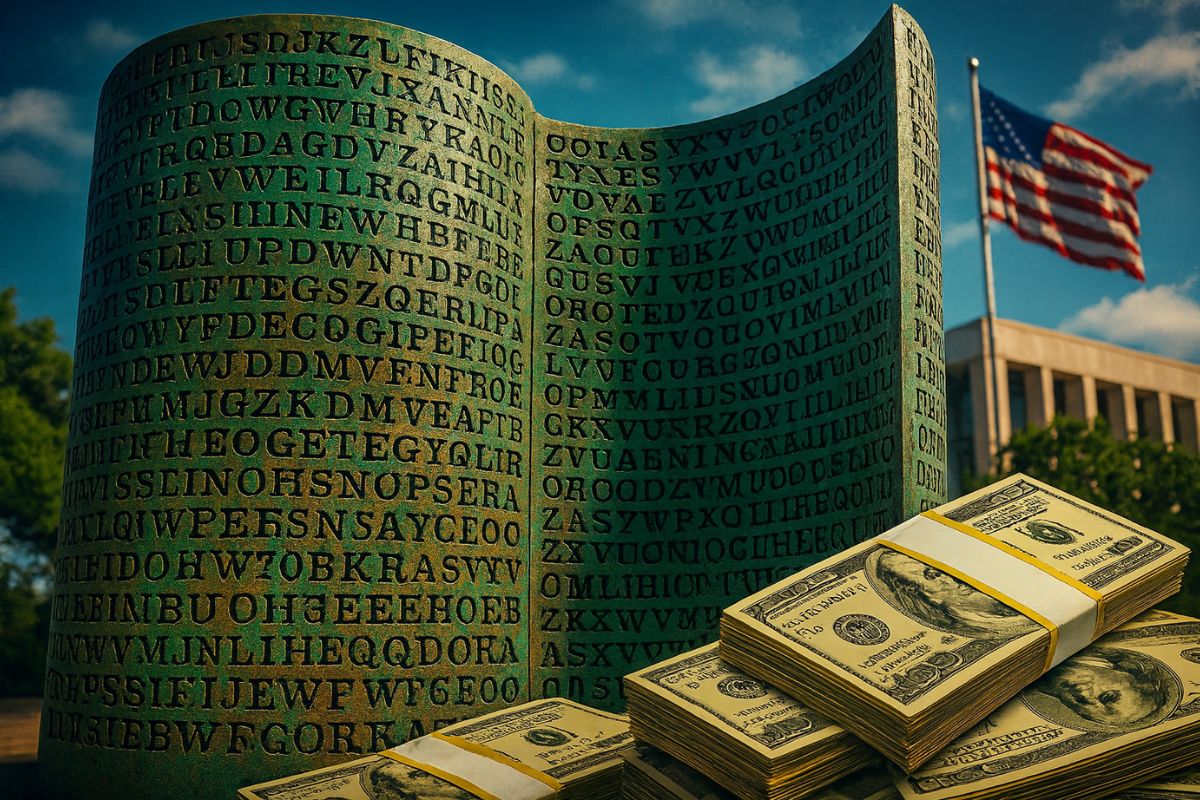
CIA Sculpture, Cryptographic Artwork Installed at the Headquarters of the American Agency in Langley, Had Its Final Riddle Solved by Two Journalists; Artist Acknowledges the Discovery and Announces Auction of the Meaning Valued at Up to R$ 2.7 Million.
The CIA Sculpture has once again attracted global attention after the announcement that its last code, kept secret for over three decades, has finally been deciphered. The artwork, called Kryptos, is installed in the central courtyard of the United States intelligence agency headquarters in Virginia and became famous for containing four encrypted messages. To this day, only three of them had been solved.
According to the Uol portal, the revelation was made by a duo of journalists who found the solution to the fourth passage known as K4 in archived records at the Smithsonian Institution. The sculptor Jim Sanborn, creator of the work, confirmed the authenticity of the decryption and announced his intention to auction the text and its symbolic meaning for up to US$ 500,000, equivalent to R$ 2.7 million.
The Story Behind Kryptos and the CIA Challenge
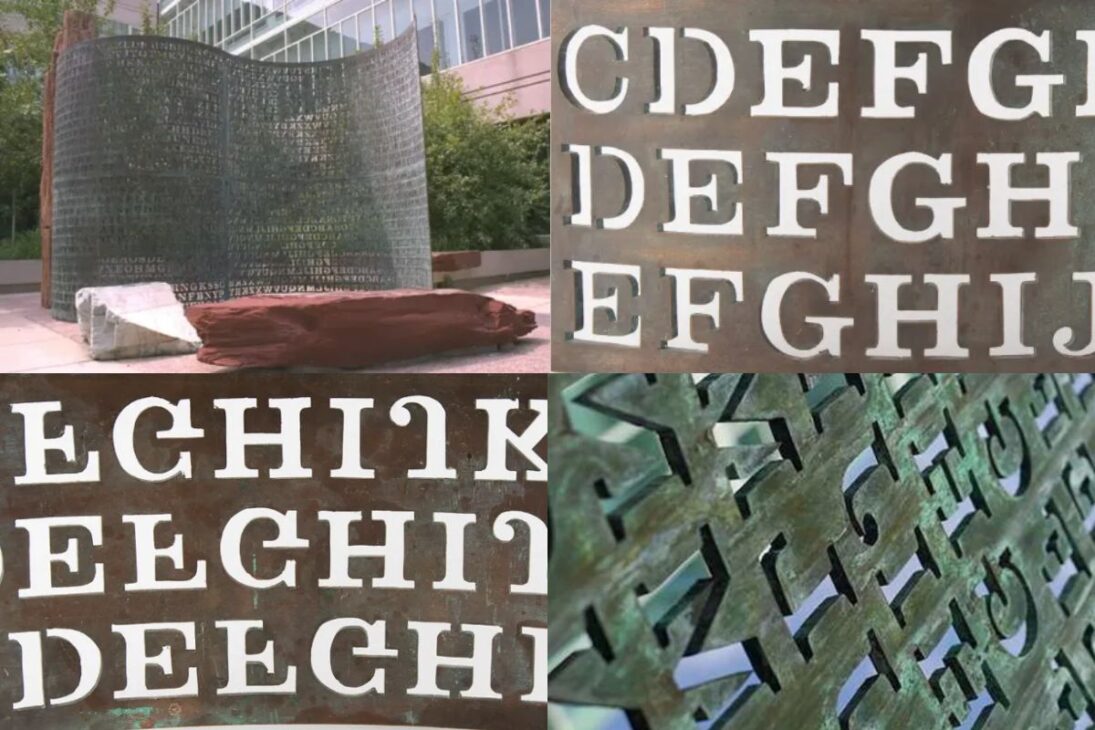
Installed in 1990, the Kryptos sculpture combines art and cryptography, with 865 letters cut into a curved copper plate.
-
He buried 1,200 old tires in the walls to build his own self-sufficient house in the mountains with glass bottles, rainwater, and an integrated greenhouse.
-
The aircraft carrier HMS Prince of Wales is heading to the Arctic with F-35 fighters, helicopters, and warships in an operation that repositions the United Kingdom at the forefront of NATO in 2026.
-
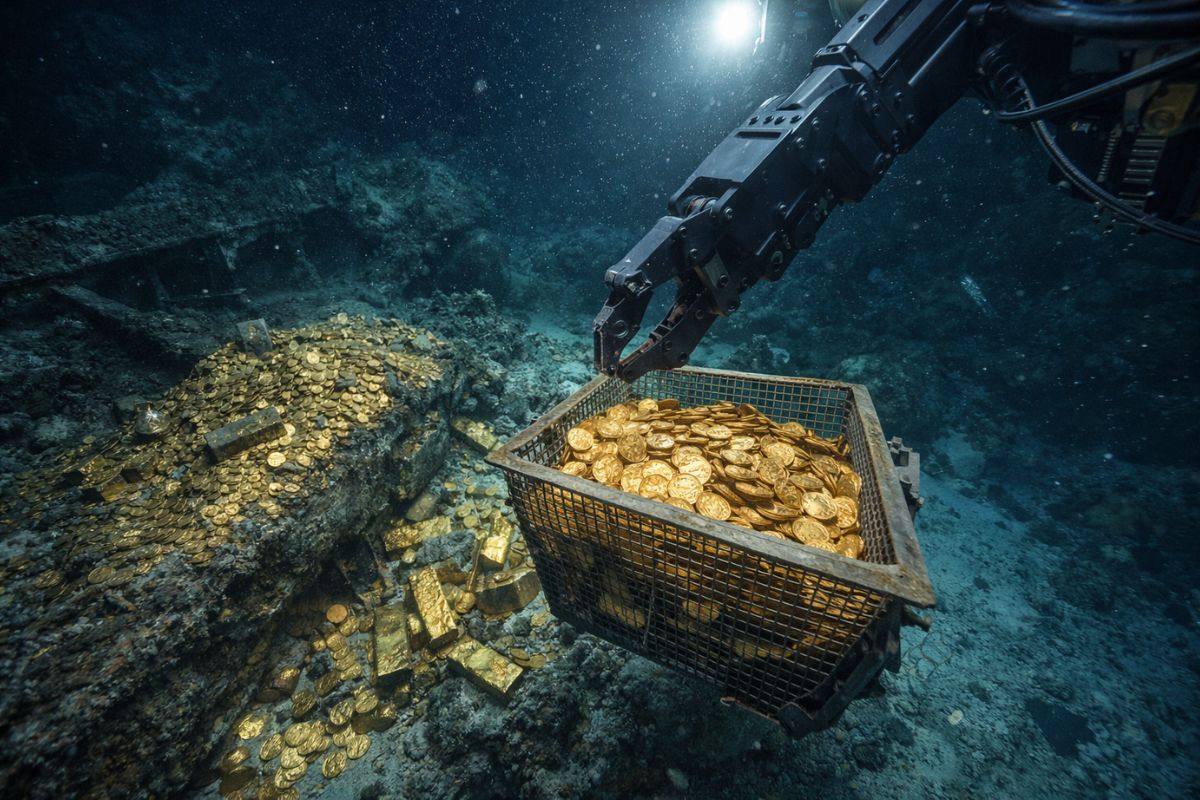
He found the largest gold shipwreck in the United States with tons of the precious metal at a depth of 2,400 meters in the Atlantic and recovered a treasure that no one thought possible to reach, but 500 gold coins disappeared without explanation.
-
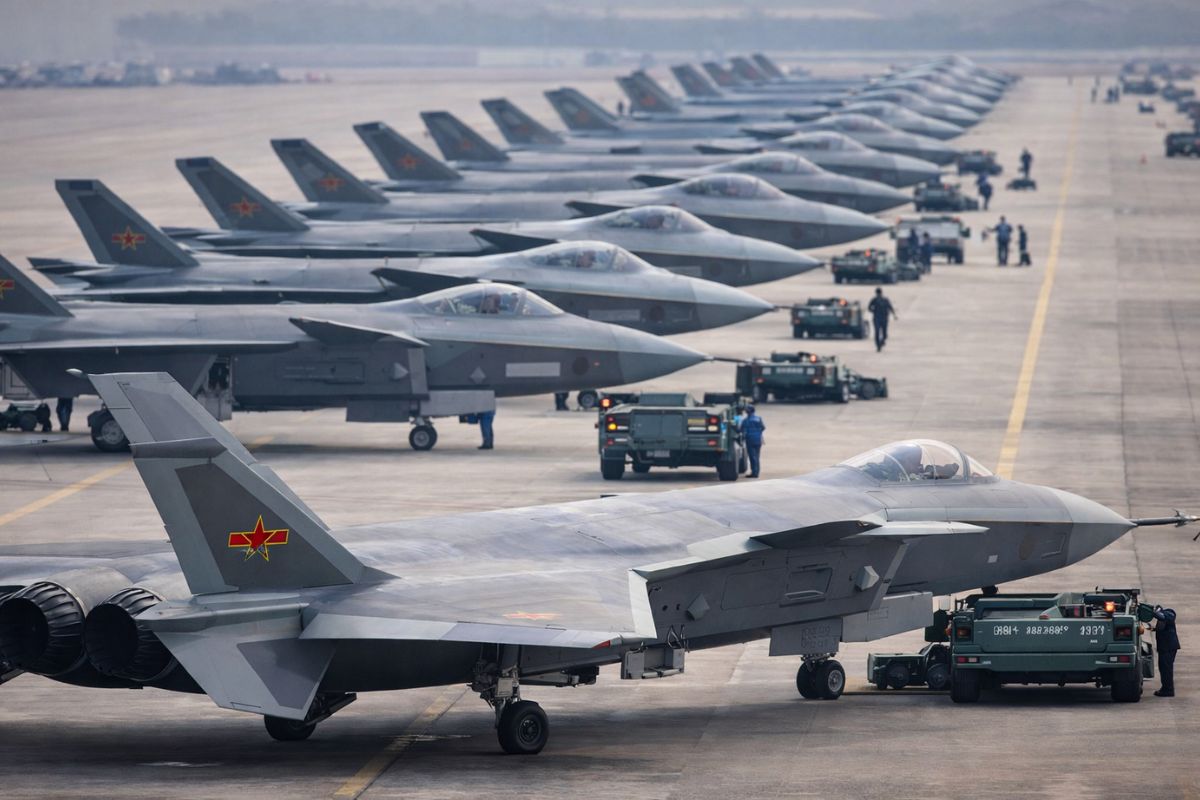
The United States has a serious problem with its F-35s: China is already producing fighters at a pace that exceeds American capacity and could manufacture up to 300 aircraft per year before the end of the decade, shifting the global military balance.
From the beginning, the artist designed the work to be a long-term enigma, challenging agents, cryptographers, and enthusiasts from around the world.
The first three sections known as K1, K2, and K3 were deciphered between the 1990s and 2000s. They contained poetic messages and geographical references. The fourth and final part, K4, remained one of the greatest unsolved mysteries of modern cryptography, fueling forums and decoding competitions for over 30 years.
How the Final Code Was Discovered
Journalists Jarett Kobek and Richard Byrne discovered the message unexpectedly. Instead of resorting to supercomputers, they analyzed documents from the Smithsonian Institution, where Sanborn’s personal files were stored.
Among diagrams and notes, they found scraps of paper with the words “Berlin Clock” and “Northeast,” clues that had been partially released by the artist in previous years.
According to Kobek, the records contained the original, unencrypted text, or “plain text,” of the final section.
The discovery allowed them to reconstruct the 97 characters of K4 and transform the sequence into an understandable message. Sanborn admitted that the papers ended up in the archive by mistake when he was organizing his materials while undergoing treatment for cancer.
The Conflict Between the Decipherers and the Sculptor
After confirming the find, Sanborn contacted Kobek and Byrne to propose a confidentiality agreement, offering them a share of the auction profits in exchange for silence until the sale concluded.
The journalists declined the invitation, arguing that the proposal could constitute a “fraud,” as the auction would depend on the novelty of the content.
The deadlock evolved into a legal dispute. The auction house RR Auction, responsible for the sale, sent a formal warning to the journalists alerting them of possible actions for copyright infringement and contractual interference if they disclosed the text before the event.
The institution also stated that if they kept the secret, they would be “recognized as heroes” by the cryptography community.
The Symbolic and Financial Value of the Message
Even in the face of controversy, Sanborn kept the auction scheduled for November 20, including in the package original documents, notes, and artifacts related to Kryptos.
The sculptor declared that he intends to use the money to cover medical expenses and support programs for people with disabilities.
The Smithsonian, for its part, sealed access to the files following the discovery, preventing further consultations until 2075.
This decision reinforces the historical and mysterious character of the work, which has become a landmark of contemporary cryptographic culture and a symbol of the relationship between art, secrecy, and power.
An Enigma That Transcends Art
More than an intellectual challenge, the CIA Sculpture represents a reflection on the control of information and the role of knowledge in times of digital surveillance.
The fact that the final code has been solved does not end the fascination with the work; rather, it consolidates its position as one of the most iconic enigmas of the 20th century.
The combination of mystery, aesthetics, and political narrative makes Kryptos a rare cultural object, capable of uniting art, technology, and human curiosity.
The auction of the message promises to reopen the debate sobre who holds the right to interpret and reveal the meaning of a work that was born to never be fully understood.
The revelation of the last code of the CIA Sculpture concludes a quest that spanned generations, blending science, art, and investigative journalism.
At the same time, the auction of the meaning raises questions about intellectual property, ethics, and the value of secrecy in an era of forced transparency.
Do you think the artist has the right to sell the meaning of Kryptos, or should the mystery remain accessible to all?







Seja o primeiro a reagir!