





 Portuguese
  English
  Spanish
  3 min of reading
  0 comments


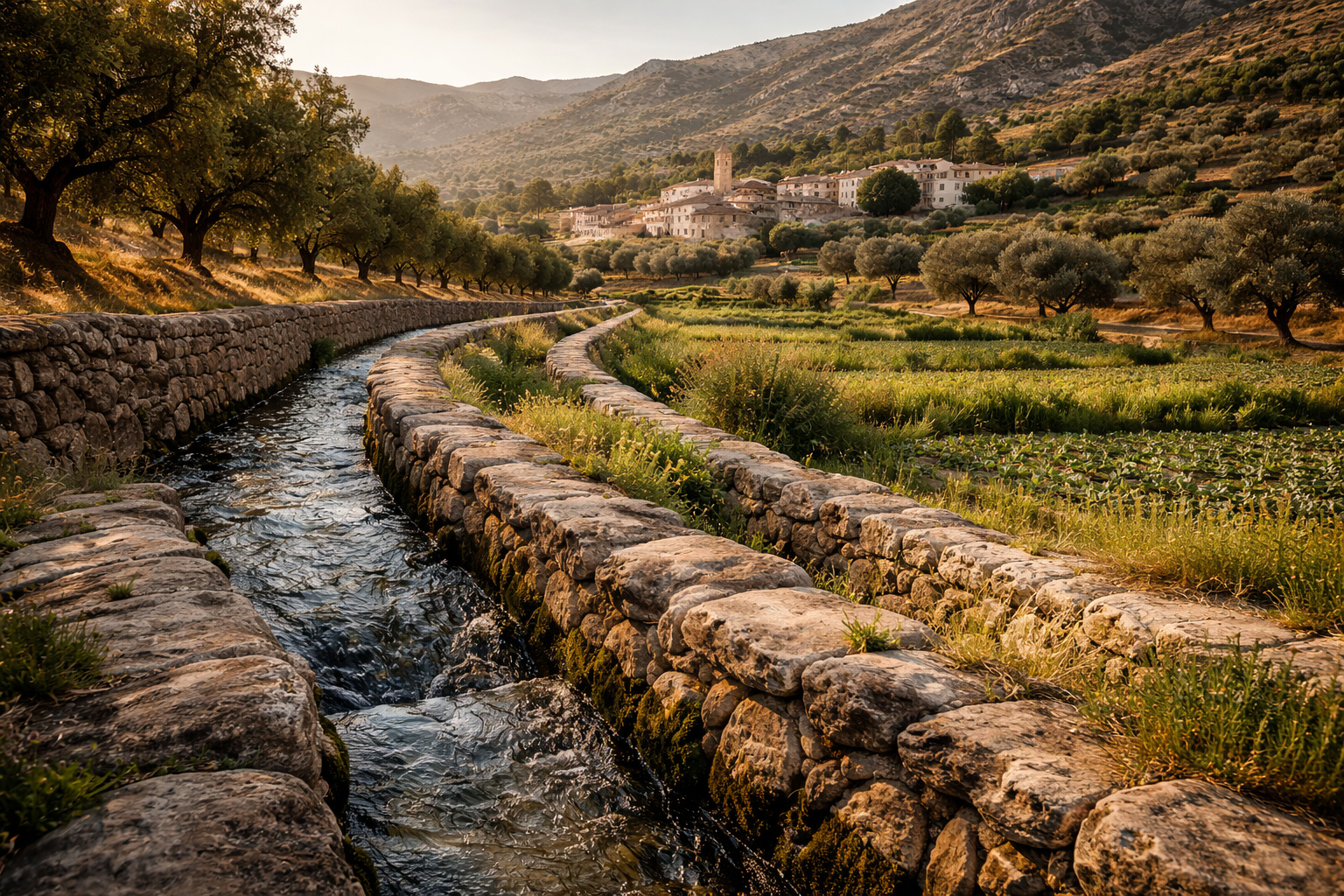
Inherited from Islamic Centuries, the Acequias System Transformed Dry Mountains of Andalusia into Fertile Landscapes, Proving that Simple, Collective, and Ongoing Engineering Can Overcome Extreme Historical Water Scarcity.
Long before electric pumps, modern dams, or pressurized irrigation, entire regions of southern Spain were already able to produce food continuously in naturally dry areas. The secret was not in large reservoirs, but in a monumental network of canals, retaining walls, and manually excavated hydraulic galleries, known as the acequias system.
This set of works, primarily spread throughout Andalusia, represents one of the largest continuous human interventions on European territory, combining engineering, hydraulic knowledge, and extreme adaptation to a semi-arid climate.
A Hydraulic System Designed for Regions without Abundant Water
The acequias are artificial channels that capture water directly from mountain rivers, snowmelt from the Sierra Nevada, and natural springs. The water is diverted at high elevations and transported over dozens, sometimes hundreds of kilometers, relying solely on gravity.
-
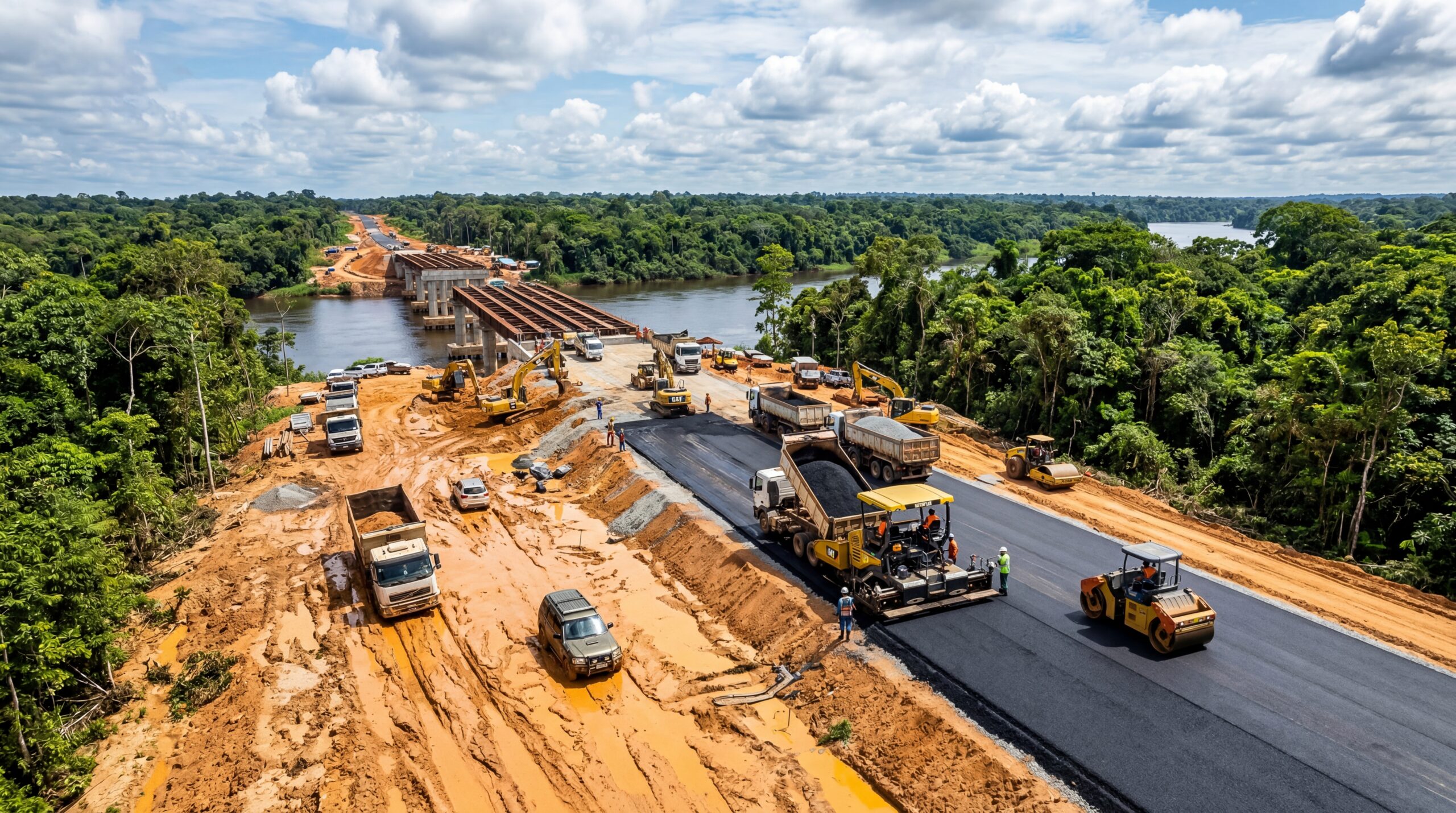
After nearly 50 years of neglect, BR-319 receives R$ 678 million to pave 340 km, gain a 320-meter bridge, and try to lift Amazonas out of the mud, the quagmire, and road isolation.
-
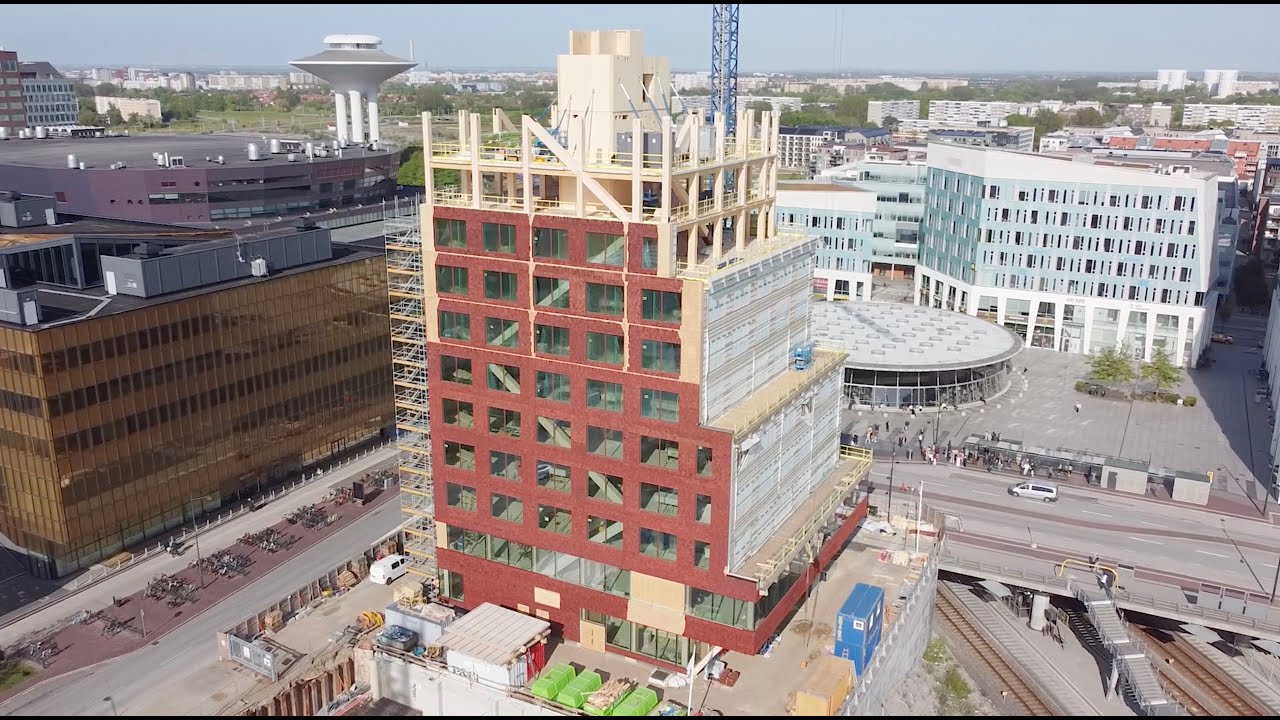
In Sweden, a 51-meter tower was built almost entirely of wood, without a concrete structural core and with solar panels integrated into the facade, using CLT and laminated beams to challenge the dominance of steel and concrete in modern buildings.
-
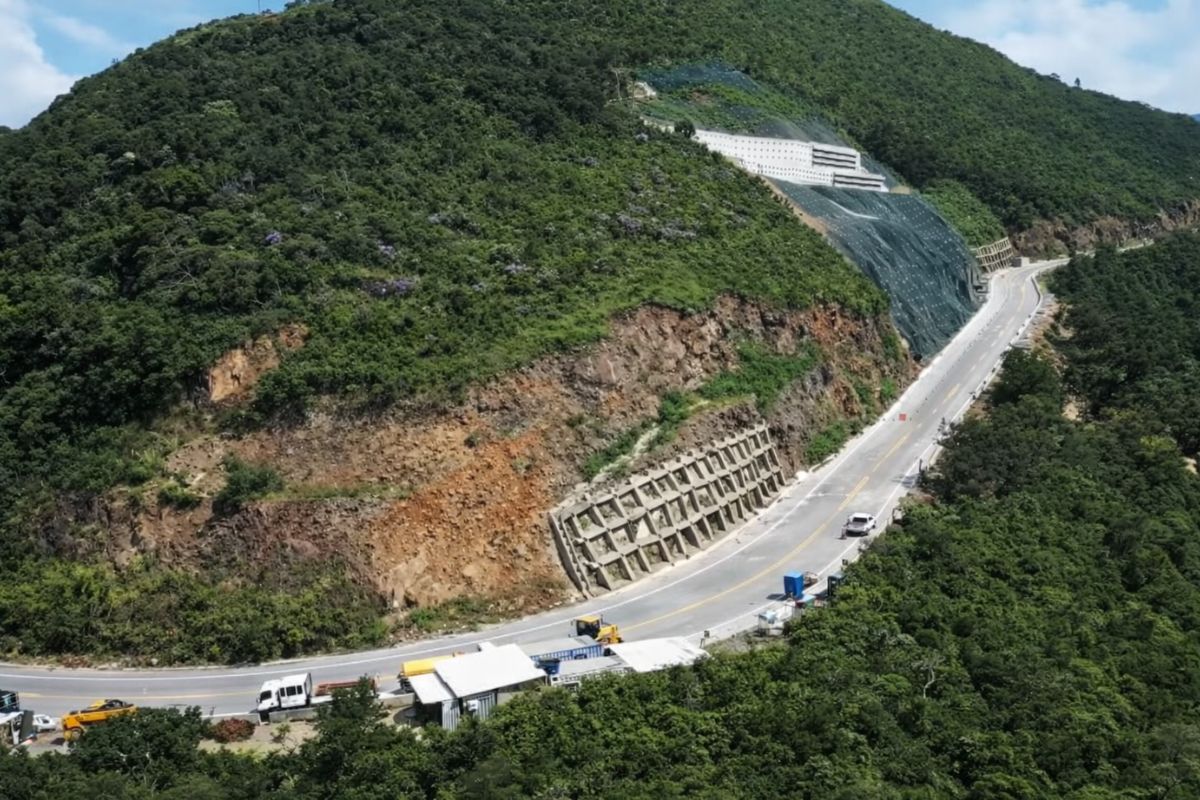
The section of Serra da Rocinha on BR-285 is now open in Timbé do Sul: 50 m tensioned curtains and top-down technique stabilize the slope, with a stairway duct controlling the water.
-
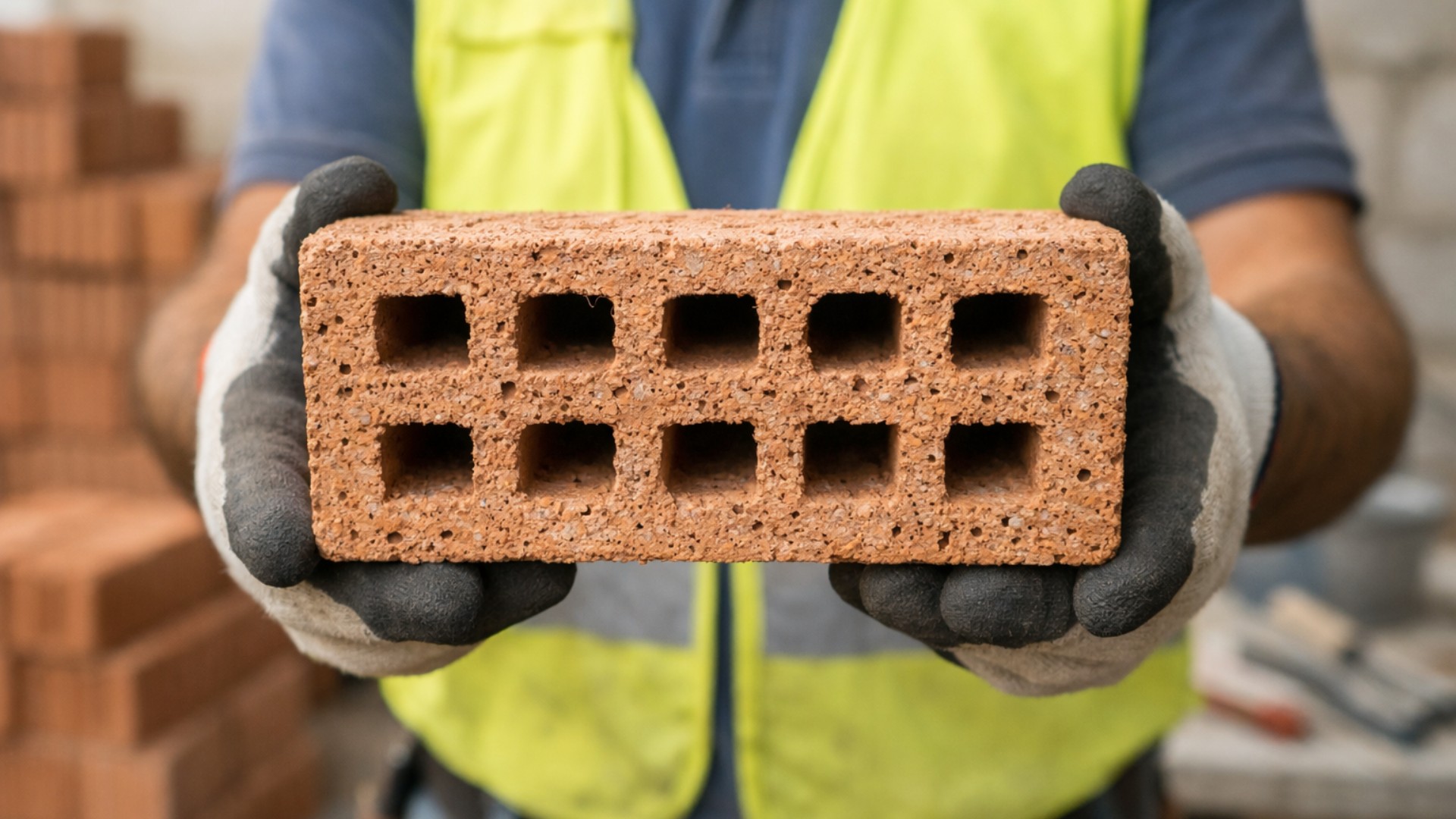
Scientists use sawdust mixed with clay to create a lighter brick, promising efficient thermal insulation and impressing by transforming waste into a solution for construction.



Unlike modern systems, there is no forced pressure. The flow is slow, constant, and calculated with millimeter precision. A slight error in slope could cause the water to stagnate or erode the canal.
Over a Thousand Kilometers Excavated without Machines
Counting only the main active systems in Andalusia, it is estimated that there are over 1,000 kilometers of historical acequias, many of which are still operating exactly along the same original path as centuries ago.
These channels were manually excavated in earth, rock, and steep slopes, often reinforced with dry stone walls, without mortar, capable of withstanding floods, prolonged droughts, and ground movements. In mountainous regions, the channels follow level curves with surprising precision, maintaining the ideal slope over long distances.
Engineering without Concrete, but with Precise Calculation
The functioning of the system depends on a rare combination of factors: channel width, depth, bottom roughness, and continuous slope. The water travels long stretches without breaking the walls and without losing enough speed to accumulate sediments.
In many places, simple wooden or stone gates allow the flow to be divided between different agricultural communities. Each diversion is calculated not to compromise the supply downstream, creating an extremely efficient collective distribution system.
Agriculture Sustained in Arid Regions
Thanks to the acequias, areas with very low annual rainfall have been able to sustain crops of olive trees, vegetables, fruits, and grains for centuries. The system does not rely on regular rainfall, but on continuous management of the water available in the mountains.
This allowed for the permanent occupation of valleys and slopes that, without irrigation, would be practically unproductive. In many cases, entire villages emerged exclusively because of the presence of these hydraulic structures.
Community Maintenance as Part of the Work
Unlike centralized modern infrastructures, the acequias survive because they are maintained collectively. The annual cleaning of the channels, sediment removal, and wall repairs are part of community rituals that have crossed generations.
This constant maintenance explains why channels excavated hundreds of years ago continue to function, while modern systems often degrade quickly without continuous investment.
A Model that Withstood Time and Climate
Even with the arrival of dams, deep wells, and mechanized irrigation, many acequias remain active because they consume zero energy, do not depend on equipment, and naturally adapt to seasonal variations in water.

In a scenario of climate change and increasing water scarcity in southern Europe, these historical systems are being studied again as a technical reference for low-impact and high-durability solutions.
When Engineering Becomes Functional Heritage
The Spanish acequias are not just archaeological remnants. They continue to operate as living infrastructure, sustaining agriculture, shaping landscapes, and demonstrating that territorial engineering does not need to be modern to be efficient.
Excavated by hand, without concrete, without steel, and without machines, these over a thousand kilometers of channels show that when calculation, territory, and community work together, a project can endure for centuries without losing its original function.






-

-

-

-

-

16 pessoas reagiram a isso.