





 Portuguese
  English
  Spanish
  5 min of reading
  0 comments


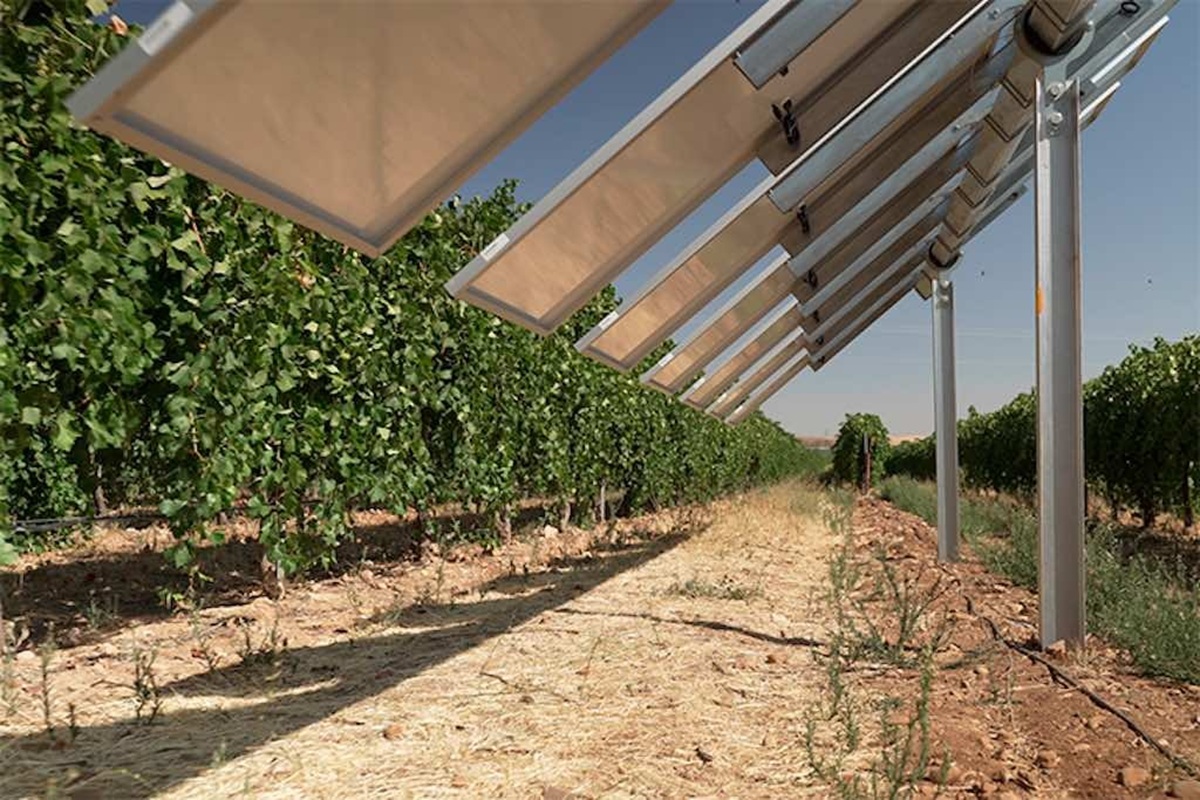
Developed by the Superior Polytechnic School of Jaén, the Semitransparent Agrivoltaic Solar Module RearCPVbif Uses Smaller Cells, Optical Concentrators, and Insulating Air Chamber to Nearly Double Efficiency Compared to Conventional Bifacial Panels, While Distributing More Homogeneous Diffuse Light and Reducing Soil Evapotranspiration.
A new solar module agrivoltaic semitransparent, developed by researchers from the Superior Polytechnic School of Jaén (EPSJ) at the University of Jaén, proposes to integrate electricity and agriculture on the same land, with diffuse light and no harsh shadows, nearly doubling efficiency compared to conventional bifacial solutions.
Solar Module RearCPVbif Is Designed for Agricultural Use and Aims to Prevent Crop Losses
The EPSJ team has been analyzing for years how to integrate photovoltaic energy and agricultural crops without harming either, in a Spanish scenario where agricultural land is valuable and water is becoming increasingly scarce.
The latest proposal, called RearCPVbif, goes beyond adapting existing panels. It is a semitransparent photovoltaic module designed from the ground up for agricultural environments, focusing on improving energy efficiency and providing plants with light more suitable for development.
-
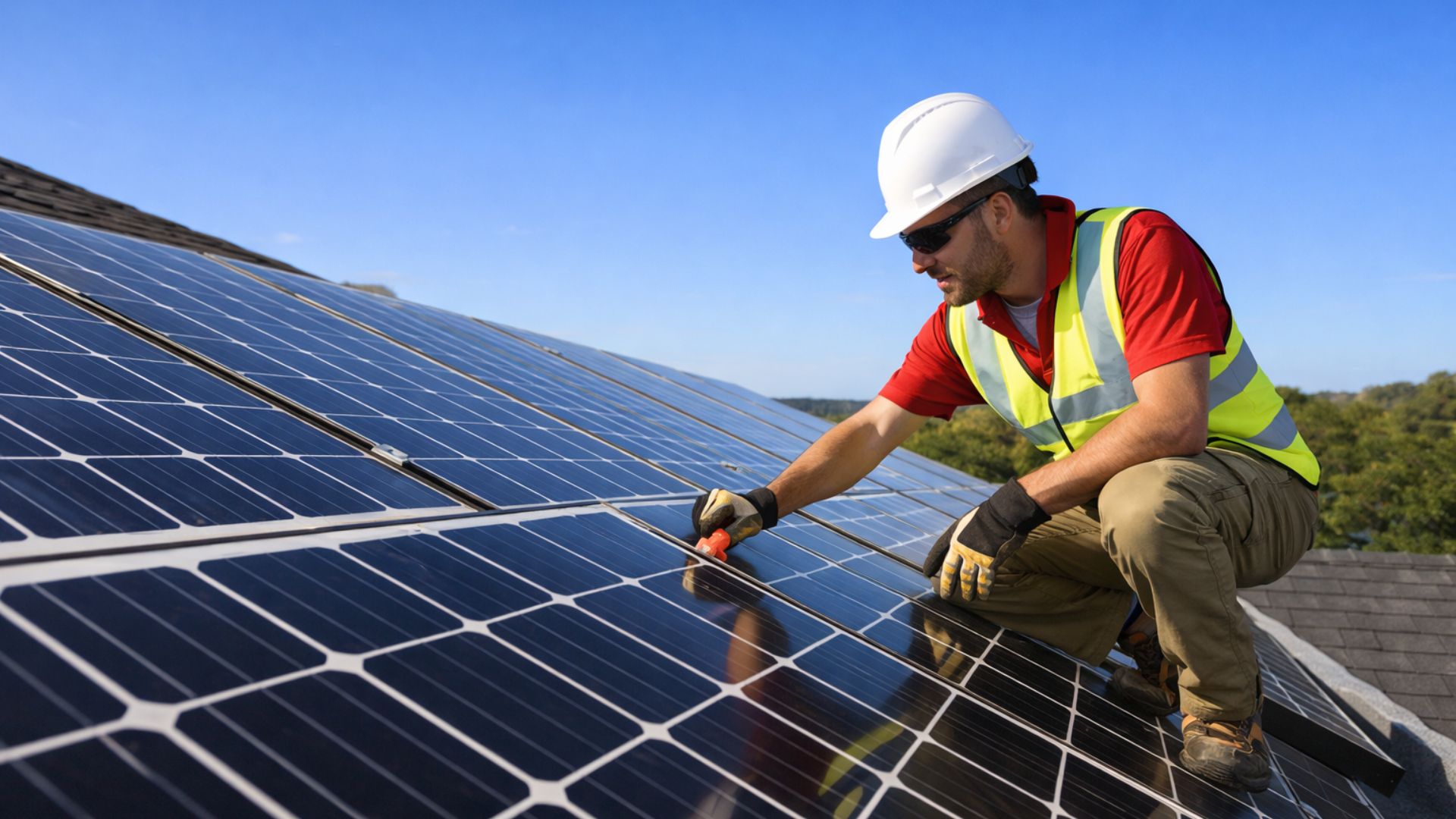
Seagri’s headquarters invests in solar energy with Neoenergia Coelba and promises to cut electricity costs, highlighting a strategic advance in sustainability and energy efficiency within state public administration.
-
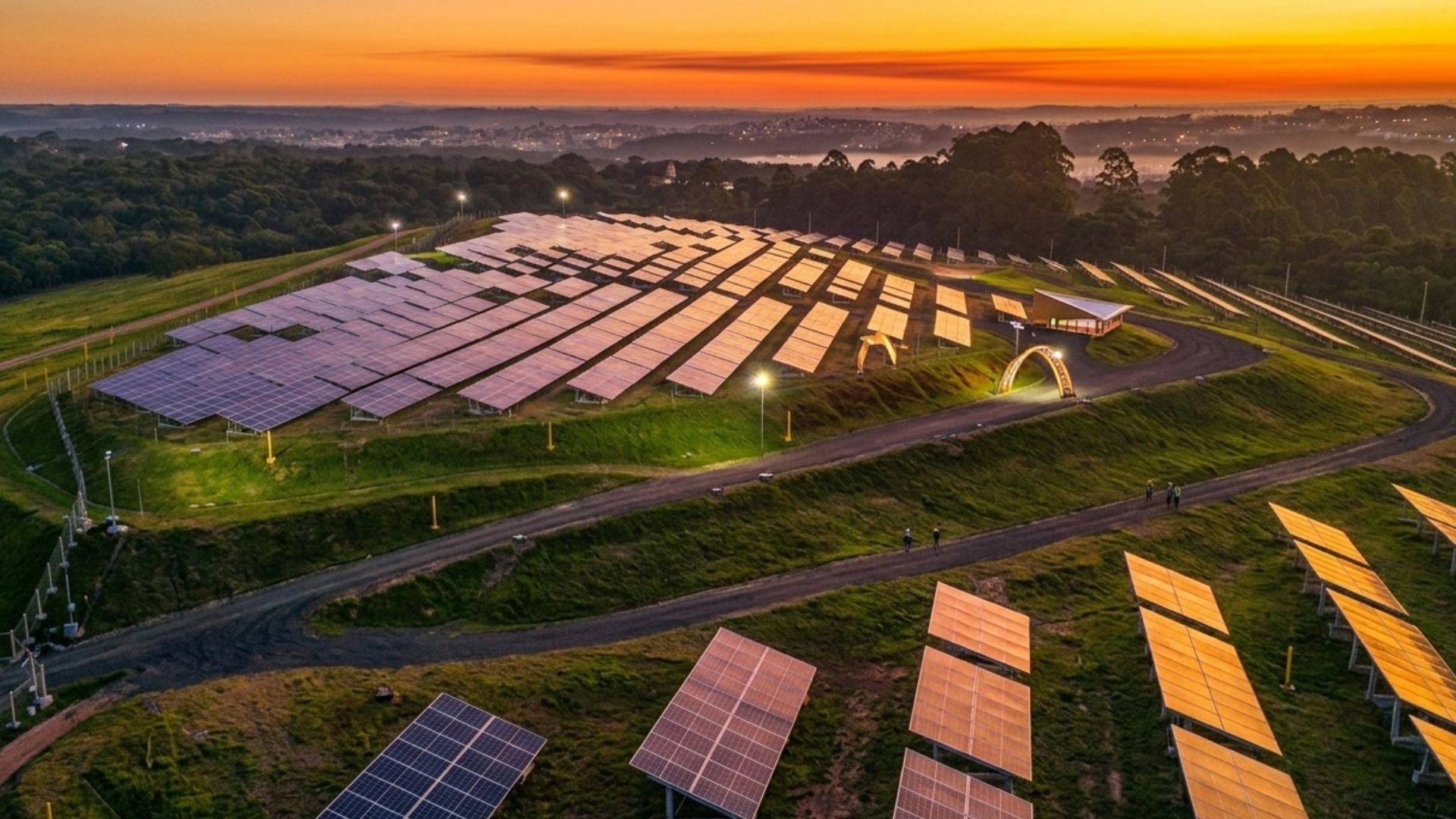
Solar Pyramid draws attention by converting solar energy into million-dollar savings and repositioning the City Hall of Curitiba as an example of innovation, sustainability, and intelligent use of public resources.
-
Europe records strong euro economy with solar energy in March and sparks curiosity about which country leads growth that redefines the energy market and reduces costs.

-
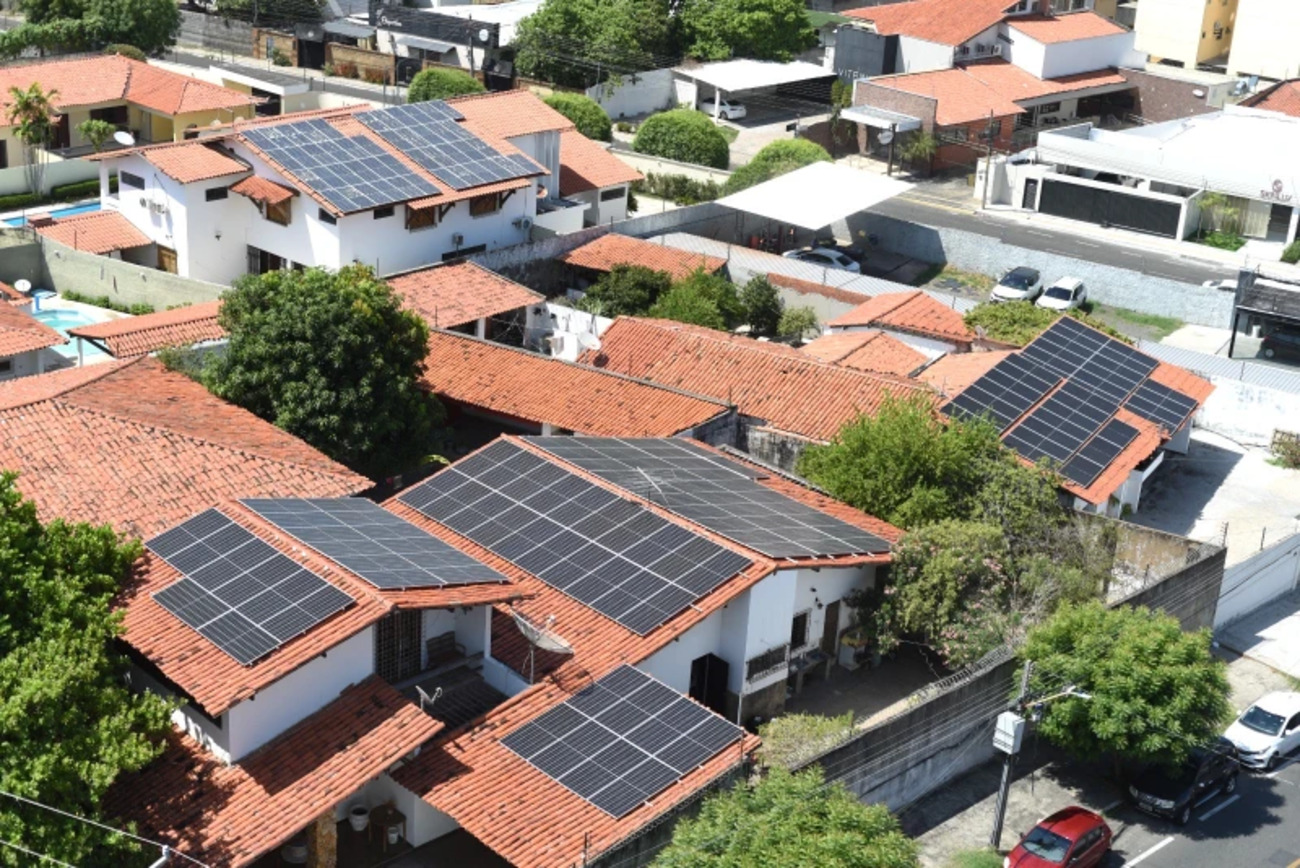
Piauí reaches a historic milestone in energy transition: State records nearly 160,000 households powered by solar energy and leads growth in the Northeast.
The head of the group, Eduardo F. Fernández, summarizes the logic of the project by stating that it is not possible to advance one goal by negatively impacting another, encapsulating the approach of seeking simultaneous gains for electric generation and cultivation conditions.
Limitations of Conventional Panels in the Field Motivated a Solution Without Constant Shadows
Conventional photovoltaic modules are described as robust and efficient in locations where blocking light is not a problem, such as rooftops, solar plants, and parking lots, with a lifespan that can exceed 20 years.
The problem arises when these opaque modules are taken to the field without modifications. Constant shading is incompatible with most crops, making the direct use of the technology, without redesign, a risk factor for plant development.
In agricultural photovoltaic systems, a standard solution has been to space the cells to create openings through which radiation passes. With bifacial modules, which capture light on both sides, part of the radiation reflected by the soil is also utilized.
This arrangement, according to the materials, works, but creates an irregular pattern of light and shadow that does not always favor plants. The EPSJ proposal departs from this limitation to redesign how light passes through the module and reaches ground level.
Rear Optics Transform Direct Radiation Into Diffuse Light and Increase Energy Capture
In the RearCPVbif, the team opts for much smaller cells and adds optical elements at the rear. The goal is to transform the direct radiation that passes through the openings into diffuse light, changing not only the amount of light that passes through but also its distribution pattern.
The cited technology is cross-sectional parabolic concentrators, the CCPCs. They serve a dual purpose in the system: increasing energy capture and softening the light that reaches the crop, reducing the presence of harsh shadows and enhancing light homogeneity beneath the module.
The described result is a module that produces more electricity and creates a more uniform lighting environment underneath it. The proposal also emphasizes the idea of advanced, non-invasive agrivoltaics, treating light and soil as parts of the same project.
Air Chamber Insulates, Lowers Soil Temperature, and Reduces Evapotranspiration
In addition to the optics, the project incorporates an air chamber similar to those in double-glazed windows. The text points out that this detail has significant consequences by improving thermal insulation.
With this insulation, the soil temperature remains lower, and evapotranspiration is reduced. In a context of recurring droughts, the team associates this feature with a significant difference for water management and plant stress.
The combination of technical choices, according to the materials, seeks simultaneously greater electricity production and less water stress. The emphasis is on optimizing electrical production while improving the available light for crops.
Measurements and Tests Indicate Nearly Doubled Performance and More Homogeneous Diffuse Light
The mentioned measurements confirm that the efficiency of the system is nearly double that of a conventional bifacial module with interspersed lighting. The central explanation lies in the use of rear radiation and the uniformity of light distribution, noted as a critical factor for plant growth.
After assembling the module on a transparent PMMA substrate, simulations and experimental tests were conducted. The material reports that the real results exceeded the theoretical models.
The described surprise was the quality of the generated diffuse light, considered even better than expected, reinforcing the agronomic value of the project by associating light diffusion with more homogeneous conditions beneath the panel.
Very Small Cells and Industrialization Are Challenges to Bring the Technology to Market
Reaching the module required overcoming difficulties with the use of very small photovoltaic cells. The text points out that the industry is optimized for standard sizes, not for tiny pieces, and that obtaining them required specific negotiations and unconventional solutions.
Despite the reported performance, the material emphasizes that more studies are still needed to assess the final impact on productivity and costs before broad adoption in agricultural environments.
The team describes the next step as industrialization, including weight reduction, material optimization, and alternatives such as using hollow optics with mirrors, as well as analyzing economic feasibility on a large scale.
The text also informs that contacts with companies are already underway to develop the technology beyond the laboratory, aiming to turn the proposal into an applicable solution at scale.
Applications Can Go Beyond the Field, With Light Diffusion in Buildings and Public Spaces
The reach of RearCPVbif, according to the materials, is not limited to agriculture. The ability to diffuse light evenly opens possibilities for public buildings, educational centers, and environments where natural lighting is sought without glare or overheating.
The filtered light is cited as better not only for plants but also for people, as it reduces contrast, visual fatigue, and makes environments more pleasant, bridging architecture and energy within the same design logic.
The material frames this type of technology as part of a more integrated and less invasive energy model, focusing on generating electricity with territorial intelligence, without treating agricultural space as an area of direct competition.
In agricultural regions under climate stress, modules like the RearCPVbif are presented as tools to adapt food production to climate change while strengthening local energy sovereignty.
In the medium term, the text suggests that applications in greenhouses, agricultural cooperatives, and public buildings could reduce energy costs, improve comfort, and decrease emissions, in a process described as gradual and based on well-designed technology, with increased efficiency in light usage.









-

-

-

-

-

-

52 pessoas reagiram a isso.