





 Portuguese
  English
  Spanish
  3 min of reading
  1 comment





New Federal Government Incentive Policy Promises to Revive the Automotive Market Until 2026, Expanding Purchase Options and Bringing Back the Times When US$ 100 Thousand Guaranteed a New Car in the Garage
Ask ten Brazilians how much a new car costs in the country and, probably, eleven will say they pay way too much. The consensus is almost unanimous: the price of vehicles is out of touch with reality. For most consumers, the problem lies in the profits of manufacturers and high taxes, but the truth is that the situation is much more complex. Until recently, US$ 100 thousand was enough to buy a new car with a good level of comfort and technology. Today, this price range has become a rare exception.
However, the federal government wants to change this scenario. Since July, the Sustainable Car program has been in effect, an initiative that eliminates the Industrialized Products Tax (IPI) for national vehicles with flex engines and low environmental impact. The measure aims to stimulate domestic production, increase sales, and reduce the final cost to consumers.
Sustainable Car: IPI Exemption Until 2026 and Strict Technical Criteria
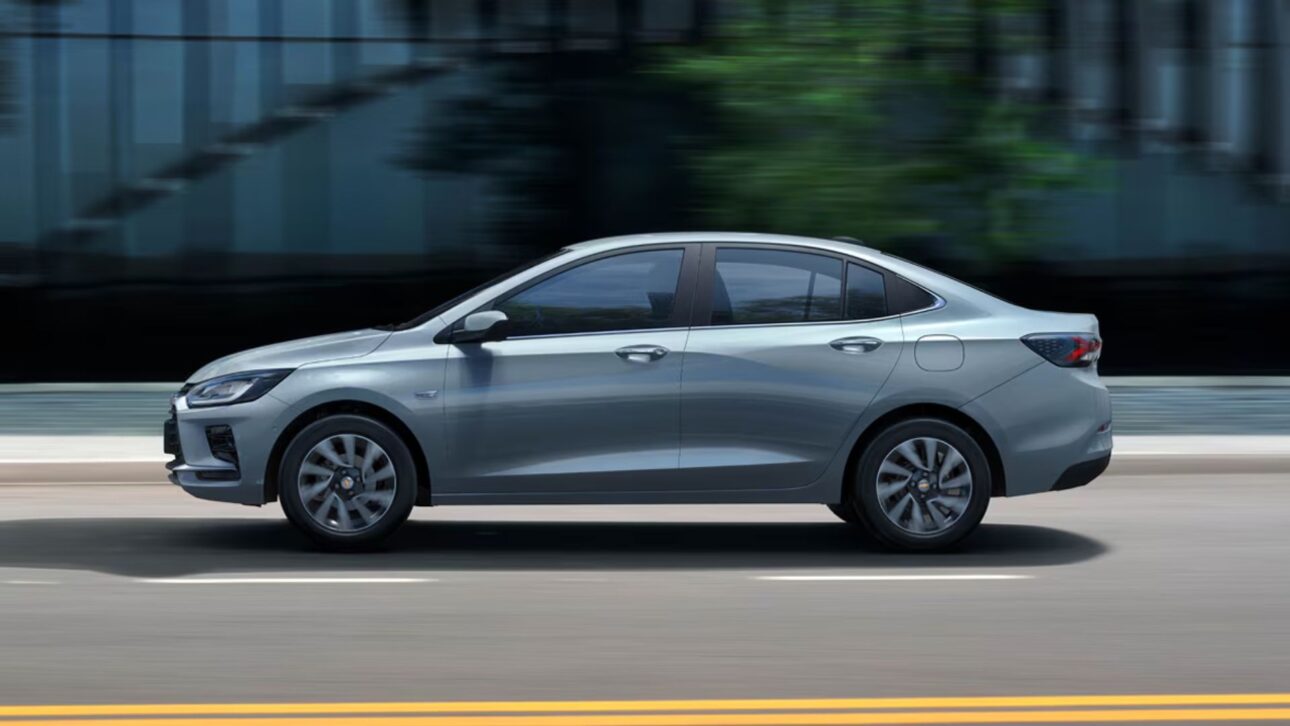
The Sustainable Car program will remain active until December 2026 and follows specific technical criteria, such as maximum power of 115.5 hp, controlled emissions standards, and required recyclability levels. According to the Ministry of Industry, Trade, and Development (MDIC), eight models from five brands have already been approved to receive the benefit:
-
The car stored for 38 years: when opening the barn door, what appears is breathtaking and looks like a scene from a movie!

-
Fiat works miracles in the Brazilian market, lowers the price of its 0 km hatch to R$ 69,990, reestablishes the model as the cheapest car in the country, and reignites the battle against Kwid and C3.
-
Chevette with cooking gas: How the gas cylinder ends up being used in cars clandestinely and why this makeshift solution can result in leaks, explosions, damaged engines, and seized vehicles.

-
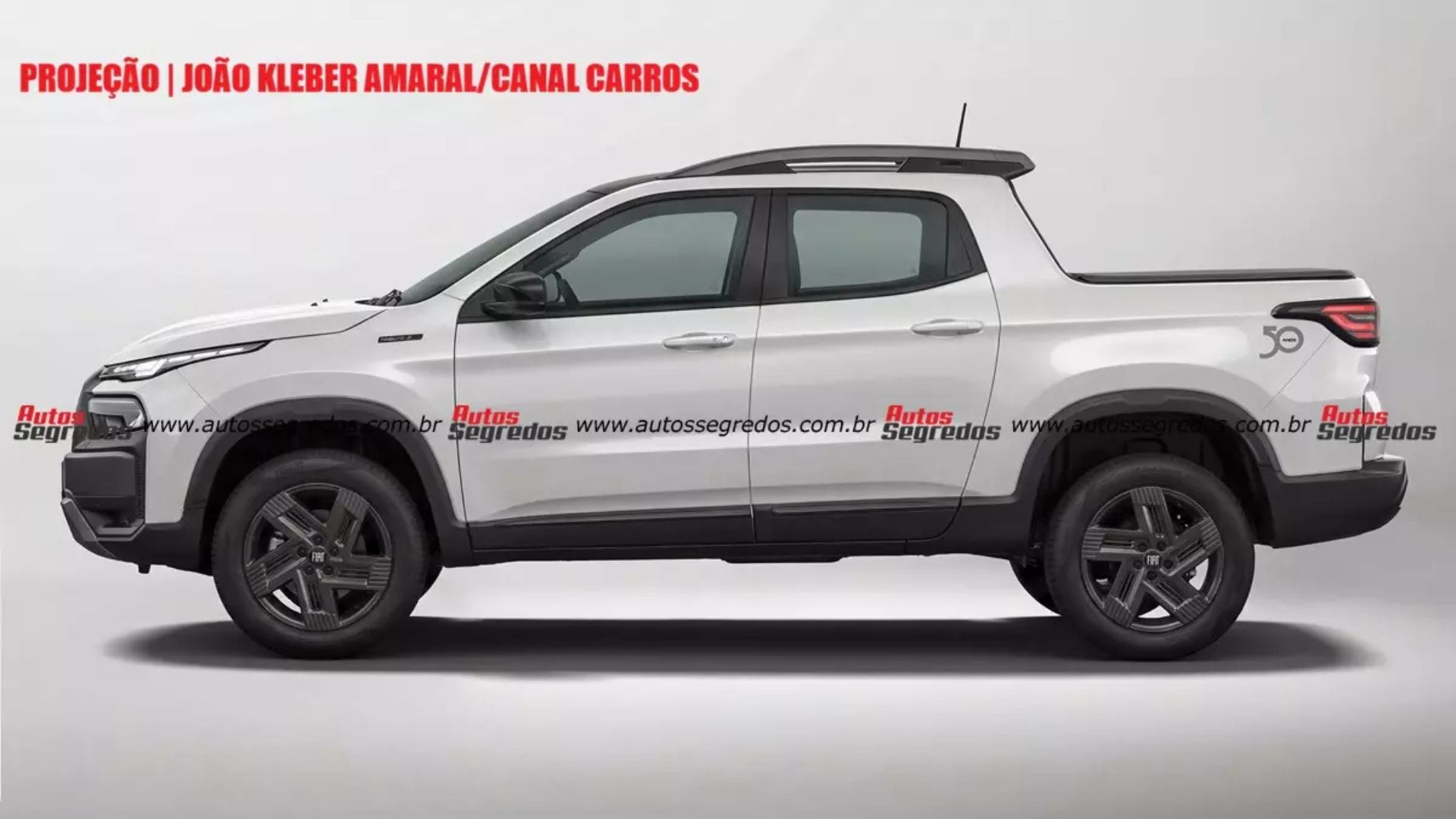
Fiat launches the new 2027 Toro hybrid with 48V, 176 hp, an electric motor of 15.5 hp, a 0.85 kWh battery, up to 7% fuel savings, 8% fewer emissions, and possible exemption from IPVA.

- Chevrolet Onix
- Chevrolet Onix Plus
- Renault Kwid
- Volkswagen Polo
- Hyundai HB20
- Hyundai HB20S
- Fiat Mobi
- Fiat Argo
This information was disclosed by Auto Esporte, which highlights that manufacturers have seized the opportunity to reduce the prices of other models not included in the program, further expanding the options within the US$ 100 thousand range. In practice, the tax incentive has led to increased competition among brands and has been a win-win for consumers.
Complete Guide: 14 Models in the US$ 100 Thousand Range and Comparison Among SUVs
To make it easier for consumers to choose, Auto Esporte has prepared a special report with 14 cars ranging from US$ 90 thousand to US$ 110 thousand, gathering options from six major manufacturers. Among them, there are 10 models grouped by brand, while Chevrolet Onix and Onix Plus have received special attention for representing the 2026 lineup, which marks a new phase for the brand’s hatchback and sedan.
Check out the complete list:
- Citröen Basalt
- Citröen C3
- Chevrolet Onix
- Chevrolet Onix Plus
- Fiat Argo
- Fiat Cronos
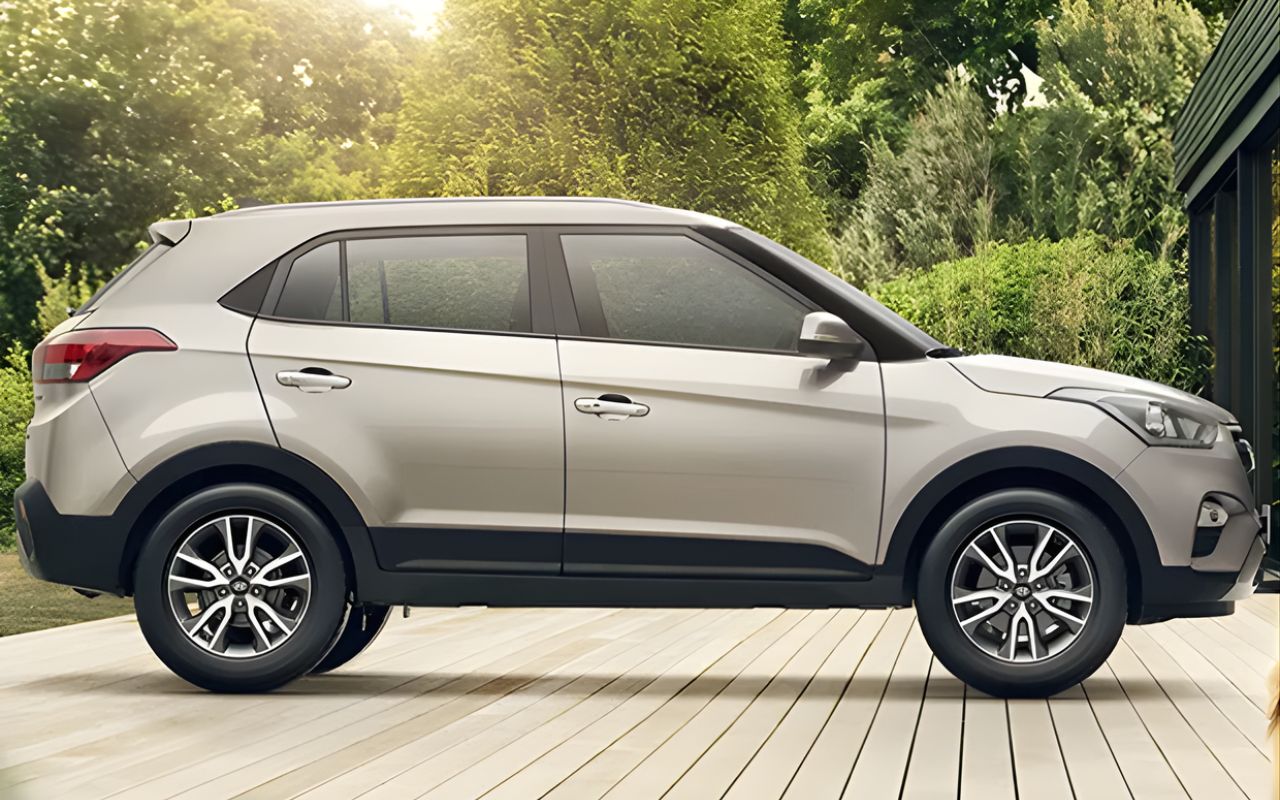
- Fiat Pulse
- Hyundai HB20
- Hyundai HB20S
- Peugeot 208
- Volkswagen Polo
- Volkswagen Saveiro
- Volkswagen Tera
- Volkswagen Virtus
To conclude the special report, the portal CPG also promoted a comparison between the Fiat Pulse and the Volkswagen Tera, two entry-level SUVs competing for space in the hearts and wallets of Brazilians. Both offer modern design, connectivity, and good performance, with the promise of a balanced cost-benefit — something that, until recently, seemed impossible in this price range.
Comparisons, Charts, and Notes: Everything to Choose the Best Car of the Moment
In addition to technical sheets, the special report includes radar charts evaluating six essential criteria for choosing a new car: performance, consumption, comfort, technology, internal space, and maintenance cost. This visual approach makes it easier for buyers and highlights which models truly deliver more for less.
In a market still recovering from declining sales, incentive programs like the Sustainable Car represent a relief for manufacturers and a breath of fresh air for consumers. After years of rising prices and economic uncertainties, the ability to dream of a new car costing US$ 100 thousand no longer seems delusional.
With the return of US$ 100 thousand cars to the market and government incentives in place, is it time to make the dream of a new car a reality? Do you intend to take advantage of the program and secure your model before prices rise again and the benefit of zero IPI comes to an end?








O Governo tem que baixar essa carga tributária de carros novos ,aqui no Brasil chegar a quase 50% ! E as montadoras tem que diminuir também um pouco a margem de lucros deles , só assim a população vai poder trocar de carro com mais frequência!