





 Portuguese
  English
  Spanish
 3 min of reading
  0 comments


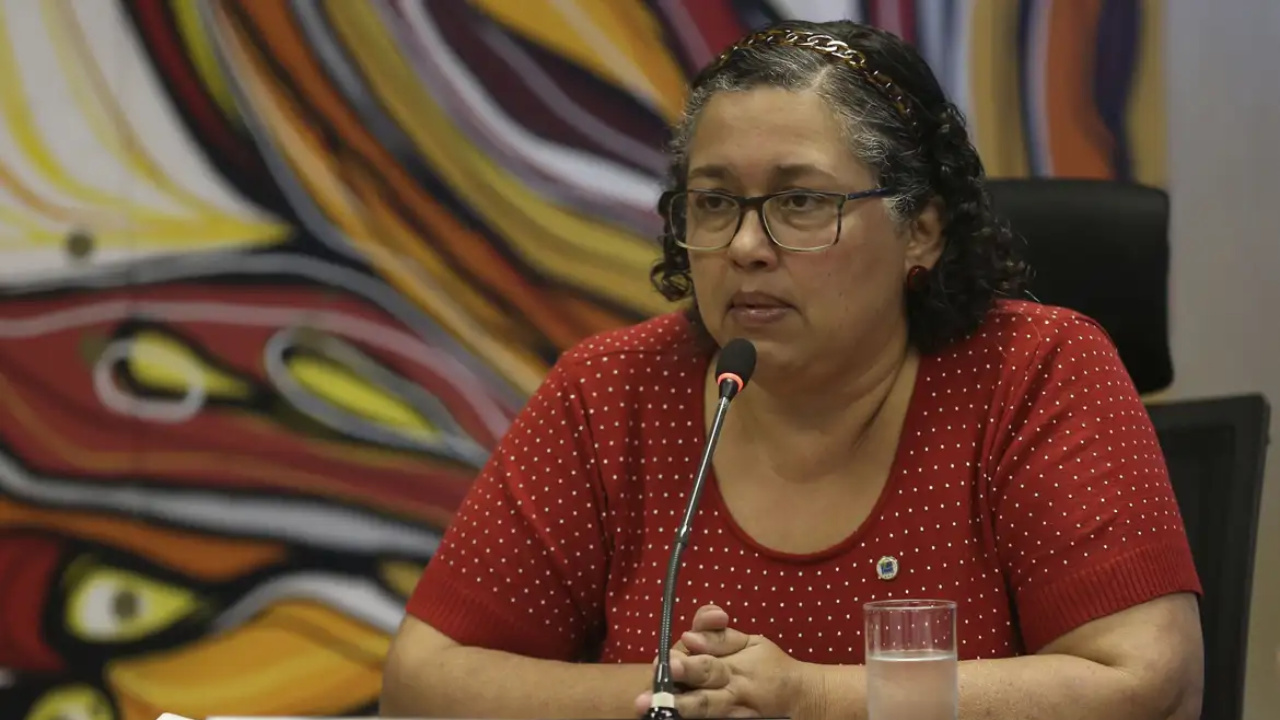
With Reflection On World Oil Day, On 09/29, The Coordinator Of The Climate Observatory, Suely Araújo, Claims That Brazil Should Reduce Production And Rethink Exploration In The Mouth Of The Amazon Due To The Climate Crisis.
World Oil Day, celebrated on September 29, should be more a date for reflection than for celebration. This is the assessment of Suely Araújo, Coordinator of Public Policy at the Climate Observatory. In an interview with Rádio Brasil de Fato, she highlighted that the exploration of the commodity has brought wealth to several countries, but also “a great loss for humanity”.
According to the specialist, there is a narrative constructed to justify the expansion of exploration, even in a scenario of environmental crisis. “There is a narrative built to justify the expansion of oil in the models that other countries are following, unfortunately, in the midst of a crisis,” she lamented.
Impacts Of Oil On The Climate Crisis
Araújo emphasizes that fossil fuels are among the biggest contributors to global warming. In Brazil, 46% of emissions are linked to deforestation. However, on a global scale, the burning of oil and gas is the most significant factor.
-
A study confirms that the natural gas sector will reduce greenhouse gas emissions in Brazil by 0.5% and accelerate the energy transition by 2026.

-
Petrobras implements a severe adjustment and confirms a 55% increase in the price of aviation kerosene with a proposal for installment payments for the companies.

-
The rise in oil prices could ensure an extra revenue of R$ 100 billion for the Federal Government, indicates a recent economic study.

-
Naturgy begins an investment of R$ 1.6 million to expand the gas network in Niterói and benefit thousands of new residences and businesses.


She reminds that the country has become a megaproducer of oil and already exports more than half of what it produces. This movement, for the coordinator, places Brazil in a prominent position in the international market, but contradicts the commitments to combat the climate crisis. “This is quite problematic,” she criticized.
Debate On Exploration In The Mouth Of The Amazon
The former president of Ibama (2016–2018) also questioned the exploration project in the Mouth Of The Amazon, pointed out as an alternative in light of the future decline in production in the pre-salt. For her, the argument of needing new reserves is misguided.
“If we are exporting more than half of what we produce, it means there is surplus oil. The country should contain production now, even to have reserves for ten years from now, when it may be needed, if it will even be needed,” she stated.
In addition, she pointed out that the region has high environmental complexity and the risks of accidents remain without definitive solutions.
Royalties Do Not Reach Communities Immediately
Another point raised by Araújo was the expectation created around the royalties. She labeled the promise of quick financial return as illusory. “Royalties in the Block 59 region, if they even find oil, will only come in a decade. Between the drilling license, if they find oil and if they find sufficient conditions for production, the production license generally takes ten years. So royalties won’t come to the region anytime soon, and the social problems are already there,” she explained.
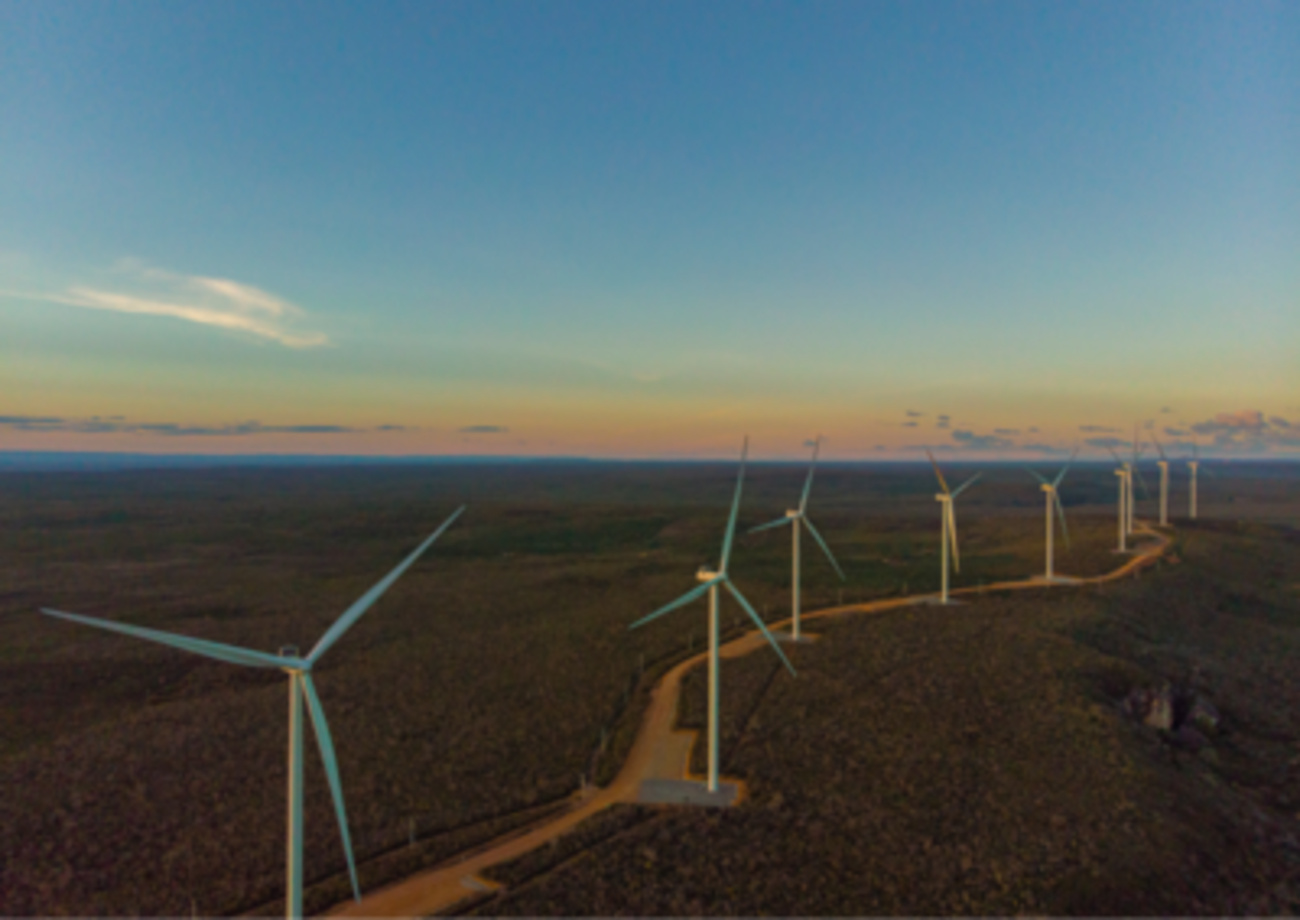
For the specialist, the solution involves a just energy transition. Brazil, according to her, needs to accelerate investment in renewables, such as wind and solar, while also ensuring socio-environmental care. “The option cannot be linked to fossil fuels because there is no solution there. The solution lies in the gradual abandonment of fossils. It’s not about stopping oil production tomorrow, but there needs to be a decarbonization schedule,” she defended.






-

Uma pessoa reagiu a isso.