





 Portuguese
  English
  Spanish
  5 min of reading
  14 comments


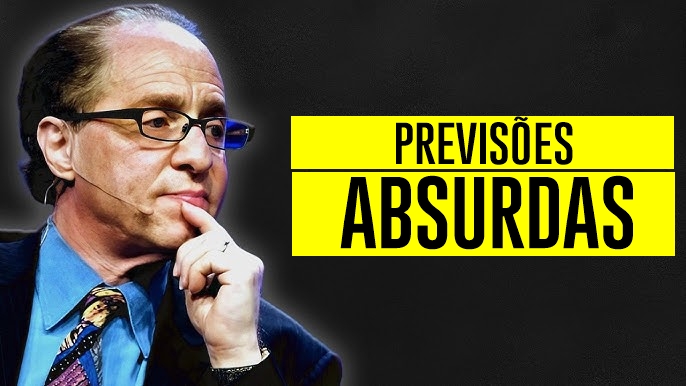


The Google Expert, Known For Accurately Predicting The Arrival Of The iPhone And Modern Internet, Made A New Shocking Prediction For 2030
Ray Kurzweil, computer scientist, inventor, and engineering director at Google, is globally known for his precise technological predictions. His predictions for the next decade highlight how AI will change the way we live.
He is not just a visionary; his ideas are based on data, patterns, and a meticulous analysis of scientific progress.
The Google expert accurately predicted the rise of the internet, the emergence of smartphones, and other technological transformations that shaped the 21st century. Now, he makes a new prediction: by 2030, humanity may live in a state of technological and economic abundance.
-
While the world looks at oil, the war with Iran is already disrupting helium supply from Qatar, affecting car and iPhone chips, threatening AI expansion, and putting pressure on aluminum packaging at the highest value in four years.

-
Global warming will expose a treasure hidden under the ice of Antarctica and may spark an international dispute over gold and valuable minerals.

-
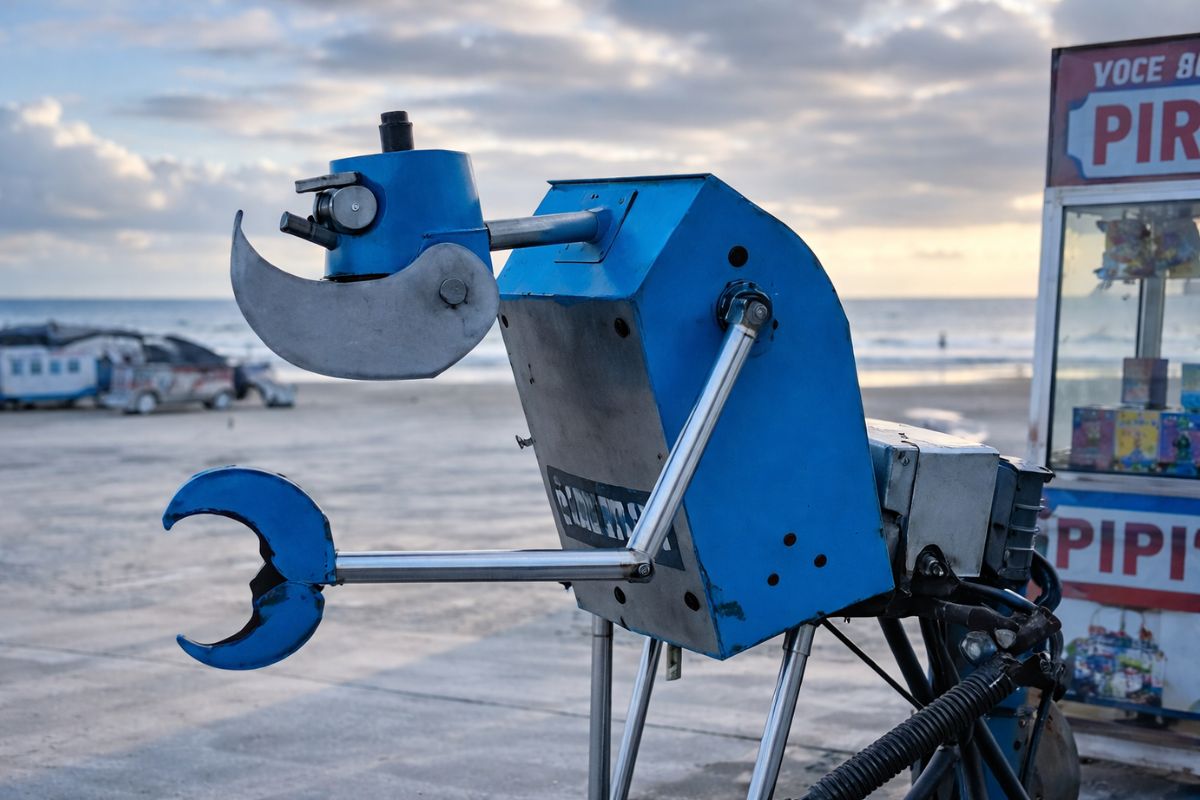
A street vendor from Praia Grande built a robot made of scrap from scooters and washing machines that pulls his popcorn cart on the beach, emits sounds, and interacts with customers, becoming an attraction on the coast of São Paulo.
-
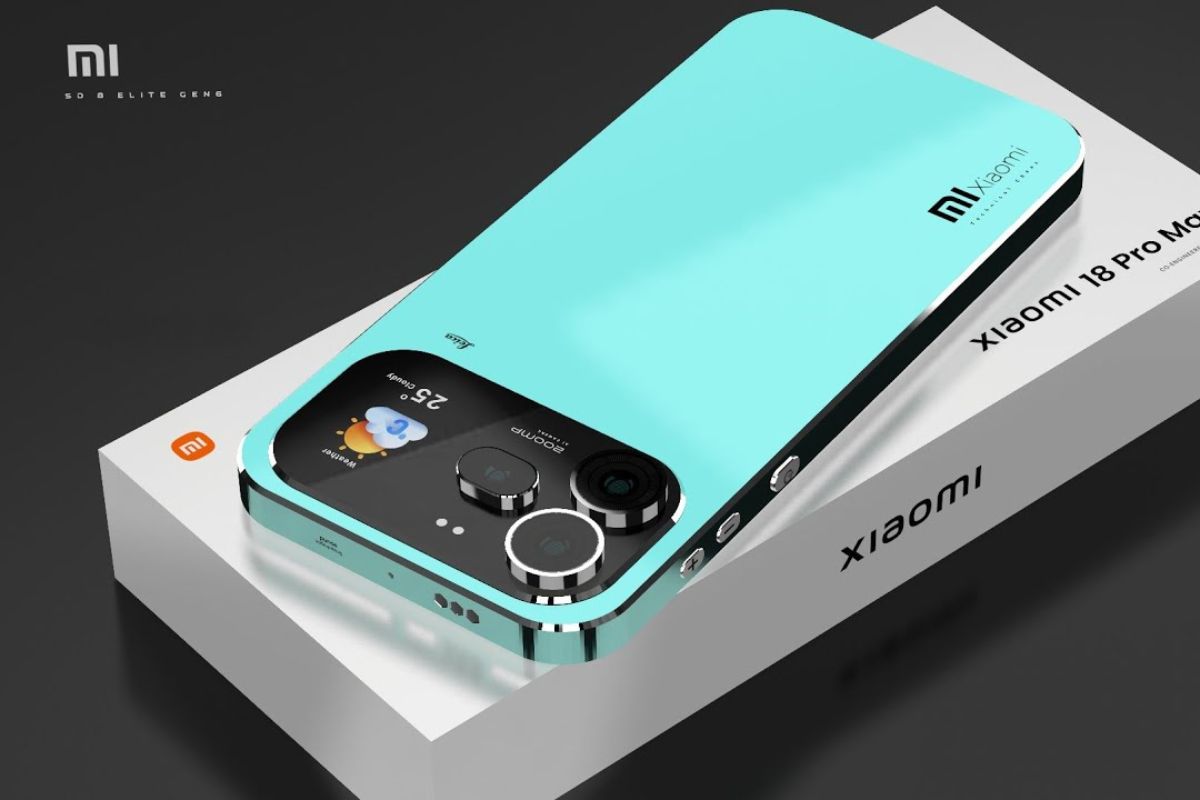
The specifications of the Xiaomi 18 Pro Max have been leaked, and the highlight is a dual 200 MP camera with a new 22-nanometer technology that promises to consume less energy and capture details in shadows and bright areas using LOFIC HDR.

Singularity: The Turning Point
By 2045, according to Kurzweil, the Singularity will occur. This is the moment when artificial intelligence (AI) will surpass human intelligence, triggering a series of radical changes.
However, instead of seeing this as a threat, he believes it will be an opportunity to merge humanity and technology, expanding our capabilities in unimaginable ways.
The fusion with technology will be possible through advancements in nanotechnology and neuroscience. “Virtual Neural Layers“, as he calls them, will allow human brains to connect to the cloud, enhancing our intelligence and creativity.
The Google expert believes that this will not only increase our cognitive abilities but also change the way we interact with the world, from solving complex problems to creating revolutionary works of art.
Digital Resurrection: The Future Of Immortality
Among Kurzweil’s most controversial ideas is digital resurrection. He predicts that, through the combination of artificial intelligence and advanced simulations, it will be possible to recreate the personalities of deceased people.
Initially, these “resurrections” will occur in the digital space, but eventually, they may materialize in physical forms.
This vision raises profound ethical and philosophical questions. To what extent can a digital recreation of a person be considered “real“?
And how will this impact mourning, memory, and human relationships? While intriguing, the idea still faces skepticism and resistance.
Nanorobots And The Medicine Of The Future
Kurzweil also believes that medical nanotechnology will be able to transform human biology.
Small nanorobots circulating throughout the body will be able to identify and correct cellular problems before they become diseases. According to him, this technology will allow humanity to achieve ‘immortality’ by the 2030s.
These advancements could eradicate diseases, prolong lives, and even reverse aging. While some of these ideas may seem fanciful, research in biotechnology is advancing towards regenerative treatments that partially validate these predictions.
Economic Abundance: The Democratization Of Luxury
One of the central points of Kurzweil’s vision for 2030 is the promise of abundance. With automation and AI revolutionizing industries such as agriculture, energy, and manufacturing, production costs are expected to plummet.
He predicts that solar energy will be so cheap that it will become accessible to everyone, while robotic mining will drastically reduce the price of raw materials.
This reduction in costs will create a world where living standards, currently reserved for the wealthiest, will be accessible to the majority. “Scarcity will be a thing of the past“, Kurzweil claims, highlighting how technology can democratize access to essential resources.
The Unlimited Creativity Of Enhanced Brains
With the integration of AI into human thought, Kurzweil envisions a future where creativity will be virtually infinite.
By connecting to the cloud, people will have instant access to vast banks of knowledge, allowing them to create, learn, and innovate in unprecedented ways.
He believes that this fusion will not only enhance individual intelligence but also stimulate a new era of artistic and scientific discoveries and advancements.
This future will raise new challenges and opportunities for society. How will we deal with the inequalities that may arise in access to these technologies? And what will be the ethical impacts of a world where the line between humans and machines becomes increasingly blurred?
Previous Predictions: The Impressive Track Record
The Google expert has an impressive track record of accurate predictions. He anticipated the growth of the internet, the popularization of smartphones, and the advancement of artificial intelligence in areas like chess and medicine. Some of his main predictions include:
Global Internet: He predicted that by the early 2000s, billions of people would be connected to the internet. Today, over 5 billion people have access to the network.
Smartphones: In the 1990s, Kurzweil stated that multifunctional portable devices would be commonplace by 2010. The introduction of the iPhone in 2007 confirmed his prediction.
Autonomous Cars: He predicted that vehicles with autonomous driving systems would begin to emerge around 2020. Although not yet widely adopted, advancements from Tesla and Waymo show that this prediction is on track.
AI in Medical Diagnoses: Kurzweil predicted that AI would assist in medicine by diagnosing diseases and creating personalized treatments. Today, AI tools are used to predict conditions such as cancer and develop medications.
Brain-Machine Connection: He anticipated that neural interfaces would begin to be developed by 2020. Companies like Neuralink, founded by Elon Musk, are already testing these technologies.
Skepticism And Challenges
Despite his track record, Kurzweil’s predictions are not without criticism. Many experts question the timeline of his ideas, suggesting that he underestimates the technical and social barriers to their implementation.
Others warn about the ethical and practical dangers of a world so dependent on technology.
The fusion between humans and machines, for example, may raise questions about privacy, security, and identity.
And the promise of immortality brings with it ethical dilemmas: how will society deal with overpopulation? Who will have access to these cutting-edge technologies?
The Impact On Society
Although some of his predictions may seem distant, Kurzweil’s impact goes beyond the accuracy of his timelines.
His ideas challenge humanity to rethink the future and consider how technological innovations can shape our lives.
For him, technology is not just a tool, but a means to amplify human potential. He envisions a world where economic and intellectual barriers are dismantled, creating opportunities for all.
A Provocative Vision From The Google Expert
Ray Kurzweil is undoubtedly one of the most influential thinkers of the technological era. His predictions for 2030 and beyond offer a glimpse into a transformed world, where AI and nanotechnology play central roles in defining the future.
Whether his ideas come to fruition or not, they are already shaping the debate on what it means to be human in an era of rapid change. And as the world awaits to see if the Singularity will become a reality, one thing is certain: Kurzweil will continue to inspire and challenge perceptions about the future of humanity.








Fico eufórico com essas mudanças, pois o caminho natural da humanidade é poder usufruir dos avanços tecnológicos, criadas e inventadas por nós humanos.
A busca de uma vida melhor para todos.
Ótimo excelente!!
📻🛰