





 Portuguese
  English
  Spanish
  5 min of reading
  0 comments


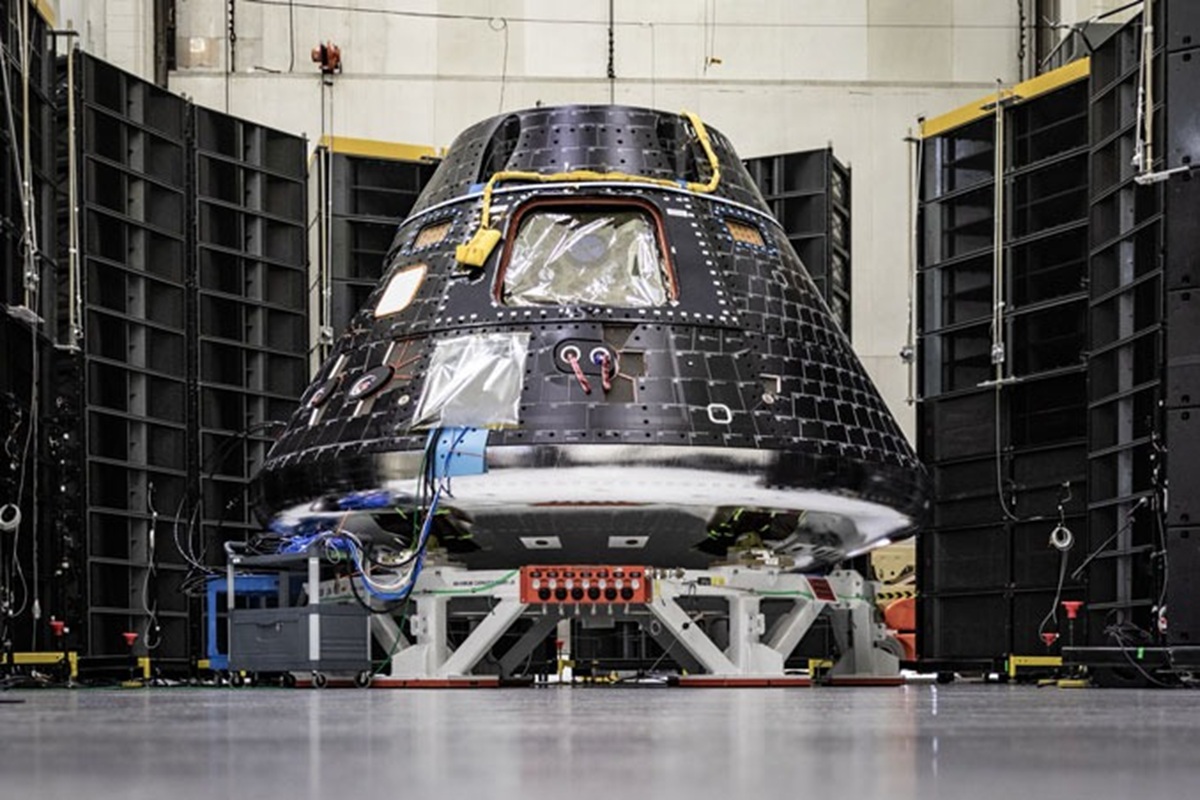
The Artemis 2 Mission, Scheduled To Take Place In Less Than Two Weeks, Puts Astronauts Back On A Lunar Trajectory After More Than Half A Century, While Engineers And Former Astronauts Question Whether The Change In The Re-Entry Profile Is Sufficient To Compensate For Damage Recorded To The Thermal Shield Of The Orion Capsule In 2022
NASA Plans To Launch The Artemis 2 Mission In Less Than Two Weeks, The First Crewed Trip To The Moon In More Than Fifty Years, While Experts Question The Safety Of The Orion Capsule After Damage To The Thermal Shield Observed During The Return Of The Artemis 1 Mission In 2022.
The Artemis 2 Mission Marks A Central Stage Of The U.S. Space Agency’s Lunar Program. The Launch Rocket Has Already Been Moved To The Launch Pad, Preparing For The Start Of A Journey Considered Historic. Although It Does Not Include A Landing On The Lunar Surface, Scheduled Only For Artemis 3, It Is A Complex Crewed Flight With High-Speed Atmospheric Re-Entry.
Historical Mission Takes Place After More Than Half A Century Without Crewed Flights To The Moon
Artemis 2 Will Be The First Mission With Astronauts On Board To Orbit The Moon Since The End Of The Apollo Program. The Main Objective Is To Test, In Real Conditions, The Systems Of The Orion Capsule, Including Life Support, Communications, And Thermal Protection, Prior To A Future Landing.
-
With a cost per shot close to zero, the DragonFire laser could change naval warfare in 2027 and provide British ships with nearly unlimited defense against drones.

-
A British startup creates tires that generate electricity in electric vehicles when passing over potholes, speed bumps, and cracks.

-
Scientists have created robots made with living cells that have their own nervous system, swim on their own, explore the environment, and self-organize without any genetic engineering, and now they want to do the same with human cells.

-
Students create a solar-powered ambulance that operates without a plug, without fuel, and still keeps medical equipment running in remote areas.

Unlike Artemis 1, Which Was Conducted Without A Crew, The New Mission Raises The Level Of Operational Risk. The Capsule Must Withstand Extreme Temperatures During Re-Entry Into The Earth’s Atmosphere, A Phase Considered Critical For The Safety Of The Astronauts.
Damage Observed After The Artemis 1 Mission Motivated Prolonged Investigation
Following The Return Of The Uncrewed Artemis 1 Mission In 2022, The Orion Capsule Displayed Significant Damage To The Thermal Shield. Cracks And Chips Were Observed Due To The Extreme Conditions Encountered During Atmospheric Re-Entry.
Nasa Spent More Than Two Years Analyzing The Behavior Of The Thermal Shield. In December 2024, The Agency Claimed To Have Identified The Main Cause Of The Problem, Pointing To Failures In The Process Of Dissipating Gases Generated Within The External Ablative Material.
According To An Official Statement, The Gases Formed In The Avcoat Failed To Be Expelled As Expected, Allowing Internal Pressure To Rise. This Accumulation Resulted In Cracks And The Detachment Of Some Of The Carbonized Material At Several Points On The Surface.
Trajectory Change Replaces Structural Changes To The Thermal Shield
Despite Identifying The Problem, NASA Chose Not To Make Deep Structural Modifications To The Thermal Shield Of The Capsule Intended For Artemis 2. The Component Had Already Been Assembled And Installed Even Before The Launch Of Artemis 1.
As An Alternative, The Agency Decided To Alter The Re-Entry Profile Of The Mission. The New Trajectory Was Designed To Reduce Thermal Stress And Minimize The Formation And Accumulation Of Gases Under The Thermal Shield During The Descent To Earth.
Former NASA Administrator Bill Nelson Stated That The Decision Was Made Unanimously Between The Agency And The Technical Managers.
According To Him, The Available Data Indicated That The Orion Capsule Could Be Used Safely, As Long As The Entry Trajectory Was Modified.
Experts Question Whether Operational Adjustments Are Sufficient
Despite Official Guarantees, Not All Experts Are Convinced That The Approach Taken Is Adequate For A Crewed Mission. Charlie Camarda, A Former NASA Astronaut And Thermal Protection Expert, Described The Plan As Risky.
Camarda Stated That The Problem Could Have Been Resolved Sooner And Criticized The Delay In Structural Solutions.
He Joined Other Scientists And Engineers Linked To The Agency To Push For A More Thorough Review Before The Flight With Astronauts.
For These Critics, The Decision To Maintain The Original Thermal Shield Represents An Unnecessary Risk, Given That Artemis 2 Involves Human Lives And Not Just Automated Tests.
Changes To The Use Of Avcoat Are At The Center Of Technical Debate
The Avcoat Material Used As Thermal Protection Has Changed From That Used In The Apollo Missions. NASA Stopped Using A Honeycomb-Like Structure And Adopted Larger Blocks, Aiming To Simplify Manufacturing, Testing, And Installation.
The Avcoat Is Designed To Carbonize And Undergo Controlled Erosion During The So-Called Skip Re-Entry. In This Profile, The Spacecraft Partially Glides Over The Atmosphere Before Diving Down, Reducing Thermal Peaks.
During Artemis 1, However, Gases Accumulated Under The Thermal Shield, Causing Cracks And Material Detachment. The Agency Claims That The New Trajectory Of Artemis 2 Will Prevent The Capsule From Reaching Atmospheric Regions Where This Accumulation Would Occur Similarly.
Rick Henfling, Flight Director Of The Mission, Stated That The Revised Profile Will Not Allow The Ship To Reach The Same Critical Condition Observed Earlier, Describing The Situation As Much More Limited Exposure.
Risk Of Failure Still Divides Opinions Within The Technical Community
Even With The Announced Changes, Former Astronauts And Engineers Warn That The Risk Has Not Been Eliminated. Dan Rasky, A Thermal Protection Materials Specialist And NASA Veteran, Stated That The Detachment Of Large Portions Of The Shield May Indicate Proximity To A Major Failure.
According To Him, Even If The Vehicle Is Not Immediately Destroyed, This Type Of Damage Puts The Mission In A Limiting Condition. The Comparison Made Was Being On The Edge Of A Cliff Without Visibility, Illustrating The Level Of Uncertainty Involved.
The Very Behavior Of The Thermal Shield Remains A Topic Of Debate. Danny Olivas, A Former NASA Astronaut Who Participated In Technical Investigations, Stated That Cracks Are Expected But Argued That The Agency Built Redundant Layers Below The Avcoat.
Institutional Confidence Supports Decision To Continue With Artemis 2
Olivas Stated That, Even With Persistent Doubts, NASA Deeply Understands The System It Developed And Recognizes The Importance Of The Thermal Shield For Crew Safety. For Him, The Agency Did A Good Job Incorporating Multiple Layers Of Defense.
The Recently Appointed NASA Administrator, Jared Isaacman, Also Expressed Confidence In The Adopted Solution.
In A Recent Interview, He Stated That The Modification In The Re-Entry Profile Restored Safety Margins Considered Essential For The Mission.
According To Isaacman, Artemis 2 Represents A Balance Between Controlled Risk And Technological Advancement. The Decision To Proceed Reflects The Assessment That The Adjustments Made Are Sufficient To Ensure The Protection Of Astronauts, Even In The Face Of The Failures Observed Previously.
Despite The Differences, The Launch Remains Scheduled, Solidifying Artemis 2 As A Decisive Test Not Only For The Orion Capsule But For The Future Of NASA’s Crewed Missions To The Moon And Beyond, In A Context Of Ongoing Technical Debates Within The Agency And The Scientific Community.







-

-

-

5 pessoas reagiram a isso.