





 Portuguese
  English
  Spanish
  3 min of reading


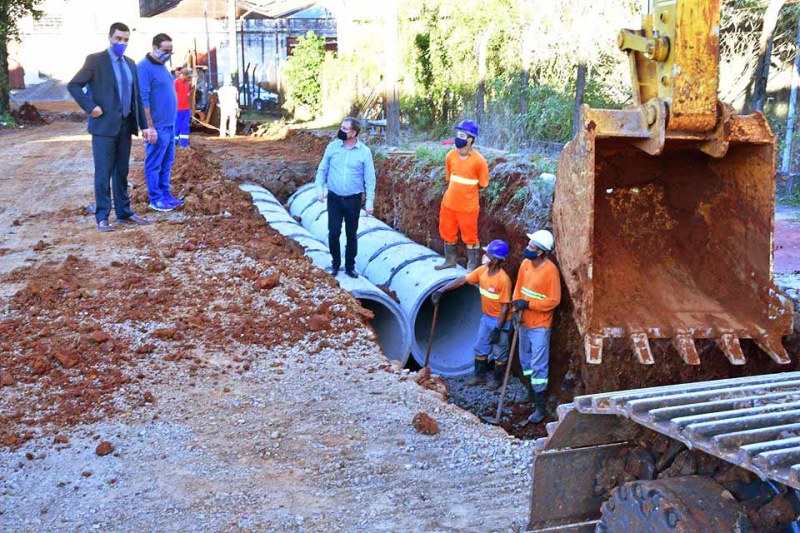
Brazil Aligns Its Infrastructure Concession Strategy, Making the Country An Attractive Destination for Foreign Investment Even Amid COVID-19
Apex-Brasil, the Brazilian Agency for the Promotion of Trade and Investment, organized a webinar yesterday (27/07) on the prospects for the infrastructure sector in Brazil in the context of COVID-19. This meeting described the steps that the federal government and key industry players have taken to make infrastructure concession projects more attractive to foreign investors, from tax and administrative reforms to more flexible regulations in the sector.
Also See Other News
- Odebrecht Achieves Largest Judicial Recovery in Brazilian History
- Petrobras Puts Up for Sale Exploratory Oil Participation in the Pre-Salt in the Guajira Basin, Colombia
- Offshore Wind Farm in Portugal Begins Operations
The webinar brought together important Brazilian government authorities in the infrastructure sector, such as Minister of Regional Development Rogério Marinho and the special secretary of the Secretariat for the Investment Partnerships Program, Martha Seillier, as well as the investment manager at Apex-Brasil, Roberto Escoto.
Additionally, the event showcased timely infrastructure projects for foreign investors interested in operating or allocating assets in this sector in Brazil. Below are the main topics that were discussed during the meeting, check it out.
-
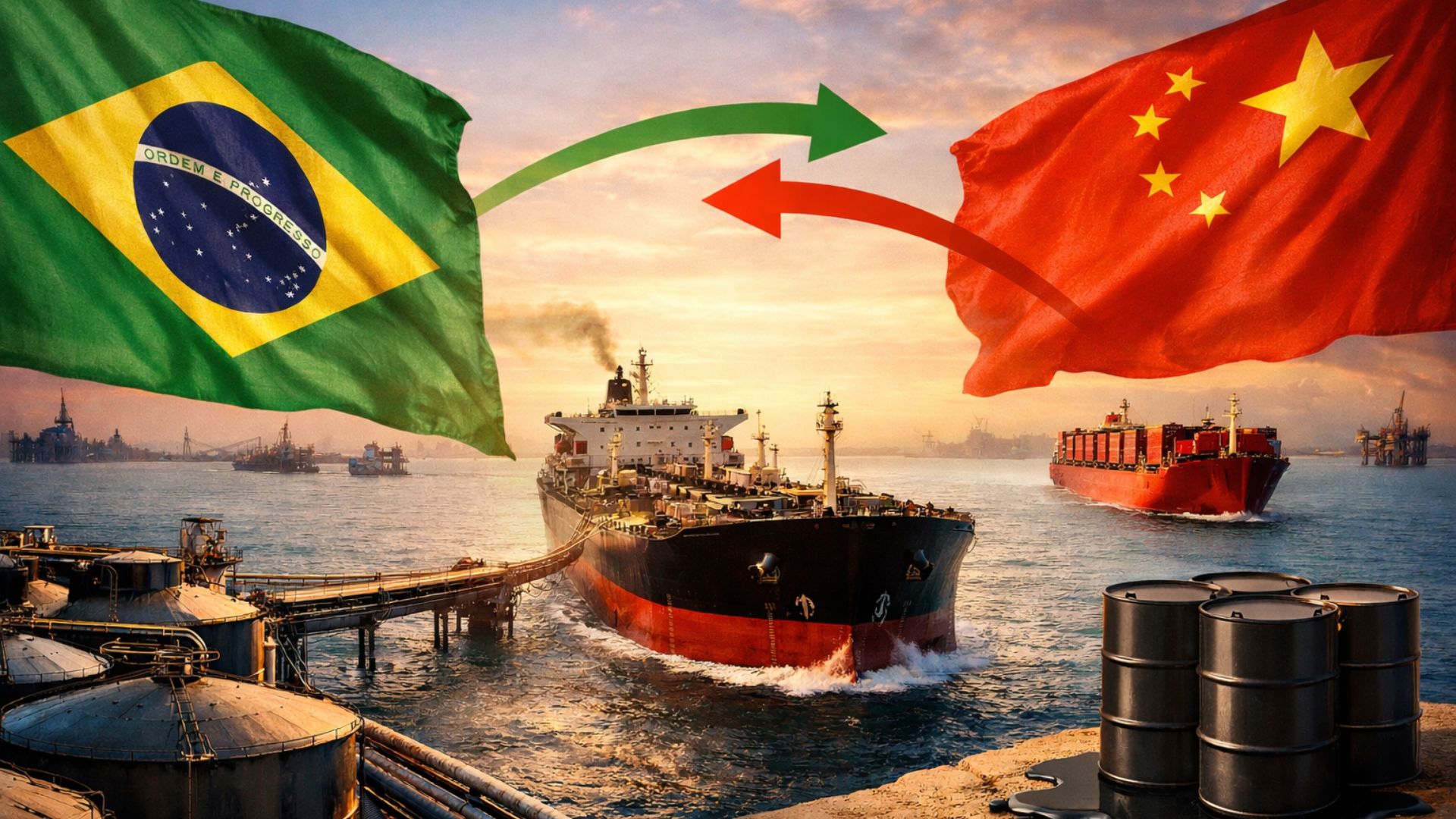
Brazil’s oil exports soar with record purchases from China, potentially generating a new cycle of economic growth, increasing external revenues, and consolidating the country as a global strategic supplier.
-
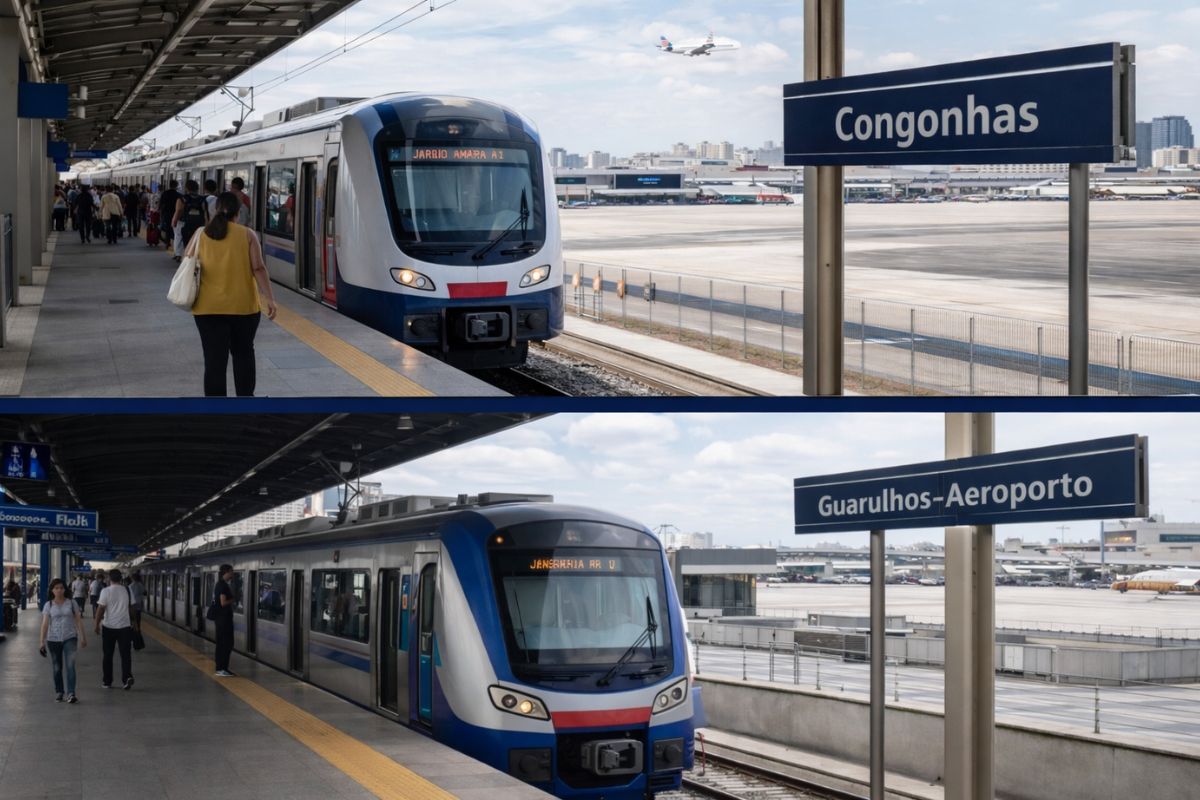
São Paulo has connected its two airports by rail for the first time in history, and now you can travel by train from Congonhas to Guarulhos for just R$ 5.40. However, the journey requires four transfers, takes about two hours, and only operates during a narrow time window that almost no one can use.
-
The savings of Brazilians are depleting: savings accounts recorded the third consecutive month of withdrawals, with over R$ 41 billion taken out in the first quarter of 2026, the largest outflow in an entire year.

-
Curitiba will have a direct flight to Europe starting in July, and for the first time in history, Paraná will have a continuous air connection with Europe, saving three hours of travel for passengers who previously needed to connect in São Paulo.

Infrastructure Has Been and Will Continue to Be An Important Factor for Growth in the Brazilian Economy
Infrastructure has been a key priority for the Brazilian government since the 2000s. In 2016, the government launched the Investment Partnership Program (PPI) to coordinate its concession and privatization projects. Brazil also manages the largest concession program in the world, attracting over US$ 170 billion to its assets.
Sector experts predict that foreign investments in Brazil’s infrastructure sector will play a crucial role in the country’s post-pandemic economic recovery. In fact, a significant portion of the government’s COVID-19 economic growth plan, PRO-BRASIL, is dedicated to boosting infrastructure projects in telecommunications, energy, mining, and transportation.
Secretary Seillier touched on this expansion path: “We believe that the path to economic recovery certainly involves more private investments. The private sector is particularly relevant in the post-pandemic scenario, when Brazil will still carry out the largest concession and privatization program in the world.”
Brazil’s Concession Projects Continue to Grow Despite the Pandemic
Despite the challenges of the COVID-19 pandemic, Brazil continues to advance in its planned infrastructure projects. Driven largely by strong interest from foreign investors, the country has recently made significant progress in major highway and port concessions.
“Many of Brazil’s economic conditions are favorable at this very moment, despite the COVID-19 crisis. Brazil has an average IRR (Internal Rate of Return) for infrastructure projects of around 10%, which is not seen in any advanced economy—and is even harder to find in emerging markets. Additionally, real interest rates have fallen close to zero, which will lower borrowing costs and improve the overall credit market,” says Secretary Seillier.
Notably, the Brazilian state recently released bidding documents for the privatization of the Port of Santos. The port, which handles 28% of the country’s cargo trade, is expected to bring around US$ 71.5 million in investments.
The Federal Government Launched New Initiatives to Mature the Country for Investments
Just this month, Brazil’s National Congress approved a bill that is expected to greatly improve the regulatory framework for sanitation in Brazil, bringing greater stability and legal certainty to the sector. Minister Marinho commented on this project: “Approximately US$ 137 billion in investments are needed over the next ten years to improve sanitation in Brazil. We rely on our partnership with investors and the private sector to make this a reality.”
The federal government recently partnered with BNDES, Brazil’s state development bank, to determine the best concession format for each project. BNDES also provides financing to foreign investors interested in Brazil’s infrastructure projects.
Source: PR Newswire





Seja o primeiro a reagir!