





 Portuguese
  English
  Spanish
  4 min of reading
  1 comment





Brazil Plans a Revolution in Aviation in 2025. The Focus Includes the Modernization of Major Hubs, Such as Congonhas Airport, and Strengthening Regional Aviation, Aiming to Build or Renovate 130 Airports in the Next Five Years. Programs Like Voa Brasil Promote Inclusion in Air Transport.
If you think that transportation infrastructure in Brazil is limited to congested highways and insufficient railways, prepare for a drastic change! An ambitious plan promises to transform mobility across the country, placing the airport sector at the center of a revolutionary project.
The goal is more than audacious: to build or modernize over 100 airports in the next five years, completely changing the way Brazilians travel and connect with the world.
Historic Deliveries Expected for 2025
The year 2025 marks a turning point for Brazilian aviation.
-
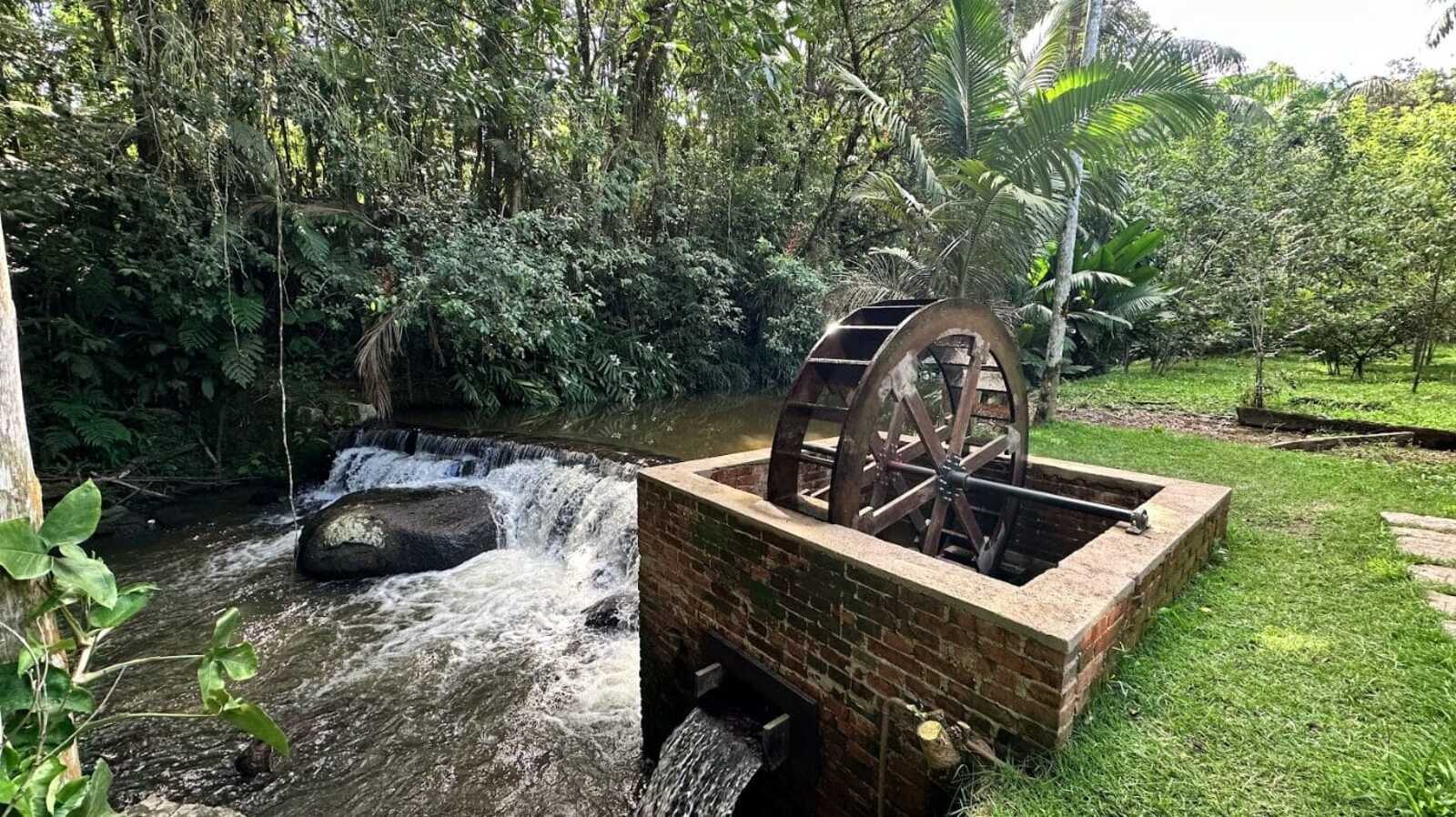
While restoring a historic mansion from 1910, a brick structure with an old turbine that generated energy from the Rio do Testo emerged, along with a hidden door and a rare floor concealed under layers of wax.
-
Brazilian city bets on the business environment to generate jobs and attract investments in the energy sector — secretary reveals strategy at Macaé Energy 2026.

-
50 viaducts, 4 tunnels, 28 bridges, and 40 kilometers of bike paths: BR-262 in Espírito Santo will receive 8.6 billion reais for the largest engineering project in the state’s history, inspired by the Immigrant Highway in São Paulo.

-
Italian researchers have detected what appears to be a second Sphinx buried under the sands of Egypt, and satellite scans reveal a gigantic underground megastructure hidden beneath the Giza Plateau for over 3,000 years.


According to the Minister of Ports and Airports, Silvio Costa Filho, more than 30 airports will be delivered, including new developments and upgrades. This initiative will represent the largest delivery in the sector in the last decade.
In an interview with the program A Voz do Brasil, the minister highlighted that the federal government is investing nearly R$ 3 billion in the project, combining public resources and private investments.
“President Lula, in the next 12 months, will achieve the greatest airport delivery of the last 10 years. We are delivering more than 30 airports in Brazil, including new and upgraded ones,” Costa Filho stated, emphasizing the importance of this expansion for the country’s infrastructure.
Focus on Regional Aviation
The plan is not limited to major hubs located in capitals. The proposal also aims to strengthen regional aviation, enhancing connectivity in areas that have previously faced access challenges.
According to Costa Filho, the goal is to build or modernize 130 regional airports in the next five years.
This initiative aims to meet local demands, promote economic development, and improve mobility in remote areas.
“We are upgrading and investing in strategic airports in metropolitan areas while also giving special attention to regional aviation,” the minister explained, highlighting that this is a priority for the current government.
Recent Highlights
In the last months of 2024, the government delivered seven renovated airports in the North Region, including the municipalities of Porto Velho (RO), Manaus (AM), Tefé (AM), Tabatinga (AM), Boa Vista (RR), Rio Branco (AC), and Cruzeiro do Sul (AC).
These works totaled an investment of R$ 1.4 billion, highlighting the commitment to developing infrastructure in the interior of the country.
Other airports also underwent significant renovations, such as those in Goiânia (GO), which received R$ 65 million through the Novo PAC, and Teresina (PI), which received R$ 166 million.
These improvements include everything from runway expansions to the modernization of passenger terminals, ensuring more comfort and safety for users.
Transformation in Congonhas
Congonhas Airport, in São Paulo, considered the second largest in Brazil, is also at the center of this revolution.
With investments of R$ 2.4 billion made by Aena Brasil, the modernization works have already begun.
The project includes infrastructure expansions, new passenger terminals, and a significant increase in the airport’s operational capacity.
“Congonhas is the heart of Brazil, and these improvements will completely transform the experience for those using the airport,” emphasized Costa Filho.
Inclusion Through the Voa Brasil Program
One of the most innovative initiatives of this project is the Voa Brasil program, which promotes social inclusion in air transport.
Designed for pensioners from INSS who haven’t traveled in the last 12 months, the program has already issued over 23,000 tickets in five months, covering all regions of the country.
The differentiator of Voa Brasil is that it does not use public funds, being financed by partnerships with airlines and other players in the productive sector.
For 2025, there are plans to expand the program to include students from Prouni and FIES, broadening the reach of this initiative.
“This is the first time we have a social inclusion program of this magnitude, and we want to continue expanding it,” the minister stated, reinforcing the importance of collaboration between government and the private sector.
Economic and Social Impacts
In addition to improving infrastructure and mobility, the airport expansion plan promises to generate significant economic impacts.
With more regional airports, local companies can expand their markets, tourism gains momentum, and isolated communities gain quicker access to essential services such as health and education.
These advances also promote national integration, reducing inequalities between regions and fostering more balanced growth across the Brazilian territory.
Question for Readers
Do you believe this expansion in airport infrastructure will be enough to meet mobility demands and integrate the more remote regions of Brazil? Leave your opinion in the comments!






É muita conversa fiada, 130 aeroportos só quero ver em 2030.