





 Portuguese
  English
  Spanish
  4 min of reading
  0 comments


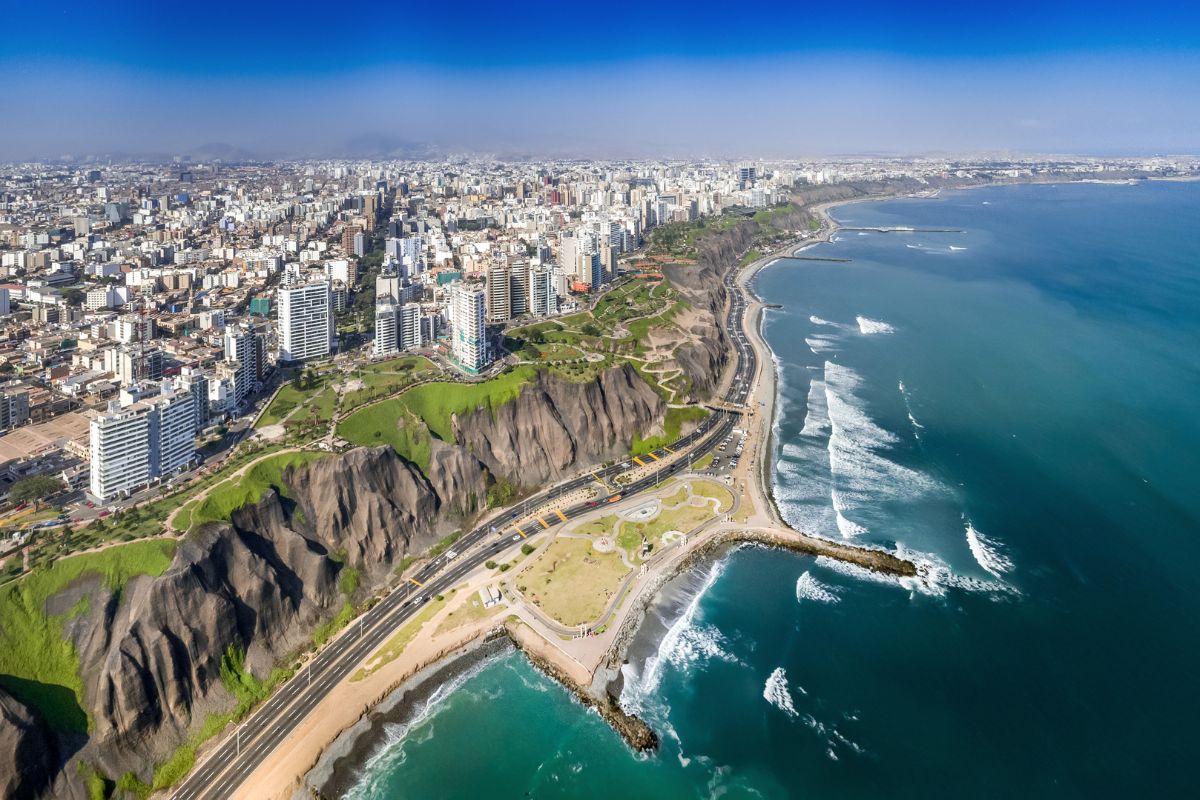
Peruvian Capital Reveals Rare Combination of Colonial Architecture, Award-Winning Cuisine, and the Most Striking Sunset on the Pacific
Lima wins you over at first sight if you are willing to see beyond the arid and cloudy image that dominates the early hours in the city. Founded in 1535 by Spanish conqueror Francisco Pizarro, the Peruvian capital reinvents itself at every corner: it is living history, a vibrant economic and cultural center, and an open door to authentic experiences. The capital of Peru is now one of the most complete destinations in South America, uniting memory, flavor, and the sea.
Exploring Lima is to discover a city of contrasts that surprises even the most skeptical travelers. Its streets reveal colonial heritage, modern rhythm, and the hospitality that makes it a must-stop before or instead of Machu Picchu. From the monumental Plaza Mayor to the vibrant sunset in Miraflores, everything here invites contemplation and enjoyment, with good food, culture, and the constant sound of the Pacific framing the horizon.
The Colonial Heart and Balconies of Lima
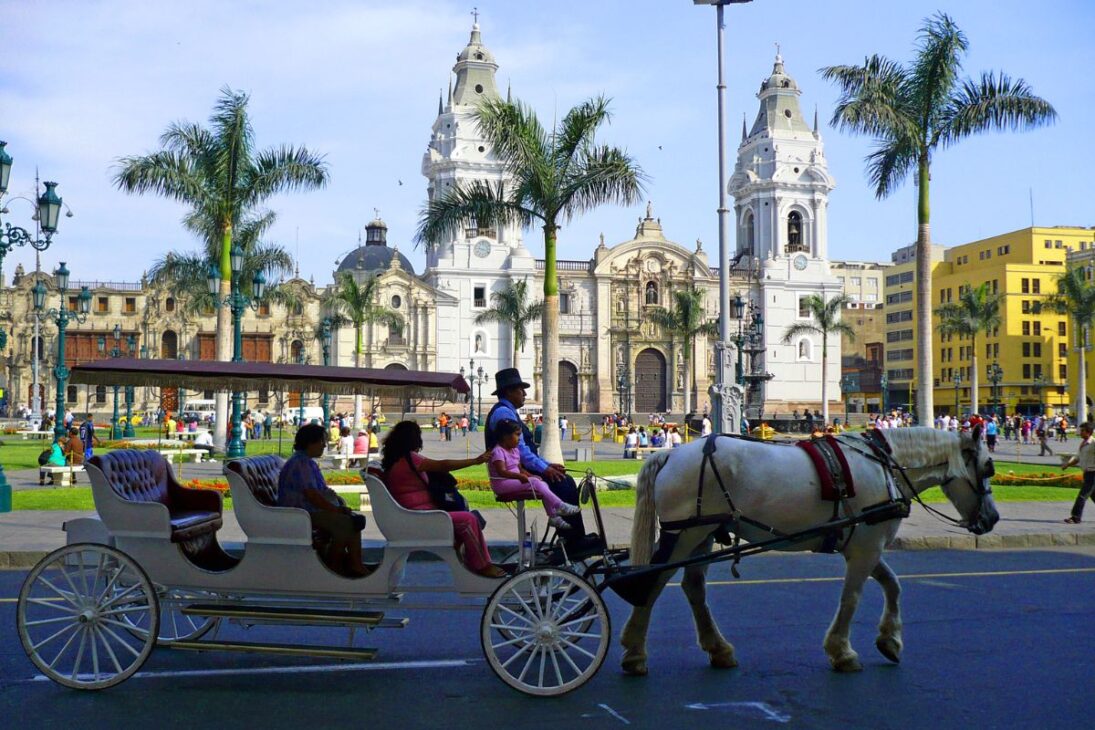
The historic center of Lima, declared a World Heritage Site by UNESCO, is a trip back in time.
-
A scientist proved with a thermal camera that the fan does not cool the environment but reduces the temperature of your skin by up to 6 degrees thanks to a natural mechanism of the human body that almost no one understands how it really works.

-
Scientists find a new explanation for the origin of Earth, which may have formed solely from material close to the Sun, changing an old theory and indicating that Jupiter may have been the cause of it all.

-
Brazilian beaches are among the most contaminated in the world by cigarette butts, with levels up to 40 times above the global average and areas where this waste already represents the majority of all the trash found.
-
2,000-Year-Old Machine Gun: Roman weapon found in Pompeii fires arrows at 109 m/s with an automatic gear mechanism, leaving perfect geometric patterns on the walls and proving its real use in the siege of 89 B.C.

16th-century Spanish architecture blends with indigenous and African influences, forming an urban landscape of spacious squares and mansions with carved wooden balconies.
The Metropolitan Cathedral, begun in 1540, houses Pizarro’s tomb and represents the various styles that characterize the city’s history, from Baroque to Neoclassical.
In the streets around, the Government Palace stands as a symbol of political power.
The changing of the guard ceremony, which takes place daily at 11:45 AM, is a spectacle in itself, especially on Sundays when the military band performs versions of popular songs in front of locals and visitors.
This fusion of solemnity and lightness reflects the spirit of Lima: tradition with a contemporary rhythm.
Cuisine That Is Cultural Heritage
Talking about Lima is talking about food. The city is home to some of the most recognized restaurants in the world, but it also preserves local flavors in historic spaces like Cordano, founded in 1905 and still frequented by politicians and residents.
The classic butifarra sandwich, with pork loin and seasoned onions, is an icon of popular Peruvian cuisine.
Other experiences reveal the dialogue between past and present, such as the restaurant located within the archaeological site of Huaca Pucllana in Miraflores.
There, among pre-Columbian pyramids and dishes of oriental salmon or grilled alpaca, Lima shows its unique ability to unite history and sophistication, transforming the act of eating into a cultural immersion.
Lima Also Breathes Continental Football
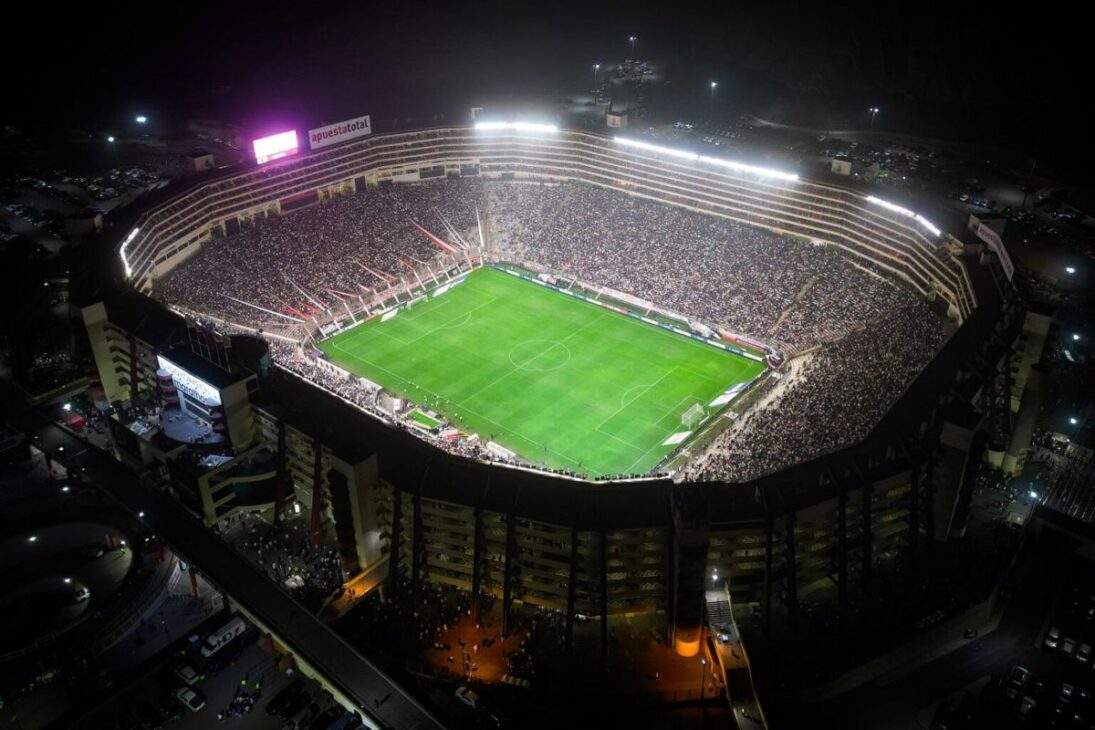
In recent years, Lima has established itself not only as a tourist destination but also as a significant sports venue.
The city hosted a historic final of the Copa Libertadores, reinforcing its central role on the South American football map.
In 2025, the Estadio Monumental U will once again be the protagonist and will host the tournament final, scheduled for November 29.
The Flamengo has already secured its place in the final after eliminating Racing Club in the semifinal and is now awaiting the winner of the matchup between Palmeiras and LDU, who will determine the second finalist in São Paulo.
Palmeiras needs to overturn a 3-0 deficit from the first leg, while LDU comes in confidently after their strong performance in Quito.
Once again, Lima will be the meeting point for the continent’s greatest passions, where history, tourism, and football blend under the same sunset.
Miraflores and the Sunset Over the Pacific


Miraflores is the neighborhood where Lima opens up to the sea.
The Malecón de Miraflores, with its suspended gardens and bike paths, offers one of the most spectacular views of the Pacific Ocean.
Walking to the La Marina Lighthouse is a late afternoon ritual, when the sky takes on golden and pink hues that justify every minute of the trip.
The beaches, formed by stones and cold waves, attract surfers from various parts of the world. Even those who do not enter the water are enchanted by the contrast between the urban and the natural.
The sunset in Lima is a daily spectacle that transforms the city into a cinematic backdrop, the perfect closure for an intense two-day itinerary.
Lima is a capital that demands time and curiosity.
Its value does not lie in competing with Machu Picchu, but in revealing Peru in its most everyday and vibrant form.
Every balcony, every dish, and every sunset tells a piece of this plural story.
And you, would you set aside the traditional path to discover all that Lima has to offer?





-

-

-

-

11 pessoas reagiram a isso.