





 Portuguese
  English
  Spanish
  5 min of reading
  0 comments


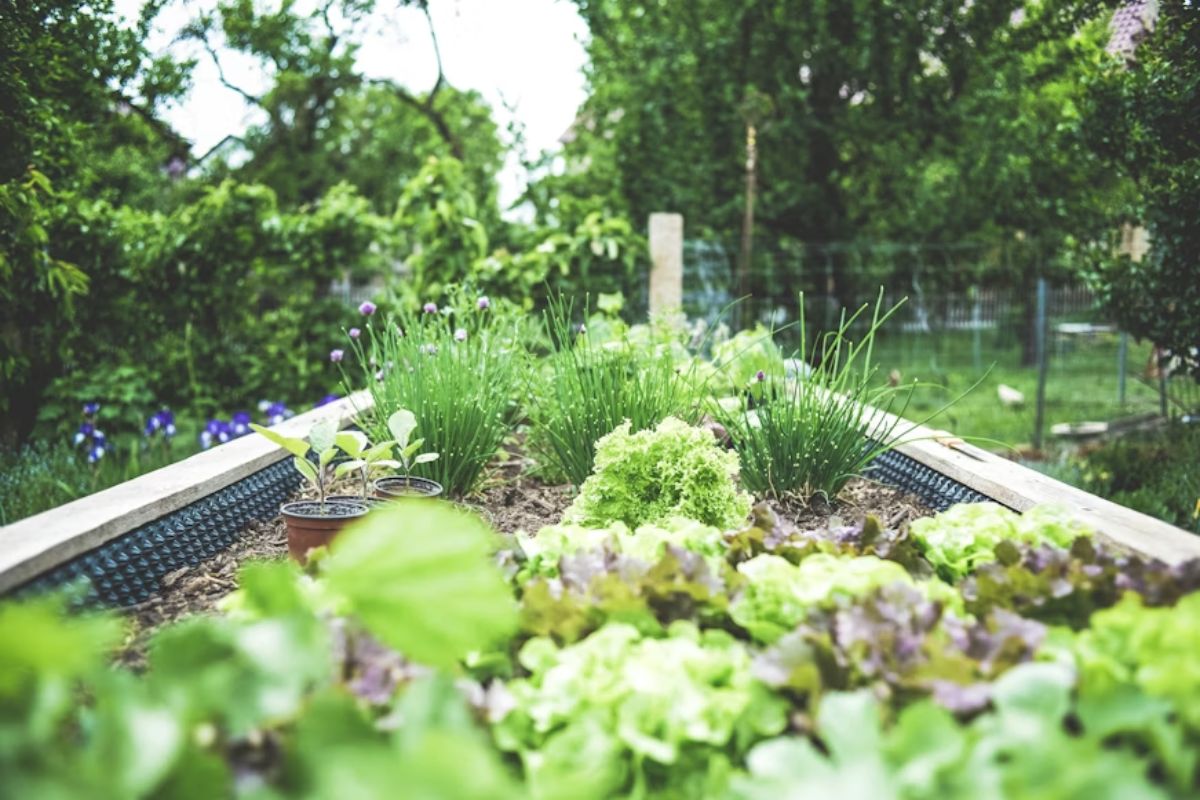
In Oosterwold, In The Netherlands, A Dutch Neighborhood Exchanges Dependency On Supermarkets For Food Production In Its Own Backyard, Requires 50% Of The Land To Become Productive Area And Tests, In Practice, A New Model Of Sustainable City.
Growing vegetables in the backyard often seems like something from the countryside, far from the routine of big cities and supermarket aisles. In Oosterwold, east of Amsterdam, this idea has been taken to the extreme: living there is only permitted if at least half of the land is dedicated to food production, transforming gardens, orchards, and productive yards into part of the neighborhood’s official infrastructure.
This urban experiment combines housing, project autonomy, and agriculture as a formal condition of land use. Today, about 5,000 people live on approximately 4,300 hectares under this model, and the waiting list to enter the neighborhood keeps growing precisely because the proposal goes beyond having a beautiful garden and reduces dependency on supermarkets by bringing food production and consumption closer together.
A Dutch Neighborhood Where Gardens Are The Rule, Not A Detail
In Oosterwold, urban planning has been designed to invert traditional logic. Instead of high walls and ornamental lawns, the landscape is dominated by gardens, rows of vegetables, fruit trees, small greenhouses, and diversified cultivation areas.
-
Church from 1888 becomes a mansion of over 330 m² in Canada after a renovation of R$ 3.4 million and is eventually sold for nearly R$ 4.3 million.
-
How an innovative city combines high technology, well-being, and sustainability to become the largest reference in clean energy on the planet.
-
Couple buys 1846 church in ruins for R$ 660,000, invests R$ 3.2 million in renovations, transforms it into a millionaire mansion, and even preserved a historic cemetery with over 300 graves.

-
He started running at 66 years old, broke records at 82, and is now a subject of study for having a metabolic age comparable to that of a 20-year-old, in a case that is intriguing scientists and inspiring the world.


What differentiates this Dutch neighborhood from isolated urban agriculture initiatives is the obligation. Each resident must allocate at least 50% of their land to food production, whether for personal consumption or local supply. It is not an optional hobby, but a rule written into the project’s foundations.
This requirement changes the way the neighborhood organizes itself. The backyard ceases to be “extra” space behind the house and is seen as a productive asset, part of the infrastructure that sustains life there.
Instead of depending solely on supermarkets to stock their pantries, families now have a direct relationship with what they plant and harvest.
How The 50% Land Rule Works
The model does not rigidly confine the neighborhood to a single standard. The rule is clear on the percentage but flexible in form. Each resident decides what to plant, how to plant, and how to distribute the productive area, resulting in a heterogeneous landscape in Oosterwold.
There are greenhouses, orchards, open-air gardens, small vineyards, and even areas for raising animals. Some residents produce exclusively for their personal consumption.
Others outsource the management of their land to those with more agricultural experience. There are also cases where production becomes an economic activity, with food being sold or used as a basis for local businesses, such as restaurants.
This freedom within a common obligation creates a mosaic of solutions. What unites all the houses is the commitment to transform half of the lot into productive area, reducing exclusive dependence on long supply chains that start with large producers and end with supermarkets in cities.
From Supermarkets To The Local Food Circuit
The neighborhood also alters the way people plan and approach their meals. In a report by The Guardian, resident Marco de Kat describes a routine where the menu is decided based on what is ready to be harvested that day, not by what is on sale in supermarkets.
An example cited in the same article is the restaurant Atelier Feddan, which bases its dishes mainly on ingredients cultivated in the neighborhood itself, creating a short and localized food circuit.
Instead of solely relying on products that travel long distances to reach store shelves, a significant portion of consumption is directly linked to the local agricultural reality.
In practice, Oosterwold shows that a neighborhood’s supply does not need to be concentrated only on trucks arriving from distribution centers and on supermarket shelves.
When yards and private land start producing food, the neighborhood as a whole gains more resilience and autonomy.
Sustainability In Practice: Shortening The Chain And Cutting Emissions
The model of Oosterwold directly engages with the climate crisis. The global food system is among the major contributors to greenhouse gas emissions, especially due to long-distance transportation, refrigerated storage, and intensive use of industrial inputs.
By encouraging production close to the consumer, the neighborhood shortens the supply chain, reduces the need for long travels powered by fossil fuels, and decreases dependence on all the logistics that sustain traditional supermarkets.
In addition, Oosterwold adopts construction guidelines that favor more durable structures, materials reuse, and long-term planning, which helps reduce the carbon footprint associated with both the houses and the neighborhood infrastructure.
That is why the place is described as a “living laboratory” of a sustainable city, where it is possible to observe over time which choices genuinely reduce environmental impact in everyday life.
Urban Autonomy: When Residents Take Over Planning
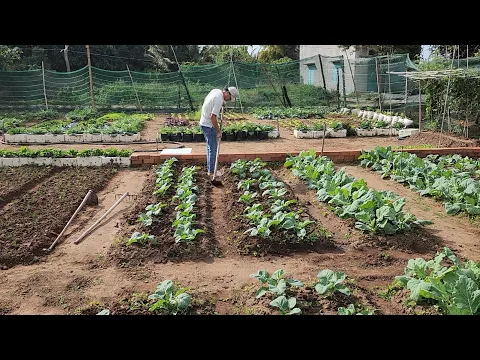

The experiment in Oosterwold also changes the way of making cities in the Netherlands. Instead of a neighborhood designed top-down by the government or large developers, a significant portion of decisions has been placed in the hands of the residents.
There, they participate in creating the streets, discuss drainage systems, organize waste management, and collaborate in implementing collective facilities.
Autonomy is greater, but it always comes with the central requirement: food production occupies at least half of each plot of land.
This ensures that urban design and land use decisions are considered alongside food, not as a separate issue.
Instead of planning solely for the flow of cars, buses, and people to the supermarkets, Oosterwold also plans how food is grown, circulated, and consumed within the neighborhood itself.
Challenges, Co-Responsibility, And Cooperation Among Neighbors
Transforming half of the land into productive area is not trivial. Maintaining a garden, an orchard, or a small animal-raising area requires time, knowledge, and continuous investment. Not everyone has the same availability or familiarity with agricultural techniques.
For this reason, community co-responsibility becomes a structural part of the model. Residents who are more skilled in cultivation support those who are just starting, initiatives for cooperation arise, partnerships for joint management, and even arrangements where one person takes care of production in exchange for part of the harvest.
The result is that sustainability stops being just a discourse and becomes a shared commitment, expressed in concrete decisions about the yard, the land, and the way of eating.
Thus, the neighborhood is consolidating as a real experience of a sustainable city, where the relationship with supermarkets, agriculture, and climate is rethought every day.
If you could live in a place like Oosterwold, would you be willing to give up part of your dependence on supermarkets to turn half of your land into a mandatory productive garden?






-

-

-

-

-

19 pessoas reagiram a isso.