





 English
  Francês
  Alemão
  Italiano
  Japonês
  Norueguês
  Portuguese
  Spanish
  11 min of reading
  0 comments


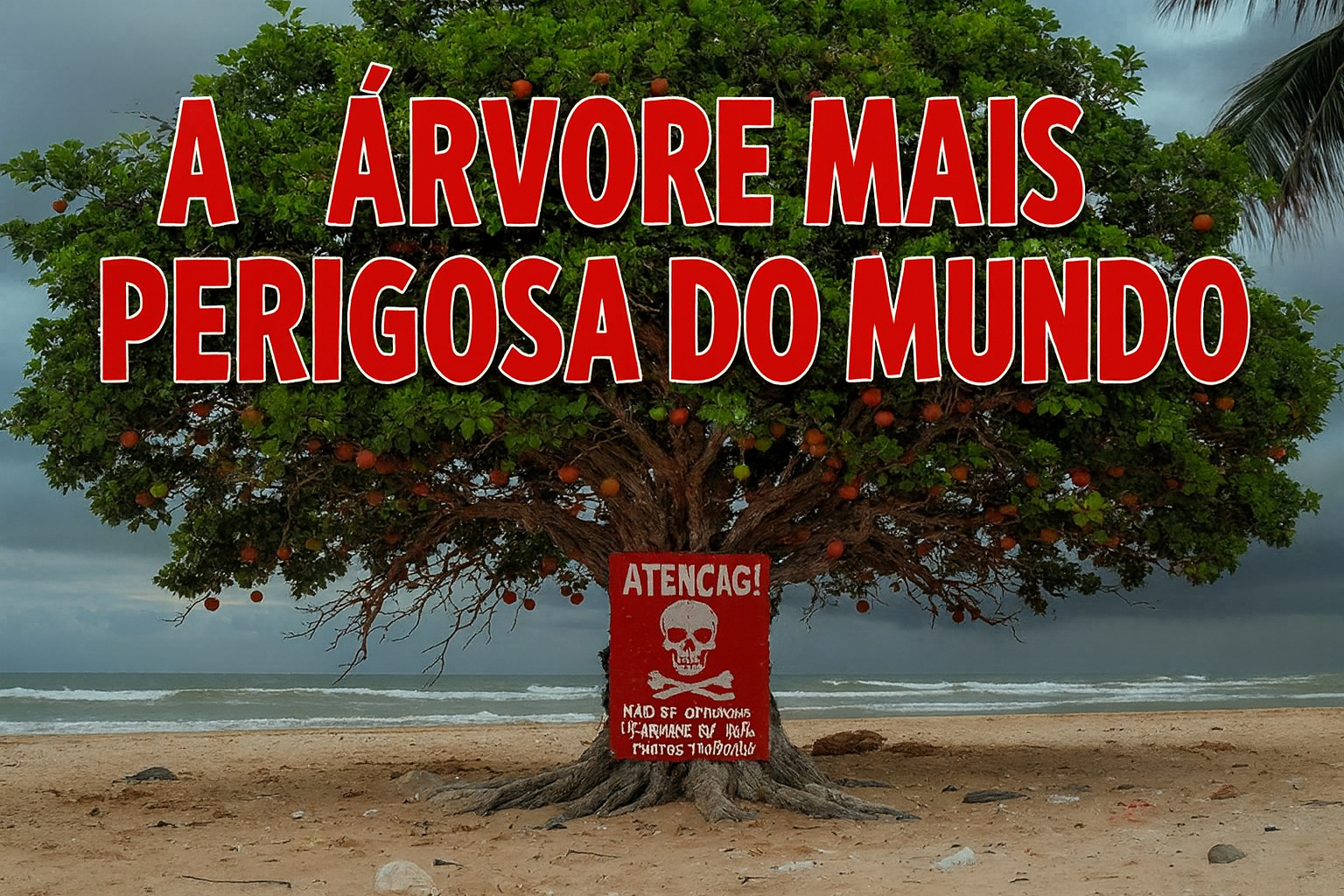
Manchineel Tree, Considered by Guinness as the Most Dangerous in the World, Has Sap That Causes Burns, Toxic Fruit, and Smoke That Can Cause Blindness
Imagine a tree with shiny green leaves, delicate flowers, and fruit that looks like small apples with a sweet smell and pleasant taste. A tree that looks so harmless that you would be tempted to sit under its shade to rest on a paradisiacal beach in the Caribbean.
- A single sip of rain that dripped from these leaves causes chemical blisters on your skin
- Touching the trunk leaves third-degree burns
- Biting the fruit causes excruciating pain, a closed throat, and can be fatal
- Burning the wood releases smoke that causes temporary blindness
- Even standing underneath it during a storm can land you in the hospital
This tree exists. It’s called Manchineel (Hippomane mancinella), grows on tourist beaches in Florida, the Caribbean, Mexico, and Central America, and according to the Guinness World Records, it has been officially the most dangerous tree in the world since 2011. The Spanish name says it all: manzanilla de la muerte, “little apple of death”.
The Doctor Who Bit the Forbidden Fruit of the Manchineel
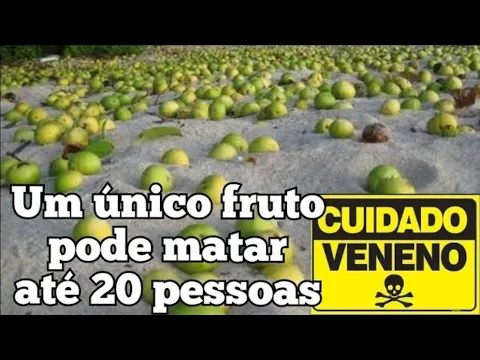
In 1999, Dr. Nicola Strickland, a consulting radiologist, was on vacation on the island of Tobago with a friend when they spotted small green fruits resembling apples fallen on the sand of a paradisiacal beach. The fruits looked innocent and had an irresistible sweet smell. Unaware of the danger, both decided to try them.
-
Seen from space, a colossal ‘Y’ cuts through the largest desert in China, blending a jade-filled river, red and white mountains, and revealing the absurd scale of the transformation of the Taklamakan surrounded by a green wall with billions of trees.

-
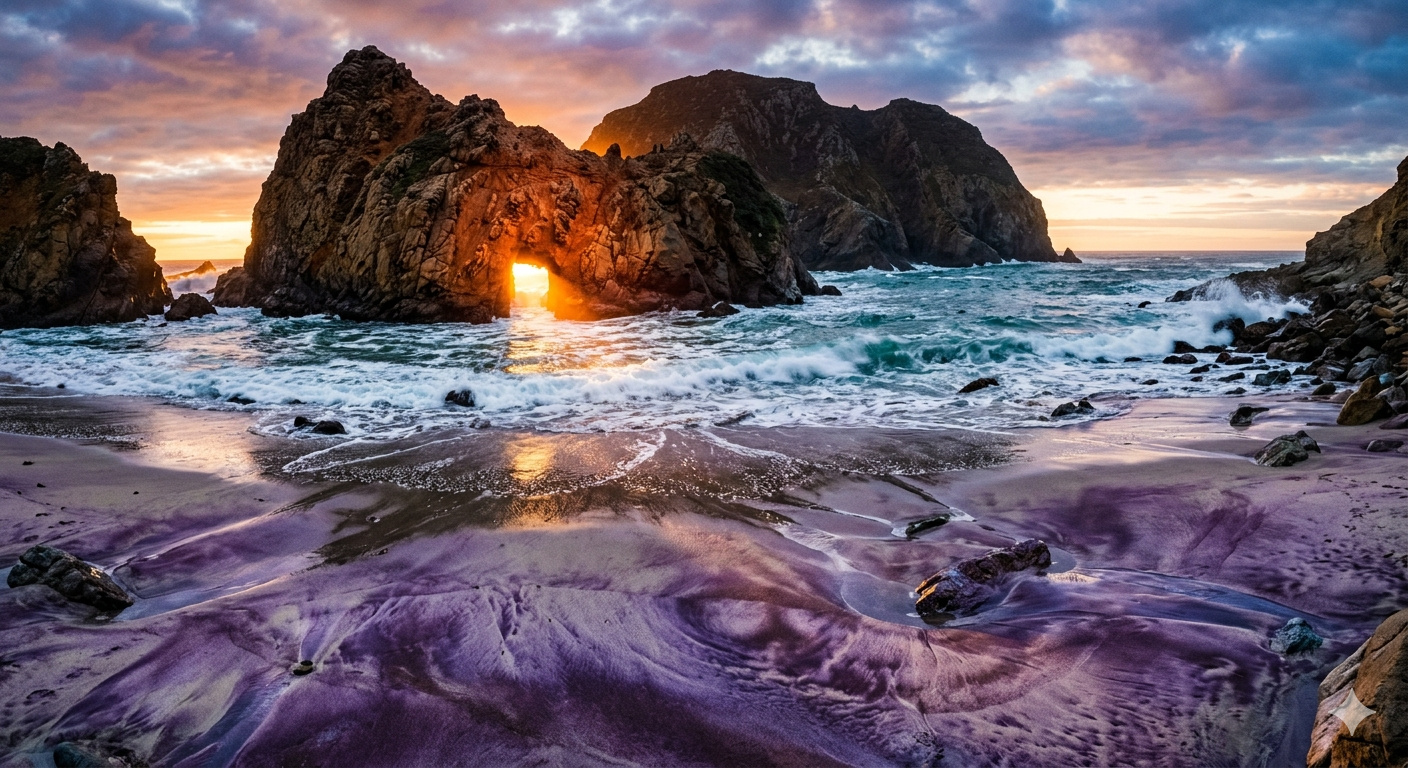
The Pacific Ocean reveals what the cliffs of Big Sur have hidden for millennia: Pfeiffer Beach, in California, features swirling purple sand formed by garnet crystals and displays a stone arch that is illuminated by the sun in winter for just a few days each year.
-
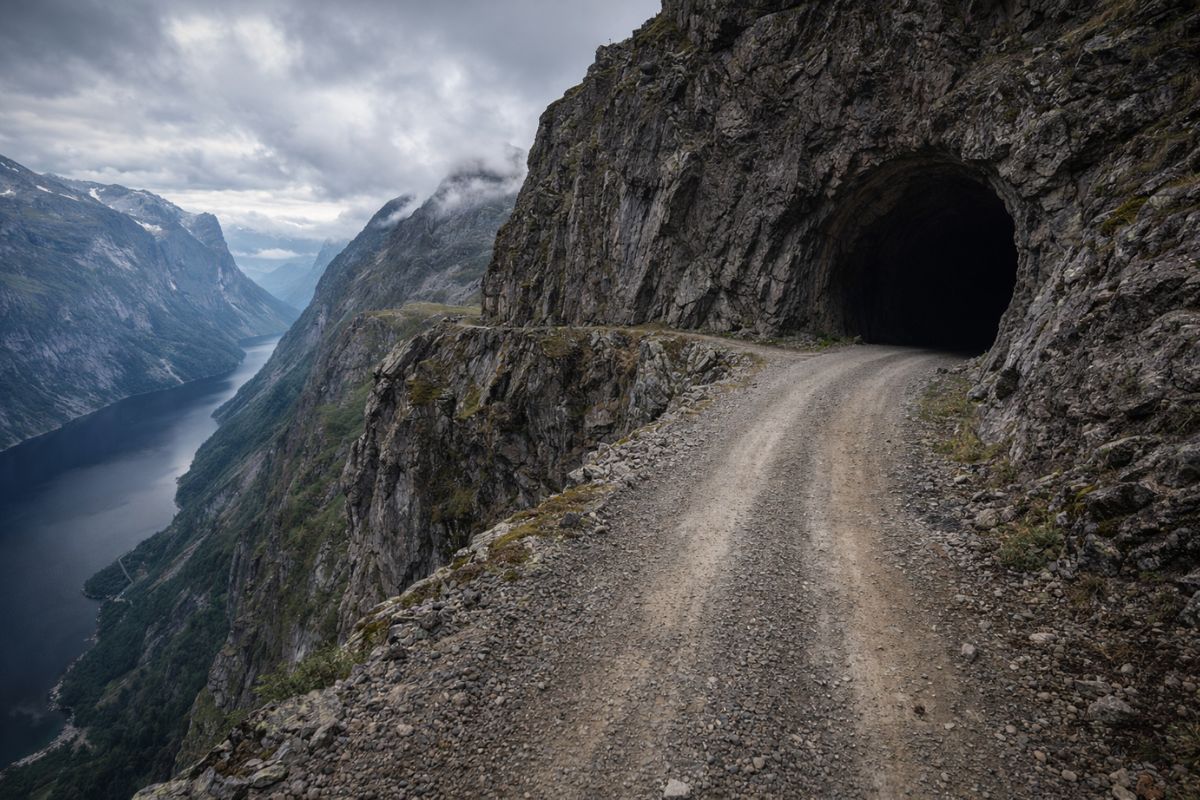
Aursjøvegen in Norway is a 100-kilometer gravel road that crosses chasms and dark tunnels carved into the rock at an altitude of 947 meters in the fjords and is only open for four months a year.
-
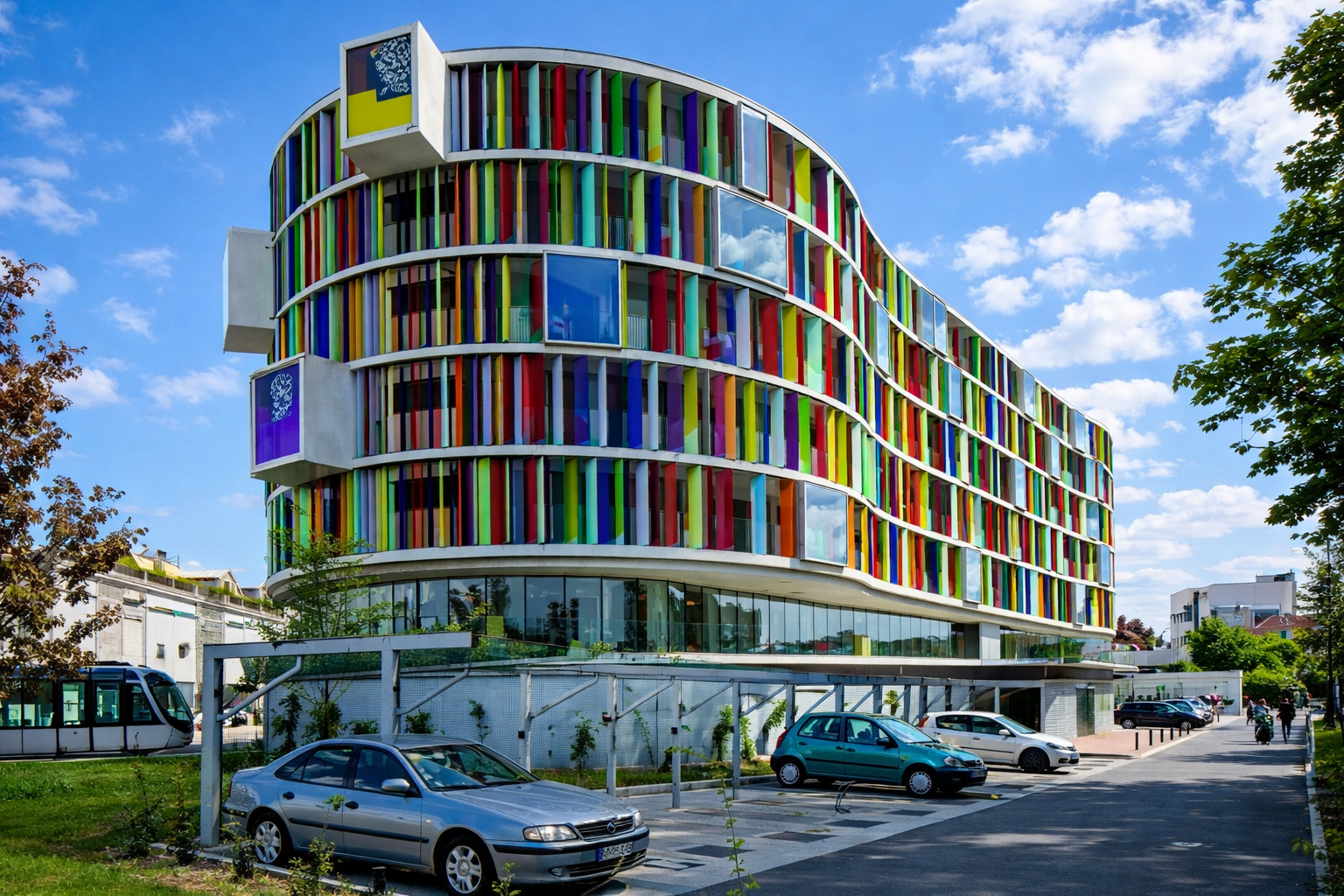
With about 4,000 m², the building constructed in a traditional neighborhood in France looks like a rainbow, has a colorful facade, mixes vibrant glass, and creates one of the most unusual visuals in Bordeaux.

Here’s what happened, in the doctor’s own words published in the British Medical Journal in 2000:
“The fruit was pleasantly sweet. Moments later, we noticed a strange spicy sensation in our mouths, which gradually progressed to a burning sensation, tearing, and a tightening in the throat.”
“The symptoms worsened over a few hours until we reached the point where we could hardly swallow solid food due to excruciating pain and the feeling of a large lump obstructing the pharynx.”
“Sadly, the pain was exacerbated by most alcoholic beverages, though slightly relieved by piña coladas, but more so by plain milk.”
“Over the next eight hours our oral symptoms slowly started to subside, but our cervical lymph nodes became very tender and easily palpable.”
“When recounting our experience to the locals, we provoked shock and disbelief, given the fruit’s notorious reputation for being poisonous.”
The two were lucky — they only bit a small amount. Eating a whole fruit can be fatal.
Subsequent analysis revealed that they had tasted the fruit of the Manchineel, also known as the “beach apple” or “death apple”.
Four Ways to Kill You (and You Don’t Even Need to Touch It)
The Manchineel is not just poisonous; it is aggressively toxic in multiple ways simultaneously.
The Sap: Instant Chemical Burn
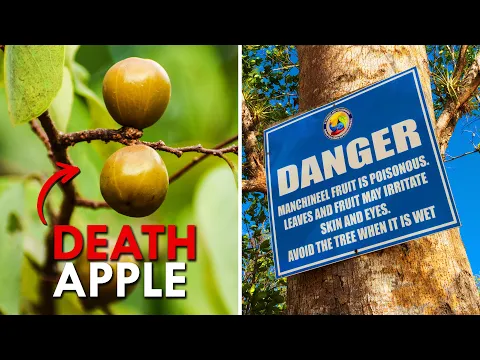
Every part of the tree — bark, leaves, branches, flowers, and fruit — exudes a milky sap containing a cocktail of deadly toxins:
- Phorbol esters (mainly phorbol and 12-deoxy-5-hydroxyphorbol-6-gamma-7-alpha-oxide)
- Hippomanin A and B (toxic crystalline tannins)
- Mancinelin
- Furanocoumarins
- Sapogenins
- Co-carcinogens and cryptic co-carcinogens
These toxins are highly water-soluble and cause severe irritant contact dermatitis. What happens:
- Contact with the sap: chemical blisters and burns appear within 15 seconds to a few minutes
- The lesions are similar to acid burns
- Erythema (intense redness), followed by the formation of large blisters
- Pain described as “intense burning” and “unbearable itching”
- Symptoms may last weeks
The Rain: You Don’t Have to Touch It to Get Burned
Here’s the most terrifying part: you don’t even need to touch the tree to get poisoned. Since the toxins are highly water-soluble, when it rains:
- The water passes through the leaves and dissolves the toxic sap
- Raindrops carrying diluted toxins fall onto the skin
- Result: severe dermatitis and ophthalmitis
Documented Cases:
In 2011, the Journal of Travel Medicine published a report about four American students who were visiting the island of Bequia (West Indies) and sought shelter under a Manchineel during a storm.
Result: All four developed severe dermatitis and ophthalmitis (inflammation of the eyes). The article concludes: “The exposure resulted from taking shelter during a rainstorm under a Manchineel tree. Exposure and ingestion of Manchineel can lead to severe illness and even death.”
Historical accounts mention that Caribbean indigenous people used this as a method of torture: they would tie victims to the trunk of the Manchineel during storms so that the toxic rain punished their skin.
The Fruit: Death Apple
The fruits of the Manchineel look like small green apples (3-5 cm in diameter), have a pleasant sweet smell and a initially pleasing taste. It’s a perfect evolutionary trap.
Composition of the fruit:
- 68% of ingestion cases report oropharyngeal pain (mouth and throat)
- 42% report severe abdominal pain
- 37% suffer from severe diarrhea
Symptom progression (documented in a study of 97 patients):
First Minutes:
- Initial sweet taste
- Strange “spicy” sensation
15-60 Minutes:
- Intense burning in the mouth, tongue, throat
- Tearing of the eyes
- Feeling of tightness in the throat
2-4 Hours:
- Massive swelling of the mouth and throat
- Difficulty swallowing (dysphagia)
- Feeling of a “lump obstructing the throat”
- Ulcers in the mouth and esophagus
- Difficulty breathing (in severe cases)
4-8 Hours:
- Cervical lymph nodes swollen and painful
- Severe nausea
- Vomiting and diarrhea with blood (severe cases)
- Hypovolemic shock (fluid loss)
- Bradycardia (slow heart rate) — 1 documented case
- Hypotension (low blood pressure)
Fatal Cases: Although rare in modern medical literature (thanks to rapid supportive treatment), ingesting a whole fruit can be lethal due to:
- Severe dehydration from vomiting/diarrhea
- Airway obstruction from swelling
- Cardiovascular shock
The Smoke: Logger’s Blindness
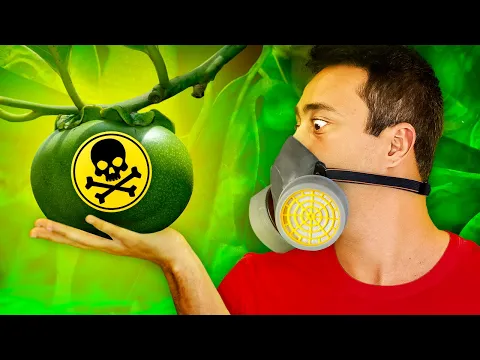
Think burning the tree solves the problem? Bad idea. When Manchineel wood burns, the smoke carries particles of the volatile toxins.
Historical Account (1779):
William Ellis, surgeon on Captain James Cook’s ship during his last voyage, wrote:
“On the fourth day, a group of men was sent to cut wood, as the island apparently had a lot of this resource; among other trees, they unfortunately cut several Manchineels. The sap getting into their eyes left them blind for several days.”
Symptoms of smoke exposure:
- Severe conjunctivitis (inflammation of the eyes)
- Keratitis (inflammation of the cornea)
- Large corneal epithelial defects
- Temporary blindness (up to 72 hours)
- In extreme cases: permanent damage to the cornea
- Severe irritation of the respiratory tract
Modern reports confirm: workers cutting Manchineel report “heavy inflammation of the eyes and even temporary blindness from irritants carried in the smoke”.
The Conquistador Who Was Killed by the Manchineel
The tree has a long history of killing people, including famous historical figures.
Juan Ponce de León (1474-1521), a Spanish conquistador who “discovered” Florida and sought the mythical Fountain of Youth, was mortally wounded during a battle with the Calusa people in 1521.
The Calusa warriors used poisoned arrows, dipped in the sap of the Manchineel.
An arrow struck Ponce de León in the thigh. He was evacuated to Cuba, but died shortly afterward due to systemic poisoning.
Historical Use as a Weapon
- Caribbean indigenous peoples (Caribs, Arawak, Taíno) used Manchineel sap to poison war arrows
- The Caribs were known to poison the water supply of enemies by throwing Manchineel leaves into wells and rivers
- Accounts of torture by tying victims to the trunk during storms
First European Description (1493)
Peter Martyr d’Anghiera, historian at the court of Isabel I of Castile, wrote that on Columbus’s second voyage to the New World (1493), the crew encountered a “mysterious tree that burned the skin and eyes of those who had contact with it.”
Columbus called the fruit manzanilla de la muerte — “little apple of death” — after several sailors fell seriously ill after eating it.
Why on Earth Does This Tree Exist?
The question everyone asks: what’s the evolutionary advantage of being so absurdly poisonous?
The short answer: we don’t really know.
Theories
Defense Against Herbivores: Extreme toxicity protects the tree from being eaten by mammals, insects, and most animals.
Problem with this theory: If the fruit is so toxic that it kills the animals that eat it, how are the seeds dispersed?
Dispersal by Iguanas (resistant to the poison): The black spiny iguana (Ctenosaura similis), also known as garrobo, is immune to the toxins of Manchineel.
- Iguanas regularly eat the fruit
- They live in the branches of the tree without suffering effects
- They disperse the seeds through their feces
This is likely a coevolutionary relationship: Manchineel evolves toxins to deter all predators except for one specific dispersal partner.
Water Dispersal: Manchineels grow in sandy beaches and brackish swamps. The fruit floats and can be carried by ocean currents to other beaches.
Chemical Defense in a Competitive Environment: Tropical beaches are extremely competitive environments for space. Toxins in the soil around the tree (released by fallen leaves and decomposing fruit) may inhibit the growth of competing plants (allelopathy).
How to Identify (and Avoid) the Death Tree
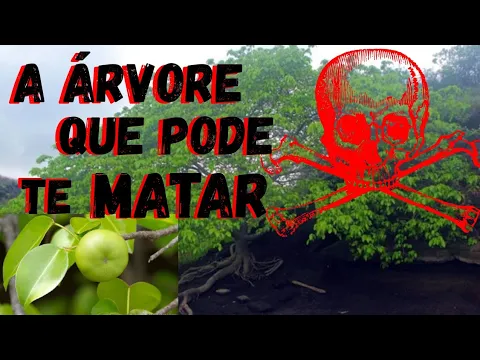
Size:
- Height: 15 meters (49 feet), occasionally up to 20 meters
- Trunk: up to 60 cm (2 feet) in diameter
- Shape: round and dense canopy
Bark:
- Color: reddish-gray
- Texture: cracked, irregular appearance
- WARNING: Exudes white milky sap when cut or damaged
Leaves:
- Shape: oval, shiny, vibrant green
- Size: 5-10 cm long
- Edge: finely serrated or toothed
- Texture: leathery, shiny upper surface
- Has a small gland where the leaf joins the stem
Flowers:
- Small, greenish-yellow
- In discreet spikes
- Not showy
Fruits:
- Shape: round, similar to a small apple
- Size: 3-5 cm in diameter
- Color: green or yellowish-green when ripe, sometimes with red spots
- Smell: sweet and pleasant (TRAP!)
- Texture: smooth, shiny
Habitat:
- Sandy beaches
- Brackish swamps (among mangroves)
- Coastal areas
- Rarely found far from the sea
Warning Systems (thank God):
In tourist areas, Manchineels are marked with:
- Red ring painted around the trunk (most common)
- Large red X painted on the trunk
- Warning signs explaining the danger
- On the island of Curaçao: specific warning signs
Geographic Location:
- Florida (USA) — especially Everglades, Keys
- All over the Caribbean (Bahamas, Jamaica, Barbados, Bequia, Turks and Caicos, etc.)
- Mexico
- Central America
- North of South America
- Galápagos Islands
Conservation Status: Ironically, in Florida, the Manchineel is a threatened species and protected by state law.
What to Do If You Are Exposed
IMPORTANT: There is no specific antidote. Treatment is symptomatic and supportive.
If the Sap Contacts the Skin:
- Wash IMMEDIATELY with plenty of running water
- Use soap or detergent to remove the oily latex
- DO NOT rub — this spreads the toxins
- Apply cold compresses
- Use calamine lotion or hydrocortisone cream
- Take antihistamine (Benadryl) for severe itching
- Seek medical attention if: large blisters, genitals affected, or serious case
- Doctor may prescribe topical corticosteroids for severe cases
If the Sap Contacts the Eyes:
- WASH YOUR EYES IMMEDIATELY with running water for 15-20 minutes
- Seek medical attention urgently
- Doctor will prescribe:
- Topical antibiotics (to prevent infection)
- Corticosteroids (for inflammation)
- Mydriatics (if there is corneal injury)
- Temporary blindness may last up to 72 hours
- Ophthalmological follow-up is essential
If You Ate the Fruit:
- SEEK MEDICAL ATTENTION IMMEDIATELY
- DO NOT induce vomiting (may worsen burns in the esophagus)
- Drink milk (may help alleviate symptoms — reported by Dr. Strickland)
- Hospital treatment may include:
- Intravenous fluids (for dehydration)
- Strong painkillers
- Systemic corticosteroids
- Cardiac monitoring (risk of bradycardia)
- Respiratory support (if swelling obstructs airways)
- Gastric protector
Retrospective Study (2019): Analysis of 97 patients treated by French Poison Control Centers showed that most cases recover with supportive treatment, but symptoms can be severe and prolonged.
If You Inhaled the Smoke:
- Get away from the smoke immediately
- Wash your eyes abundantly
- Seek medical attention
- Specialized ophthalmological treatment may be necessary
Traditional Uses (Yes, People Use This Deadly Tree)
Traditional Medicine (Not Recommended!)
Practitioners of herbal medicine in the Caribbean have historically used parts of the Manchineel to:
- Remove excess body fluids (diuretic effect)
- Treat sexually transmitted diseases (syphilis, gonorrhea)
- Try to treat elephantiasis (through extracts)
CRITICAL WARNING: These practices are extremely dangerous and lack support from modern medicine. Do not attempt to replicate.
Arrowroot Poultice (Traditional Antidote)
Arawak and Taíno indigenous peoples used arrowroot (Maranta arundinacea) poultice as a supposed antidote against Manchineel poisoning.
Real effectiveness: unknown to modern science.
Coastal Erosion Control (Legitimate Ecological Use)
Despite the danger, Manchineels play an important ecological role:
- Deep roots stabilize beaches and prevent erosion
- Create natural windbreaks protecting coastal zones from storms
- Create habitat for iguanas and some resistant seabirds
For this reason, in many locations, removing Manchineels is illegal — they are protected despite being dangerous.
The solution: clearly mark the trees and educate tourists.
The Tree That Inspired Operas, Novels, and Legends
The sinister reputation of the Manchineel has permeated popular culture for centuries.
In Literature:
“The Beckoning Hand” (1887) by Grant Allen: A Manchineel leaf is rolled into a cigarette in an attempt to poison someone.
“L’Africaine” (1865) — Opera by Giacomo Meyerbeer: The heroine Sélika dies inhaling the scent of the flowers of the Manchineel.
In Cinema:
“Wind Across the Everglades” (1958): The notorious illegal hunter Cottonmouth (played by Burl Ives) ties a victim to the trunk of a Manchineel.
A character explains: “the only tree that carves its initials into you.”
On TV:
“Death in Paradise” (Series 13, Episode 3): A person is murdered by being given small doses of the tree’s poison over time.
Accounts of Historical Travelers:
Nicholas Cresswell (1774): “The Mangeneel Apple has the smell and appearance of an English apple, but small… They are pure poison. I am told that one apple is enough to kill 20 people. This poison is of such malign nature that a single drop of rain or dew that falls from the tree onto your skin immediately raises a blister.”
The Final Numbers on the Most Dangerous Tree in the World
To wrap up with the most terrifying data about the Manchineel:
Toxicity Statistics:
- French Study (2019): 97 cases of poisoning from fruit
- 68% experienced oropharyngeal pain
- 42% experienced severe abdominal pain
- 37% suffered from severe diarrhea
- 1% developed bradycardia and hypotension (can be fatal)
Dermatological Effects:
- Sap causes irritant contact dermatitis in 100% of exposures
- Blister formation in 15 seconds to a few minutes
- Symptoms can last weeks
- Temporary blindness: up to 72 hours in duration
- Severe cases: permanent damage to the cornea
Time to Symptoms After Ingestion:
- First symptoms: minutes
- Severe symptoms: 2-4 hours
- Complete recovery: 8+ hours (mild cases) to several days (severe cases)
Toxic Comparisons:
- Manchineel contains phorbol esters — the same class of compounds found in other toxic Euphorbiaceae
- It also contains co-carcinogens and cryptic co-carcinogens
- 12-deoxy-5-hydroxyphorbol-6-gamma-7-alpha-oxide is one of the most potent irritants known
Documented Historical Victims:
- Juan Ponce de León (1521) — Spanish conquistador
- Columbus’s sailors (1493) — multiple poisoned
- James Cook’s crew (1779) — several temporarily blinded
- Hundreds of tourists annually still treated for exposure
Official Status:
- Guinness World Records (2011): Most Dangerous Tree in the World
- Florida: Threatened species (ironically protected)
- Caribbean: Marked with warnings in tourist areas
The Final Lesson: Not Every Apple is Good
The story of the Manchineel is a brutal reminder that nature is not designed for our convenience. We live in a world where:
- Plants can kill just by the rain that drips from their leaves
- Fruits that look and smell delicious are deadly traps
- Standing under a tree can land you in the hospital
The Manchineel teaches three important lessons:
Beauty Can Be Deadly: The prettiest beaches in the Caribbean, white sand, turquoise water, green trees — hide dangers that can kill. Never assume something is safe just because it looks harmless.
Respect Local Knowledge: When locals tell you to stay away from something, listen. They are not exaggerating; they know the real dangers that tourists ignore.
Nature Doesn’t Need to Make Sense: Why does a tree that kills exist by rain? Why are its fruits toxic but smell good? Evolution doesn’t care about our convenience. The Manchineel evolved its toxins for its own reasons, likely to defend against herbivores, and it won’t change just because we arrived.








-

-

-

5 pessoas reagiram a isso.