





 Português
  Inglês
  Espanhol
  4 min de leitura
  0 comentários



In A Historic Change, The List Of The Youngest Billionaires In The World Is Now Composed Entirely Of Heirs, Including The Santa Catarina Native Lívia Voigt, The Richest Young Woman In Brazil.
The list of billionaires from Forbes magazine has always been a thermometer of global economic trends. In 2025, it reveals a phenomenon that is redrawing the wealth map: for the first time in over a decade, there isn’t a single billionaire under 30 who has built their own fortune. They all inherited. At the center of this new era, Brazil stands out with 20-year-old Lívia Voigt, who, with a net worth of US$ 1.1 billion, is not only the richest young woman in Brazil but also the second youngest in the world.
The rise of a generation of heirs marks the beginning of the “Great Wealth Transfer”, a process that will pass trillions of dollars into the hands of their descendants over the coming decades. The story of these young people is not about creating new empires but about inheriting legacies built by their families in sectors ranging from pharmaceuticals to electric motors.
The Turning Point: The “Great Wealth Transfer” And The End Of Self-Made Billionaires
The 2024 Forbes billionaire list was a milestone. For the first time in 15 years, there was no billionaire under 30 who was “self-made,” meaning they hadn’t started their own business from scratch. This data marks the end of an era dominated by young tech geniuses like Mark Zuckerberg (Facebook) and Evan Spiegel (Snap), and the beginning of a new phase where inherited wealth is the protagonist.
-
The world’s first octopus farm wants to open in the Canary Islands and is already provoking an international reaction: the plan aims to produce 3,000 tons per year.

-
Drought may be creating stronger superbugs in the soil and helping antibiotic resistance reach hospitals, warns a study highlighting a problem that could grow alongside extreme weather.

-
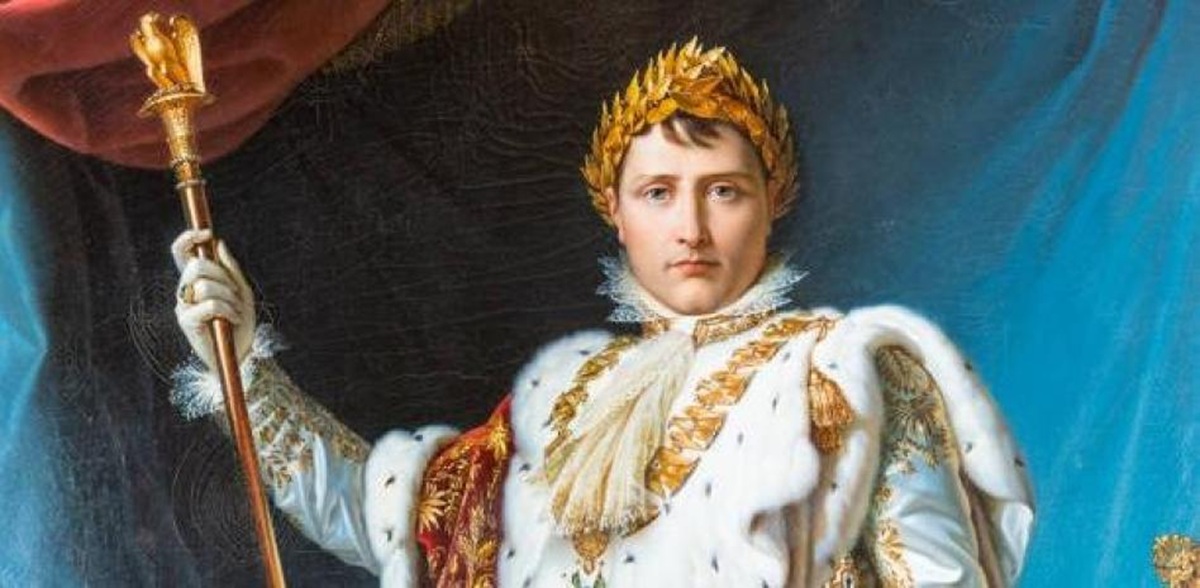
The biggest scam in history: Napoleon’s France deceived the United States by selling them a territory that was Spanish.
-
Why is the Danakil Desert so dangerous? It has unstable terrain and how extreme temperatures and toxic gases turn the region into one of the most hostile environments on Earth.


The phenomenon, known as the “Great Wealth Transfer,” reflects the natural passing of the baton. The great industrialists and entrepreneurs who built their fortunes in the 20th century are now transferring their wealth to their children and grandchildren, creating a new and very young generation of billionaires.
The 2025 Ranking: Who Are The Youngest Billionaires In The World And The Richest Young Woman In Brazil?

The race for the top of the youngest list is dynamic and has changed in recent years. According to Forbes’ 2025 list, the rankings are as follows:
1st Place: Johannes von Baumbach (19 Years, Germany): With an estimated fortune of US$ 5.4 billion, he is the youngest billionaire in the world. His wealth comes from a stake in the pharmaceutical giant Boehringer Ingelheim.
2nd Place: Lívia Voigt (20 Years, Brazil): The richest young woman in Brazil has a fortune of US$ 1.1 billion, derived from her shareholding in WEG. In 2024, she was the youngest in the world before being surpassed by von Baumbach.
Other Highlights: The list also includes the Italian Clemente Del Vecchio (21 years), heir to EssilorLuxottica, owner of Ray-Ban, and South Korean Kim Jung-youn (21 years), heir to Nexon, a giant in online gaming.
The Fortune Factories: The Companies Behind The Billions
The fortunes of these young heirs are backed by solid, long-established companies.
WEG S.A. (Brazil): Founded in 1961 in Santa Catarina by Werner Ricardo Voigt (Lívia’s grandfather, the richest young woman in Brazil), Eggon João da Silva, and Geraldo Werninghaus, WEG is the largest manufacturer of electric motors in Latin America and a global industrial powerhouse, with shares traded on the Brazilian stock exchange (WEGE3).
Boehringer Ingelheim (Germany): Founded in 1885, it is the largest privately held pharmaceutical company in the world. Family control and discretion have allowed the transfer of a vast fortune to the von Baumbach family.
EssilorLuxottica (Italy): The eyewear empire created by Leonardo Del Vecchio, which includes brands like Ray-Ban and Oakley, is the source of wealth for its heirs.
Nexon (South Korea/Japan): Founded in 1994 by Kim Jung-ju, it is one of the pioneers and largest online gaming companies in the world.
The Architecture Of Inheritance: How Taxes In Each Country Shape The Fortunes

The way wealth is transferred directly depends on each country’s laws. Germany and Italy have favorable rules for the inheritance of family businesses, which has helped to preserve almost entirely the fortunes of von Baumbach and Del Vecchio.
Brazil has the ITCMD, a state tax that, starting in 2025, became progressive across the country. Meanwhile, South Korea has one of the highest inheritance taxes in the world, with rates reaching up to 60%. This has forced the Kim family, owners of Nexon, to cede nearly 30% of their holding to the government as a form of payment.
The Future Of Wealth: The New Profile Of Heirs And The Debate About Inequality
A striking characteristic of this new generation of billionaires is their distance from business management. Lívia Voigt, for instance, is studying psychology and does not hold a position at WEG. The same goes for the other young people on the list. They are “heir-shareholders,” not “heir-successors.”
The rise of a generation of billionaires who inherited, not created, their fortune also fuels the global debate on inequality, privilege, and meritocracy. The focus of public discussion shifts from celebrating entrepreneurship to questioning the fairness of a system that allows for the concentration of such wealth through inheritance.









-

-

-

-

15 pessoas reagiram a isso.