





 Portuguese
  English
  Spanish
  4 min of reading
  0 comments


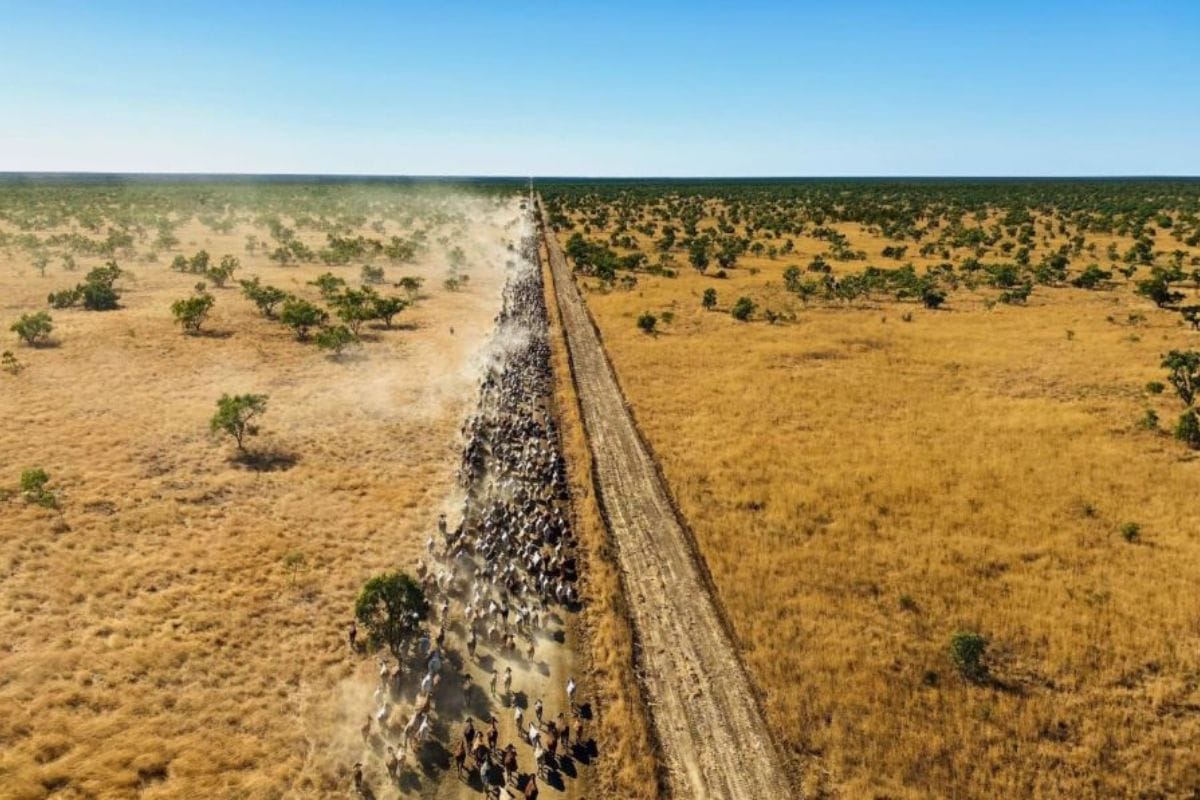
Explore Anna Creek Station, the Largest Cattle Station in the World, Covering 23,677 km² in Australia, and the Incredible Logistical Challenges Faced in the Heart of the Arid Outback.
Anna Creek Station, located in South Australia, holds the title of Largest Cattle Station in the World. With a colossal area of 23,677 km², surpassing the size of nations like Israel, this property faces extreme logistical and environmental challenges in the inhospitable Australian Outback. Its operation is a testament to human adaptation to hostile environments.
This article details the history, the operational scale, the obstacles, and the innovations that define Anna Creek Station, an icon of large-scale pastoralism.
Anna Creek Station: The Giant of the Outback
The Anna Creek Station is the largest operating cattle station in the world. Its vast expanse of 23,677 square kilometers is located in an arid pastoral region of South Australia, characterized by gibber plains, sand dunes, and low annual rainfall, about 20 cm. This immensity defines its operational environment, allowing for extensive grazing but creating unparalleled logistical complexities. The arid nature requires this vastness to sustain a viable herd, making Anna Creek a global benchmark for agricultural operations in extreme environments.
-
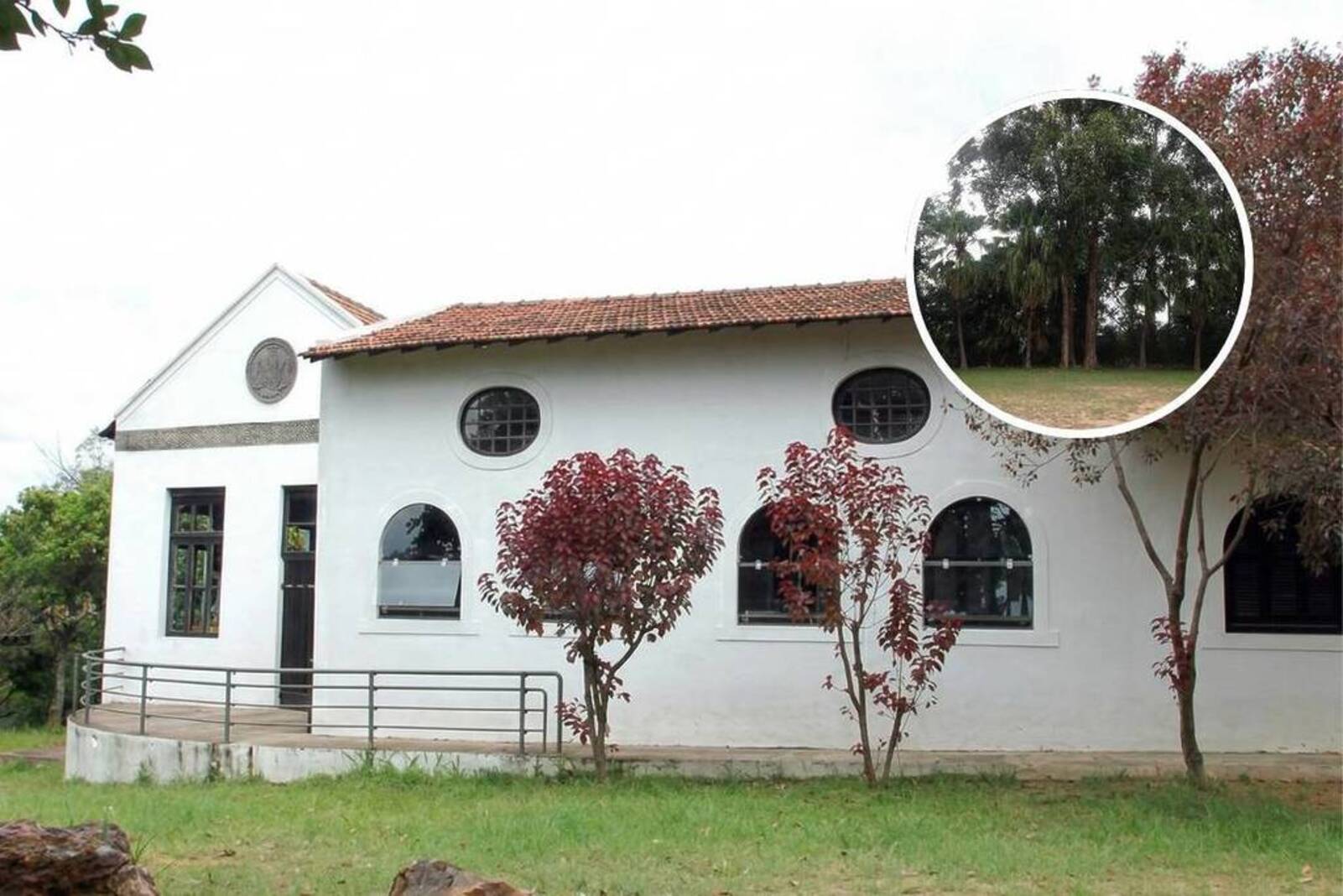
After 14 years of waiting, a rammed earth mansion built in 1702 in the North Zone of São Paulo will become a park with leisure facilities and green areas, with a million-dollar investment.
-
With 2 unfinished nuclear reactors, up to 25 billion in costs, and proven fraud, the Nukegate case has left 800,000 consumers still paying today for energy that will never be produced.

-
The household appliance that consumes the most energy in Brazilian homes is not the air conditioner; it is located in the smallest room of the house, is used daily, and can account for up to 25% of the electricity bill, while an alternative in the same outlet can reduce this cost by up to 75%.

-
Son of a seamstress from the rural area of Ceará who did not speak English wins a scholarship of over 2 million reais at Williams College, one of the top 10 universities in the United States, covering everything including dormitory, meals, and annual trips to Brazil.


From Sheep to Cattle Empire: A Brief History of the Station


Originally established in 1863 for sheep farming, Anna Creek Station shifted its focus to cattle around 1872. This change was driven by significant losses due to dingo attacks (Australian wild dogs), to which cattle are more resistant. The property became part of Sir Sidney Kidman’s empire, S. Kidman & Co., in 1935, serving as a pillar for strategic cattle movement and drought management.
In 2016, Williams Cattle Company, a family-owned business in South Australia, acquired Anna Creek Station. This sale kept the property in Australian hands, an important consideration due to its location within the Woomera Prohibited Area, a sensitive military zone.
Managing the Vastness: Current Operations at the Largest Cattle Station in the World
Currently, Anna Creek Station primarily raises Santa Gertrudis cattle, a breed known for its adaptability to hot and dry climates. The number of cattle varies dramatically with seasonal conditions, ranging from 1,500 in severe droughts to about 17,000 in good seasons. The station operates with a small central team, usually consisting of 8 to 11 staff, including a manager, stockmen, machinery operator, and cook. The management philosophy prioritizes efficiency and adaptability, reflecting the limited carrying capacity of the arid environment.
The Tyranny of Distance: Facing Extreme Logistical Challenges
The deep isolation of Anna Creek Station imposes severe logistical challenges. The nearest township, William Creek, is tiny, and Coober Pedy, hundreds of kilometers away, serves as a hub for freight and services. This demands self-sufficiency and inflates input costs. Transporting cattle and supplies over immense distances and often unpaved roads, such as the Oodnadatta Track, is a monumental task.
Water is the most critical limiting resource, with the station relying on artesian wells and periodic flooding. Communication infrastructure has evolved from telegraph to satellite, but cell coverage is nonexistent at the station. The station itself functions as a small autonomous village, providing its own energy, water, and maintaining vast infrastructure.
Innovation and Sustainability as a Response to Outback Challenges
To overcome the limitations of scale and labor, Anna Creek Station adopts advanced technologies. Cattle mustering utilizes light aircraft, motorcycles, and increasingly, drones, which have reduced task time by 50% and saved over AUD 100,000 annually. Tracking via Radio Frequency Identification (RFID) and remote water monitoring via iPads are common practices.
Sustainable land management is essential. The station employs extensive and rotational grazing and has organic certification, with cattle grazing on native vegetation. Water points are strategically positioned to encourage uniform grazing. The transition to solar energy is remarkable, with a 49 kW system installed, reducing reliance on diesel and increasing energy security. The ability to drastically adjust cattle stocking rates demonstrates the farm’s climate resilience.
Life in the Extreme and the Future of the Largest Cattle Station in the World


The small team at Anna Creek Station performs a variety of tasks, from working with cattle to maintaining machinery, in conditions that can be severe, with extreme temperatures. Life on-site demands versatility, resilience, and a strong sense of community to mitigate isolation. Amenities such as air conditioning, Wi-Fi, and socialization opportunities are important for the team’s well-being.
Anna Creek Station is more than the Largest Cattle Station in the World; it is a microcosm of adaptation. In the face of climate change, its capacity to innovate in efficient resource use, technology, and sustainable management offers valuable lessons for agriculture in arid regions globally.






-

-

2 pessoas reagiram a isso.