





 Portuguese
  English
  Spanish
 5 min of reading
  4 comments


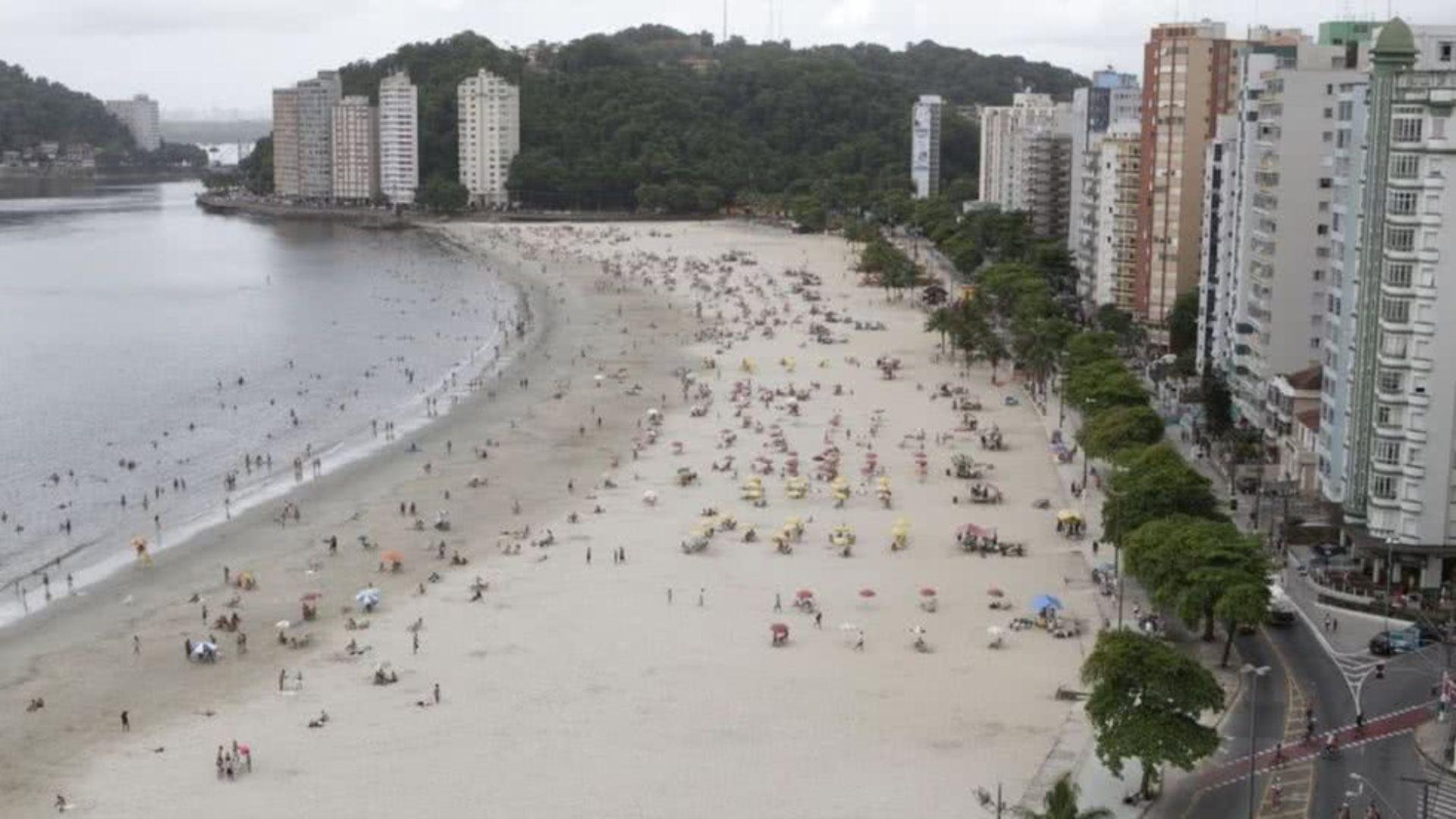


Beach Marked by Strong Tourist Appeal Coexists with Extreme Nearly Permanent Water Contamination Levels.
Perequê Beach, in Guarujá, maintains the landscape of a caiçara village, kiosks, and fishing boats, but today ranks among the areas with the worst water quality on the São Paulo coast.
According to Cetesb’s annual classification for 2024, of the 52 samples taken throughout the year, only one registered acceptable bathing conditions, which led the agency to designate the stretch as the most polluted beach on the São Paulo coast during that period.
Even so, the strip of sand measuring approximately 2.4 kilometers continues to attract tourists and locals seeking fish and seafood cuisine, walkways, and strolls along the shore.
-
The Argentine government celebrates the lowest poverty rate in 7 years, but experts warn that the methodology has changed, real wages have fallen, unemployment has risen, and the number of people on the streets of Buenos Aires has increased by 57% since Milei took office.

-
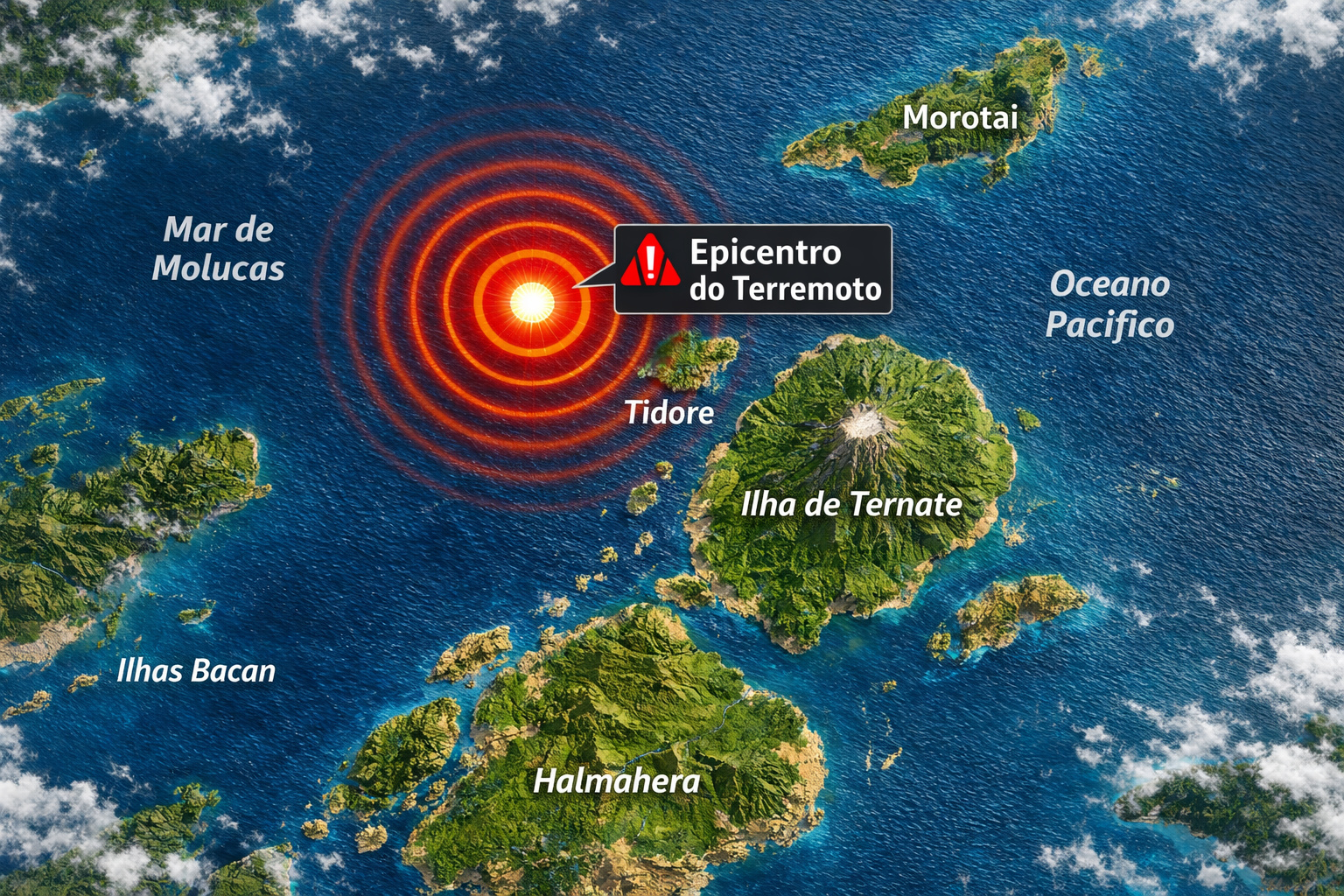
7.8 magnitude earthquake in Indonesia frightens the population, triggers tsunami alert, and hits an island with over 200,000 inhabitants this Thursday.
-
Google will finally let you change that embarrassing Gmail address you created in your teenage years without losing any accounts, logins, or old emails: the feature is already available in the United States.

-
Heading to Brazil in a Bonanza F33 single-engine aircraft: a couple departs from Florida on a visual flight, makes technical stops in the Caribbean to refuel and organize paperwork, and begins the staged crossing until they reach the country.

The scene of families setting up beach umbrellas and children playing near the water, however, contrasts with the “unsafe” classification that predominated almost all year long in 2024 in the bathing reports.
Pollution at Perequê Beach and Its Causes

The contamination is mainly linked to a history of insufficient basic sanitation in the Perequê neighborhood and surrounding areas.
For years, many properties did not have proper connections to the sewage network, which favored the disposal of domestic sewage into streams and rivers that drain into the sea.
Studies on the environmental quality of Guarujá’s beaches had already indicated Perequê as one of the most sensitive points for the discharge of sewage and other pollutants.
In recent years, Sabesp and the city hall have begun to expand sewage collection and treatment infrastructure in the region, with new networks, pumping stations, and systems aimed at serving thousands of residents of the Perequê and Jardim Umuarama neighborhoods.
Some of these works have already been completed, while others are still being implemented, with the declared goal of improving the beach’s bathing conditions and the quality of water in the Rio do Peixe, which drains into the shore.
The geography itself contributes to the problem.
The Rio do Peixe serves as a drainage channel for everything that comes from the watershed — including irregular sewage and garbage — directly into the sea.
On days of adverse tides and winds, the water circulation in the cove is limited, which facilitates the accumulation of pollutants along the coastline.
Technical reports and local organizations highlight the impact of this combination of infrastructure deficiencies and natural characteristics on the bathing conditions at Perequê.
Additionally, the intense flow of visitors, especially during the summer high season, increases the generation of solid waste on the beach.
When disposal does not follow appropriate standards, part of this material ends up in the rivers and the marine water itself, further aggravating the environmental degradation situation.
How Cetesb Classifies the Beach and What the Risks Are
Cetesb monitors the water quality of São Paulo’s beaches with weekly collections.

The main parameter used to classify whether an area is “safe” or “unsafe” for bathing is the presence of fecal-origin bacteria, such as enterococci, in concentrations above the limits defined by standards.
When the majority of samples show elevated values, the beach receives an unfavorable classification.
In the case of Perequê, the annual report for 2024 shows an extreme scenario.
In practically all weeks of the year, contamination levels exceeded the safety standard, with only one record of an adequate bathing condition.
This established the beach’s image as one of the most critical in the state coastline in terms of water pollution.
When a beach is considered unsafe, the guidance from environmental agencies is clear: avoid entering the sea, especially in areas marked with red flags or warning signs.
Accidental ingestion of contaminated water, as well as prolonged contact with skin, can cause intestinal infections, skin problems, and ear infections, especially in children, the elderly, and people with compromised immunity.
Tourism in Guarujá and the Contrast with Environmental Degradation
Guarujá is located on Santo Amaro Island and is known as the “Pearl of the Atlantic”, a label that reinforces the importance of tourism to the local economy.
The municipality, which has about 295,000 inhabitants according to IBGE estimates for 2025, combines urbanized beaches, areas of Atlantic Forest, trails, and service infrastructure that attract visitors of different profiles.
During the high season, especially between Christmas and New Year, the city prepares to welcome more than 1.5 million tourists, according to recent projections from the city hall and tourism agencies.
This flow boosts hotels, restaurants, commerce, and services, as well as generating temporary jobs.
Within this scenario, Perequê Beach plays a significant role by combining seafood cuisine, artisanal fishing, and a landscape still marked by caiçara culture.
The presence of beach shacks, seaside restaurants, and direct sales of fresh fish continues to attract the public even with warnings about bathing conditions.
The contrast between the activity on the sand and the recommendations to avoid bathing illustrates the difficulty of reconciling traditional tourism with the limitations imposed by pollution.
This contradiction appears in other parts of the Baixada Santista, but becomes more evident at Perequê due to the frequency with which the beach receives an unsafe classification.
While much of the local economy depends on the sea and the image of a summer destination, the persistence of sanitation and environmental management problems pressures public authorities and service companies to increase investments.

Sanitation Works and Monitoring of Bathing Conditions
To address the situation, Guarujá and Sabesp have been announcing specific actions aimed at the Perequê neighborhood, with goals to increase the percentage of the population served by the sewage network and reduce the discharge of waste into watercourses.
Recent projects include the implementation of dozens of kilometers of collector networks, pumping stations, and improvements in treatment systems, focusing on the Rio do Peixe basin.
Civil society organizations demand that deadlines and targets be met and advocate for an end to the discharge of untreated sewage into the rivers that flow into the beach.
For these groups, there will only be lasting recovery of bathing conditions when collection and treatment are effective throughout the area of influence of Perequê.
While recovery is not consolidated, experts emphasize the need for residents and tourists to monitor the weekly bathing reports before deciding to enter the sea.
They also advise avoiding bathing near river and canal outlets, especially after heavy rains when pollution loads tend to increase.
The Perequê case serves as a broader warning.
Even in established tourist cities, the combination of accelerated urban occupation, insufficient sanitation, and lack of environmental education can compromise the recreational use of beaches.
How far are visitors to Guarujá willing to consider water quality when choosing where to spend their beach day?








Cadê as fonte das informações?
Usar a foto da praia de uma cidade pra falar de outra é sacanagem
Uma manchete degradante de uma praia no Guarujá e colocam a foto da praia do Gonzaguinha em São Vicente, no mínimo uma demonstração de incompetência. Espera-se no mínimo, uma retratação.