





 Portuguese
  English
  Spanish
  5 min of reading
  0 comments


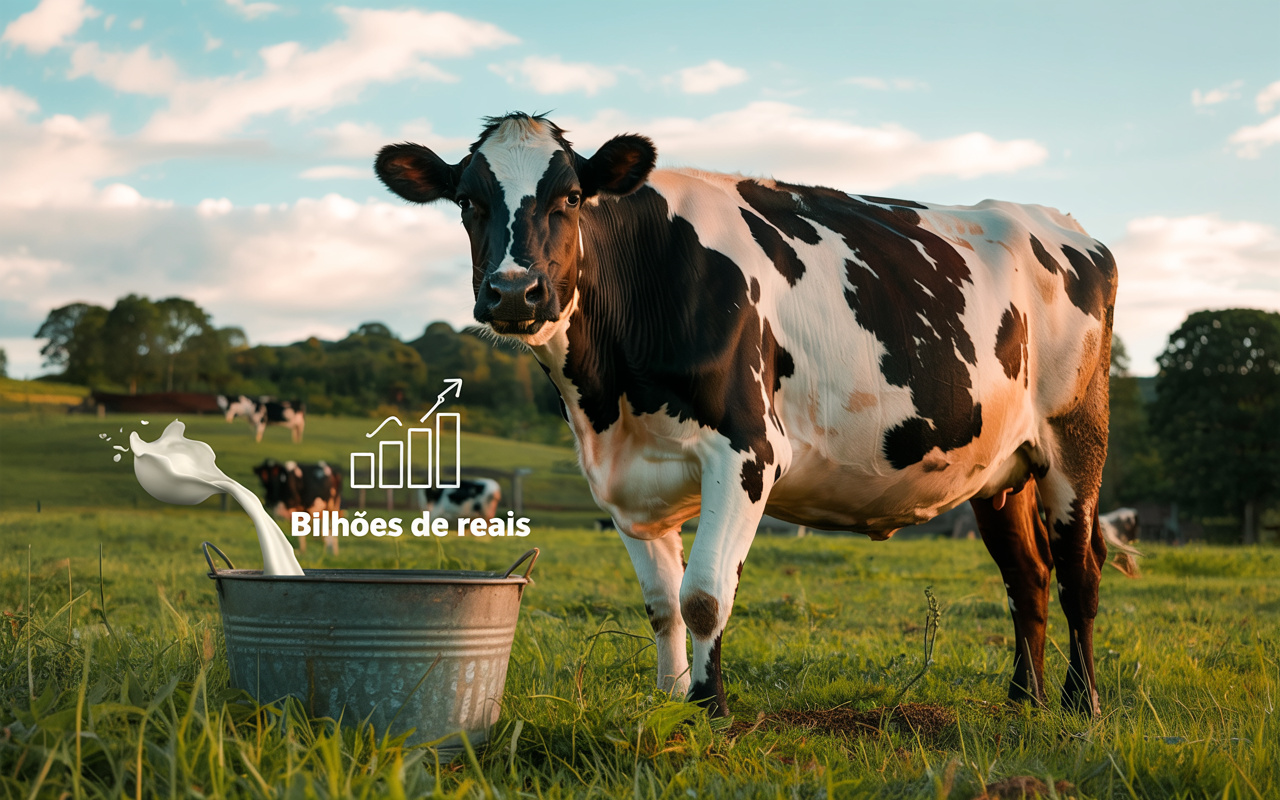
Girolando, The Breed That Sustains 80% Of All Milk Produced In Brazil. Learn How Its Hardiness And Productivity Drive The Rural Economy And Ensure Quality Milk Across The Country
The Girolando, the result of the crossbreeding between the Gir and Holstein breeds, is today the pillar of Brazilian milk production. Responsible for 80% of all milk produced in Brazil, this breed stands out for combining high productivity, hardiness, and adaptation to the tropical climate. Despite its essential role in the rural economy, many producers and consumers are still unaware of its name and importance.
In this article, we will detail the history, physical characteristics, productivity, genetic improvement programs, and the economic impact of the Girolando breed, showing why it is indispensable for the Brazilian agricultural sector.
What Is The Girolando And Its Importance In Milk Production In Brazil
The Girolando is the planned crossbreeding of two breeds with complementary characteristics: the Gir cow, originating from India, known for its hardiness and resistance to hot climates, and the Holstein cow, internationally recognized for its high milk production.
-
The sugar-energy sector advances with agricultural technology, but agricultural productivity still raises concerns.

-
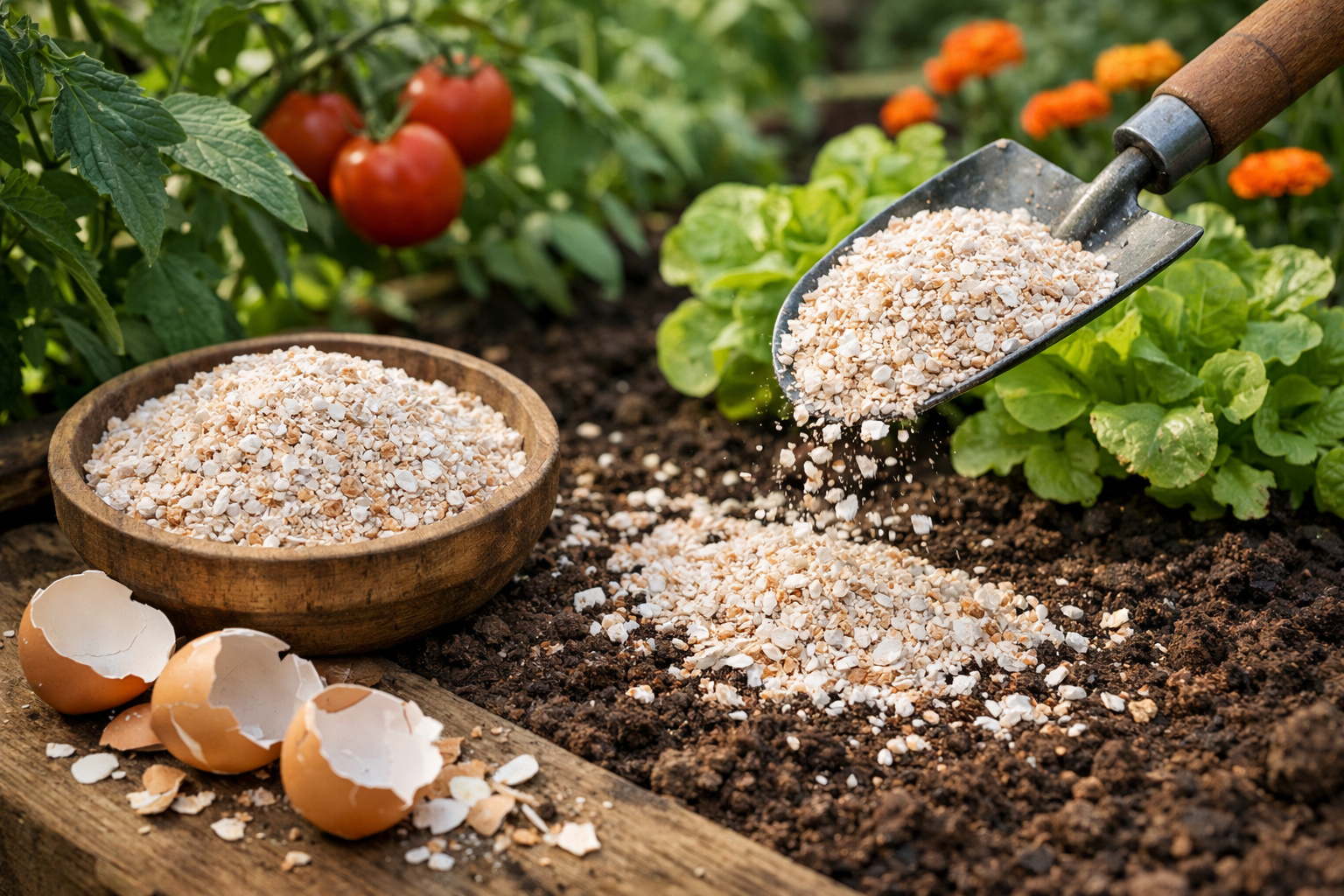
The eggshell that almost everyone throws away is made up of about 95% calcium carbonate and can help enrich the soil when crushed, slowly releasing nutrients and being reused in home gardens and vegetable patches.
-
This farm in the United States does not use sunlight, does not use soil, and produces 500 times more food per square meter than traditional agriculture: the secret lies in 42,000 LEDs, hydroponics, and a system that recycles even the heat from the lamps.

-
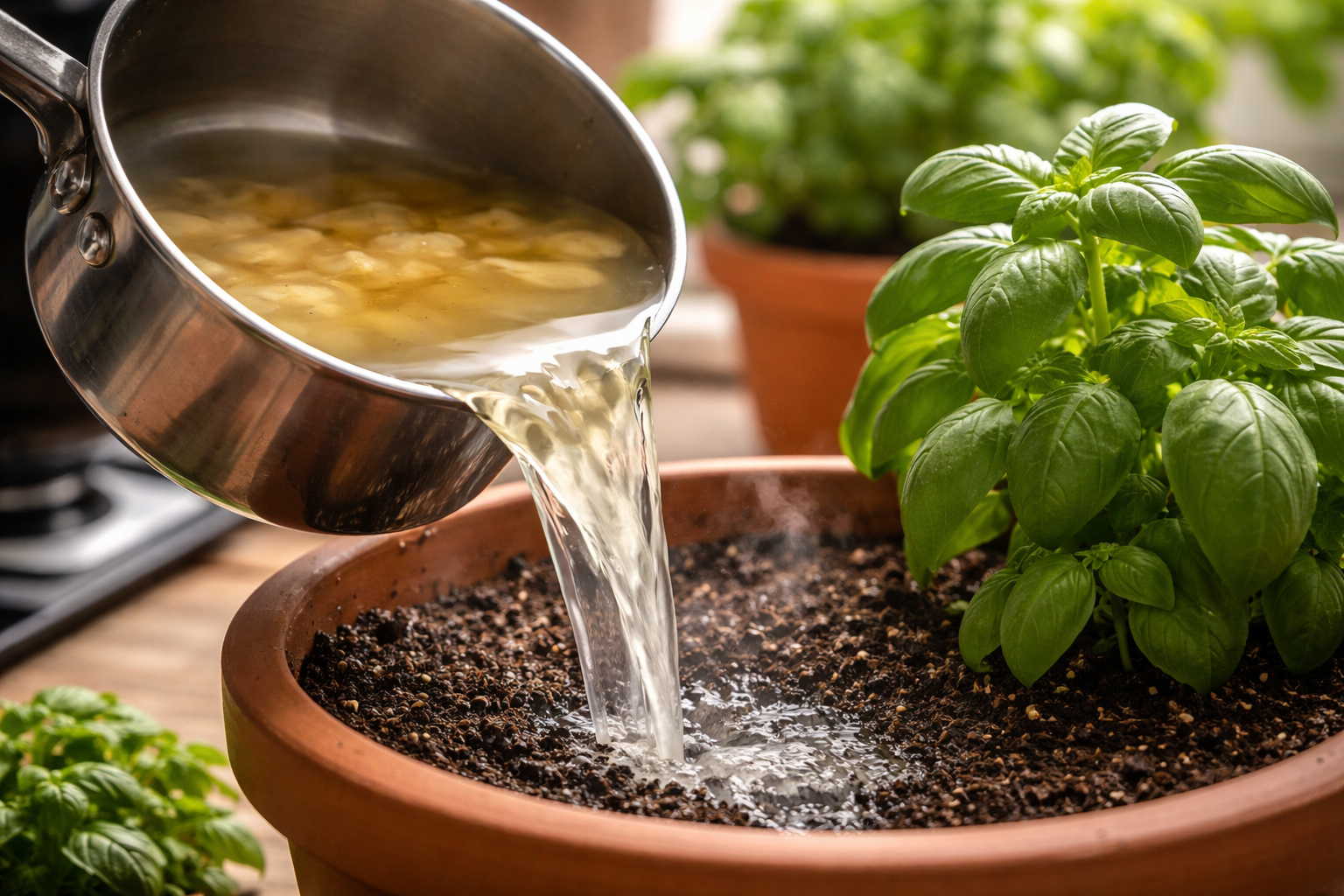
The water that almost everyone throws away after cooking potatoes carries nutrients released during the preparation and can be reused to help in the development of plants when used correctly at the base of gardens and pots, at no additional cost and without changing the routine.



The goal was to create a breed adapted to the Brazilian tropical climate, but capable of producing milk on a large scale. The result was the Girolando breed, formalized in 1996, which quickly became predominant in dairy farms across the country, especially in Minas Gerais, Paraná, São Paulo, and the Northeast.
Pioneering programs like PROCRUZA, initiated in 1978, were fundamental in selecting the best animals, ensuring the productivity and hardiness that characterize the breed that sustains 80% of all milk produced in Brazil. This strategy made Girolando a true engine of the rural economy.
Physical Characteristics Of The Girolando That Ensure High Production
The Girolando possesses physical characteristics that favor productivity and adaptation to the climate:
- Spotted Coat: generally black-and-white, inherited from the Holstein, facilitating identification.
- Wide, Drooping Ears: inherited from the Gir, which help dissipate heat.
- Voluminous Udder: ensures a high capacity for milk production.
- Resistance To Tropical Diseases: reduces costs with animal health and increases productive longevity.
These characteristics make the Girolando ideal for producers seeking efficiency, sustainability, and high profitability, even in regions with hot and humid climates.
The Economic Importance Of The Girolando Breed In Milk Production In Brazil
The Girolando is more than just a dairy breed: it is strategic for the Brazilian rural economy. Data from IBGE indicates that milk production represents approximately 1.5% of the agricultural GDP, generating billions of reais per year.
Its high productivity allows small, medium, and large producers to maintain competitiveness in the market. Additionally, the breed’s hardiness reduces costs with health management and feeding, generating greater profitability and economic security.
The Girolando breed sustains the entire milk production chain, from production on farms to processing in dairies, transportation, and marketing, reinforcing its strategic importance for the national agricultural sector.
How The Girolando Breed Sustains 80% Of All Milk Produced In Brazil?
The Girolando is responsible for 80% of all milk produced in Brazil, according to data from Embrapa and IBGE. Its predominance in production occurs due to:
- High Volume: some females can produce up to 25 liters per day under ideal conditions.
- Milk Quality: high fat and protein content, essential for cheese and derivatives.
- Consistency: maintains good production even during dry or intense heat periods.
Regions like Minas Gerais, Paraná, and São Paulo account for a large part of the production, but the breed is widespread throughout the national territory. The Girolando ensures continuous supply, food security, and job generation throughout the milk chain.
Genetic Improvement Programs For The Girolando Breed To Increase Production
The success of the Girolando is directly linked to genetic improvement programs, such as PROCRUZA. Among the main objectives of these programs are:
- Increase Milk Production: higher volume and better quality.
- Adaptation To The Tropical Climate: resistance to high temperatures and parasites.
- Reproductive Efficiency: improvement of fertility and longevity.
Today, modern technologies such as artificial insemination, assisted genetic selection, and strategic crossbreeding ensure that the Girolando breed continues to lead national milk production.
Sustainability And Adaptation Of The Girolando To The Tropical Climate
One of the greatest advantages of the Girolando is its adaptation to the tropical climate, which reduces mortality and improves feeding efficiency. Unlike pure European breeds that struggle with heat and parasites, the Girolando maintains high productivity even in adverse conditions.
In addition, the breed allows for sustainable management practices, such as rotational grazing and integrated crop-livestock systems, contributing to environmental preservation and optimization of natural resources. Thus, the Girolando unites productivity, profitability, and sustainability.
Challenges Of Production And Future Prospects Of The Girolando Breed
Despite the advancements, production with Girolando faces challenges:
- Balanced Nutrition: essential to maintain productivity and health of the animals.
- Sanitary Control: diseases like mastitis require constant monitoring.
- Market Pressure: consumers demand high-quality milk, pressuring producers to invest in genetics and technology.
However, the prospects are positive. Research indicates that continuous investments in genetic improvement and modern management can further enhance the efficiency of the Girolando breed, consolidating Brazil as one of the largest milk producers in the world.
The Social And Regional Impact Of The Girolando Breed In Milk Production In Brazil
Besides its economic value, the Girolando plays an important social role in milk-producing regions. The breed allows small and medium producers to maintain stable income, ensuring support for rural families and strengthening local communities. Municipalities and entire regions depend on milk production to generate jobs, boost local commerce, and fund basic services.
With high productivity and adaptability, the Girolando breed enables diversification of agricultural activities, encourages producers’ cooperatives, and contributes to sustainable development, consolidating its central role not only in the economy but also in the quality of life of Brazilian rural populations.
The Girolando is much more than just a simple dairy breed: it is a strategic asset for the Brazilian rural economy. It generates billions in financial movement, sustains thousands of jobs, and strengthens the entire milk production chain.
Investing in the Girolando breed means betting on efficient, sustainable, and economically relevant production. Its combination of productivity, hardiness, and adaptation to the tropical climate ensures security and profitability, consolidating Brazil as a global leader in milk production. The Girolando is, therefore, the ideal choice for any producer seeking solid and lasting results in the agricultural sector.









-

-

-

-

-

11 pessoas reagiram a isso.