





 Português
  Inglês
  Espanhol
  7 min de leitura
  0 comentários


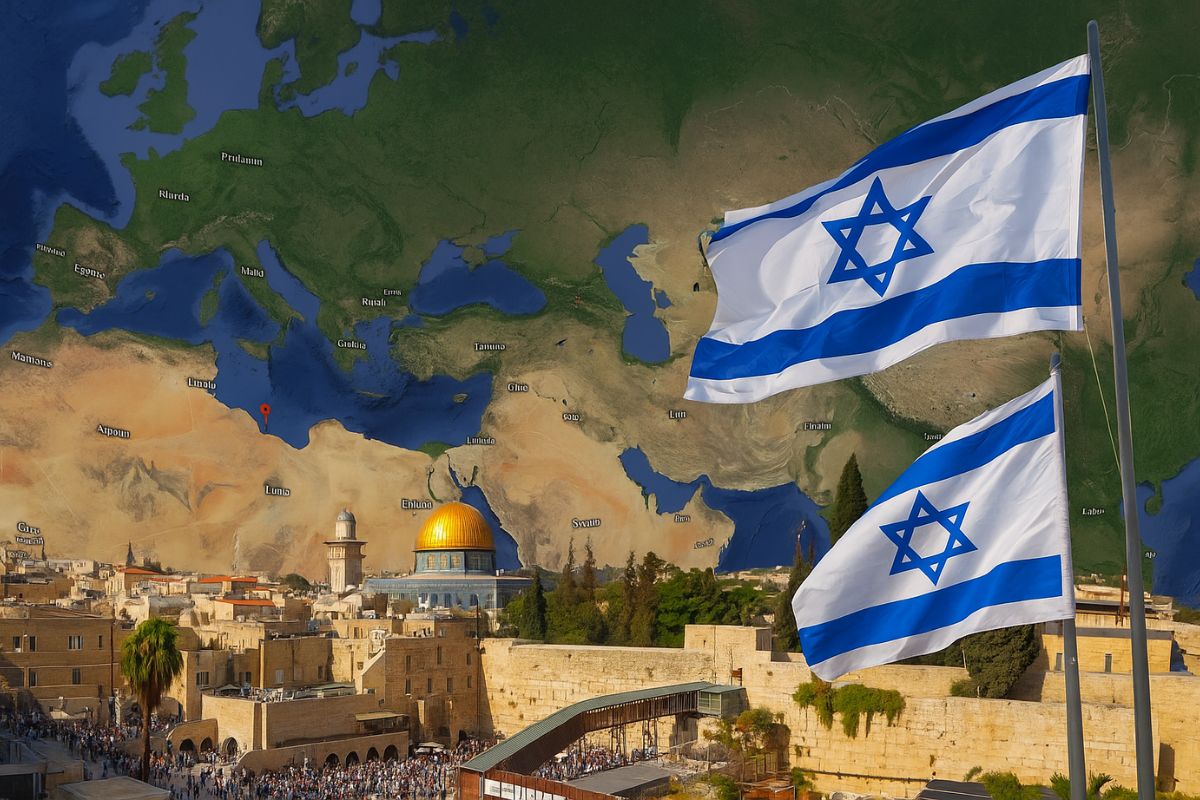
A Journey Of Three Millennia That Begins With Tribes In Canaan Around 1200 B.C., Passes Through Kingdoms, Empires, And The Diaspora, Until The Founding Of The State Of Israel In 1948 And The Beginning Of The Conflict With The Palestinians.
The True History Of The People Of Israel Is One Of The Most Complex And Longest In Humanity, Spanning Over 3,000 Years. It Begins In Antiquity, Not With A Foreign Invasion As Narrated In The Bible, But With The Emergence Of A People With Their Own Identity From The Populations Already Living In The Land Of Canaan. This History Is Marked By Kingdoms, Exiles, Domination By Great Empires, And A Faith That Reinvented Itself To Survive.
From The Emergence Of Rabbinic Judaism After The Destruction Of The Second Temple In 70 A.D. To The Dispersion Around The World (Diaspora), The Connection To The Ancestral Land Was Maintained. In The 19th Century, The Rise Of Anti-Semitism In Europe Gave Birth To Zionism, A Political Movement That Culminated In The Creation Of The State Of Israel In 1948, An Event That Initiated The Conflict With The Palestinians And Continues To Shape The Region Today.
The Origins In 1200 B.C.: How Archaeology Changed The True History Of The People Of Israel
For A Long Time, The History Of Israel’s Origins Was Told From The Biblical Narrative Of A Military Conquest Led By Joshua. However, Modern Archaeology Reveals A Different Scenario. The Consensus Among Historians Today Is That The Israelites Primarily Emerged From Within The Canaanite Population That Already Inhabited The Region.
-
The world’s first octopus farm wants to open in the Canary Islands and is already provoking an international reaction: the plan aims to produce 3,000 tons per year.

-
Drought may be creating stronger superbugs in the soil and helping antibiotic resistance reach hospitals, warns a study highlighting a problem that could grow alongside extreme weather.

-
The biggest scam in history: Napoleon’s France deceived the United States by selling them a territory that was Spanish.

-
Why is the Danakil Desert so dangerous? It has unstable terrain and how extreme temperatures and toxic gases turn the region into one of the most hostile environments on Earth.


This Conclusion Is Based On Various Pieces Of Evidence. Around 1200 B.C., Hundreds Of New Small Villages Emerged In The Highlands Of Canaan, An Area That Was Previously Sparsely Populated. The Material Culture Found At These Sites, Such As Pottery And Tools, Shows A Continuity With Canaanite Culture, And Not A Break.
One Of The Most Important Discoveries Is The Almost Total Absence Of Pig Bones In These Settlements, A Distinct Dietary Practice That Aligned With Future Jewish Laws And Set Them Apart From Their Neighbors. The Oldest Evidence Outside The Bible Is The Merneptah Stele, An Egyptian Inscription From 1208 B.C. That Mentions “Israel” As A People Or Tribal Group In Canaan, Confirming Their Presence In The Region.
The Kingdoms Of The Iron Age: What The House Of David And The Fall Of Jerusalem In 586 B.C. Reveal
During The Iron Age, The Israelites Organized Themselves Into Monarchies. The Famous “United Monarchy” Of Kings Saul, David, And Solomon Is Still Hotly Debated, But The Existence Of Later Kingdoms Is A Historically Proven Fact Based On External Sources.
After The Division, Two Kingdoms Emerged: Israel, To The North, And Judah, To The South. The Northern Kingdom, With Its Capital In Samaria, Was The Most Prosperous And Powerful. King Ahab Is Mentioned In An Assyrian Inscription From 853 B.C. As The Leader Of A Large Military Force. This Kingdom, However, Was Destroyed By The Assyrians Around 720 B.C.
The Southern Kingdom, Judah, With Its Capital In Jerusalem, Survived Longer, Governed By The Dynasty That Originated From David. The Existence Of This Dynasty Was Confirmed In 1993 With The Discovery Of The Tel Dan Stele, A Stone From 840 B.C. That Mentions The “House Of David”. The End Of Judah Came In 586 B.C., When The Babylonian King Nebuchadnezzar II Conquered Jerusalem, Destroyed Solomon’s Temple, And Exiled The Elite Of The Kingdom To Babylon.
The Destruction Of The Second Temple In 70 A.D. And The Reinvention Of Faith
The Fall Of Jerusalem In 586 B.C. Marked The Beginning Of A Long Period Of Foreign Domination. First, Under The Persians, Who From 539 B.C. Allowed The Jews Exiled In Babylon To Return And Rebuild Their Temple In Jerusalem, Inaugurating The Period Of The Second Temple Around 516 B.C.
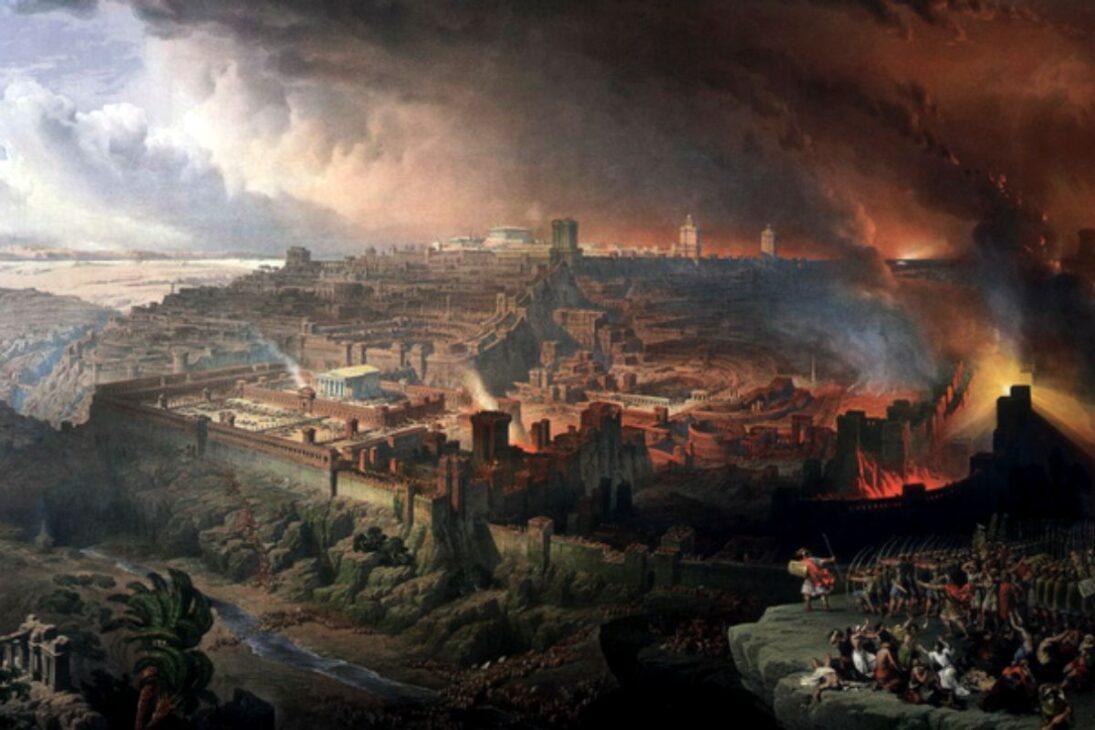
Later, The Region Fell Under Greek And Finally Roman Domination From 63 B.C. Roman Oppression Led To Two Major Revolts. The First One (66-73 A.D.) Culminated In The Destruction Of The Second Temple In 70 A.D. By The Legions Of General Titus.
This Event Was A Turning Point. Without The Temple, Judaism Reinvented Itself, Transitioning From A Religion Based On Sacrifices To A Faith Focused On Law, Prayer, And Study, Giving Rise To Rabbinic Judaism. The Second Major Revolt, Led By Bar Kokhba (132-136 A.D.), Was Crushed With Extreme Violence And Resulted In The Prohibition Of Jews From Entering Jerusalem.
The Diaspora And Zionism: How Persecution In Europe Led To The Return Movement In The 19th Century
After The Defeat To The Romans, Most Of The Jewish People Came To Live Outside Their Ancestral Land, In The So-Called Diaspora. Communities Formed All Over The World, Such As Ashkenazi Jews In Europe And Sephardic Jews In The Iberian Peninsula And North Africa.
Life In The Diaspora Was Marked By Periods Of Tolerance But Also By Violent Persecutions, Such As The Massacres During The Crusades (Starting In 1096) And The Expulsions From England (1290) And Spain (1492).
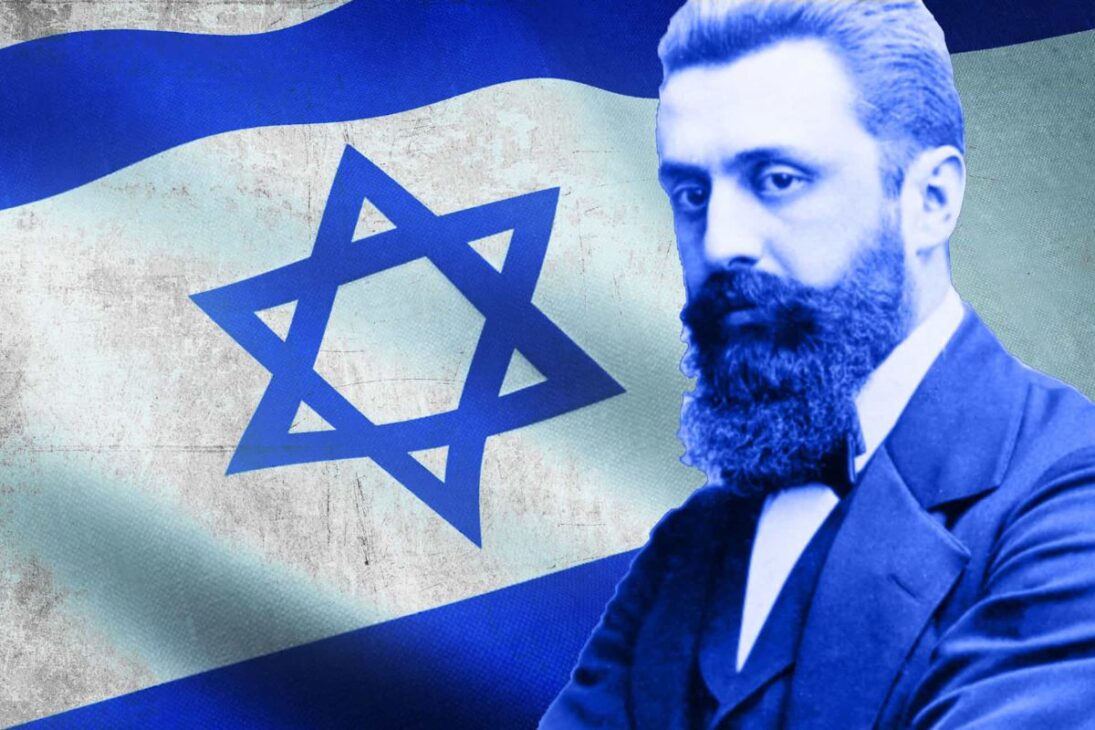
By The End Of The 19th Century, The Rise Of Modern Anti-Semitism And The Violent Pogroms In Russia Convicted Many Jews That The Only Solution To Persecution Was To Have Their Own Country. Thus, Zionism Was Born, A Political Movement Led By Theodor Herzl. In 1897, The First Zionist Congress In Switzerland Established The Goal Of Creating A Home For The Jewish People In Palestine.
1948, The Turning Point: The War That Marks The Beginning Of The True History Of The People Of Israel As A Nation
After World War I, Palestine Came Under British Control, Which In 1917, With The Balfour Declaration, Supported The Creation Of A “National Home For The Jewish People.” This Intensified Jewish Immigration And Tension With The Local Arab Population. Unable To Resolve The Conflict, Britain Turned The Issue Over To The Newly Created UN.
On November 29, 1947, The UN Approved The Plan To Partition Palestine Into Two States, One Arab And One Jewish. The Plan Was Accepted By Jewish Leadership But Rejected By The Arabs, Which Initiated A Civil War. On May 14, 1948, With The End Of The British Mandate, David Ben-Gurion Declared The Independence Of The State Of Israel.
The Next Day, Five Arab Nations Invaded The Territory, Starting The War Of Independence. The War Ended In 1949 With The Victory Of Israel. For The Palestinians, This Period Is Known As The Nakba (“Catastrophe”), As Over 700,000 Palestinian Arabs Fled Or Were Expelled From Their Homes, Giving Rise To The Refugee Problem That Persists Today And Is At The Center Of The True History Of The People Of Israel And The Modern Conflict.
The Modern Era: The Wars, The Agreements, And The Ongoing Conflict

The Creation Of The State Of Israel In 1948 Marked The Beginning Of A New Phase, Characterized By A Series Of Wars, Peace Attempts, And A Conflict With The Palestinians That Extends To The Present Day.
Wars And Territorial Expansion (1967 And 1973): In June 1967, The Six-Day War Occurred. In A Quick Victory Against Egypt, Syria, And Jordan, Israel Conquered The Sinai Peninsula, The Gaza Strip, The West Bank, Eastern Jerusalem, And The Golan Heights, Drastically Expanding Its Territory.
In October 1973, Egypt And Syria Launched A Surprise Attack During The Yom Kippur Holiday To Retake Their Territories. Israel Managed To Repel The Offensive, Maintaining Control Over The Areas Captured In 1967.
Peace Attempts (1993): The Moment Of Greatest Hope For Peace Came On September 13, 1993, With The Oslo Accords. Mediated By The United States, Israeli Prime Minister Yitzhak Rabin And The Leader Of The Palestine Liberation Organization (PLO), Yasser Arafat, Signed A Historic Agreement At The White House.
Israel Recognized The PLO, And The Palestinian Authority Was Established, With Limited Control Over Parts Of The Gaza Strip And The West Bank.
The Second Intifada And The 21st Century (2000 Onwards): The Optimism Of Oslo Was Undone By The Assassination Of Yitzhak Rabin In 1995 And The Failure Of Subsequent Peace Negotiations.
In September 2000, The Second Intifada Began, A Major Palestinian Uprising That Lasted Until 2005 And Was Marked By Extreme Violence On Both Sides. It Was During This Period That Israel Began Constructing The Controversial Wall In The West Bank.
The 21st Century Saw The Conflict Intensify, Especially In Gaza. Following Israel’s Unilateral Withdrawal From The Territory In 2005, The Hamas Group Took Control. The Situation Culminated In The Hamas Attack On Israel In October 2023, Resulting In The Death Of Approximately 1,200 Israelis.
Israel’s Retaliation In Gaza, Resulting In Tens Of Thousands Of Palestinian Deaths, Plunged The Region Into One Of Its Most Severe Crises, Defining The Most Recent Chapter Of The Long And Complex True History Of The People Of Israel.









-

2 pessoas reagiram a isso.