





 Portuguese
  English
  Spanish
  4 min of reading
  0 comments


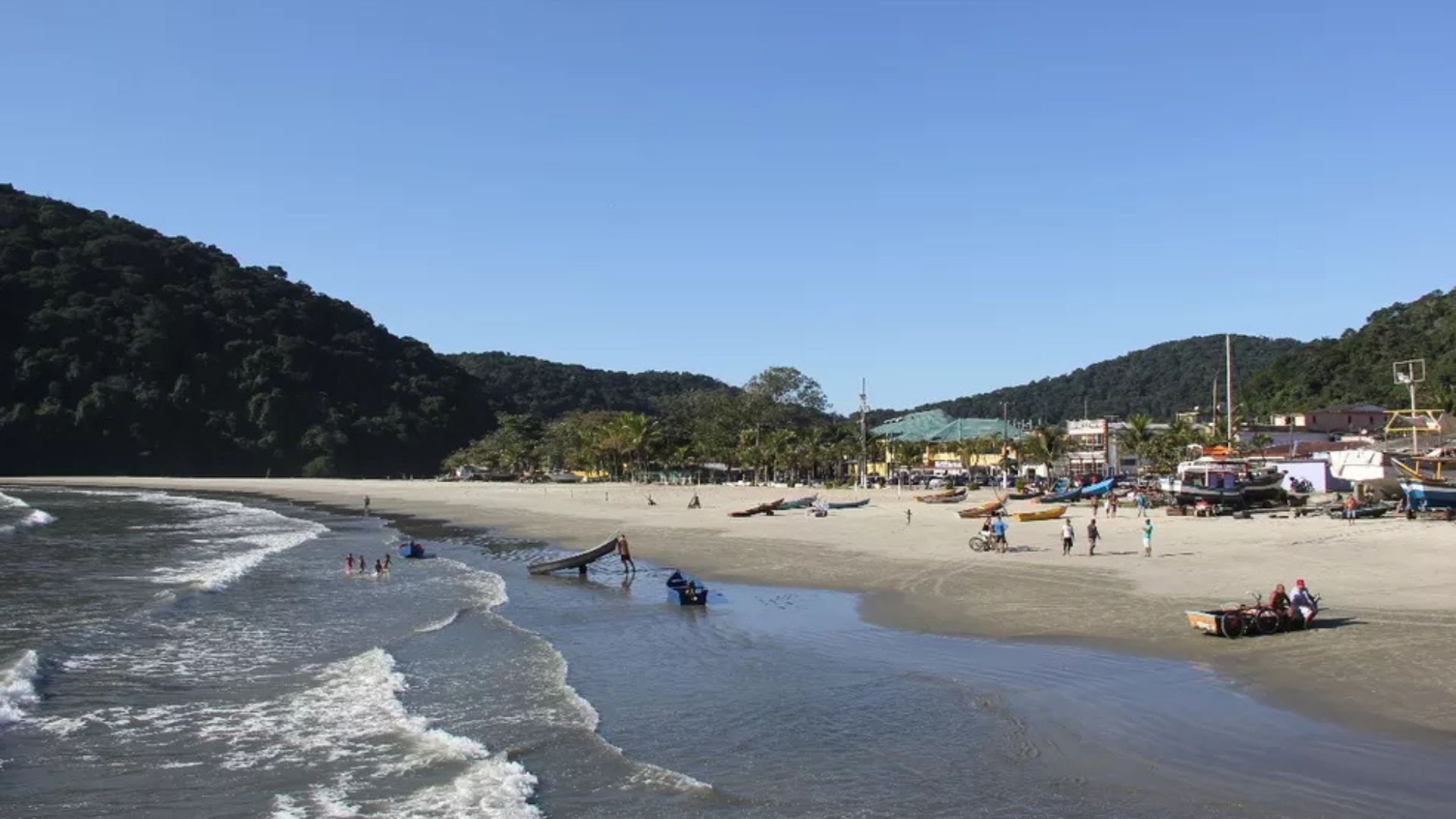
Alarming Beach Water Quality Indicators Expose Contrast Between Tourism And Sanitation In Traditional Caiçara Holdout Of Guarujá, Where Weekly Monitoring Indicated Almost The Entire Year With Water Unsafe For Bathing, Despite The Intense Flow Of Visitors And The Gastronomic Structure By The Sea.
Perequê Beach, in Guarujá, closed 2024 with one of the worst beach water quality performances on the São Paulo coast: 51 of 52 weekly tests indicated unsafe water for bathing, according to consolidated data from Cetesb monitoring.
Even with the streak of red flags, the location remains on the itinerary of visitors to the caiçara village, known for its fish restaurants and fishing boats on the sand, along a continuous stretch of about 2.4 kilometers of beach.
Water Quality Of Perequê Beach In 2024
The annual survey considers collections throughout the year and summarizes, in numbers, a persistent problem: during almost every week, the microbiological indicators remained above the accepted standard for sea bathing, a situation that increases health risks.
-
Friends have been building a small “town” for 30 years to grow old together, with compact houses, a common area, nature surrounding it, and a collective life project designed for friendship, coexistence, and simplicity.

-
This small town in Germany created its own currency 24 years ago, today it circulates millions per year, is accepted in over 300 stores, and the German government allowed all of this to happen under one condition.

-
Curitiba is shrinking and is expected to lose 97,000 residents by 2050, while inland cities in Paraná such as Sarandi, Araucária, and Toledo are experiencing accelerated growth that is changing the entire state’s map.

-
Tourists were poisoned on Everest in a million-dollar fraud scheme involving helicopters that diverted over $19 million and shocked international authorities.



The constant presence of sewage contamination is often associated with cases of gastroenteritis, ear infections, skin irritations, and other effects after contact with polluted water, especially in children, the elderly, and people with reduced immunity.
Poor Sanitation And Influence Of The Fish River
The most cited explanation for the Perequê scenario involves historical sanitation failures in the surrounding area, with irregular connections and improper sewage disposal into waterways that reach the shore, especially in areas where infrastructure has lagged.
Another factor is the natural drainage of the region: a small river flows into the beach and acts as a channel for water that crosses the neighborhood before reaching the sea, which can concentrate pollutants at certain points and tides.
This river is known as Fish River, a reference that appears in the very origin of the name “Perequê” and, in practice, helps explain why contamination does not distribute evenly along the stretch of sand.
Rain, Tide And Impact On Water Quality
The coastal dynamics directly interfere with the measurements and the perception of those who come to spend the day, as heavy rain carries dirt from the streets and storm drains into streams, while tides and currents can retain or disperse this load.
Therefore, even during periods with seemingly “clean” water, the official recommendation remains to check the water quality bulletin before entering the sea, as the indicator used in monitoring depends on laboratory analysis and not the visual aspect.
Tourism In Guarujá And Pressure On Infrastructure
Perequê is located in a city that markets itself as a showcase of the São Paulo coast: Guarujá is on Santo Amaro Island and features 27 beaches, in addition to receiving a large tourist flow during holidays and the summer peak season.
In an official statement released at the end of 2024, the City Hall projected the arrival of more than 1.5 million tourists during the Christmas and New Year celebrations, reinforcing the weight of tourism on the local calendar and the extra pressure on urban services.
In this context, the situation at Perequê exposes a contrast that repeats itself in other coastal areas: the beach maintains activity at kiosks and restaurants and continues to attract visitors, while water quality warnings call for increased care.
Sanitation Works And Persistent Challenges
Public reports about the area indicate that sanitation interventions have been accelerated in recent years, with enforcement actions and structural improvements to reduce the impact of sewage on rivers and channels that reach the sea, although the effect is not immediate.
On another front, the city itself has already mentioned the influence of rivers that flow into Perequê when explaining why the beach has historically presented recurring episodes of unsafety, reinforcing the need to act on both the network and drainage.
Still, the record for 2024, with only one week considered adequate, indicates that recovery is a medium-term challenge and requires the continuity of works, maintenance, and control of clandestine connections in the neighborhood.
Recommendations For Visitors In Light Of The Alerts
For those deciding to go to Perequê, the safest advice is to follow official bulletins before entering the water and to be extra cautious after periods of rain, when water quality tends to worsen in areas influenced by urban drainage.
Even with frequent restrictions on sea bathing, the beach continues to be used for fishing, walking, and dining at local restaurants, practices that do not depend on swimming but also benefit from a less contaminated environment.
By turning a tourist spot into a health alert, the case of Perequê serves as a reminder that scenery and calm seas do not guarantee safety and that the reputation of the destination depends on the progress of sanitation and transparent monitoring of water.









-

-

-

-

9 pessoas reagiram a isso.