





 Portuguese
  English
  Spanish
 3 min of reading
  0 comments


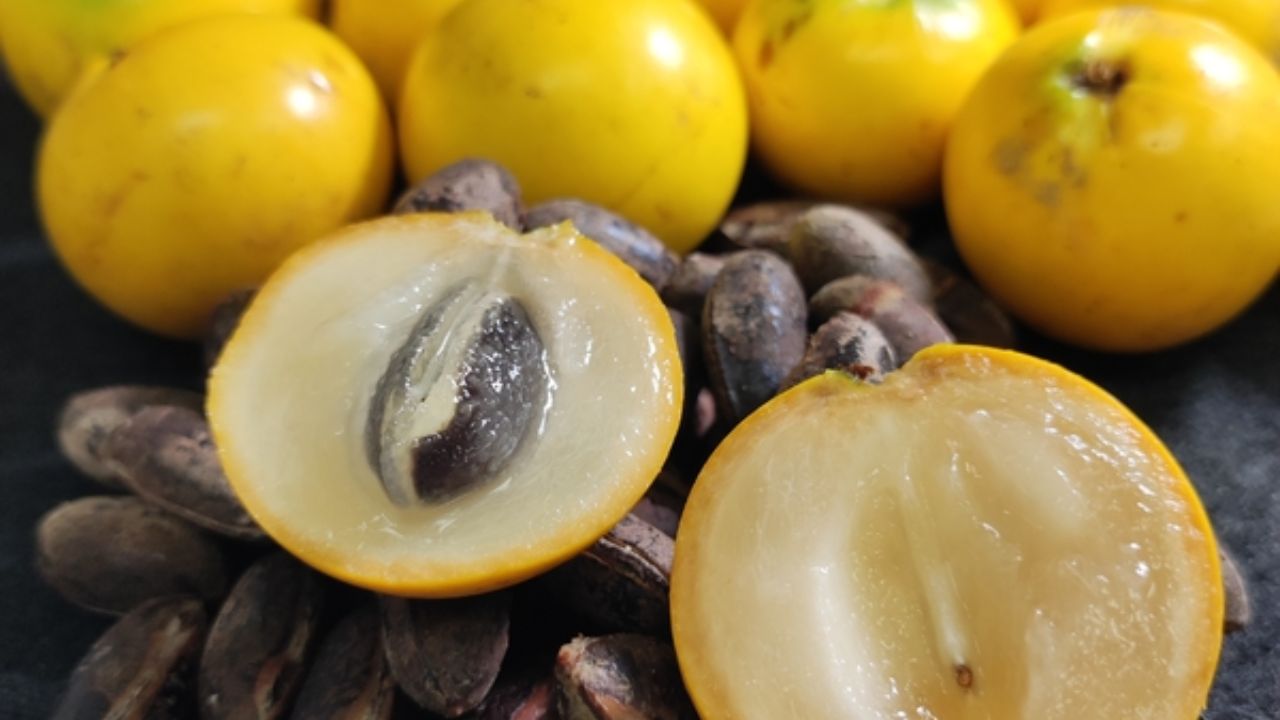
Get To Know The Trajectory Of Abiu, An Exotic Fruit From The Amazon That Became A Success In The São Paulo Markets And A Symbol Of Innovation In Family Fruit Growing.
An amazonian fruit, with gelatinous pulp and sweet flavor, is conquering the markets in São Paulo. Abiu, an exotic fruit native to Western Amazon, found fertile soil and dedicated producers in São Paulo, especially in the small town of Mirandópolis. It was there that the Shimasaki family decided to invest in the cultivation over 40 years ago — and they hit the mark.
The Amazonian Origins Of Abiu And Its Arrival In São Paulo
Abiu has deep roots in the Amazon, where it was domesticated by indigenous peoples from the upper Solimões.
According to Embrapa, this careful selection produced high-quality fruits, rich in fiber, vitamins A, C, and the B complex, as well as minerals such as iron, phosphorus, and calcium.
-
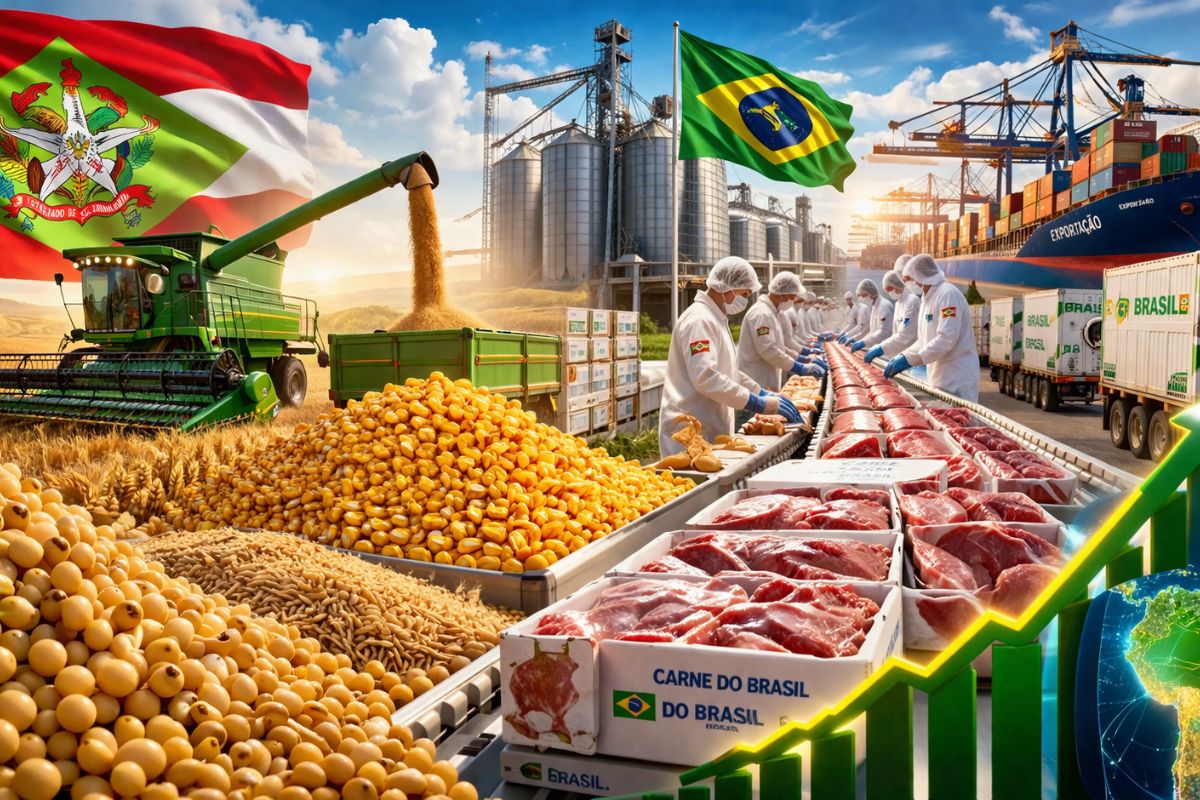
Santa Catarina harvested 7.85 million tons of grains and exported 2 million tons of meat in 2025: a growth of almost 6% in the food industry, which is four times higher than the national average and drives the entire Brazil.
-
The expansion of greenhouses in southern Canada has become so intense that it has changed the appearance of the soil and even the nighttime glow of the region, transforming Ontario into one of the most visible agricultural hubs in North America from space.

-
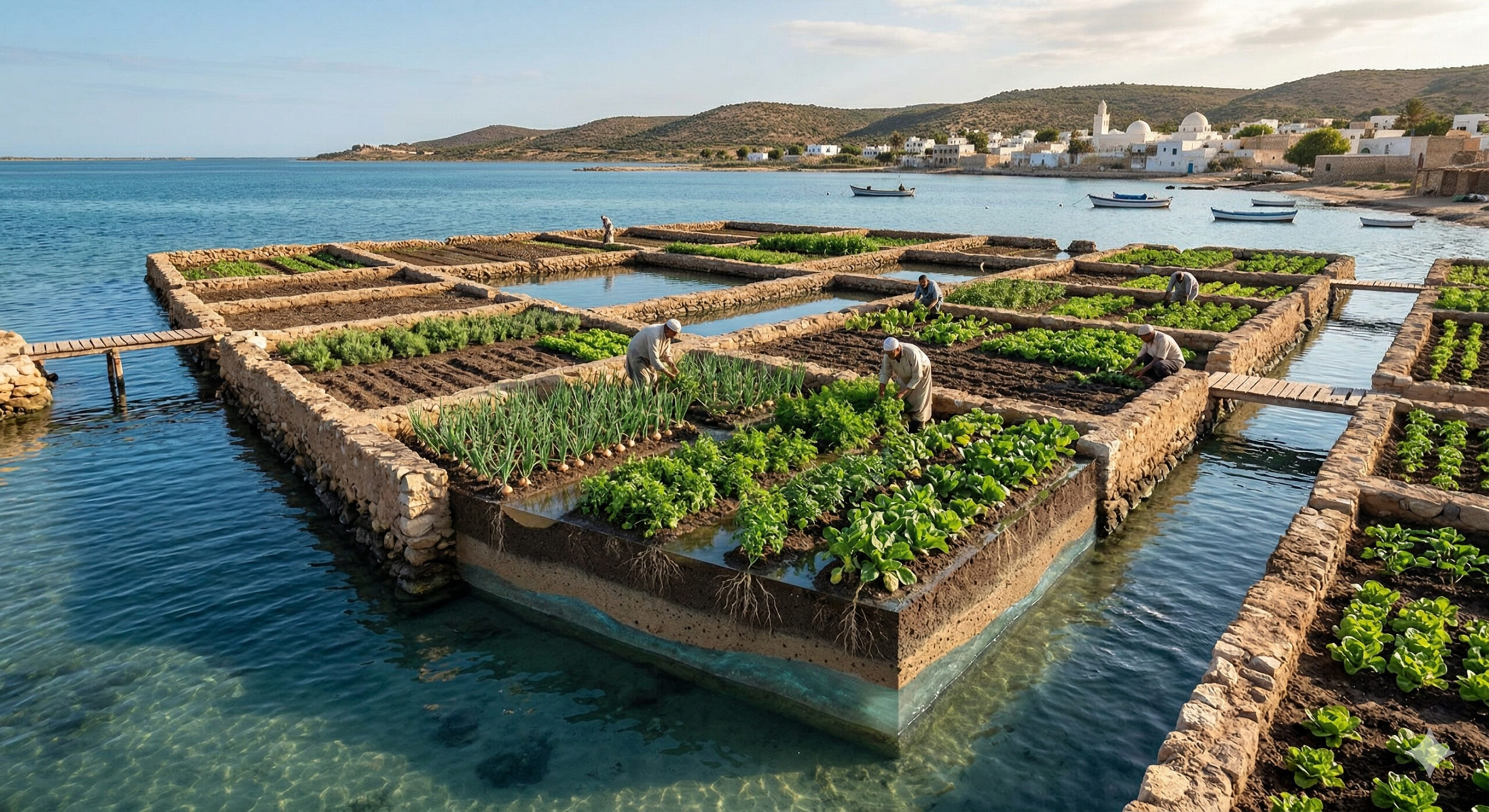
Almost nobody imagines it, but farmers in Tunisia grow food in the sand and make the roots drink fresh water that floats on top of seawater in an agricultural system considered unique in the world.
-
More than 20,000 km² of wheat fields form nearly perfect lines and geometric shapes in Montana, creating an agricultural pattern so symmetrical that the landscape looks like an abstract artwork visible from space.

The fruit, with white or yellowish pulp and gelatinous texture, has a sugar content of 15% (brix) and an average weight between 150 and 200 grams.
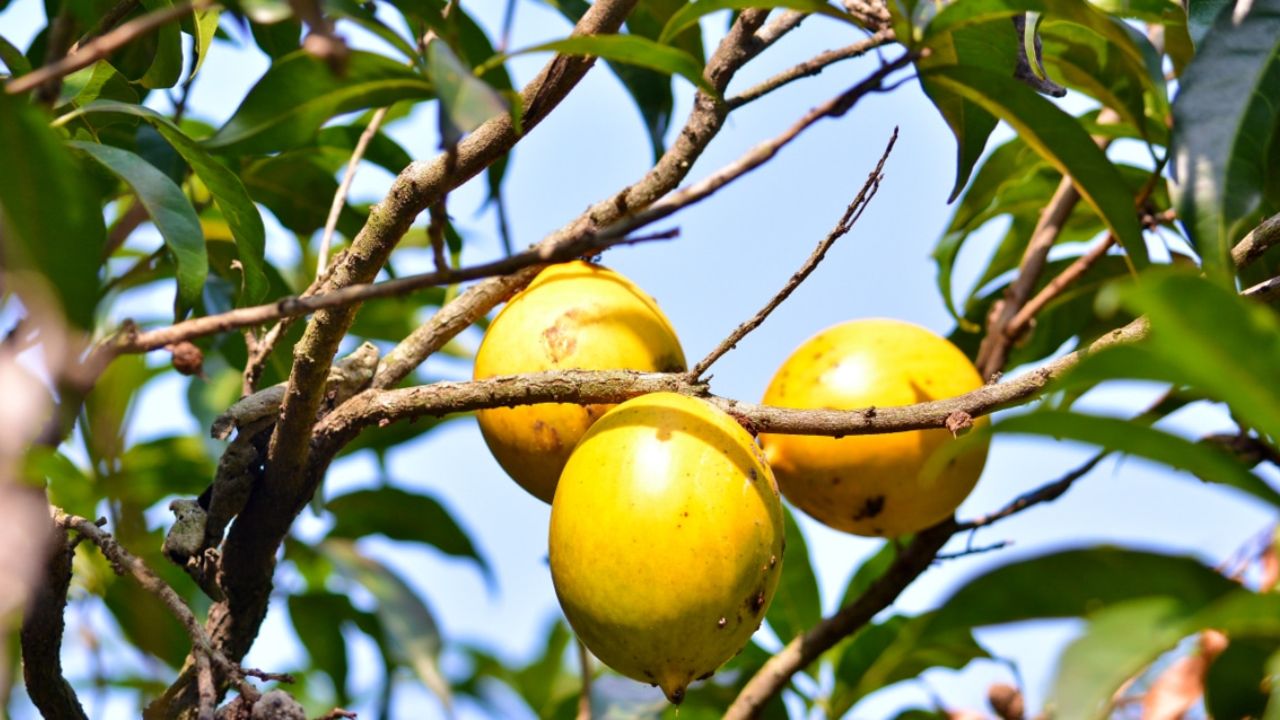
Although it can reach up to 20 meters in the forest, in commercial cultivation, the abieiro does not exceed 8 meters, which facilitates harvesting and management.
A Story Of Dedication: The Turnaround Of The Shimasaki Family
It was in the 1970s that Kiyoshi Shimasaki, then a producer of grains and coffee, saw new horizons in fruit growing.
He started with guavas, then invested in star fruit, lychee, and other varieties. But it was the abiu that truly distinguished the property in the regional market.
“My father planted the first seedlings 40 years ago when he was looking for a different, sweet fruit with high added value to be grown in a small area,” says Júlio Shimasaki, son of Kiyoshi and current manager of the family’s farm.
Abiu: An Exotic Fruit With Efficient And Sustainable Production
Currently, the Shimasaki Farm has 500 abieiro trees, yielding about 10 tons per year, harvested in three crops: the main one in May and two smaller ones in August and November.
One of the great advantages of abiu cultivation is the low production cost. The plant is resistant, does not require the use of insecticides or fungicides, and management is carried out with conventional fertilization.
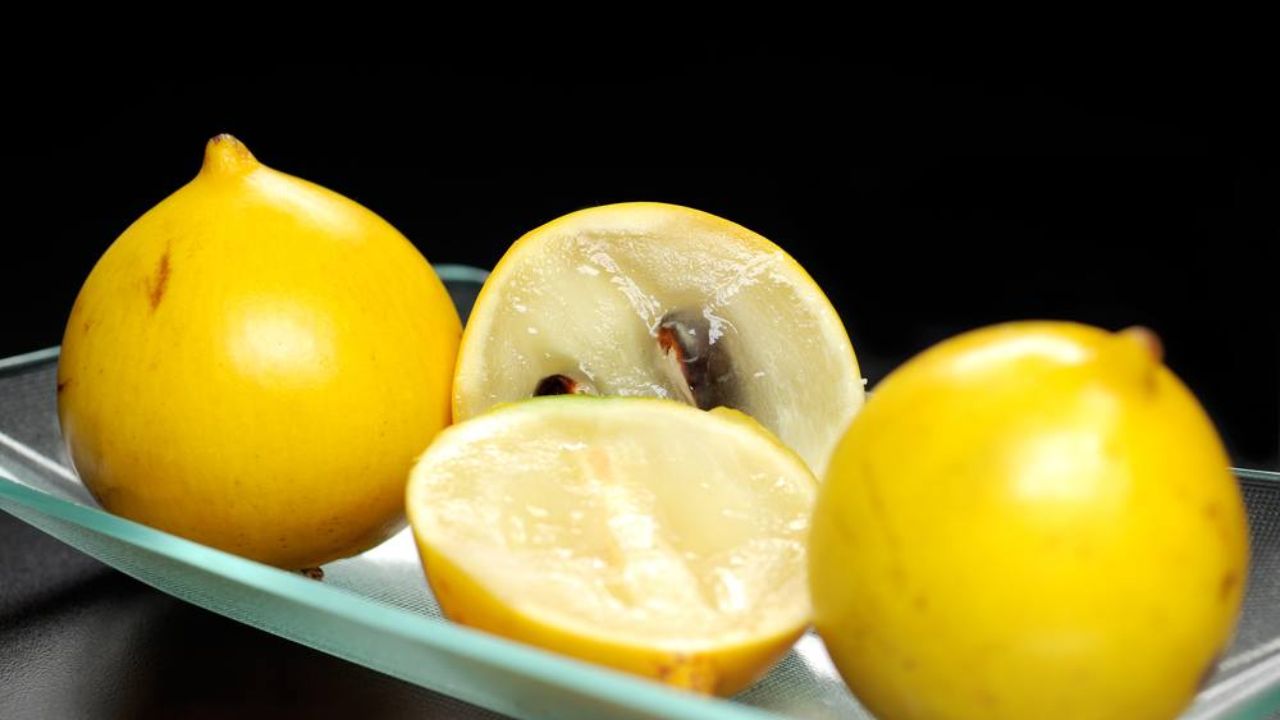
In addition, irrigation ensures productivity, as the species requires a high volume of water — approximately 1,800 mm annually.
Another differentiator is the standardization of fruits through grafting, a technique that helps maintain the ideal size between 150 and 200 grams — the preferred standard in the market.
Promising Market
About 95% of the fruit’s production is destined for Ceagesp in São Paulo, where abiu stands out among exotic fruits.
The remainder is sold directly in the region, as a way to promote and popularize its consumption.
The fruits are marketed in plastic trays of 500 grams, organized in boxes with six units.
At the beginning of the harvest season, the price per kilo reaches R$ 20.00, a significant amount for small producers.
Abiu: Family Fruit Growing And New Bets
The success with abiu has driven the Shimasaki family to continue innovating. For next year, there are plans to plant 100 achachairu trees, an exotic fruit from Bolivia, signaling that diversification remains a strategy to maintain competitiveness and sustainability of the business.
The case of abiu shows how an exotic fruit from the Amazon can find a place in the Southeast, generating income and strengthening family agriculture.
The appreciation of this tropical fruit, combined with care in management and presentation, is an inspiring example of how tradition, technical knowledge, and innovation can transform a regional culture into a highlighted product in the national market.
With information from the ABRAFRUTAS website.







-

Uma pessoa reagiu a isso.